
Many animal lovers believe that all domestic cats have similar genetic coat patterns. We assume that unique spots only belong to wild jungle cats.
But the stunning Bengal breed actually carries a very special family history. Their beautiful wild markings are the result of fascinating genetic science.
Tracing The Wild Ancestors
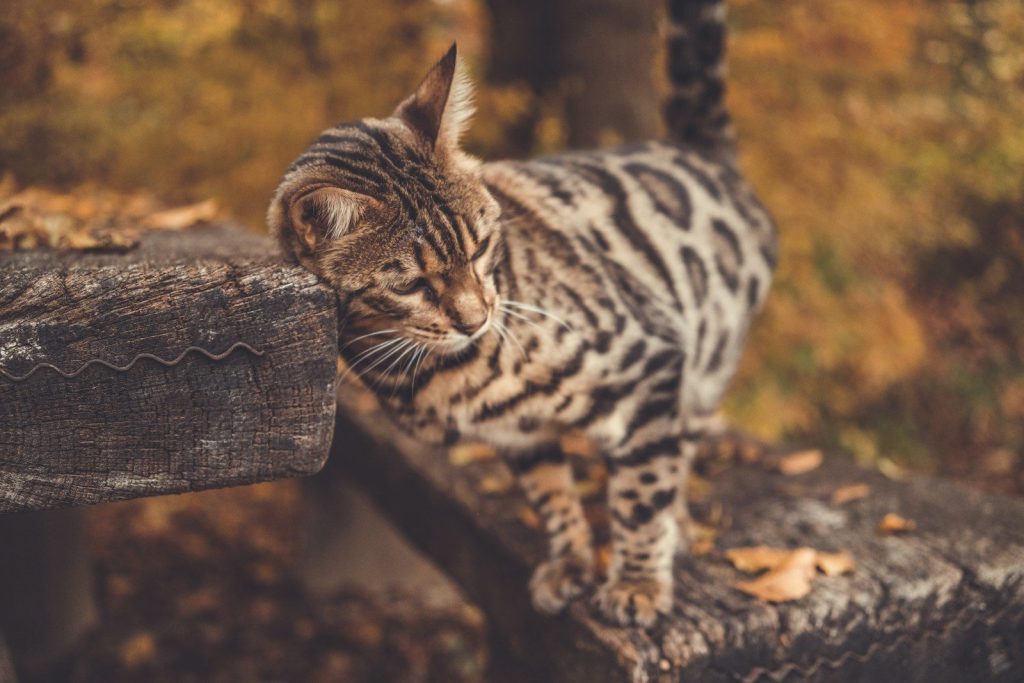
Bengal cats are not just ordinary domestic house pets. They are unique. According to reports from the Cat Fanciers Association, this breed was created by crossing domestic cats with the Asian leopard cat. This small wild feline is native to the forests of Asia. This ancestral mix gave them their signature exotic appearance. But this wild connection goes far deeper than just looks.
Understanding The Special Coat
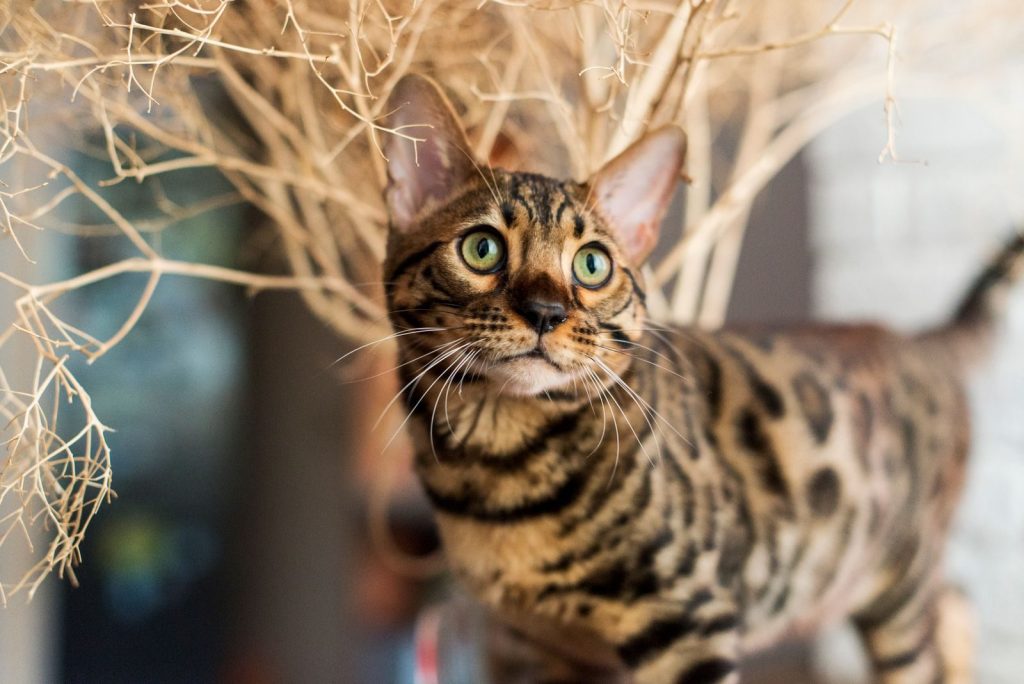
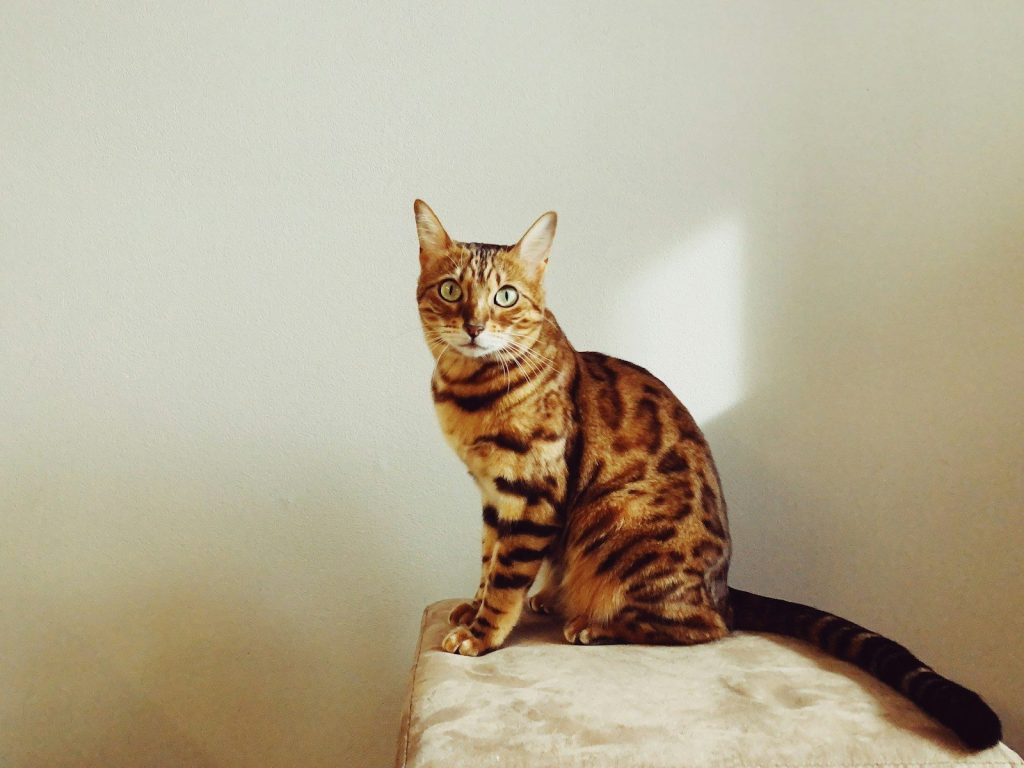
The spots on a Bengal are called rosettes. Patterns are distinct. According to the Cornell Feline Health Center, these markings resemble the camouflage patterns found on wild leopards and jaguars. Each spot features a dark outline with a warm cocoa colored center. This physical trait makes them look like small jungle predators. Yet their physical uniqueness extends to how their fur feels.
The Shimmering Glitter Effect
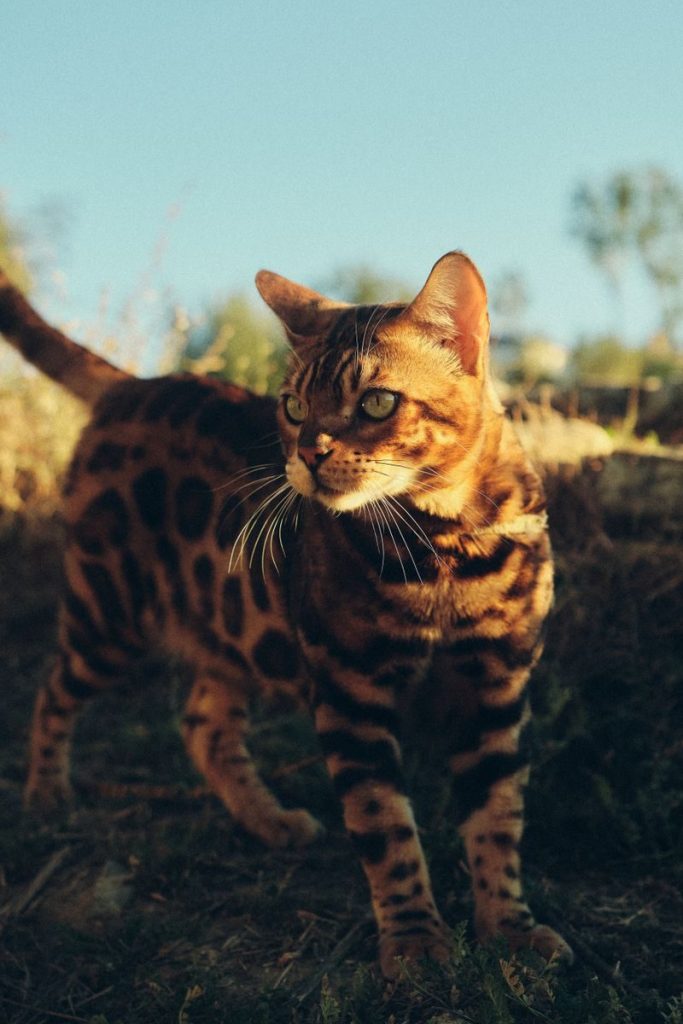
Many Bengals look like they are covered in gold dust when standing in sunlight. Fur literally sparkles. According to studies from the UC Davis Veterinary Genetics Laboratory, some Bengals carry a unique gene that causes their hair shafts to reflect light. This translucent glitter effect is highly prized by cat enthusiasts around the world. But their high-energy personality is just as sparkling.
Living With High Energy
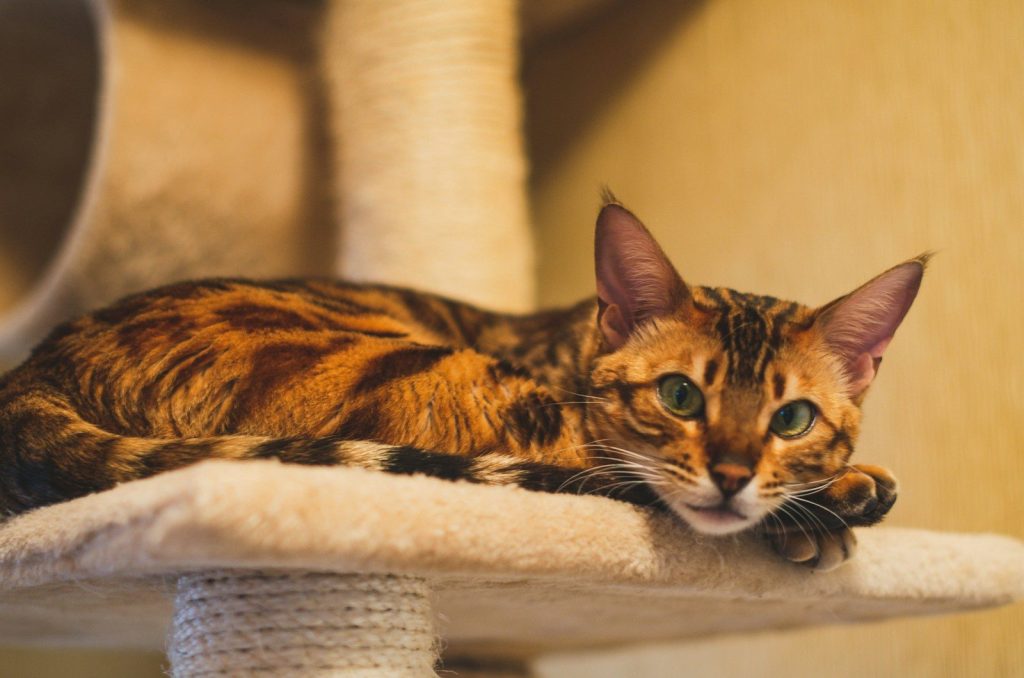
These athletic felines love to climb to the highest points in a room. Movement is constant. According to behavioral studies from Oregon State University, Bengals retain some of the wild curiosity and high play drive of their ancestors. They require daily mental stimulation and interactive toys to stay out of trouble. However, this high energy can sometimes lead to very unusual habits.
An Unusual Love For Water
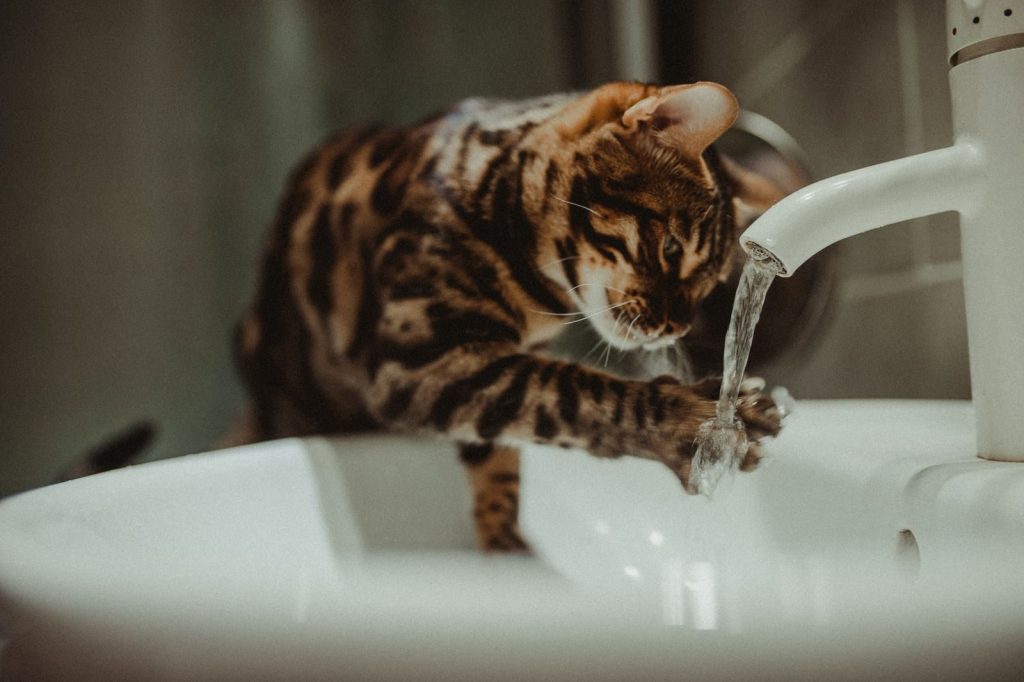
Most domestic cats absolutely hate getting wet. Bengals are different. According to guidelines from the San Diego Humane Society, these spotted cats often enjoy playing in running faucets or even jumping in the shower. This watery habit comes directly from their wild Asian leopard cat ancestors who fished in streams. But keeping these active minds happy requires consistent training.
Interactive Training Basics
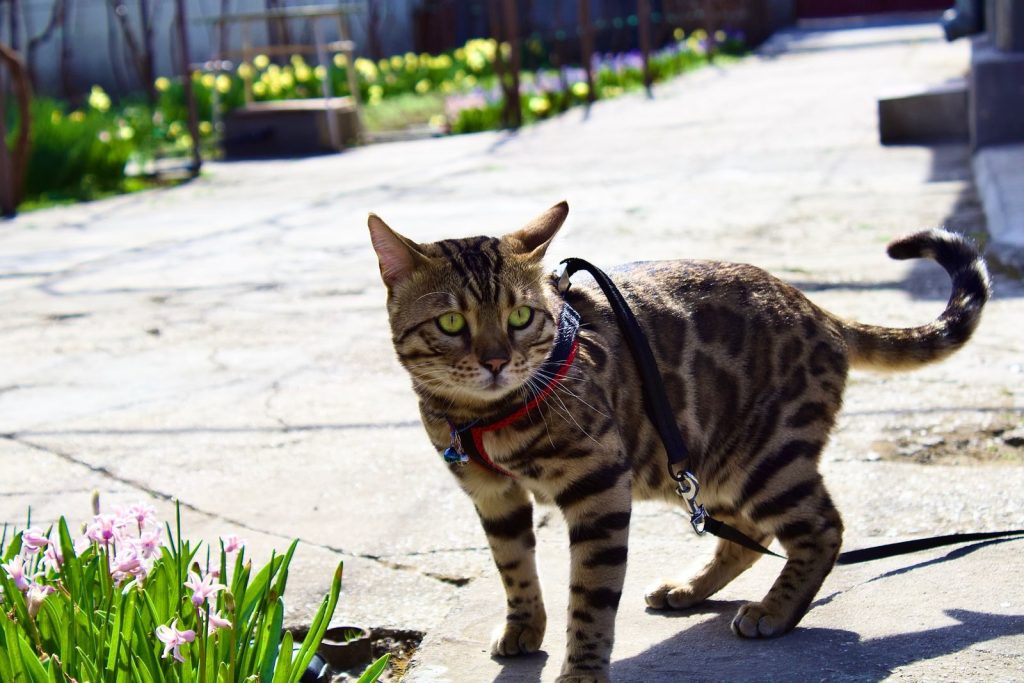
Bengals are incredibly intelligent and learn tricks very fast. Their brains are sharp. According to the American Association of Feline Practitioners, teaching these cats to walk on a leash helps burn off excess energy safely. They enjoy exploring the outdoors just like small dogs. But before you welcome one home, there is an important financial detail to understand.
Looking At Healthcare Costs
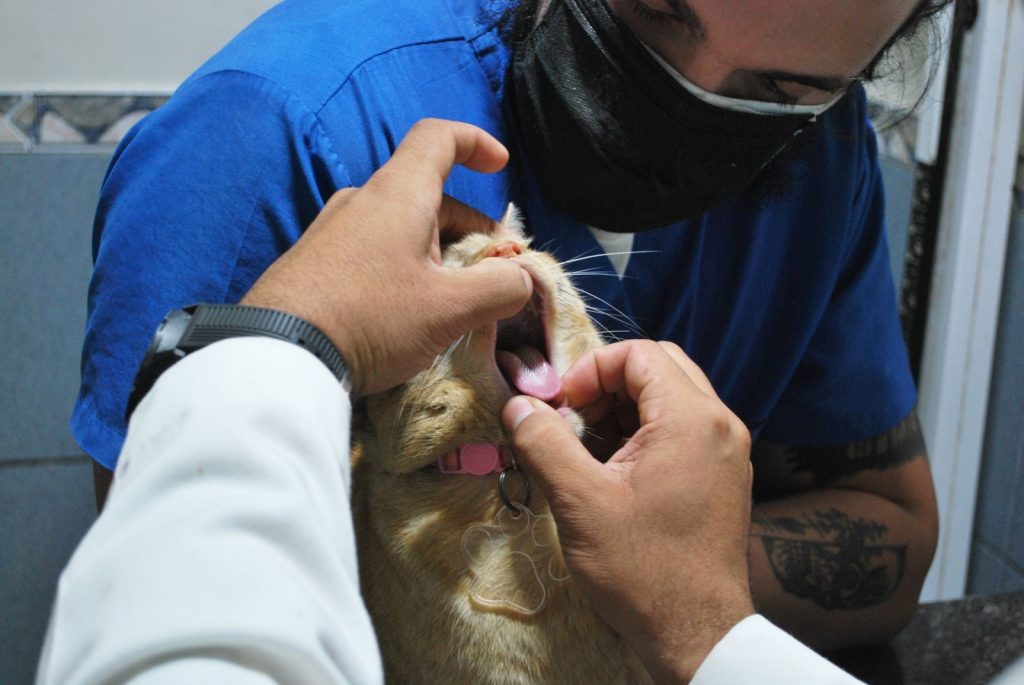
Owning an exotic breed requires a clear understanding of their specific needs. Planning is key. According to reports from the American Veterinary Medical Association, active breeds like Bengals may require more specialized veterinary care and genetic screening throughout their lives. Keeping them healthy is a lifetime commitment. Yet the reward of their loyal friendship makes it all worthwhile.
Embracing The Miniature Cheetah
Bringing a Bengal into your family offers a wonderful taste of the wild. It is wonderful. According to the American Veterinary Medical Association, providing a highly engaging home environment keeps active breeds happy and healthy. Enjoy learning the unique quirks of your stunning companion. This article is for informational purposes only and does not constitute veterinary advice.
Featured Image: Photo by Claudio Schwarz on Unsplash