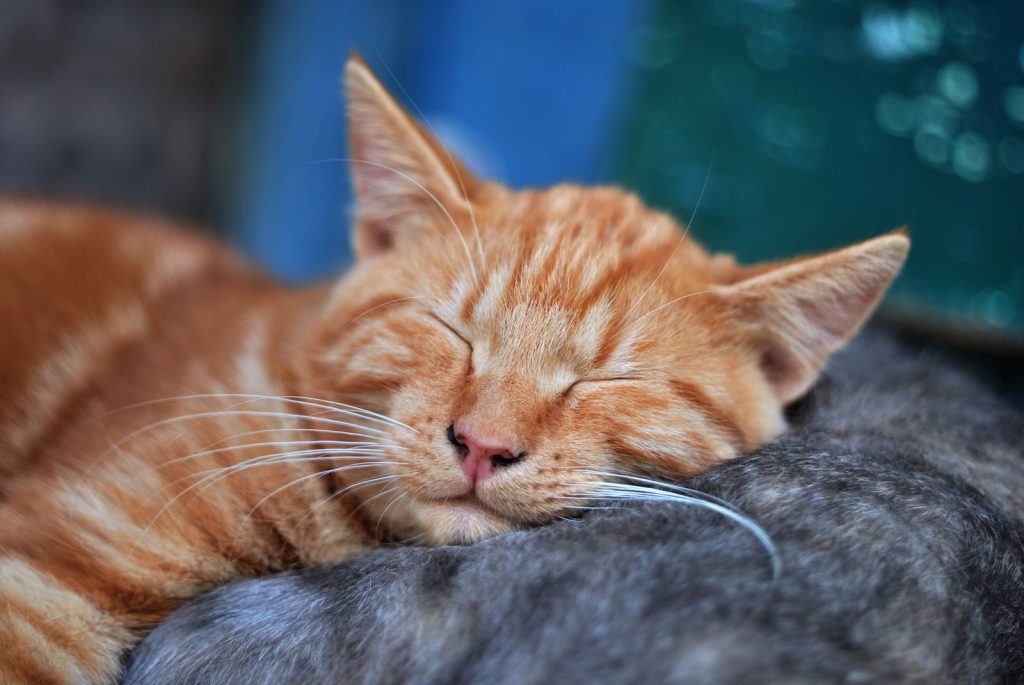

We assume our pets sleep on us simply because we are soft. We think they are looking for a comfortable bed.
But feline experts reveal this behavior is driven by survival instincts. Sleeping on your chest is a strategic move that serves multiple biological purposes.
Seeking Ultimate Feline Warmth
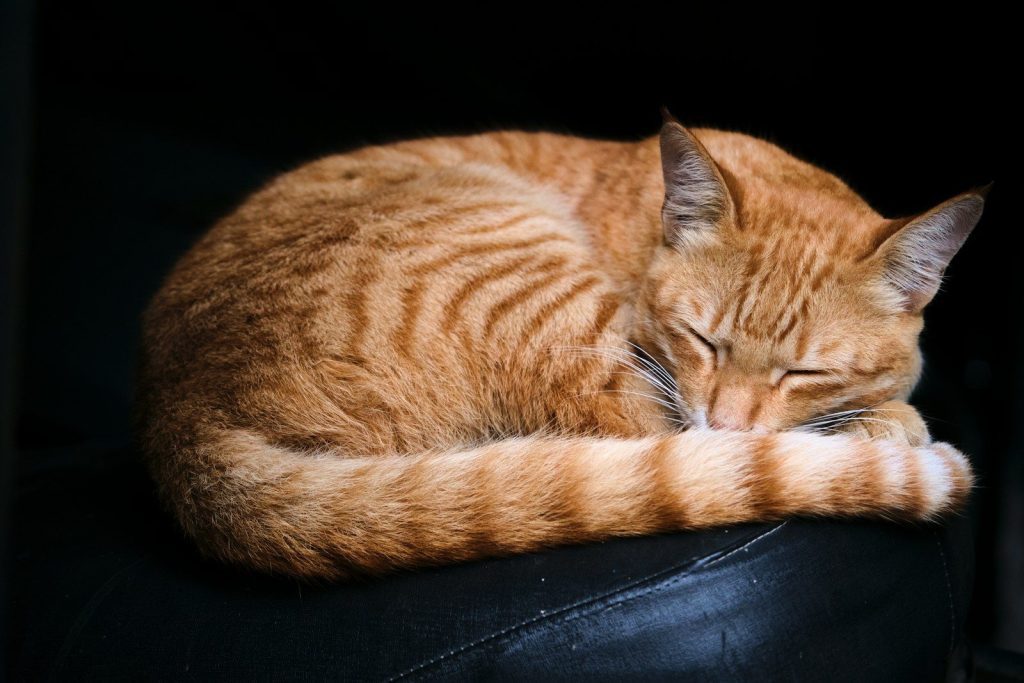
A domestic cat craves warmth because of their desert ancestors. Heat is crucial. According to the American Veterinary Medical Association, a cat has a normal body temperature of over one hundred degrees. Your chest radiates a steady stream of pure metabolic heat. This makes you the most comfortable spot in the house. But warmth is only the beginning of their sleep motivation.
Finding Safety In Vulnerability
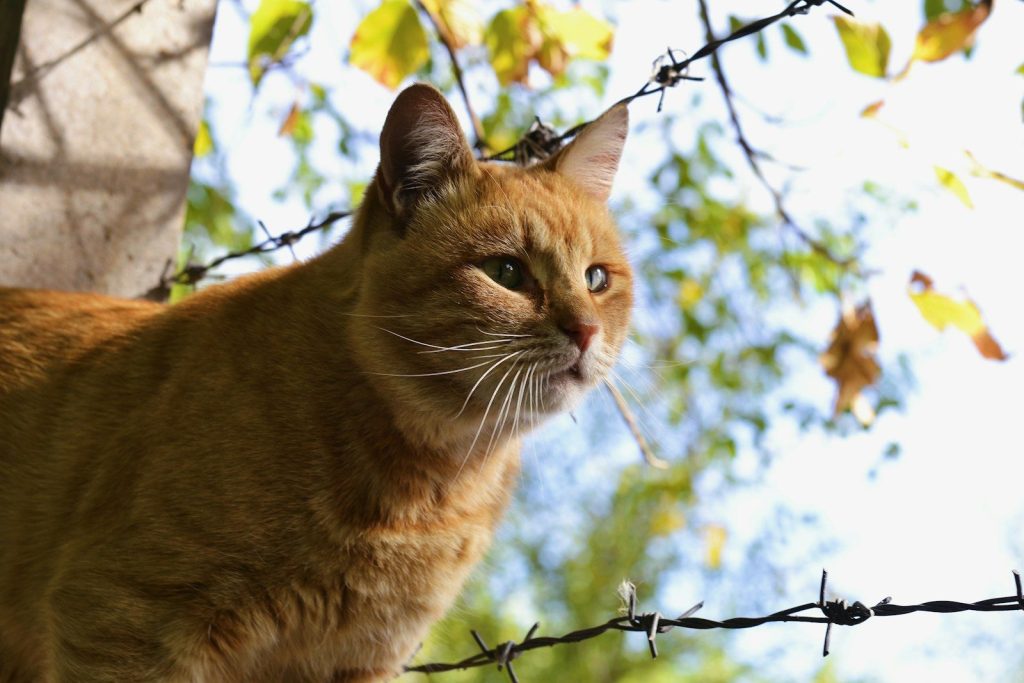
Sleeping is the most dangerous time for any wild predator. Trust is real. According to behavioral studies from Oregon State University, domestic cats seek secure spots when they close their eyes. By choosing your chest, your pet knows they are fully protected. They view you as a giant shield against danger. But there is a chemical reason for this habit too.
Mixing Natural Family Scents
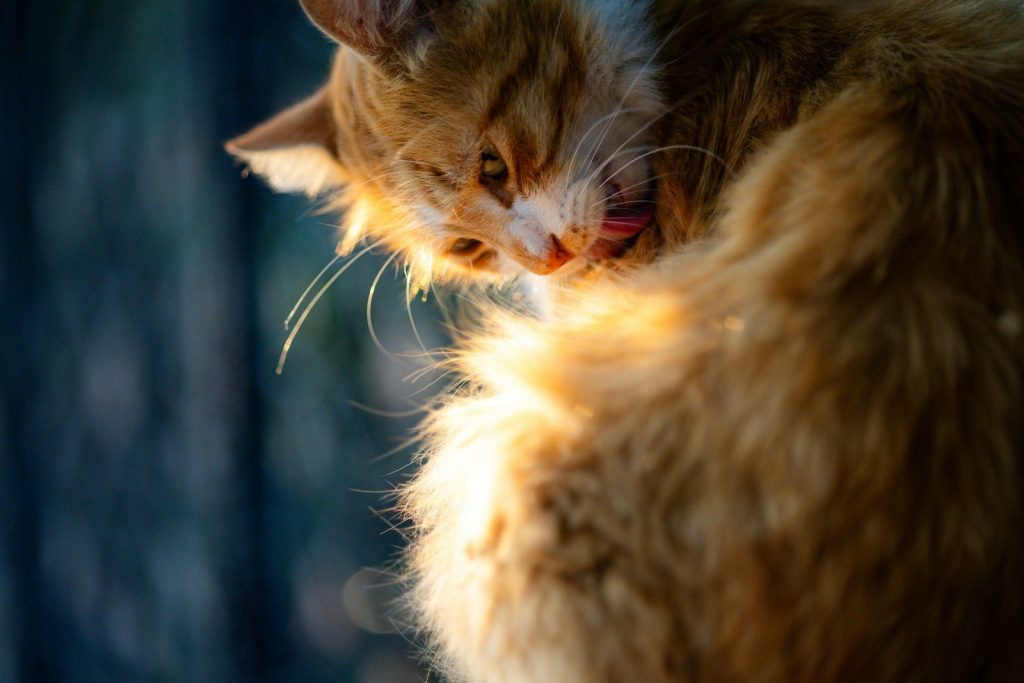
Felines use scent to identify members of their safe family group. Smell is identity. According to reports from the ASPCA, cats have scent glands on their faces and paws. Pressing against your body deposits these pheromones to create a shared family smell. This physical mixing makes your pet feel deeply secure. Yet another sensory trigger is comforting your kitty.
Listening To Your Heartbeat
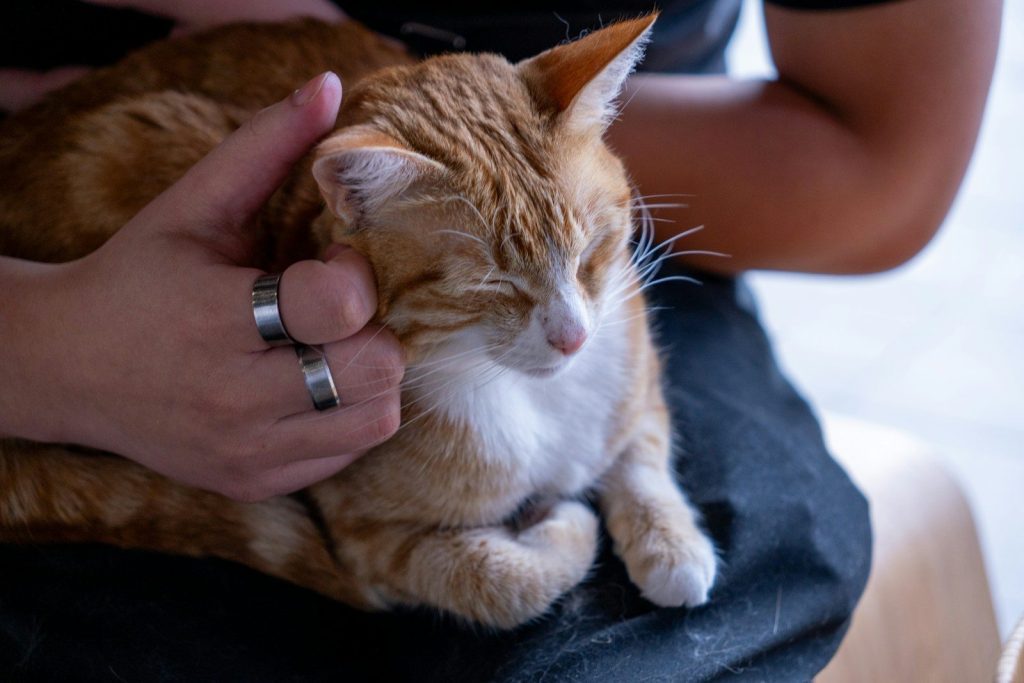
The steady rhythm of your chest is highly comforting to a cat. Sound brings peace. According to the Cornell Feline Health Center, kittens spend their first weeks huddled against a mother’s beating heart. Your adult cat remembers this early sensation of complete peace. This soothing noise acts as a natural lullaby. But this sleep habit can sometimes cause issues for owners.
Setting Clear Sleep Boundaries
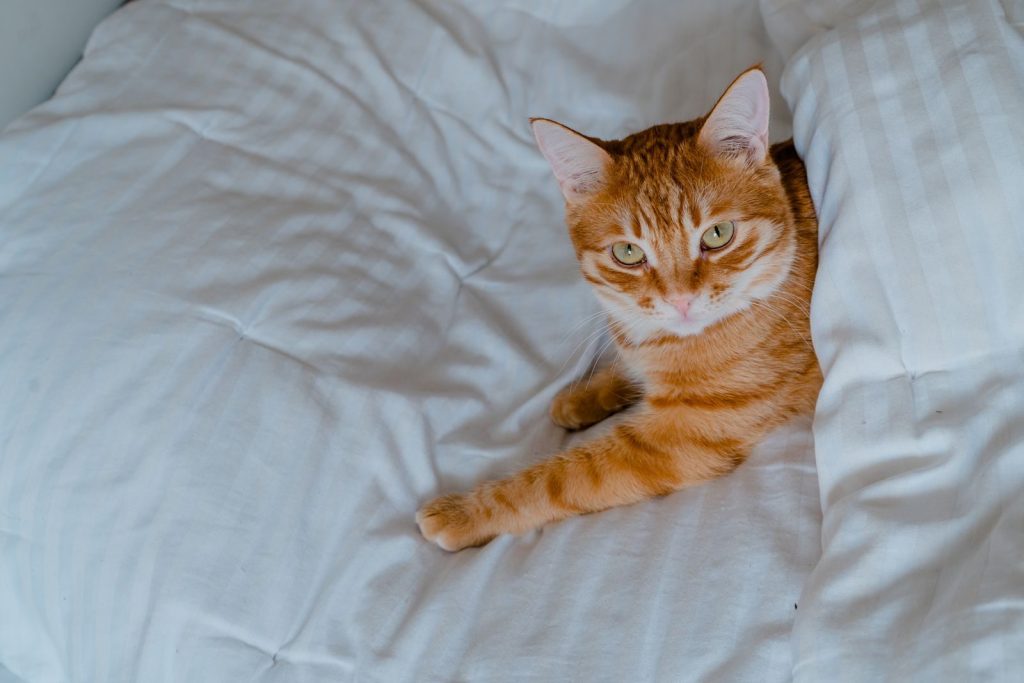
Letting a heavy animal rest on your face can disrupt your sleep. Balance is vital. According to guidelines from the American Association of Feline Practitioners, establishing healthy sleeping arrangements prevents overnight wakeups. You can encourage your pet to use a heated bed right next to your pillow. This keeps them close without blocking your breath. But training them requires a gentle touch.
Creating Cozy Alternative Spaces

Placing a worn shirt in a nearby basket offers a perfect compromise. Comfort is key. According to the San Diego Humane Society, cats will happily use beds that smell exactly like their owners. Place the basket at chest level on your nightstand. This elevated position keeps them feeling safe and close to you. But consistency is required to make this work.
Strengthening Your Feline Connection
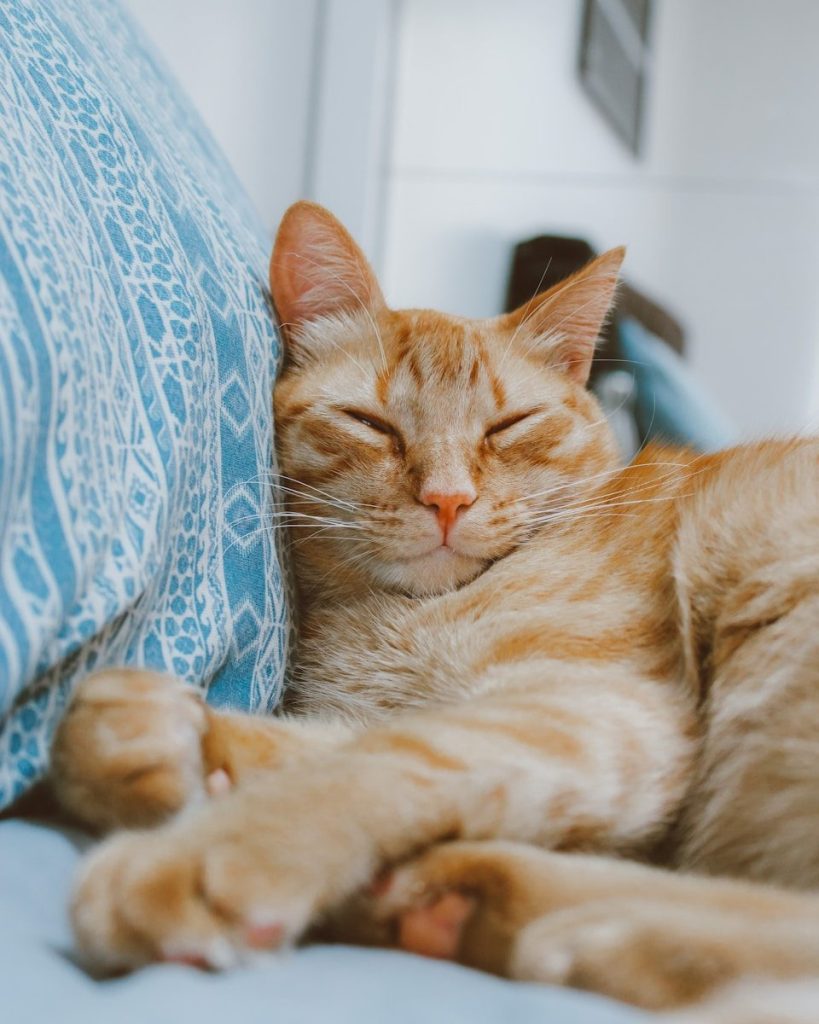
Accepting this behavior occasionally builds a very strong physical bond. Love is mutual. According to a study from the National Institutes of Health, shared sleeping habits lower cortisol levels in both humans and animals. This visual trust shows that your pet feels entirely safe in your arms. But you must ensure your bedroom remains a safe zone.
Celebrating Feline Safe Havens

Providing a secure sleeping environment is a beautiful gift for your pet. Peace is achieved. According to the American Veterinary Medical Association, respecting your cat’s sleep habits reduces daily household stress. Enjoy these quiet moments of warmth and trust. This article is for informational purposes only and does not constitute veterinary advice.