

Most pet owners believe that cats understand verbal discipline. We think raised voices will teach them to stop bad habits.
But experts say feline brains do not process human anger. Trying to lecture a cat might actually make the behavior worse.
The Myth Of Verbal Anger

Many frustrated owners try to yell when a pet bites. It does not work. According to the American Veterinary Medical Association, cats do not connect loud voices with their own actions. They simply hear a scary noise that causes unnecessary stress. This reaction can easily ruin your relationship. In fact, a yelling owner might trigger a far more defensive physical response.
Decoding True Feline Motivation

A cat does not act out of spite or anger. They seek engagement. According to behavioral studies from Oregon State University, biting is often a plea for active play. Your pet thinks your loud voice is just another fun game. They crave attention of any kind. But a different approach is needed to stop the painful bites.
The Power Of Complete Silence

Walking away is the best way to handle aggression. Action speaks louder. According to guides from the ASPCA, removing your attention teaches pets that biting ends the fun instantly. Keep your voice completely quiet as you leave the room. This silent boundary is highly effective. However, you must also provide a healthy outlet for their high energy.
Introducing Safe Chew Toys
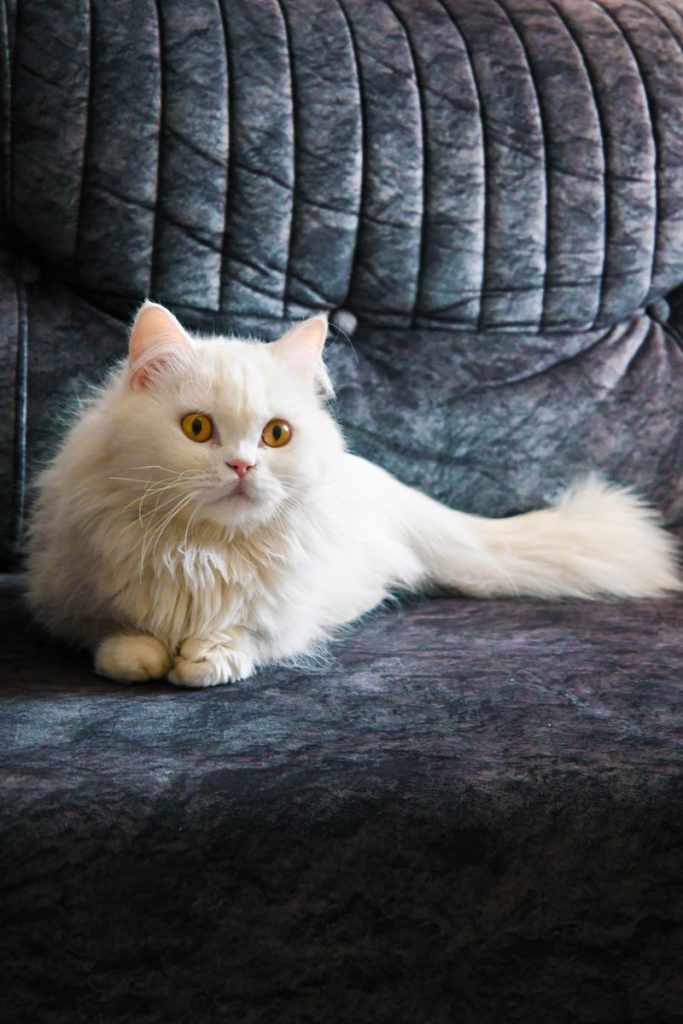
Felines need appropriate targets for their natural hunting instincts. Toys bring focus. According to the Cornell Feline Health Center, redirecting your pet to plush kickers protects your hands. Keep these toys easily accessible around your living room. You want them to bite fabric instead of human skin. But consistency is the real key to changing these habits.
Training With Positive Rewards

Rewarding good behavior works much faster than correcting bad habits. Treats build habits. According to the American Association of Feline Practitioners, offering food during calm moments reinforces gentle play. Praise your cat when they choose to sit quietly by your side. They will quickly learn that calm actions bring rewards. But there is another common mistake that owners must avoid.
Avoiding Dangerous Hands-Only Play
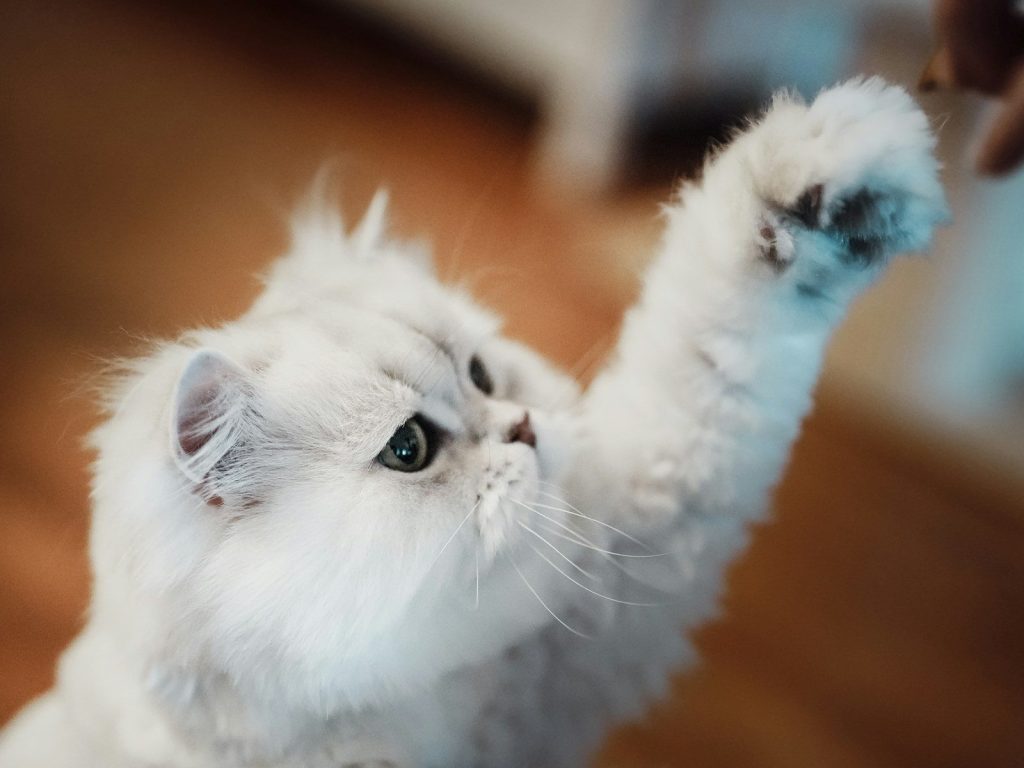
Using your fingers as toys teaches kittens that scratching is acceptable. Safety comes first. According to the San Diego Humane Society, owners must never use hands to wrestle with young animals. This habit creates confusion as the pet grows older. Use feathered wands to keep a safe distance. Yet, creating a peaceful home requires one final step.
Building Mutual Feline Trust
Learning how cats learn helps you build a calm household. Patience brings peace. According to the American Veterinary Medical Association, gentle reinforcement creates a confident animal that respects your boundaries. Support their natural needs to enjoy a peaceful friendship. This article is for informational purposes only and does not constitute veterinary advice.
Featured Image: Photo by Wijs (Wise) on Pexels