
Many people dream of sharing their home with a massive feline. We assume that giant cats behave just like average house pets.
But bringing a giant breed into your life requires major lifestyle changes. You must prepare for unique spatial and emotional needs.
Massive Breeds Need Space
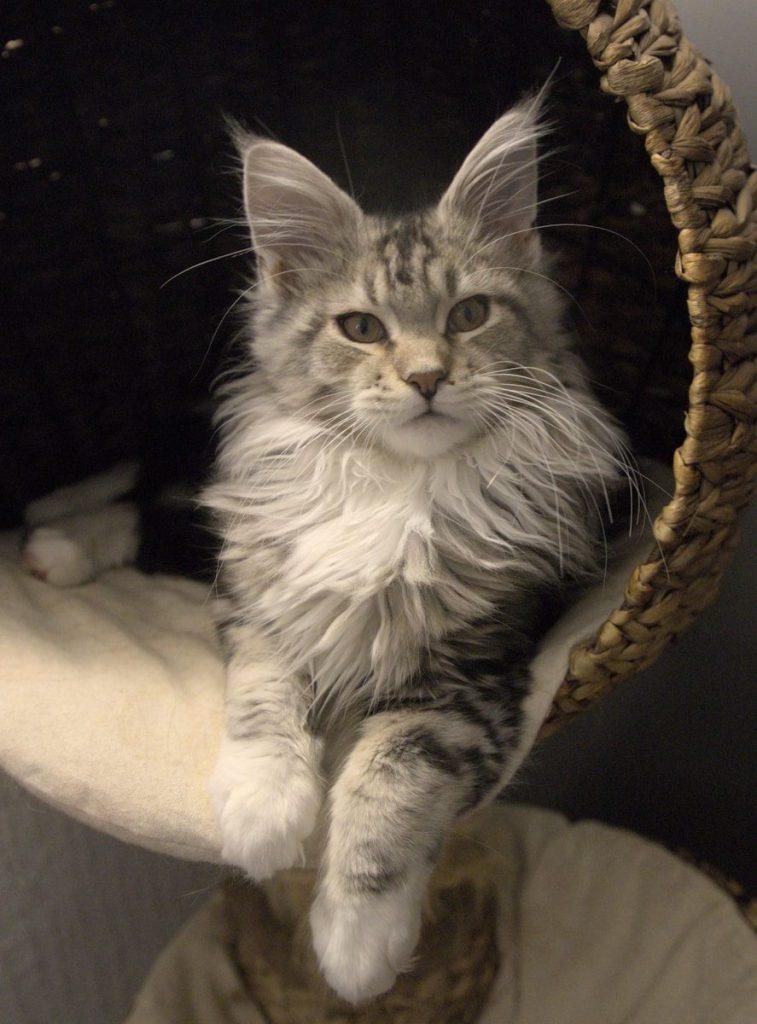
Large felines like Maine Coons can grow to over twenty pounds. Space is critical. According to the Cat Fanciers Association, these active giants need high vertical shelves and massive scratching posts to feel safe. Standard pet furniture will quickly collapse under their weight. But planning for their physical size is only the first challenge.
Grooming Demands Are Real
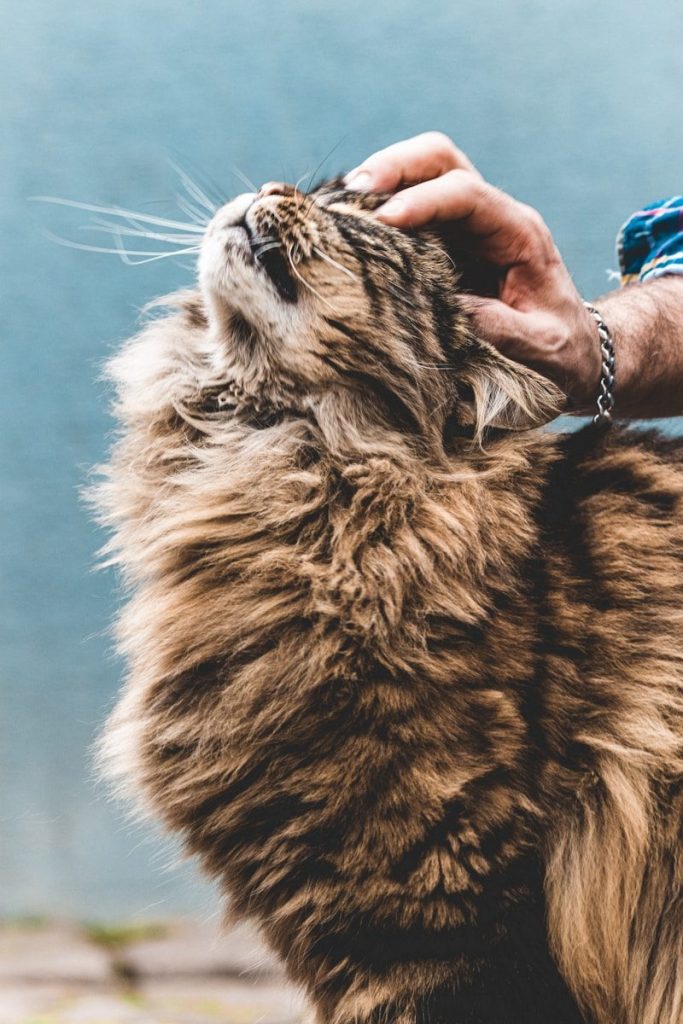
Long coats on massive felines require intense daily care. Mats grow fast. According to reports from the San Diego Humane Society, brushing a large long-haired cat takes significant time and patience. Neglecting their fur can lead to painful skin infections that require veterinary treatment. But their diet presents a completely different financial obstacle.
Massive Budgets For Food
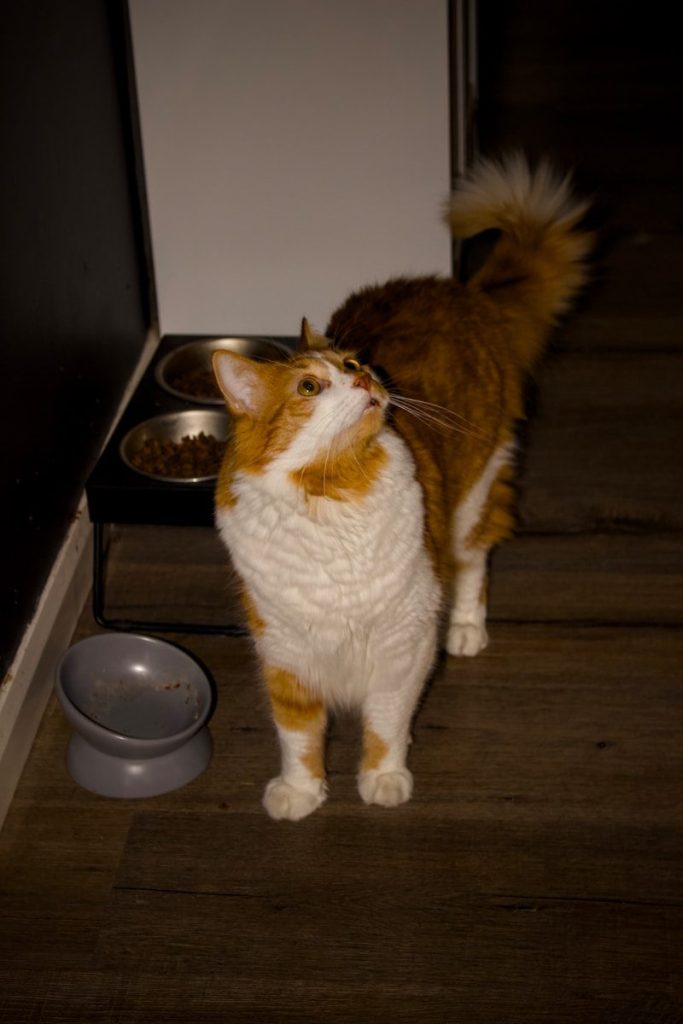
Feeding a giant feline can surprise unprepared owners. They eat constantly. According to guidelines from the American Veterinary Medical Association, larger breeds require specialized diets high in protein to maintain healthy lean muscle. These premium foods can cost twice as much as standard pet kibble over their lifetime. But their physical exercise routines also require a major shift.
Active Felines Need Play
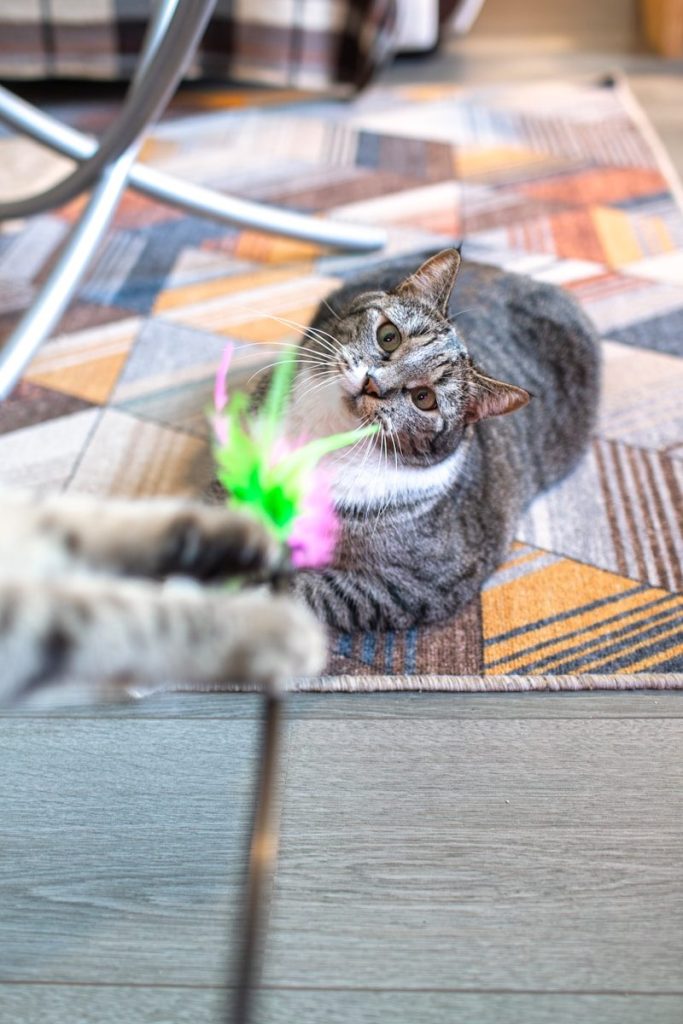
Giant breeds have high energy levels that require structured outlets. Boredom is dangerous. According to behavioral studies from Oregon State University, giant cats can become destructive if they do not receive daily interactive play. They need strong, heavy toys that can withstand intense hunting practice. But their health needs also call for special attention.
Guarding Fragile Joints
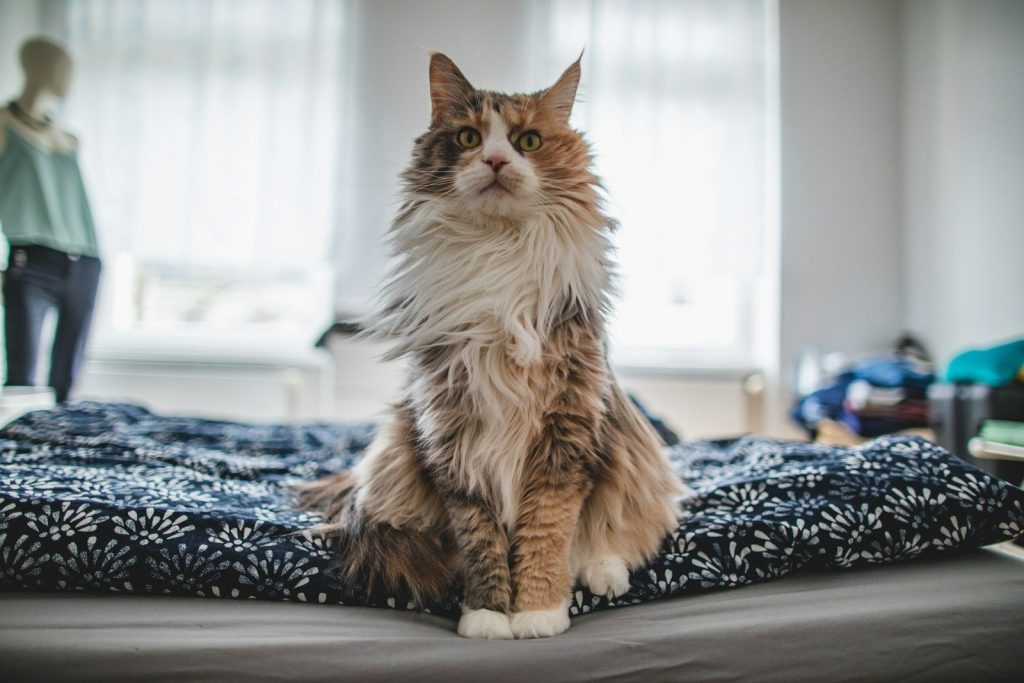
Carrying heavy weight puts natural stress on feline bones. Mobility is everything. According to reports from the Cornell Feline Health Center, large cats have a higher risk of developing progressive joint issues like hip dysplasia. Owners must monitor their movement carefully as they age to catch early signs of pain. But choosing a reputable breeder can prevent these issues.
Sourcing Healthy Kittens
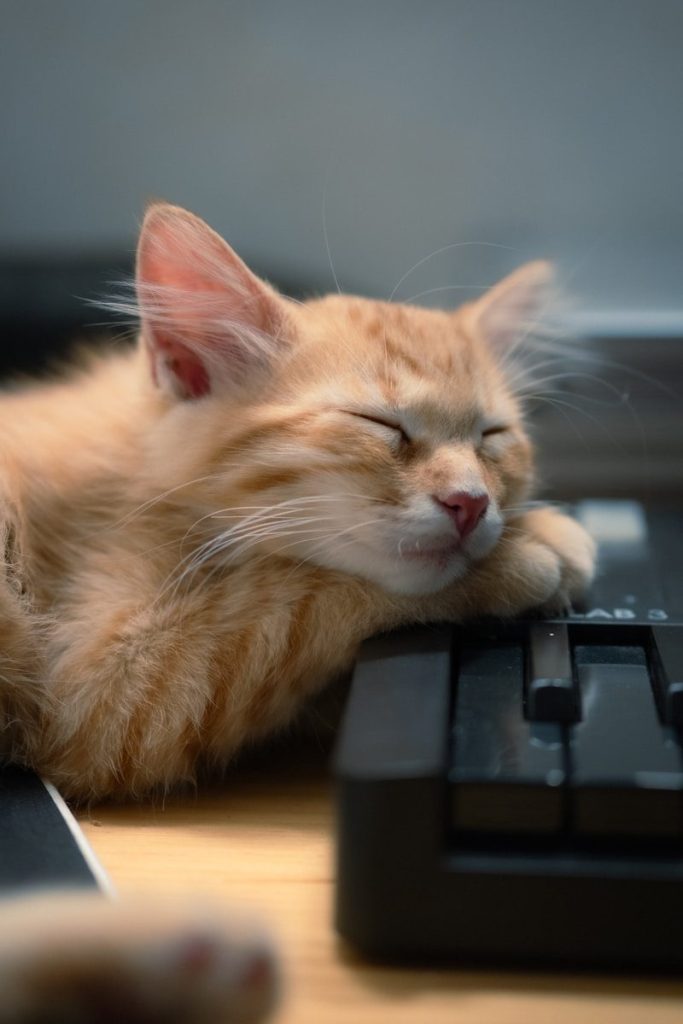
Finding a healthy giant cat requires doing extensive research first. Ethics matter most. According to guidelines from the American Association of Feline Practitioners, asking for genetic clearance certificates helps ensure your kitten will not inherit painful joint or heart conditions. This vital step protects your budget and your pet welfare. But there is one final question to ask yourself before adopting.
Welcoming Your Gentle Giant
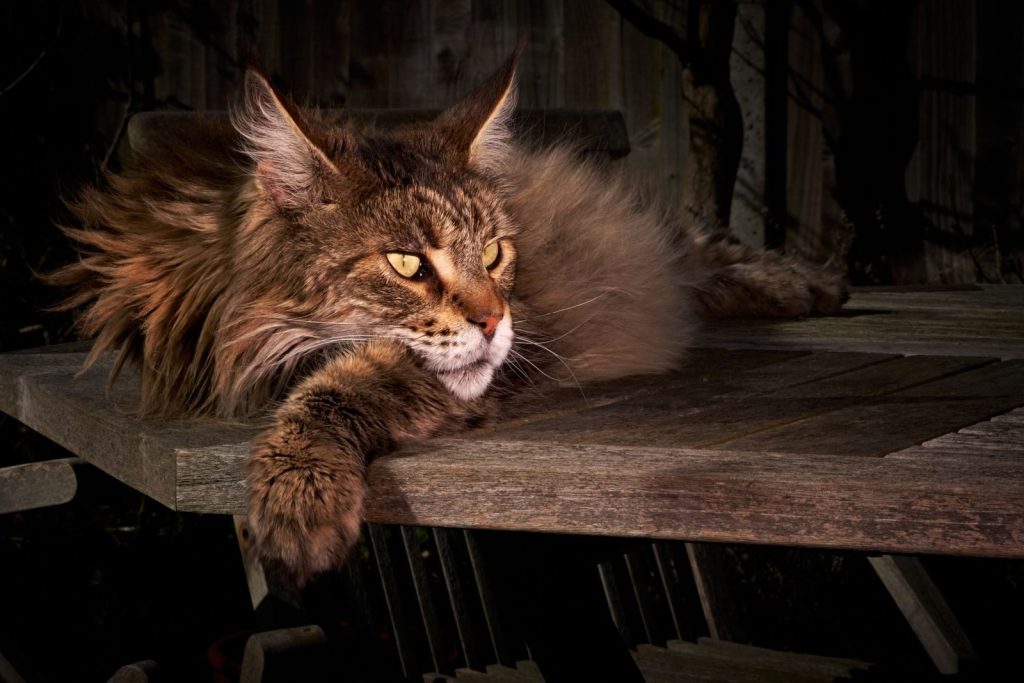
Preparing your home for a massive feline takes effort but brings endless joy. Love is worth it. According to the Cat Fanciers Association, giant breeds are famously loyal companions that form unbreakable family bonds. Enjoying their majestic presence makes every daily lifestyle change completely rewarding. This article is for informational purposes only.
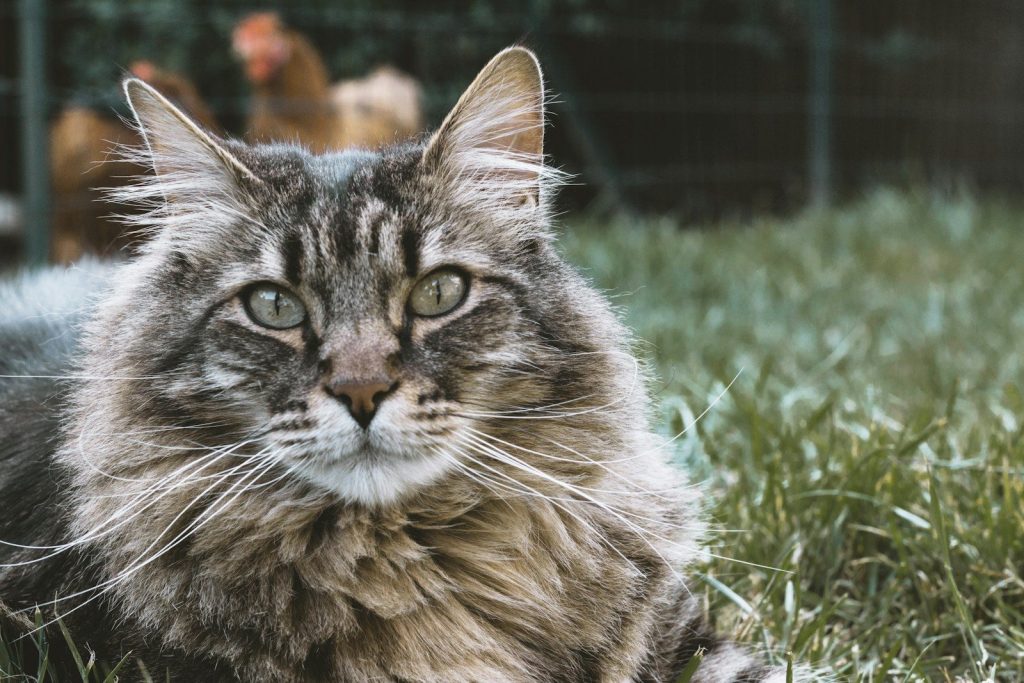
Featured Image: Photo by Elsa Noblet on Unsplash