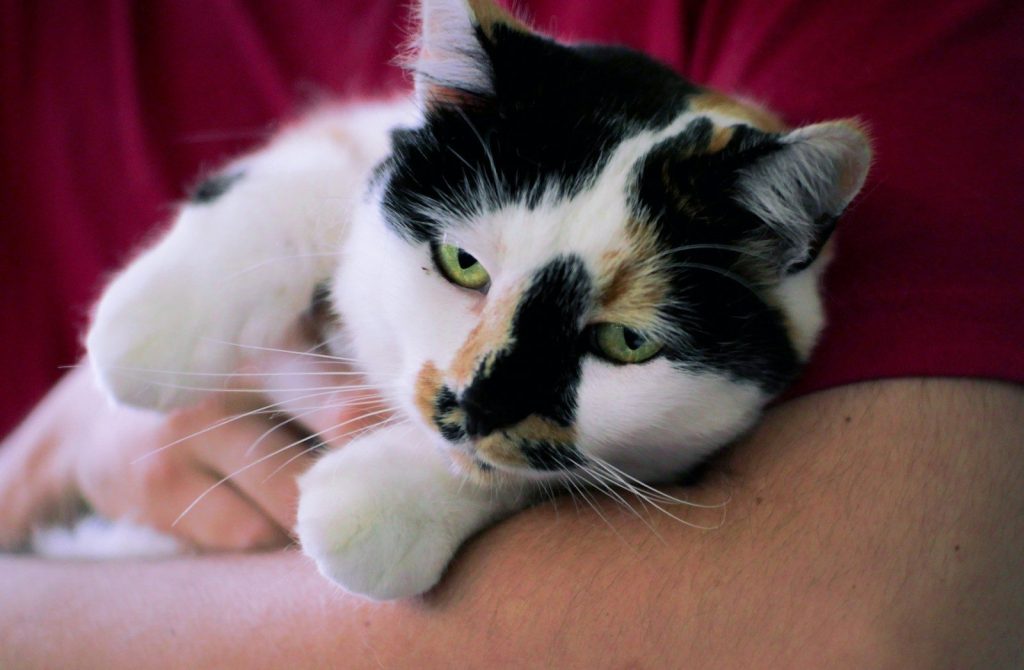

Most pet owners love relaxing with a purring cat on their lap. We assume that soft petting is always a soothing experience for our furry companions.
But a sudden gentle nip on your hand can instantly disrupt this peaceful moment. Feline behavior experts suggest this confusing action is actually a clear physical warning.
Understanding Petting-Induced Aggression
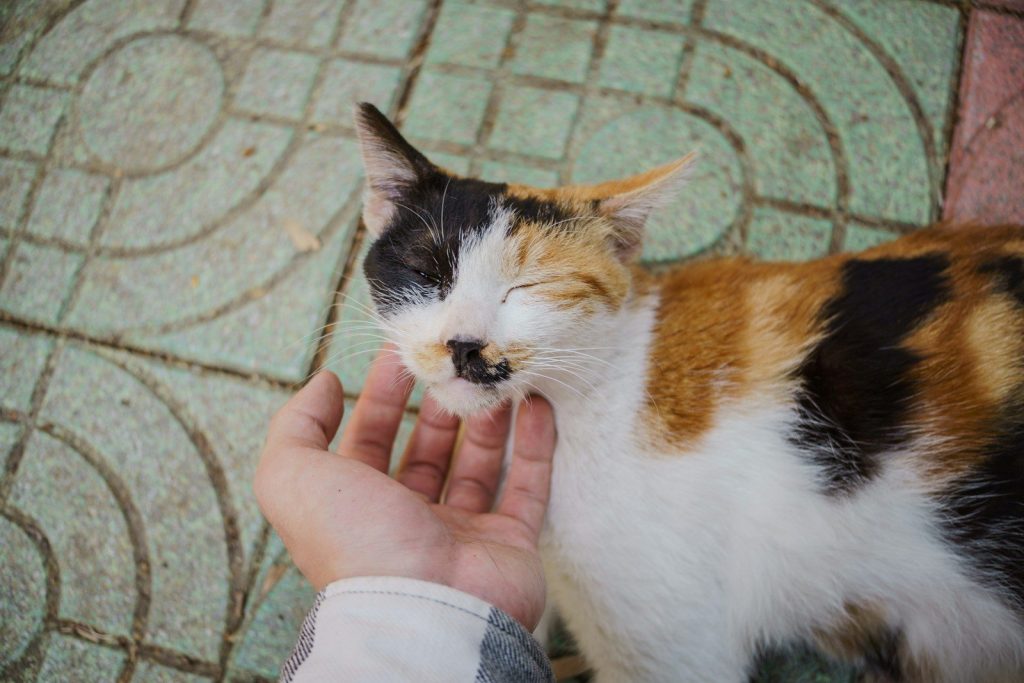
A sudden bite during a cuddling session is often called petting-induced aggression. It is common. According to behavioral studies from the Cornell Feline Health Center, this response occurs when a cat becomes overstimulated by repetitive touch. What starts as a pleasant sensation can quickly turn uncomfortable for their sensitive nervous systems. But your cat will always give subtle signs before they strike.
Watching The Twitching Tail

Paying close attention to your pet’s tail is the easiest way to read their mood. Movement is key. According to training guides from the ASPCA, a twitching or thumping tail indicates rising frustration or stress. If you notice their tail whipping back and forth, it is time to stop petting immediately. But there is another physical clue hidden in their ears.
Monitoring The Airplane Ears
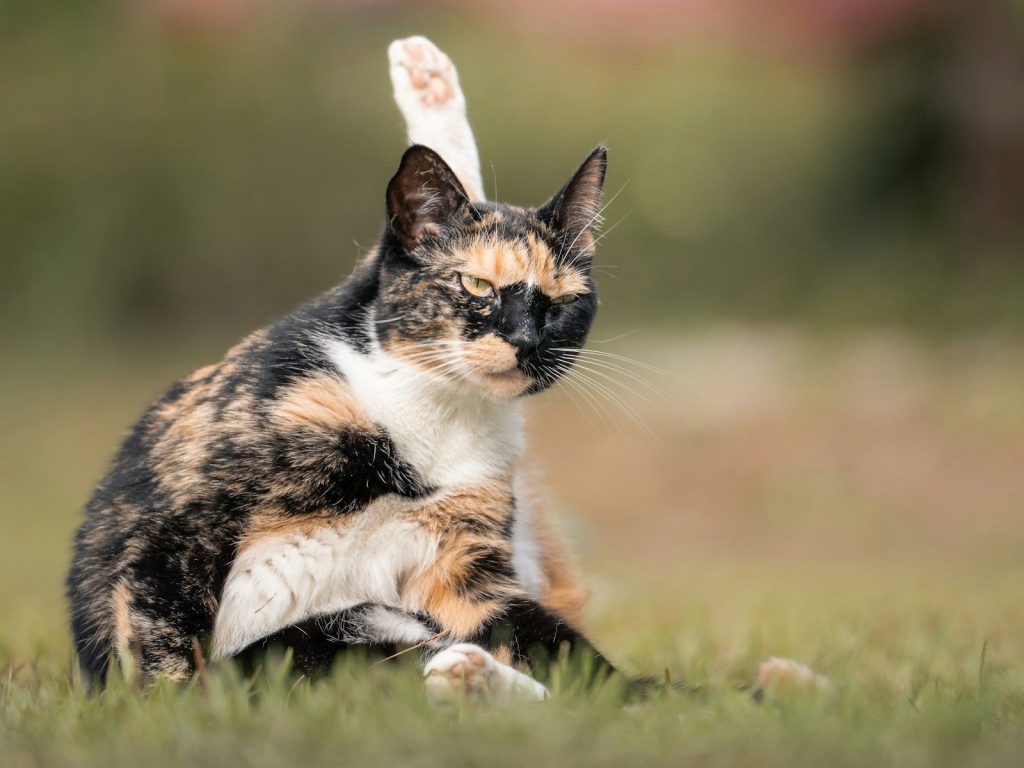
Felines will often rotate their ears backward or flatten them when they are feeling upset. Observe them closely. According to veterinary guidelines from the San Diego Humane Society, flattened ears are a clear warning that your pet has reached their limit. Continuing to pet them during this stage will almost certainly lead to a bite. But their skin can also reveal their stress level.
Spotting Quick Skin Ripples
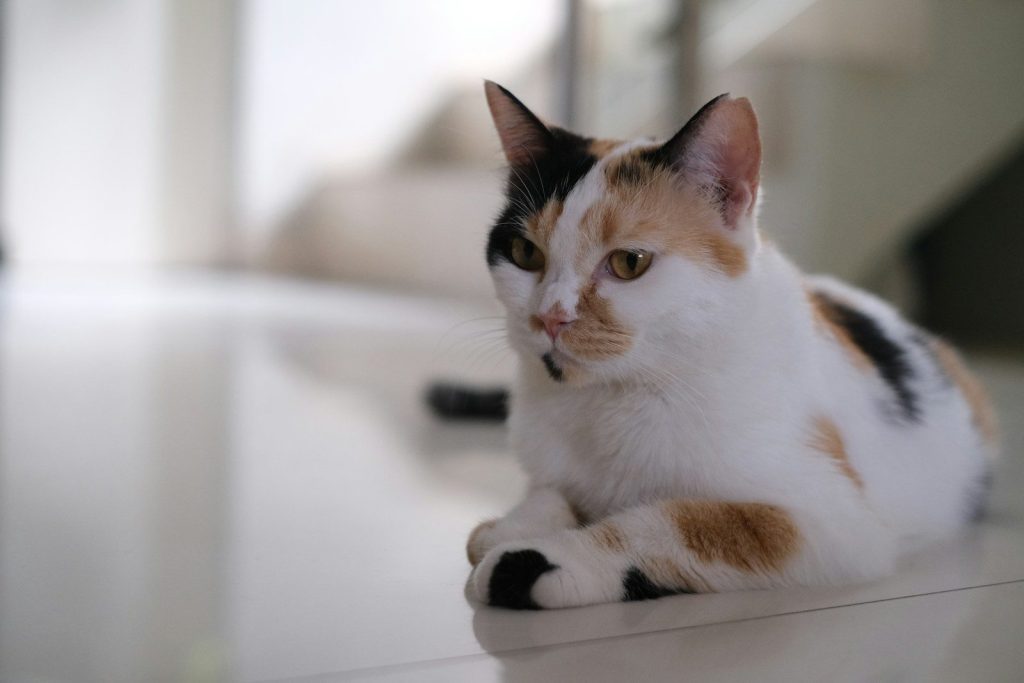
You might notice the fur on your cat’s back twitching or rippling during a grooming session. Tension is rising. According to physical wellness reports from the American Veterinary Medical Association, skin rippling is a reflex caused by sensory overload. It is a sign that their nerves are firing too quickly from the physical contact. But where you choose to pet them also matters.
Respecting Sensitive Body Zones
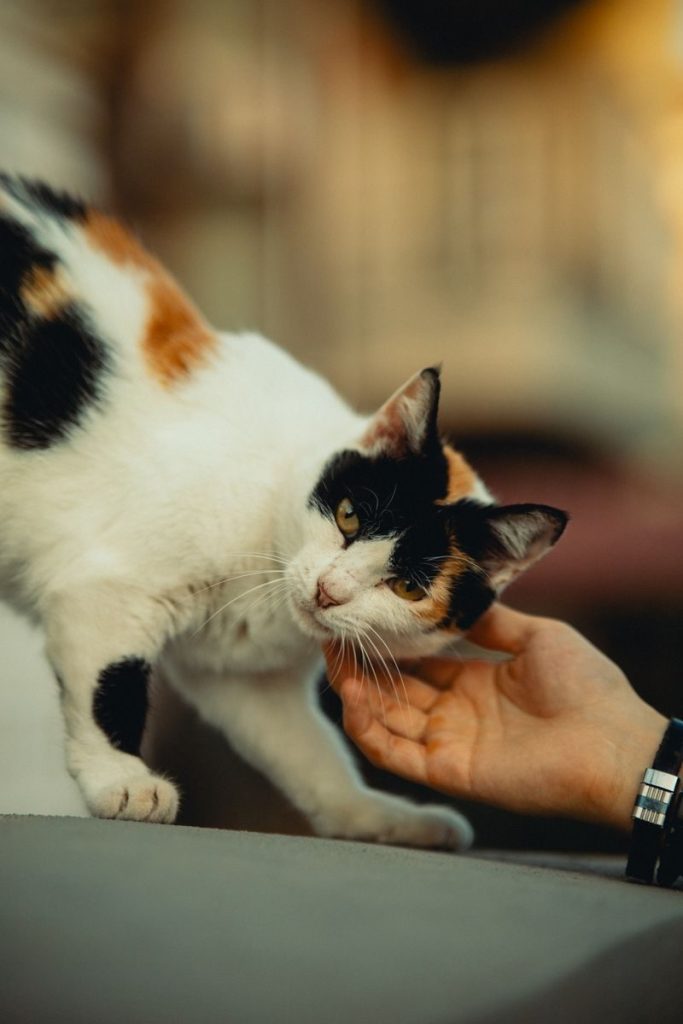
Most cats dislike being touched on their bellies, legs, or near the base of their tails. Keep to safe spots. According to behavior research from Oregon State University, the chin, cheeks, and forehead are the best places for soothing strokes. Petting these scent gland areas releases calming pheromones that help your pet relax during cuddles. But training yourself to stop early is the ultimate secret.
Keeping Sessions Short
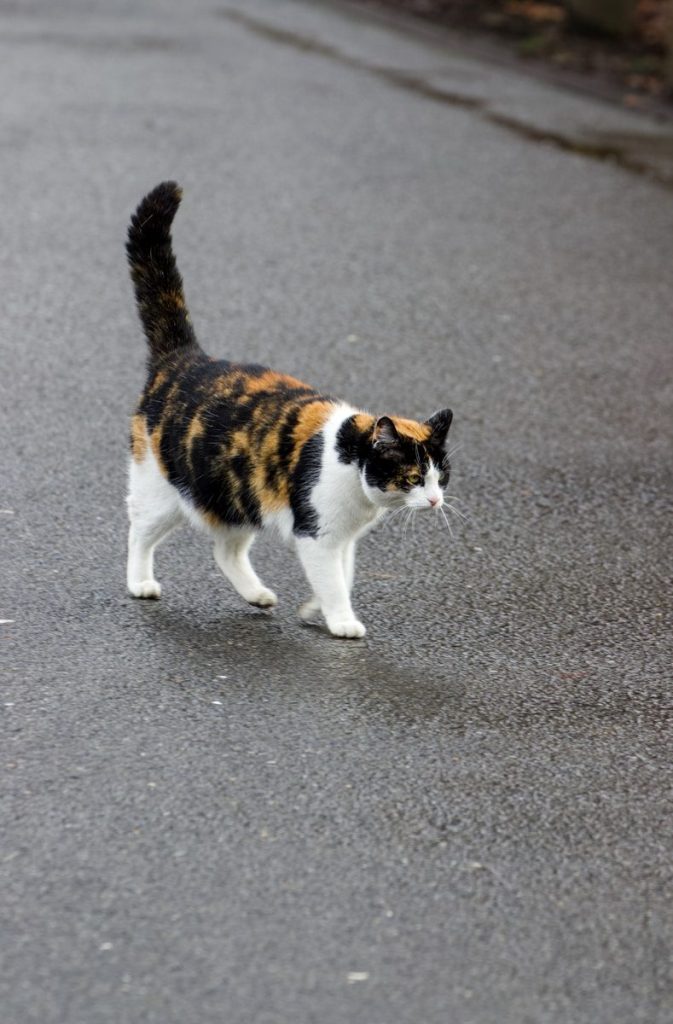
Ending a petting session before your cat gets irritated is the best way to prevent aggression. Timing is everything. According to training guides from the American Association of Feline Practitioners, keeping physical interactions brief and positive builds long-term trust. You should always let your pet walk away whenever they want a break. But building a peaceful bond requires a small amount of daily patience.
Enjoying Gentle Happy Cuddles
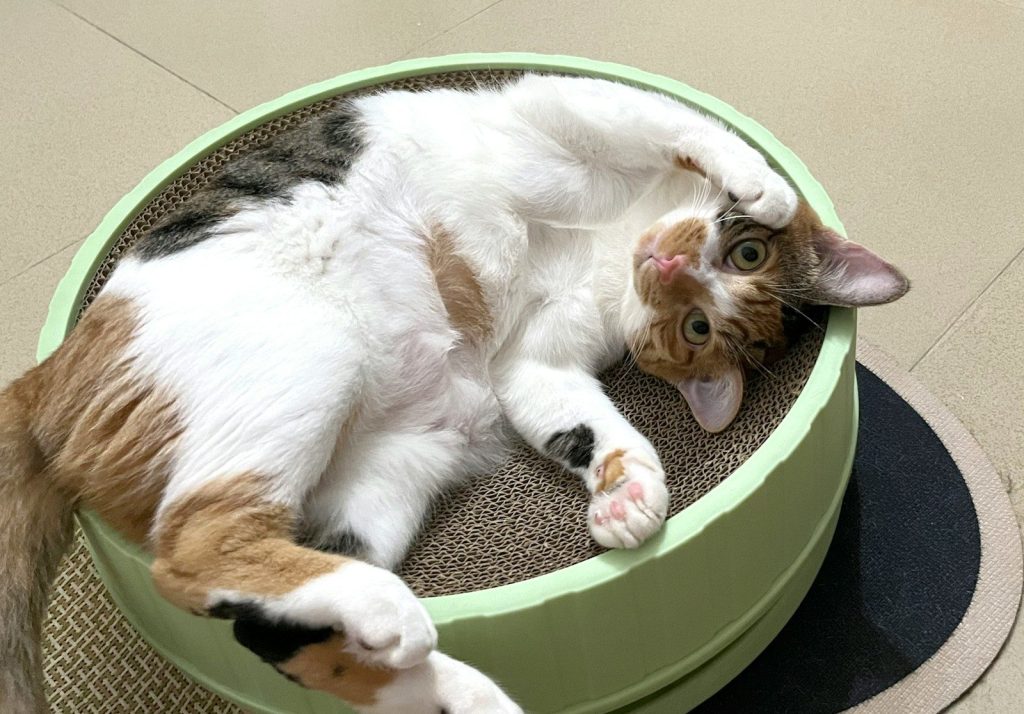
Learning to read your pet’s subtle body language makes every petting session safe and enjoyable. Trust is key. According to guidelines from the American Veterinary Medical Association, respecting feline physical boundaries creates a much happier and more secure relationship. Enjoy these peaceful moments of connection with your wonderful feline companion. This article is for informational purposes only.
Featured Image: Photo by Nina Jašarević on Unsplash