

Many cat owners accept sleepless nights as a normal part of living with a feline. They expect their pets to run wild through the hallways at midnight.
But pet training experts suggest this behavior is entirely preventable. With a few simple schedule adjustments, you can easily enjoy a peaceful night of rest.
The Midday Nap Trap

Indoor cats often spend their quiet daylight hours sleeping while their owners are away. They accumulate deep energy. According to behavior guides from Oregon State University, a lack of daytime stimulation is the primary cause of nighttime play sessions. They get bored. But solving this issue requires changing how we engage them before the sun sets.
Designing Active Play Routines
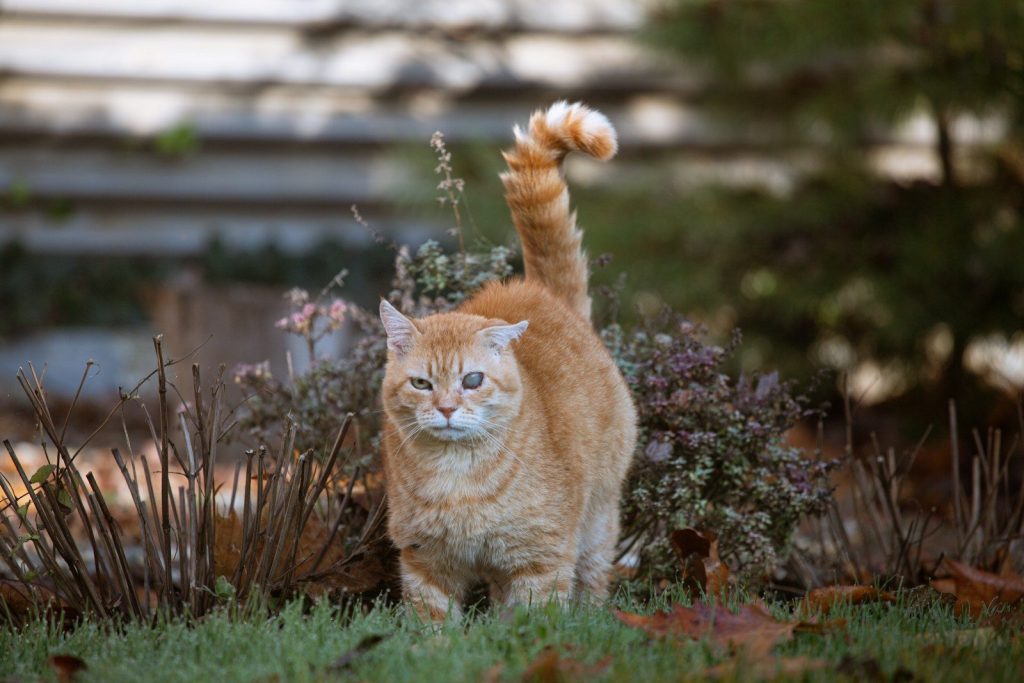
Implementing a structured play session in the early evening helps mimic natural feline hunting cycles. Consistency is highly important. According to pet training reports from the ASPCA, using interactive wand toys for fifteen minutes drains their physical reserves. They love the chase. But physical exercise is only the first step in preparing them for sleep.
Adjusting Late Meal Times

Feeding your cat a hearty meal immediately after their evening play session triggers their natural digestion cycle. Food brings deep rest. According to nutritional guidelines from the Journal of Feline Medicine and Surgery, domestic carnivores naturally groom and sleep after eating. They feel fully satisfied. But managing their environment during the night is just as critical as training.
Creating Quiet Sleep Zones
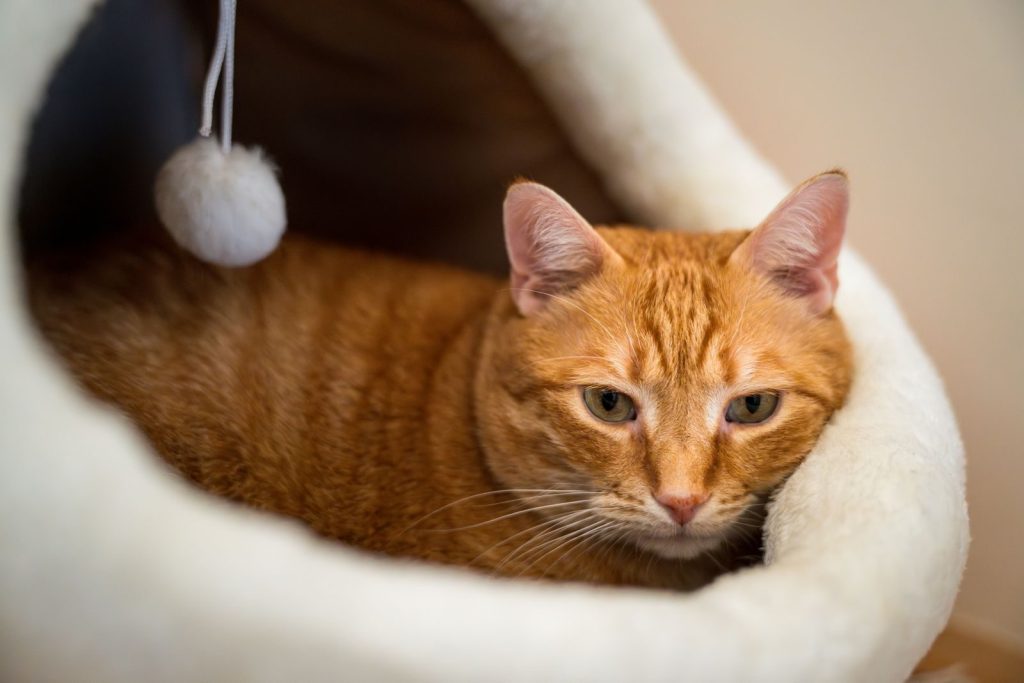
Restricting access to certain rooms at night can help establish clear household boundaries. Space management works wonders. According to home training guidelines from the San Diego Humane Society, cats adapt quickly to closed doors if they have alternative cozy spaces. They appreciate warm beds. But we must also address what we leave out for them to find.
Storing Active Toys Away

Leaving noisy toys on the floor at night invites your cat to hunt while you sleep. Keep rooms clear. According to behavioral safety reports from the American Veterinary Medical Association, storing rolling balls and crinkle toys before bed reduces midnight distractions. They settle down faster. But some owners accidentally reward the bad behavior without realizing it.
Ignoring Midnight Crying

Getting out of bed to feed or comfort a crying cat teaches them that noise equals attention. Silence is your strength. According to training guides from the Cornell Feline Health Center, responding to midnight meows reinforces the disruptive habit. They learn your patterns. But there is another gentle trick to help them feel secure through the dark hours.
Offering Warm Vertical Perches
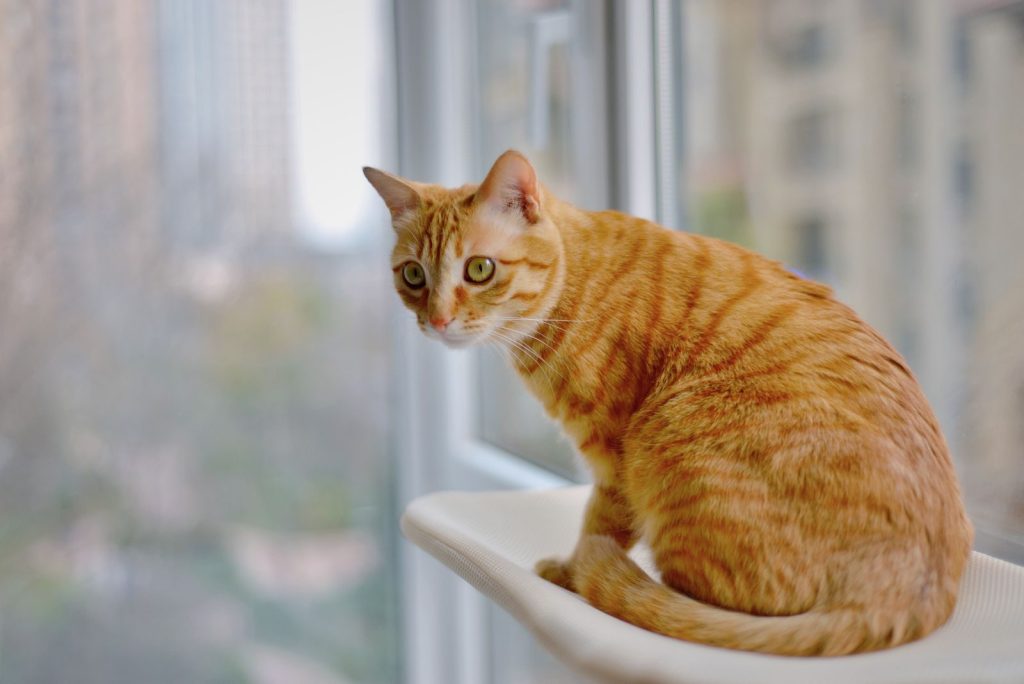
Placing a cozy cat tree near a window allows them to watch the quiet outdoor world safely. Cats love high spaces. According to environmental studies from the American Association of Feline Practitioners, secure perches lower stress levels and promote independent rest. They stay relaxed. But consistency remains the absolute key to making these changes stick.
Reclaiming Your Quiet Nights
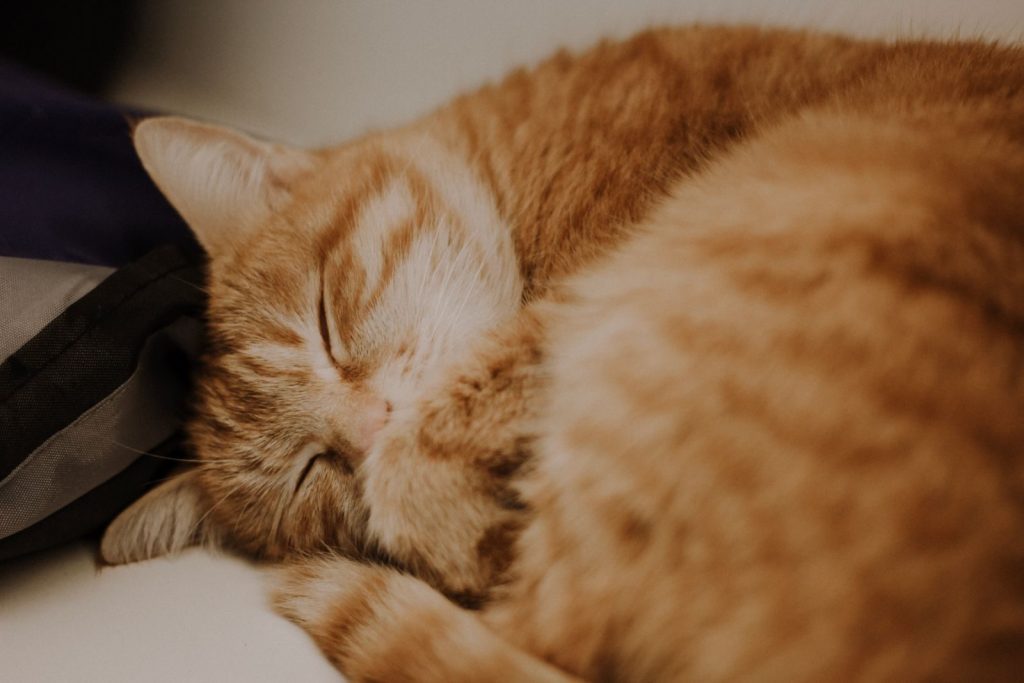
Transforming your cat’s nighttime routine takes patience and a steady daily schedule. With gentle training and active evening play, you can help your pet adopt healthy habits. Soon both of you will enjoy long restorative sleep. This article is for informational purposes only and does not constitute veterinary advice.
Featured Image: Photo by MEHMET KAYNAR on Pexels