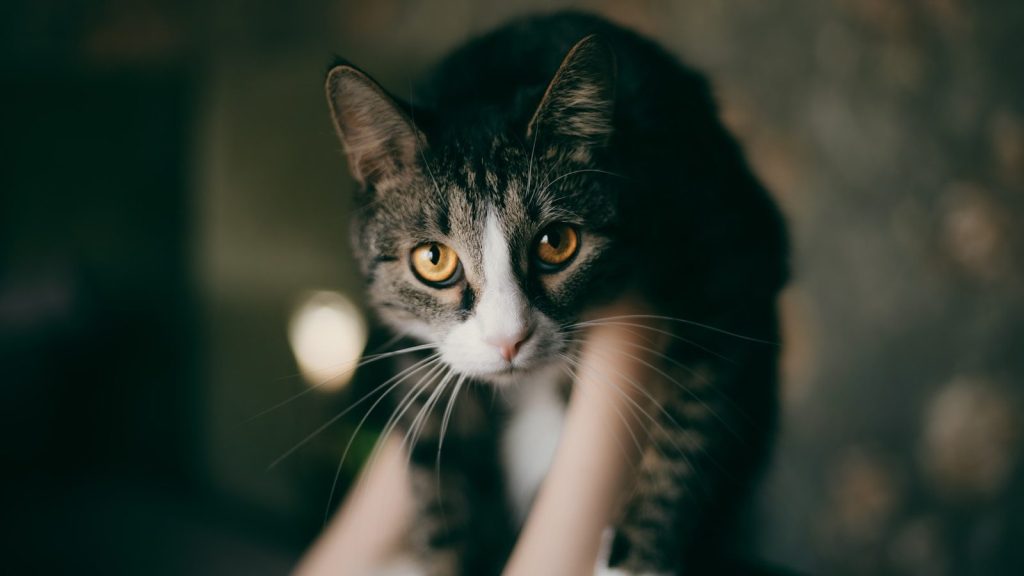

Many pet owners believe that cats are highly independent and aloof creatures. We assume they only tolerate our presence for food.
But scientific research reveals that felines form deep emotional bonds with humans. These hidden signs of affection show exactly how they feel.
The Persistent Shadow Effect
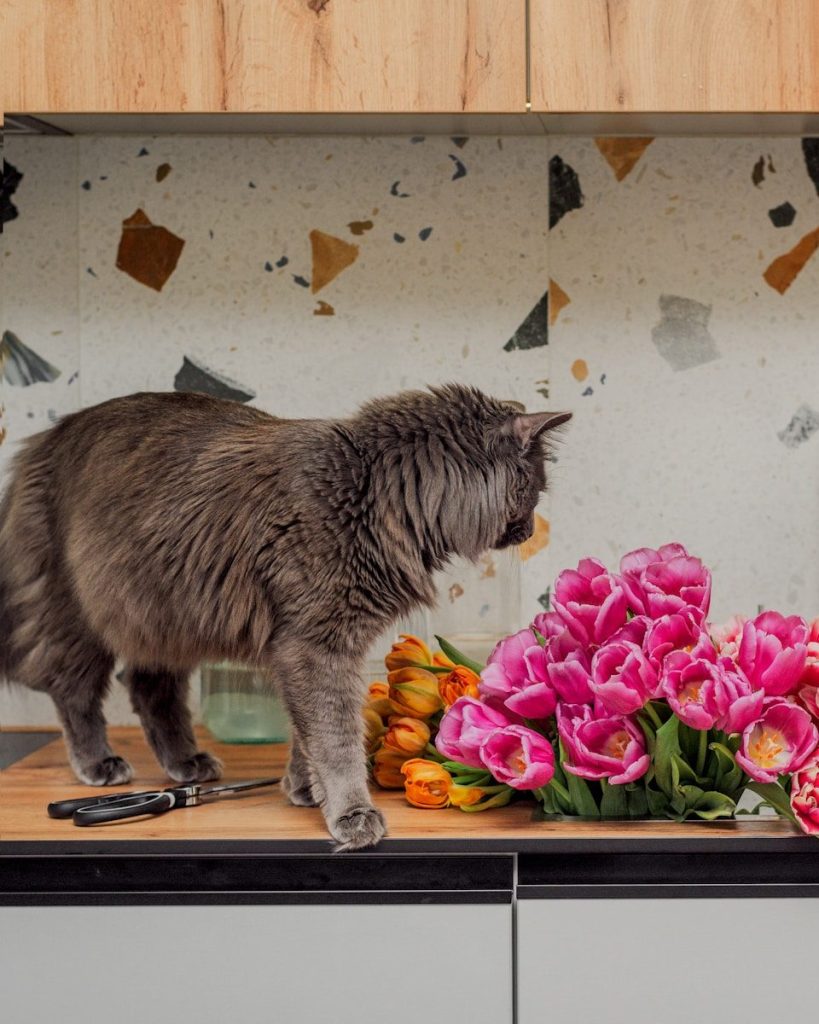
Your cat might follow you into the kitchen or bathroom every single morning. It looks annoying. But this constant shadowing is actually a major sign of trust. They want to be close. According to the American Veterinary Medical Association, cats stay close to their favorite humans to feel secure. This close contact helps ease their daily anxiety, but they also communicate through their eyes.
The Gentle Slow Blink Smile
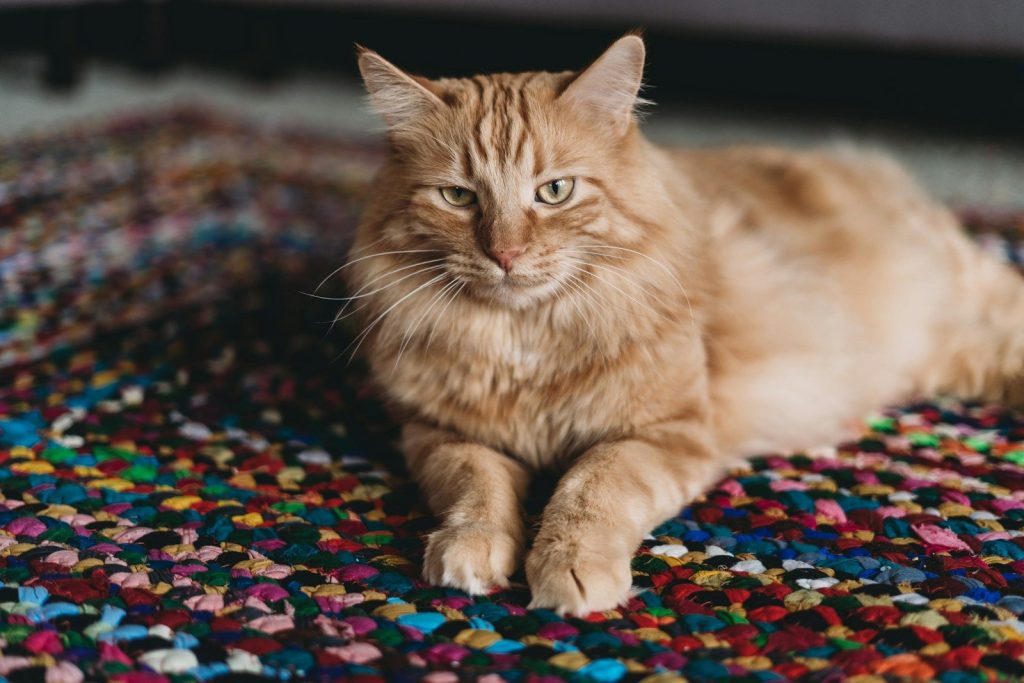
A cat staring blankly before slowly closing and opening their eyes is expressing pure happiness. It is a silent smile. According to a study by the University of Sussex, this slow blink is a powerful trust builder between species. They feel safe. This gentle visual contact shows they are completely vulnerable and relaxed around you, but their sleeping spots hold another secret.
Stealing Your Warm Cushion
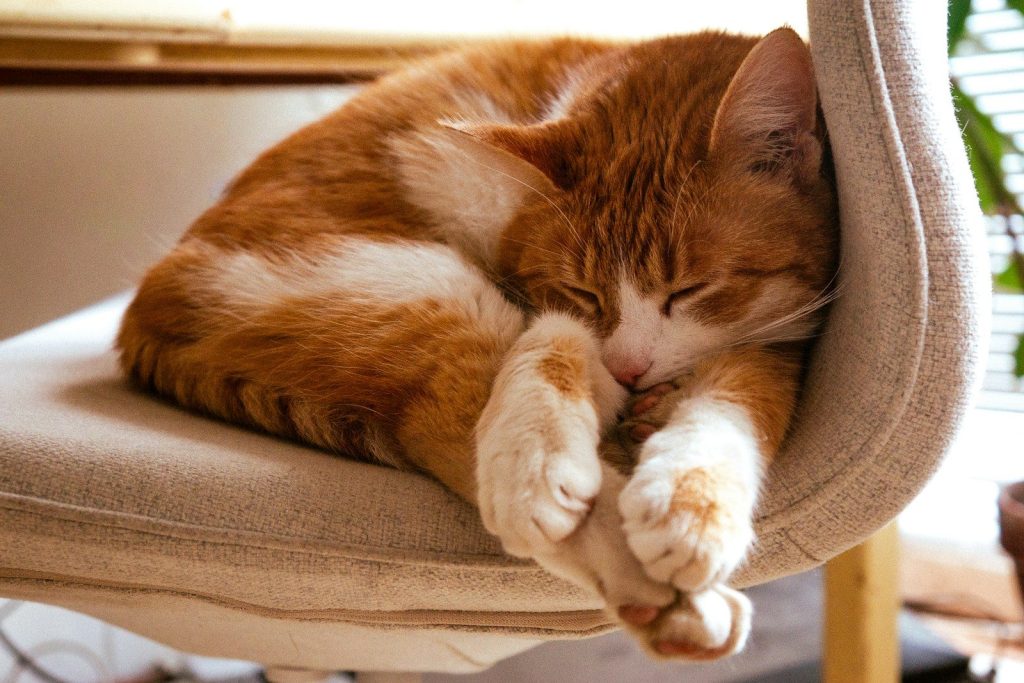
The moment you stand up, your cat will likely claim your warm chair. They want your scent. According to reports from the Humane Society, nesting in your spot reduces their daily separation anxiety. This keeps them connected. They want to feel your comforting presence even when you are gone, but they also use physical touch to claim you.
Rubbing Cheeks Against You
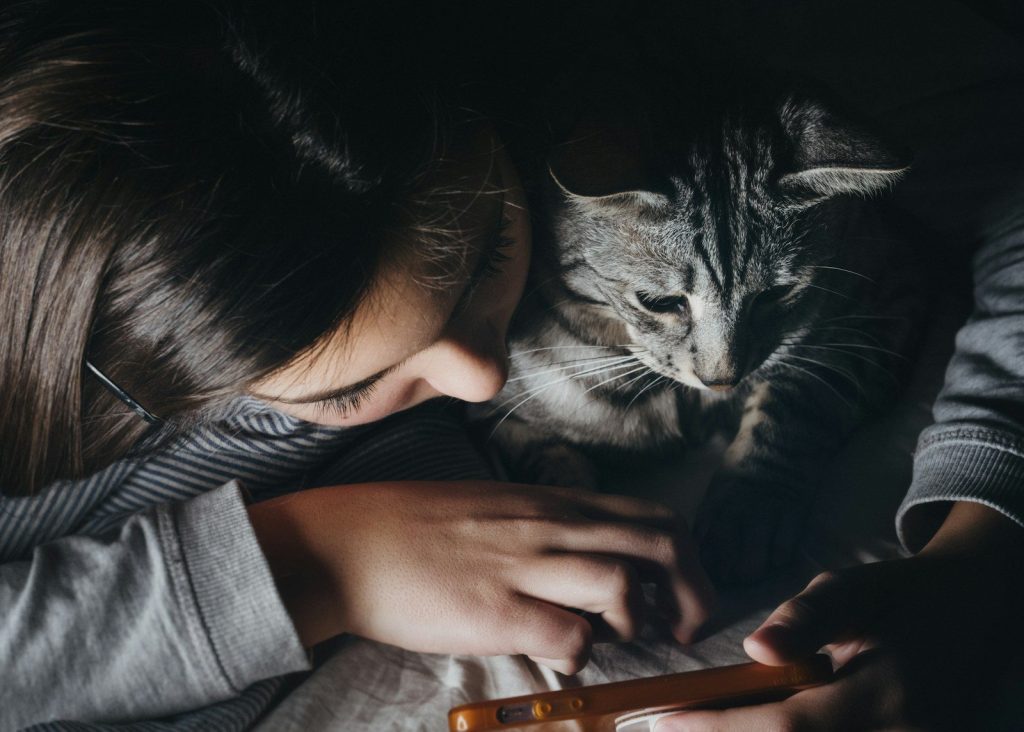
Felines love to rub their cheeks and chins against your hands or phone. They are bunting. According to reports from the Cornell Feline Health Center, cats have specialized scent glands in their faces that deposit happy pheromones on you. This claims you as family. The familiar scent officially labels you as safe territory, but another common habit can look almost like an attack.
The Rhythmic Paw Massage
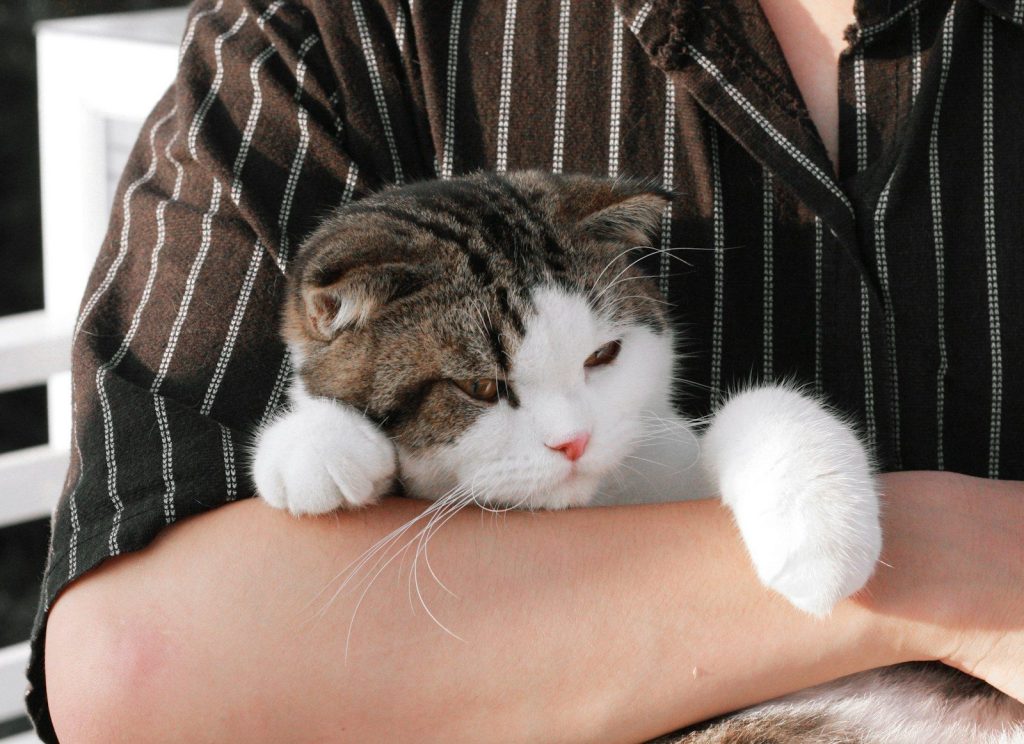
Kneading your lap with their paws is a highly relaxing activity for felines. They often purr loudly. According to leading veterinary behaviorists, this behavior stems from early kittenhood nursing with their mothers. They view you as parents. This rhythmic massage keeps them feeling safe, but another common habit can show their protective side.
Showing You Their Belly
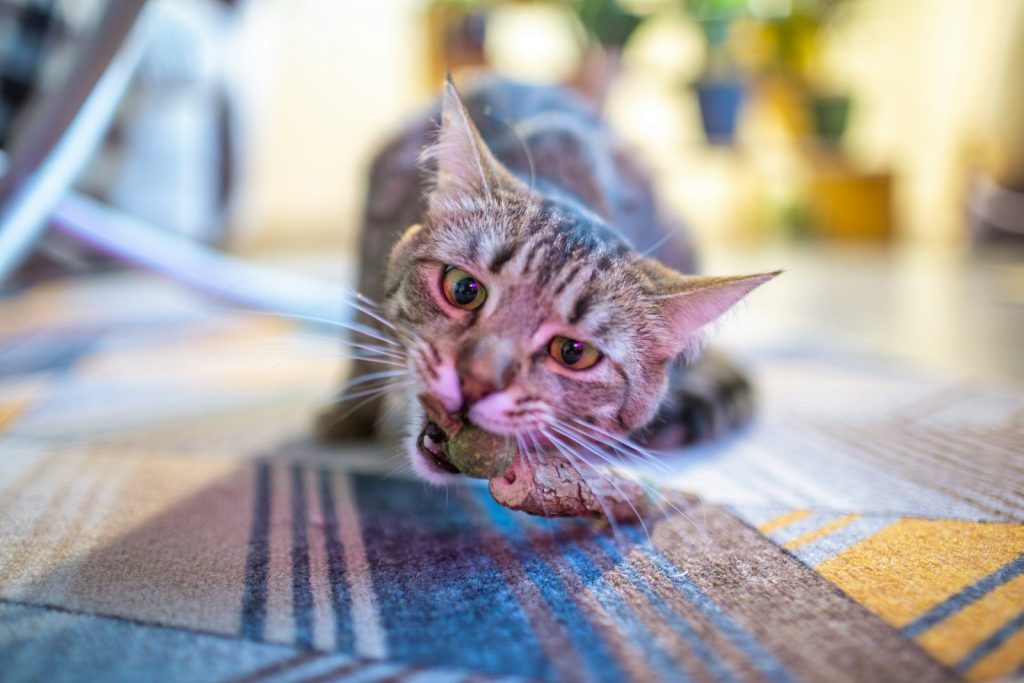
Rolling over to display their soft stomach is a major sign of trust, not an invitation for scratches. They feel safe. They are telling you that they feel perfectly secure in your home environment. This is a massive compliment. According to reports from the veterinary community, touching the belly can trigger a defensive swipe, but they also communicate using unique sounds.
Happy Chirps And Trills
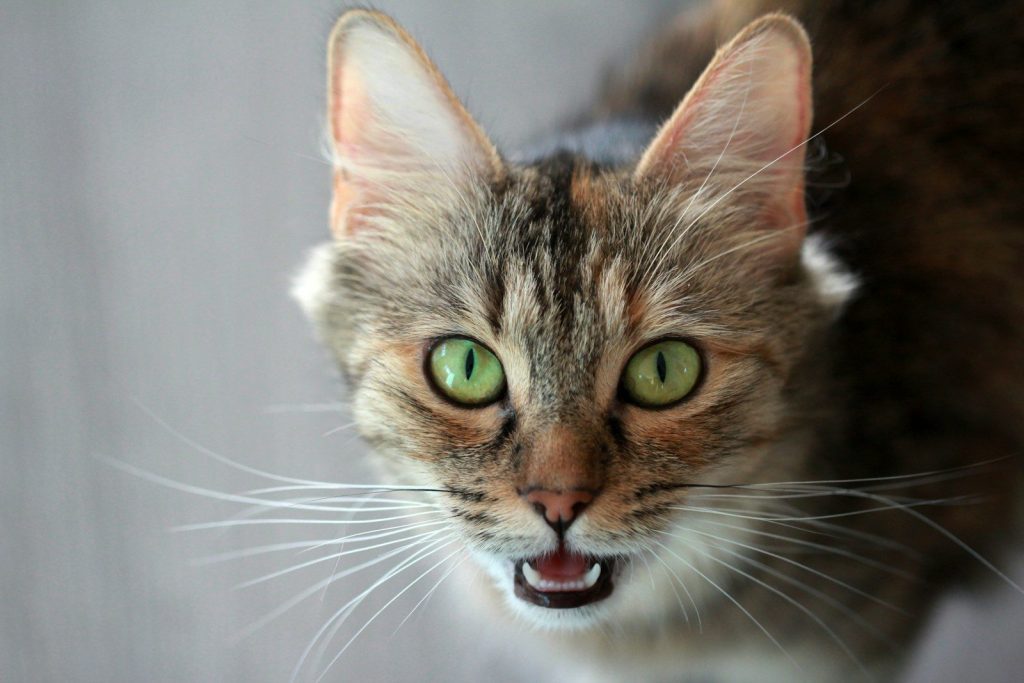
While a loud meow can mean hunger, soft chirps and trills are pure expressions of joy. They want to talk. They use these light vocalizations to greet their favorite humans. It is a beautiful sound. According to canine and feline communication guides, these sounds show a strong desire to interact, but the final sign is often missed completely.
The Quiet Sleep Guard
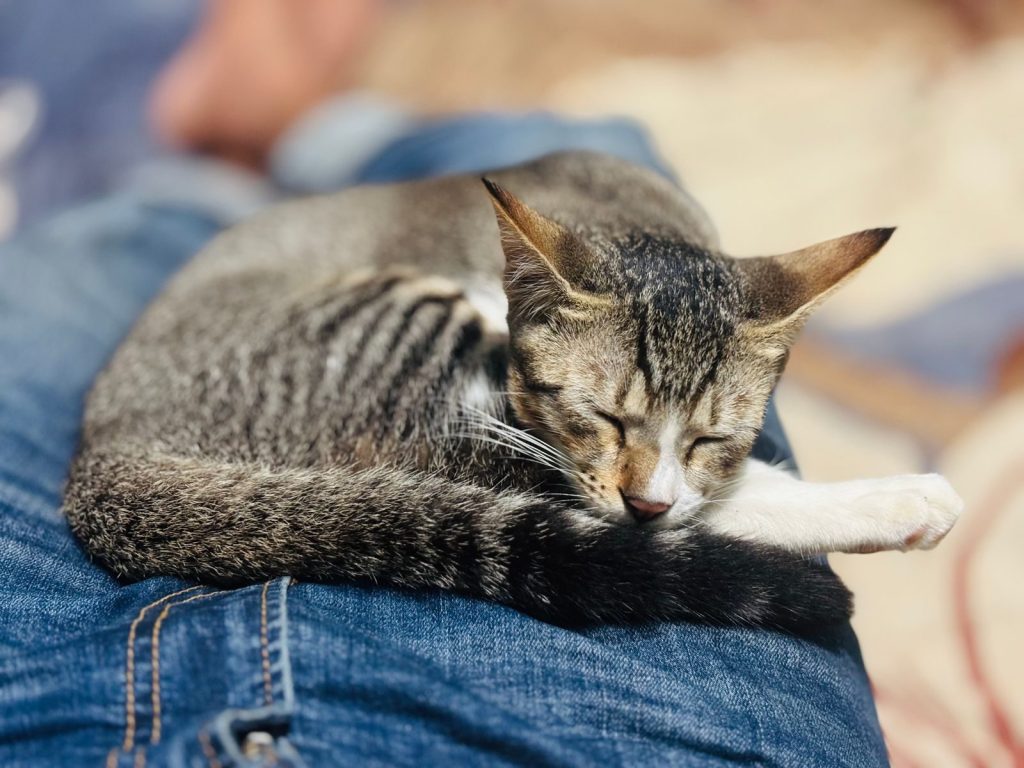
Sleeping curled up right against your feet or back shows they are completely content. They trust you. According to reports from the American Veterinary Medical Association, cats are most vulnerable when they sleep. They choose you as security. Always consult your family veterinarian if you notice sudden changes in your pet’s daily behaviors. This article is for informational purposes only.
Featured Image: Photo by Daniil Smirnov on Unsplash