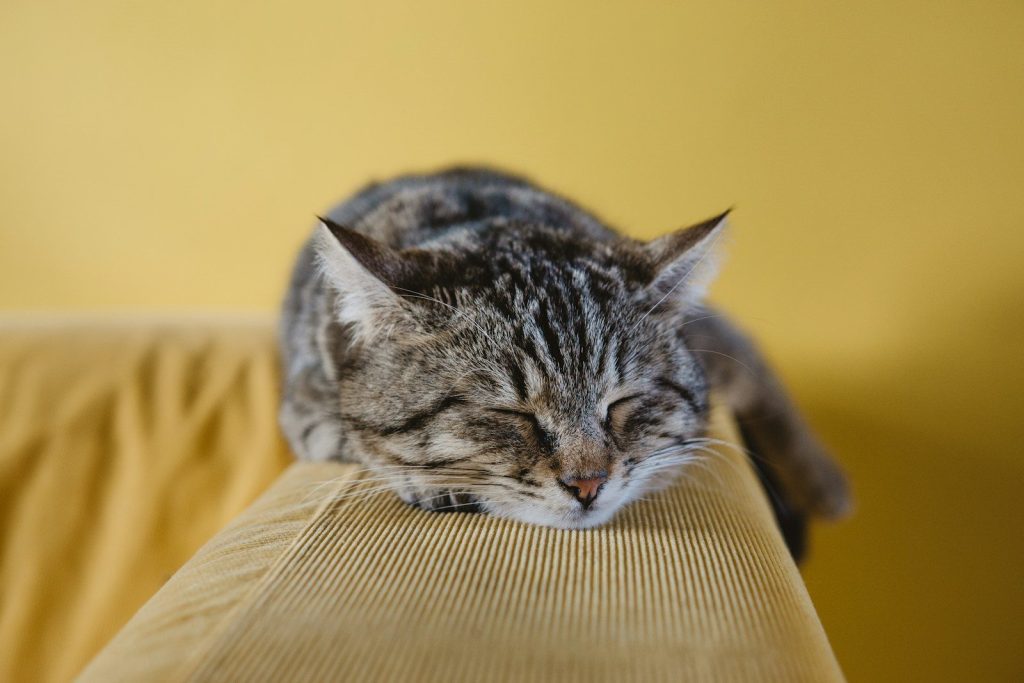

Watching a tiny kitten stand up to a massive adult cat can be highly entertaining. We often expect the older cat to dominate the household.
But baby felines are surprisingly bold and will frequently launch dramatic play attacks on their larger companions. This funny behavior serves a vital purpose.
The Goofy Play Standoff
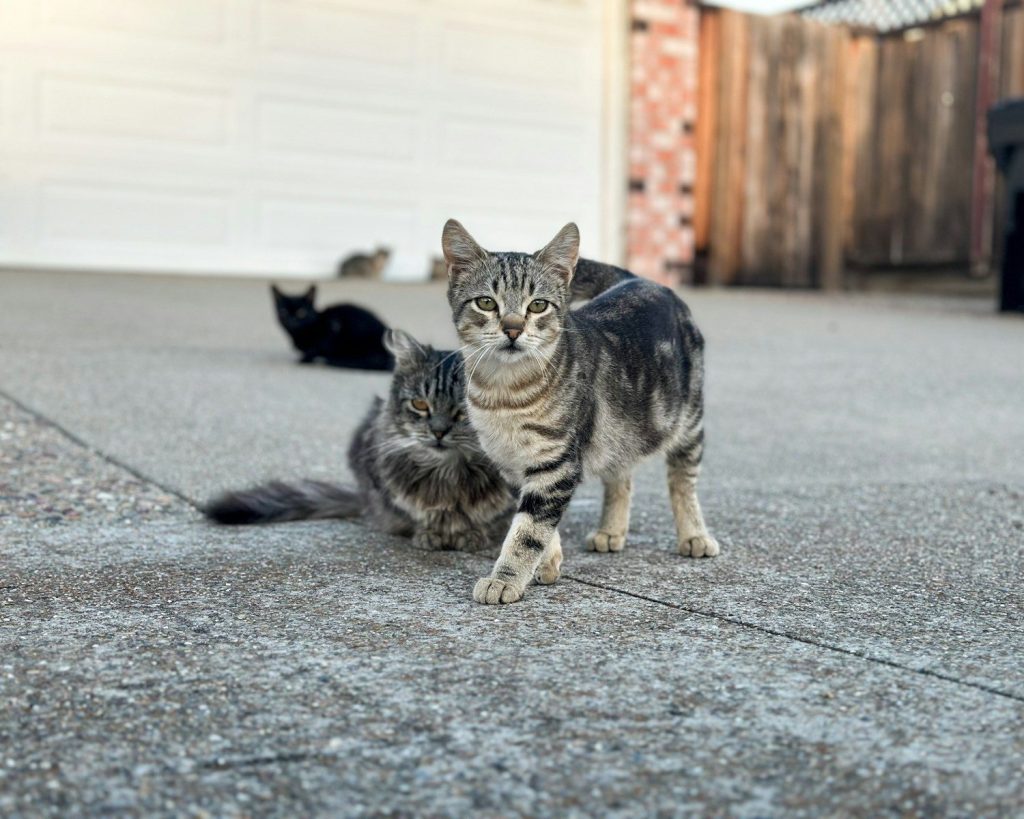
A viral video of a tiny kitten wiggling her hips and pouncing on a giant sleeping cat has captured millions of views. She looked completely serious. The older cat simply watched her with a highly confused expression. This lopsided play is common, leaving many pet owners wondering why kittens are so fearless. The answer lies in their biology.
Practicing Vital Hunting Drives
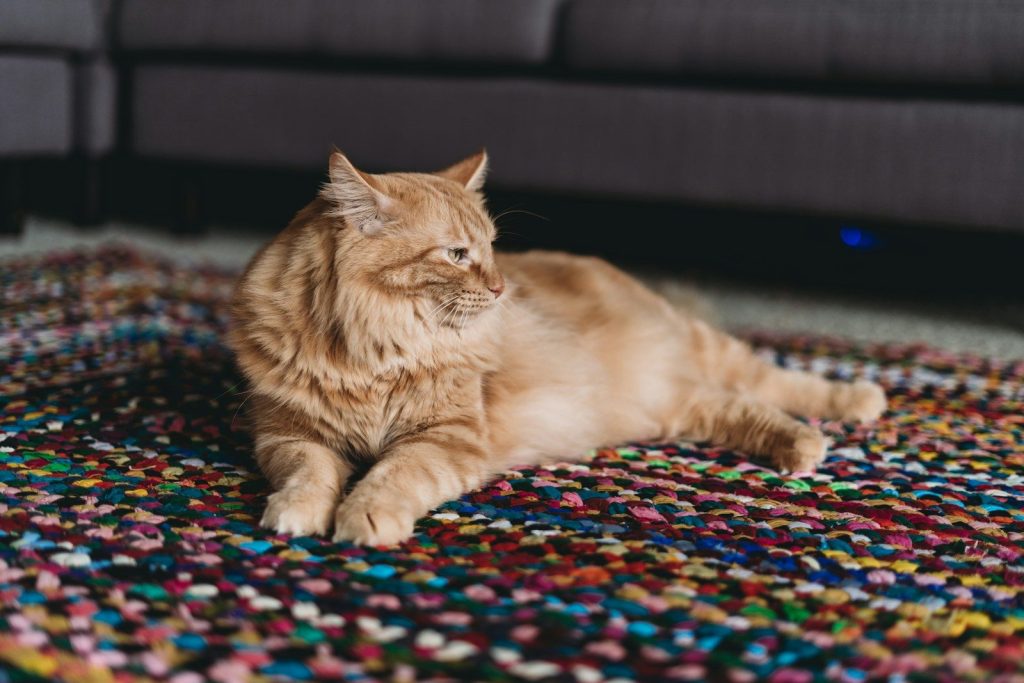
Young felines possess an incredibly high hunting drive that requires daily physical outlets. They must practice. According to the Cornell Feline Health Center, play helps kittens develop coordinated muscle movements and balance. They view the older cat’s moving tail as the ultimate training target. This active practice builds their strength, but they also learn social limits.
Learning Essential Feline Manners
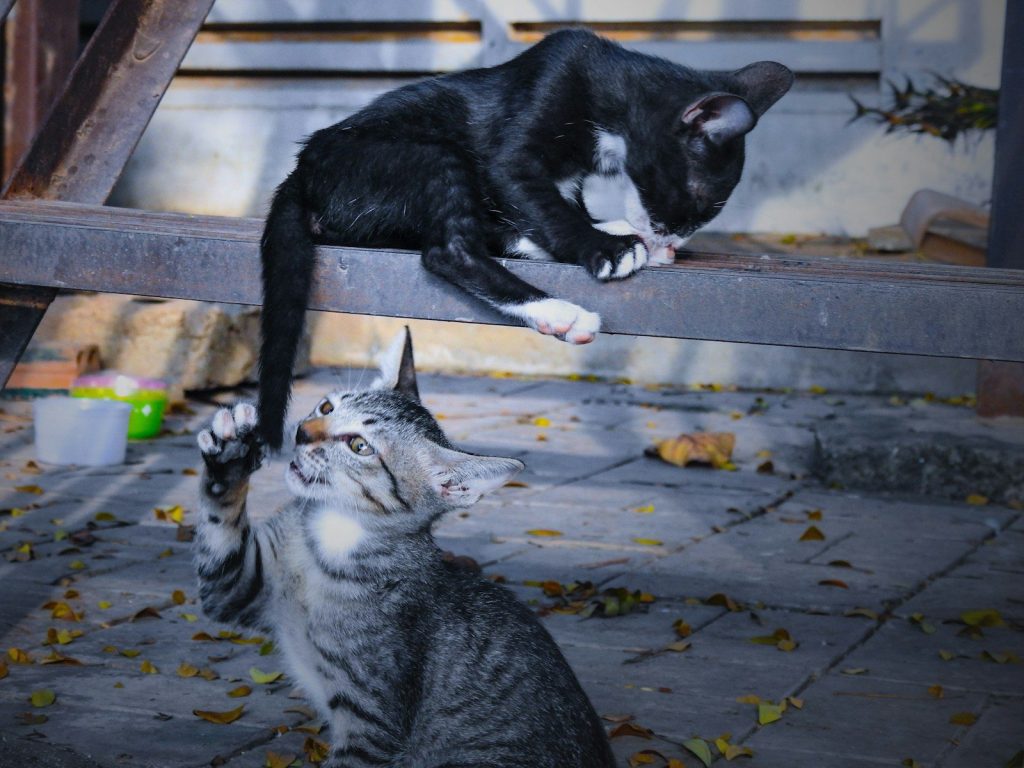
Older cats play a critical role in teaching energetic kittens how to behave properly. They set boundaries. When a kitten plays too roughly, the adult cat will deliver a gentle swat or a soft hiss to pause the game. According to the American Veterinary Medical Association, this social feedback is vital. But you must still manage their games.
Creating Safe High Zones
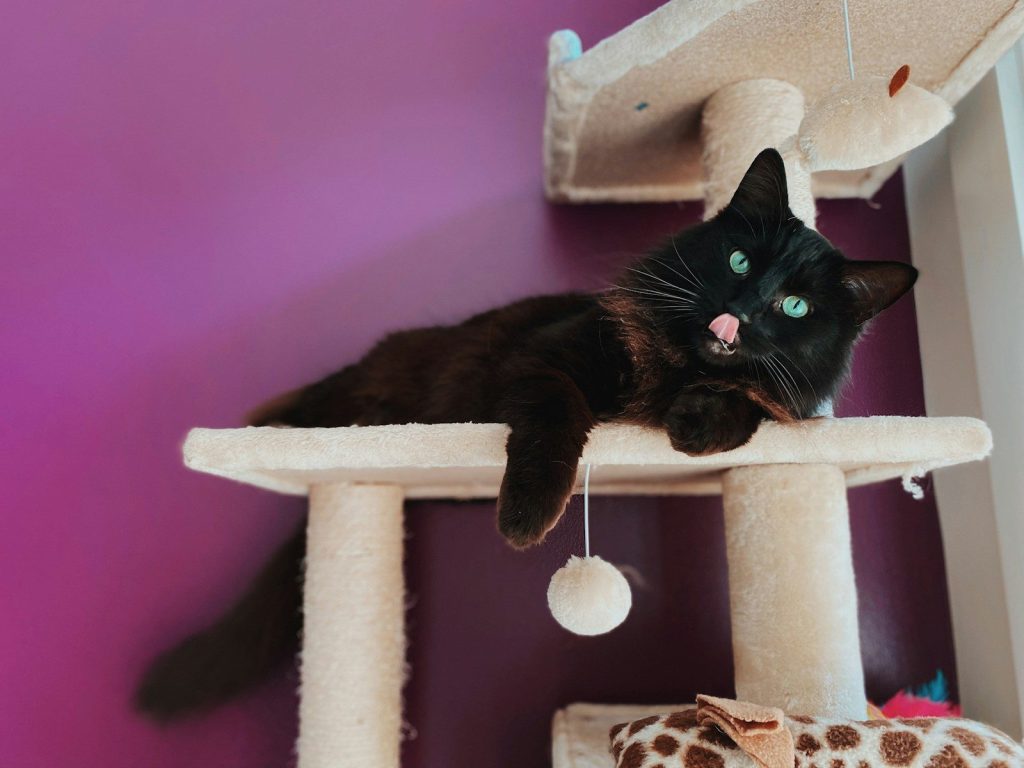
Adult cats need private, quiet spaces where energetic kittens cannot easily reach them. Set up tall cat trees. According to reports from the Humane Society, vertical spaces help older cats escape constant play when they get tired. This simple boundary prevents frustration and keeps the household peaceful. But you can also help redirect their energy.
Redirecting Play with Wands
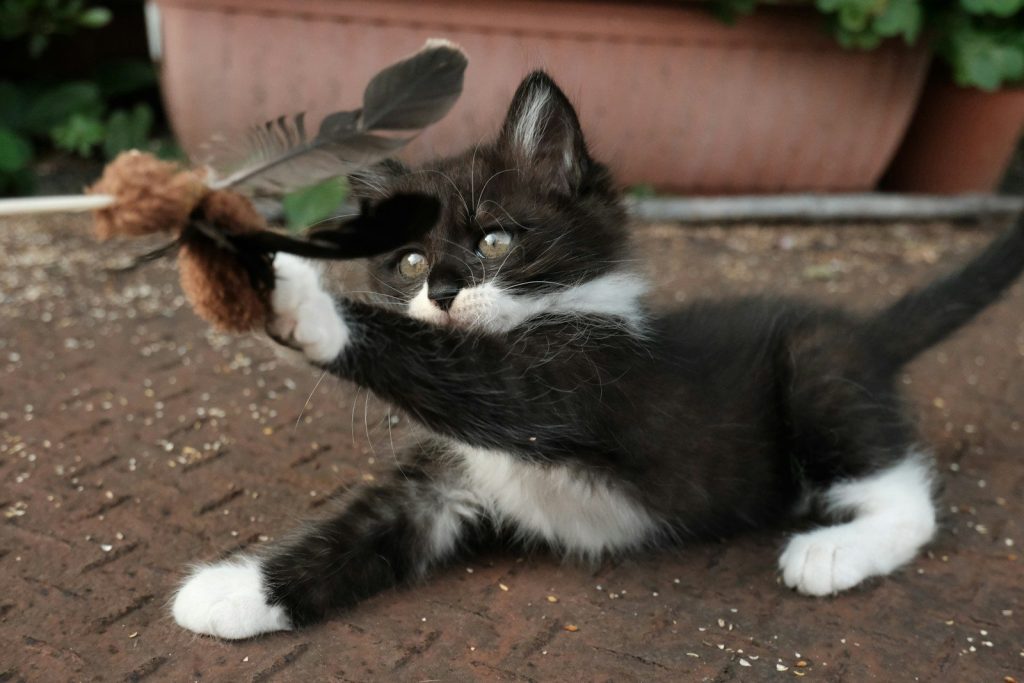
Spend ten minutes twice a day playing with your kitten using an interactive feather wand. This burns energy. A tired kitten is much less likely to pounce on a sleeping older companion during the night. According to reports from the ASPCA, structured playtime reduces behavioral issues. This active routine keeps everyone happy, but safety checks are still required.
Supervising Their Play Sessions

Always monitor early play sessions between kittens and large cats to ensure everyone remains safe. Size differences matter. A sudden, quick movement can trigger a larger cat’s defensive instincts. According to clinical veterinary guidelines, close supervision protects both pets as their friendship slowly grows. Fortunately, most sibling battles are completely harmless.
A Peaceful Balanced Household

With patient training and plenty of toys, your cats will learn to live together in complete harmony. They will thrive. Your home will remain a warm, quiet sanctuary of shared purrs and happy daily play.
Featured Image: Photo by Sabri Tuzcu on Unsplash