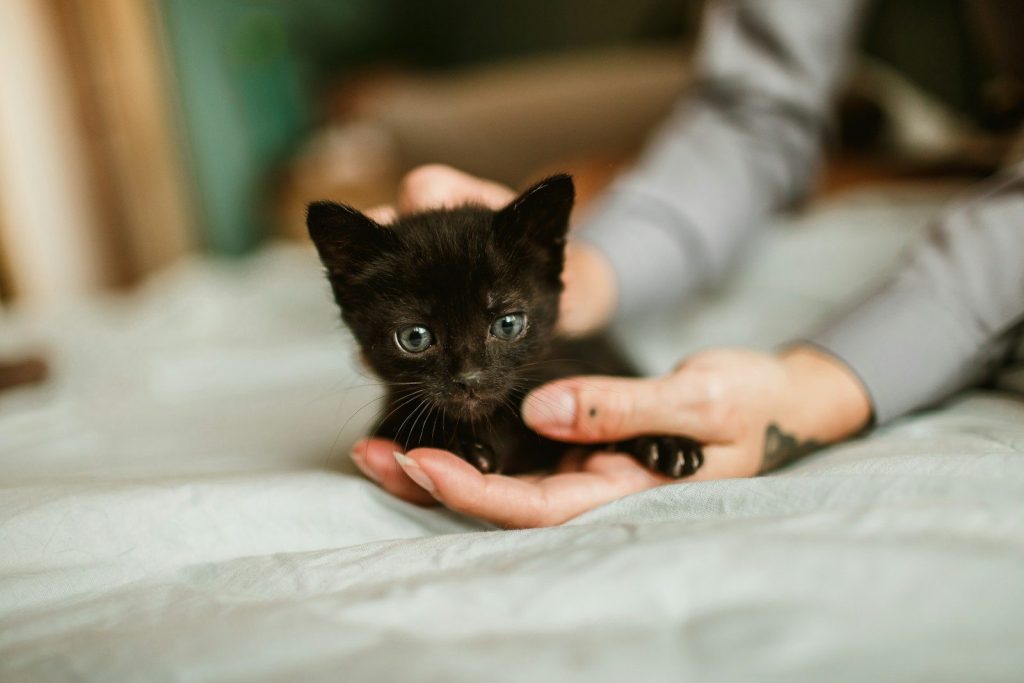

Holding a newborn kitten is a magical experience. They are so small that they fit easily into a single palm. But have you noticed how quickly they stop crying when you cup your hands?
This sweet behavior is not just a random coincidence. Feline experts have discovered a fascinating biological reason why tiny kittens crave this specific touch.
A fragile rescue that needed instant comfort
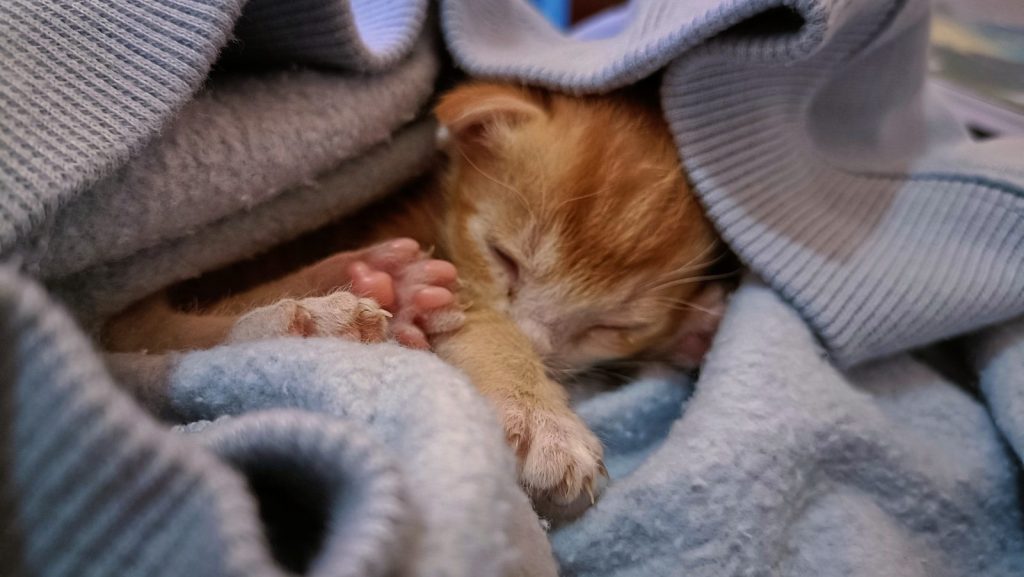
A volunteer named Sarah rescued a tiny stray kitten. He was cold. His eyes were still closed, and he was crying loudly for warmth. Sarah brought him inside and immediately wrapped him in a soft cloth. He continued to wiggle. She decided to scoop him into her bare hands, and the crying stopped instantly.
Mimicking the tight security of the womb
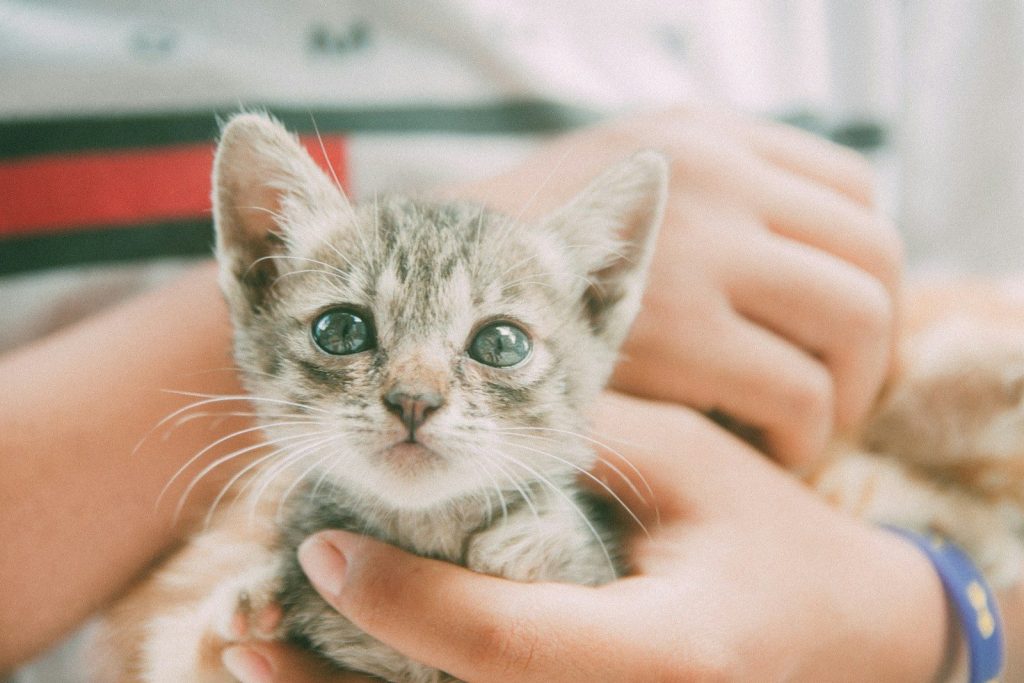
According to veterinary neonatologists, newborn kittens cannot regulate their own body heat. They need warmth. The curved shape of a human hand mimics the tight security of the womb. It provides gentle pressure. This physical contact makes them feel incredibly safe, but another biological factor is also at play.
The power of a human heartbeat and scent
Newborn kittens have a highly developed sense of smell. They use it to survive. When you hold a kitten close, they can smell your unique scent and feel your heartbeat. This rhythmic sound is deeply comforting. It reminds them of their nest, but caretakers must follow strict safety rules.
The critical rules of handling fragile newborns
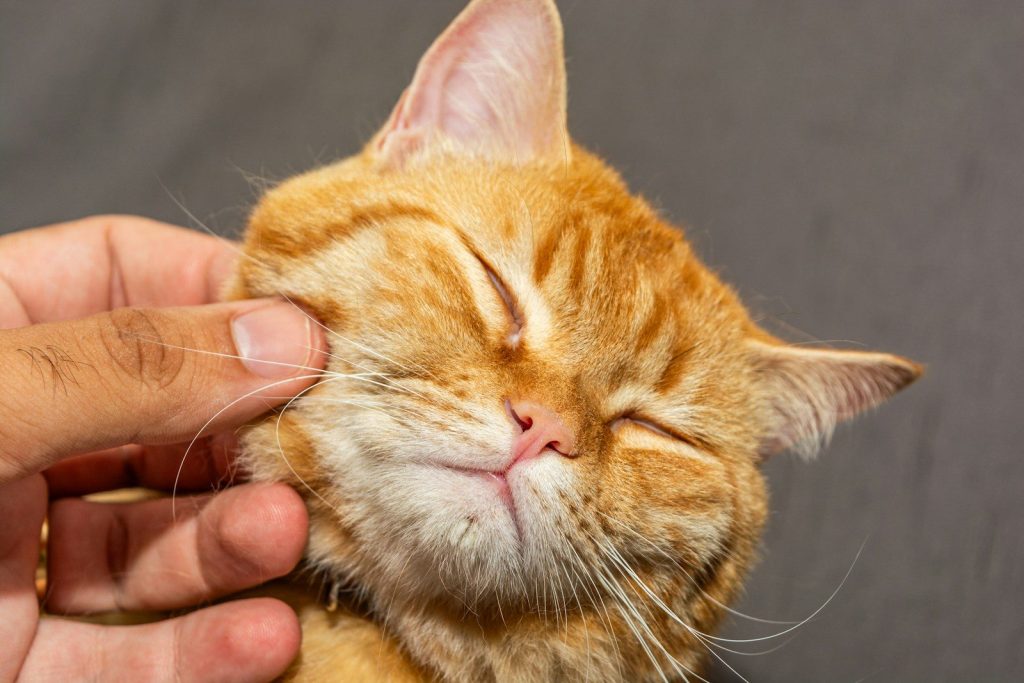
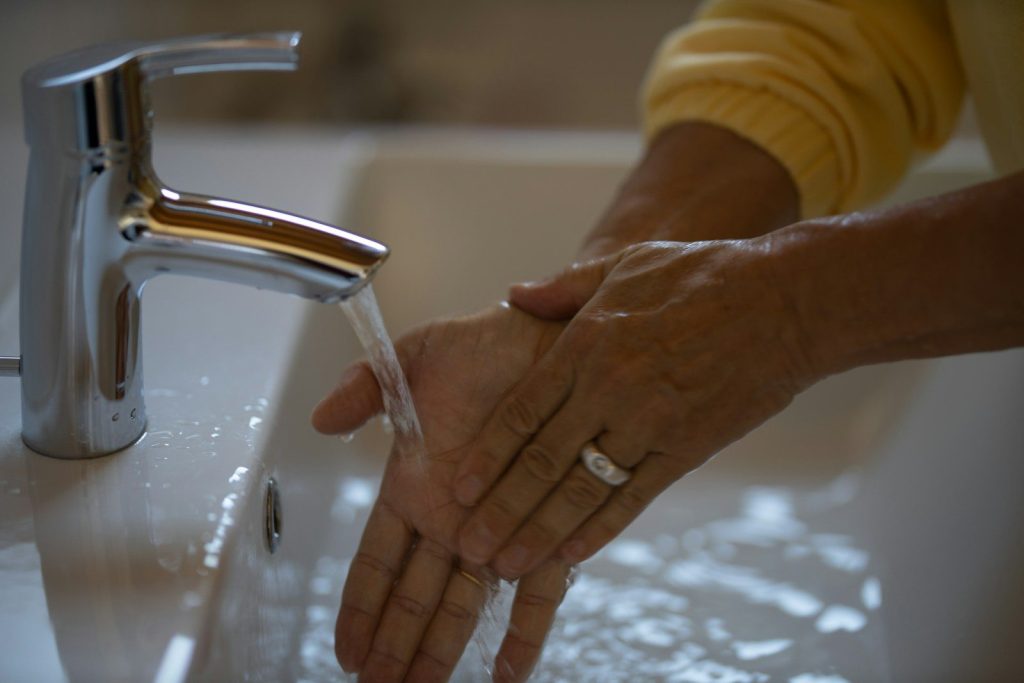
This article is for informational purposes only and does not constitute veterinary medical advice. Newborn kittens are fragile. Always wash your hands thoroughly before touching them to prevent the spread of bacteria. Keep them on a low, secure surface. These simple steps protect their health, but they also build lifetime trust.
How hand-holding shapes a cat’s future personality
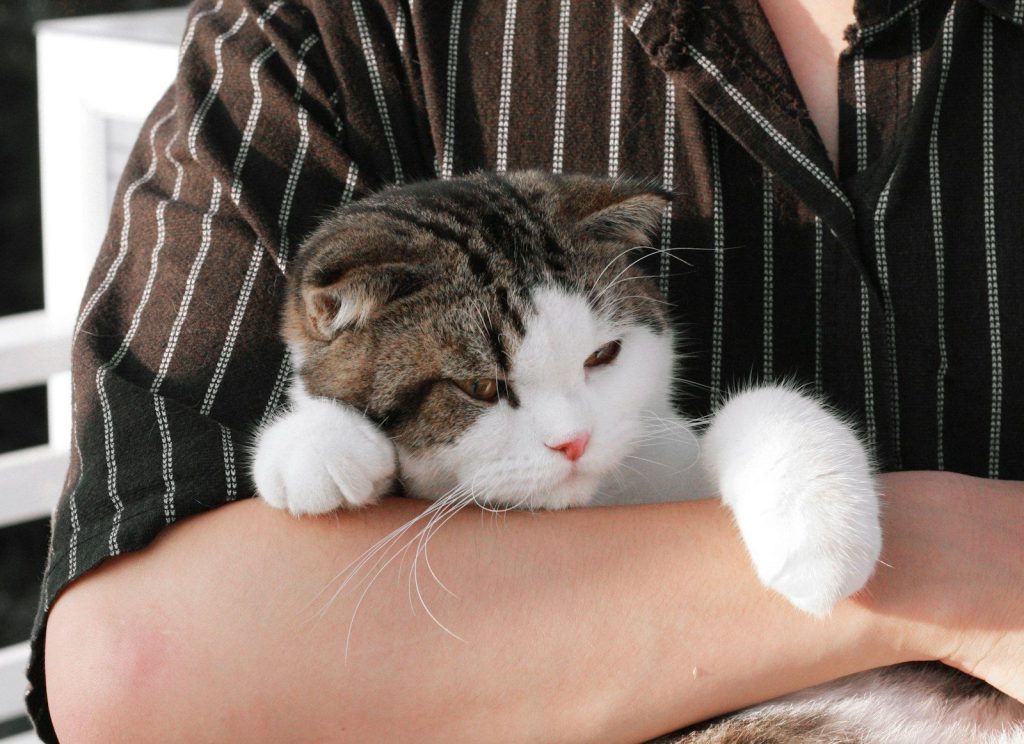
Studies from the American Veterinary Medical Association show that early socialization is crucial. Kittens need humans. Those who are handled gently during their first few weeks grow up to be much friendlier. They learn to associate human touch with safety. This makes them highly adaptable, and Sarah was already starting to see these positive changes.
The adorable transition to active kittenhood
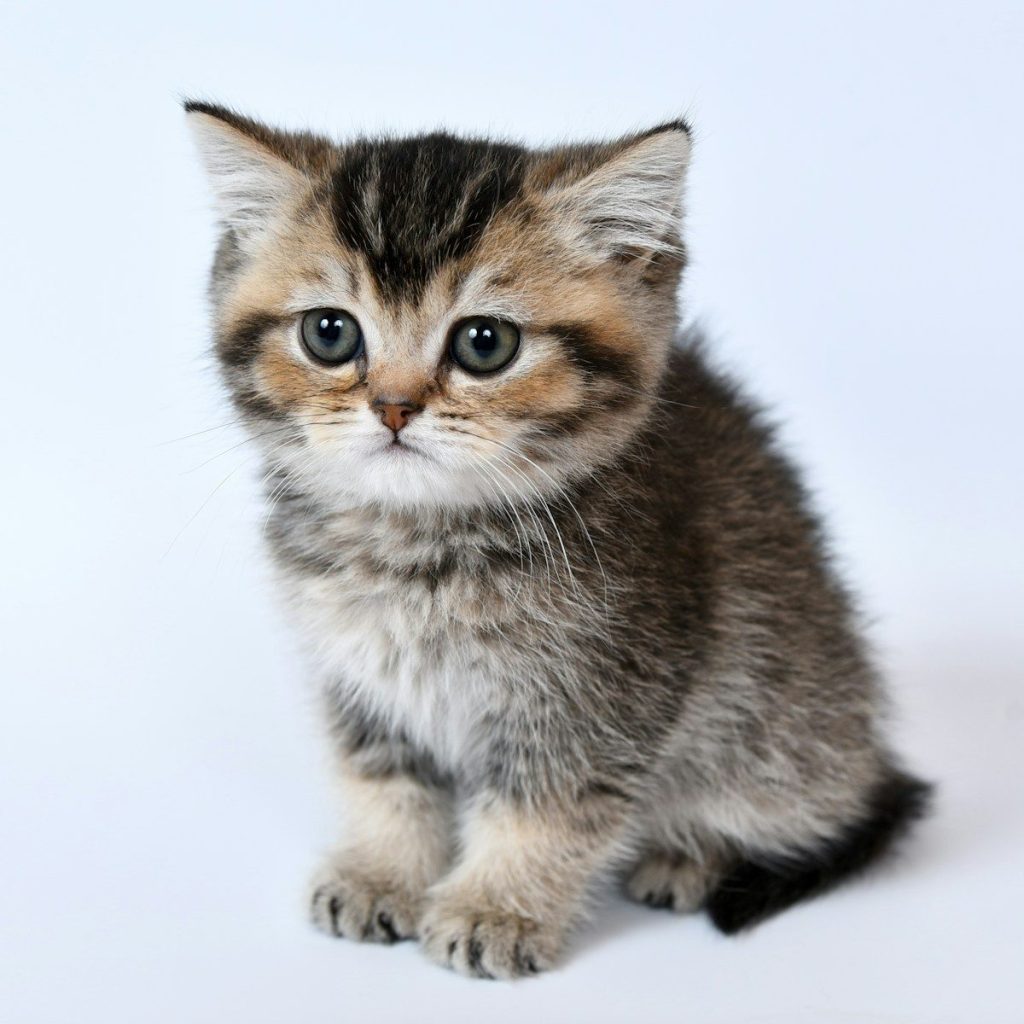
As the weeks passed, the tiny baby grew stronger. He got bigger. He began to explore, but he always returned to her hands for his nap. He would crawl up her sleeve and curl into her palm like a fuzzy ball. It was his safe zone, but he would soon outgrow this cozy spot.
Finding creative ways to maintain that comfort
As the kitten grew larger, he could no longer fit in a single hand. Sarah adjusted. She used soft fleece pockets and heated cat beds to mimic that gentle warmth. The kitten adapted well. He still insisted on resting his head in her palm while sleeping. This sweet habit remained a permanent part of their daily bond, but his story was still evolving.
The lasting impact of a gentle touch
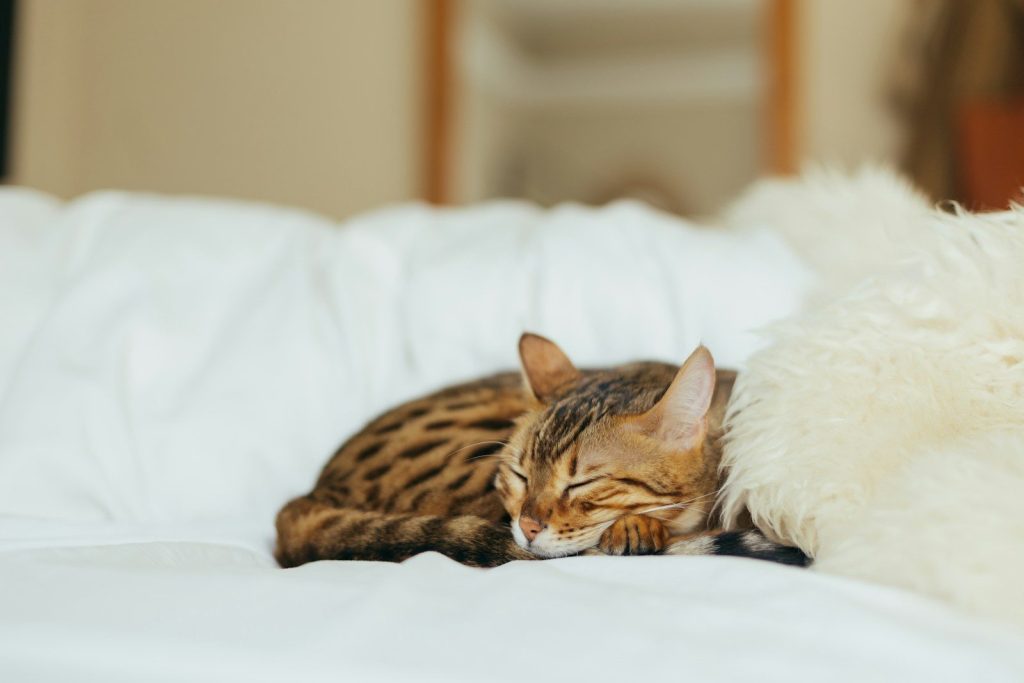
Today, that tiny rescue is a happy and confident adult cat. He loves people. He purrs whenever anyone strokes his chin. His journey shows how a simple act of warmth can change a life. Sarah helped a stray baby grow into a loyal companion. It proves that the smallest gestures of love leave the deepest marks.
Featured Image: Photo by Helena Lopes on Unsplash