

Introducing a new cat to your resident dog can feel like a major household challenge. We often expect them to fight immediately over territory.
But a simple wooden door can actually trigger a highly dramatic standoff between the species. This basic barrier is the secret key to building their long-term trust.
The Tense Hidden Meeting

A viral video of a curious dog sniffing a new kitten through a closed bedroom door has captured millions of views. The dog sat completely frozen, whining at the wooden barrier. According to the American Veterinary Medical Association, visual separation is crucial during their first encounters. This simple boundary prevents immediate panic. But their sense of smell is already working overtime.
The Magic Of Scent Swapping
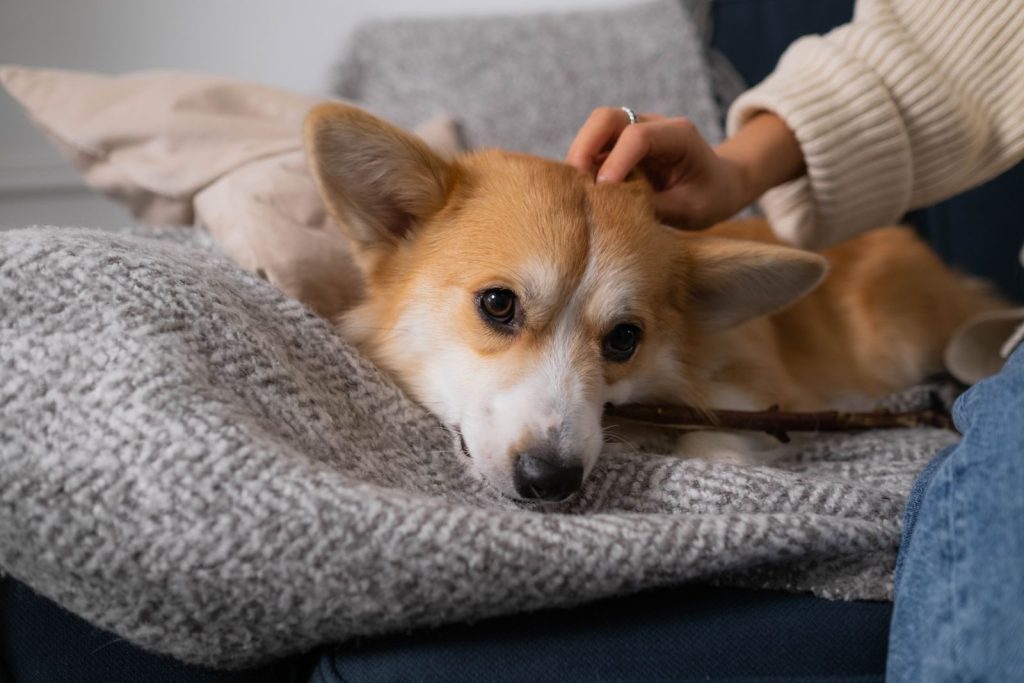
Animals rely heavily on smell to evaluate their environment and identify newcomers. Swapping their blankets daily allows them to get used to each other’s scent safely. According to reports from the Cornell Feline Health Center, this technique builds familiarity before they meet visually. It reduces their territorial stress. But you must still manage their body language before opening the door.
Reading Stiff Body Postures

Watch your dog for any signs of hyper-focus, growling, or a stiff tail. These are warnings. If the dog is staring intensely at the door, they are still highly excited. According to veterinary behaviorists, forcing a meeting now is dangerous. You must wait for them to relax. But there is a clever way to reward their quiet patience.
Rewarding Quiet Calm Behaviors

Offer high-value treats to both pets when they sit quietly near the door frame. This positive reinforcement works wonders. According to guidelines from the Humane Society, connecting the other animal’s scent with delicious snacks builds trust. They begin to associate each other with safety. However, the first visual meeting requires a sturdy physical barrier.
Using Sturdy Baby Gates

Place a tall baby gate in the doorway to let them see each other safely. Keep these visual sessions brief. According to the ASPCA, letting the cat maintain high ground on a nearby shelf reduces their immediate fear. They can observe the dog without feeling trapped. But you must never leave them unsupervised during these moments.
Maintaining Close Supervision Daily

Always keep your dog on a secure leash during their first combined play sessions in the living room. Size differences matter. A sudden, quick dash from the kitten can trigger a dog’s prey drive instantly. According to safety standards, close supervision protects both pets as their friendship slowly grows. But there is one final rule to keep in mind.
A Lifetime of Safe Companionship
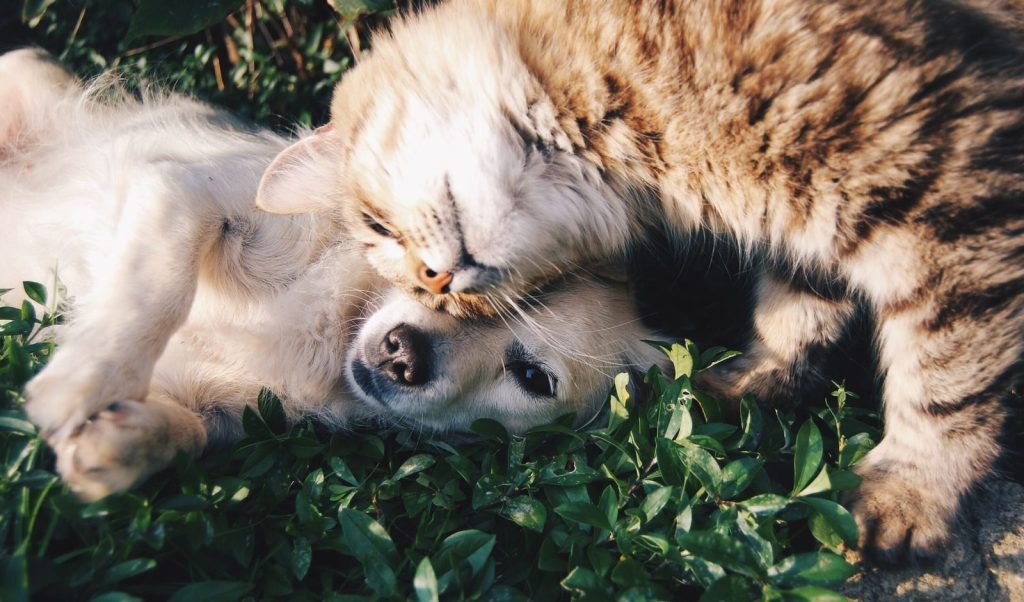
This article is for informational purposes only and does not constitute veterinary advice. With patient training and plenty of love, your dog and cat can enjoy a peaceful life together. Your careful introductions ensure their home remains a secure, happy sanctuary. Your dedicated effort will reward you with endless shared cuddles.
Featured Image: Photo by jordan besson on Pexels