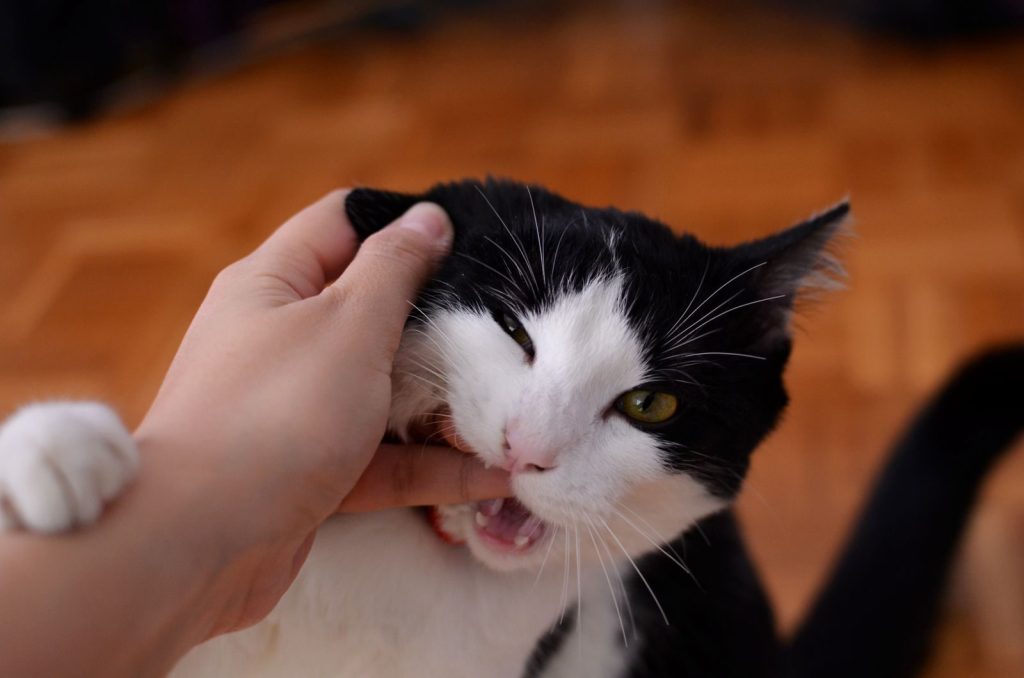

Many pet owners love sitting on the couch and petting their quiet feline companions. We assume that warm purrs mean our cats want endless physical affection.
But a peaceful cuddle session can quickly turn into a sudden warning bite. This frustrating behavior actually stems from a very common physiological response called overstimulation.
Understanding Petting-Induced Aggression

A sudden warning bite during a petting session is highly common in domestic felines. They get overwhelmed. According to the Cornell Feline Health Center, this behavior is known as petting-induced aggression. It is not a sign of anger, but a physical reaction to nerve overstimulation. But you can easily prevent these nips by reading their body language.
Reading The Twitching Tail
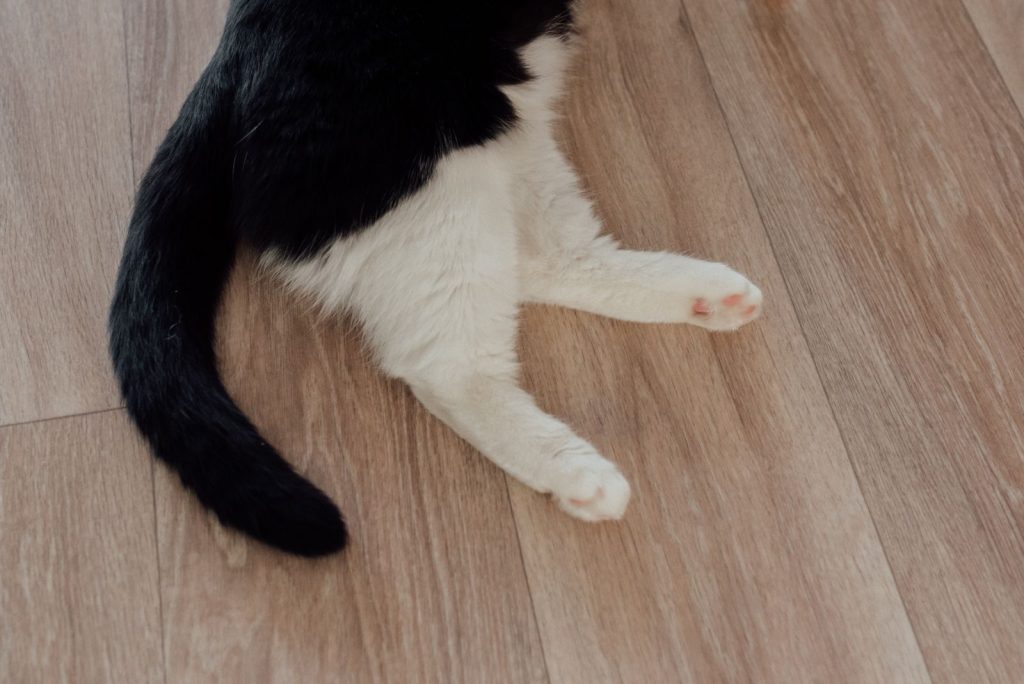
Cats rarely bite without giving several subtle warning signs first. You must watch closely. According to research from the American Veterinary Medical Association, a twitching or thumping tail is a primary indicator of frustration. If the tip of their tail starts flicking, stop petting them immediately. However, their ears also communicate a clear message.
Spotting The Airplane Ears

When a cat feels anxious, they will rotate their ears backward or flatten them. They look tense. According to veterinary behaviorists, this posture is called airplane ears. It is a biological signal that their sensory system is completely full and needs space. But their fur holds another secret indicator of stress.
Feeling The Back Ripple
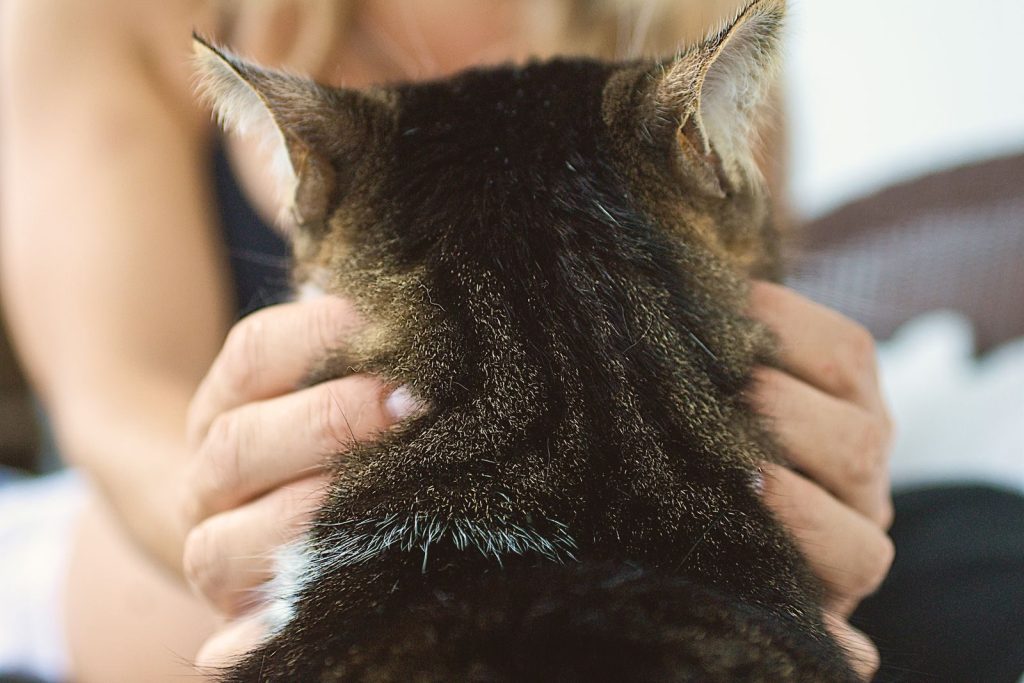
You might notice the skin on your pet’s back rippling before a bite occurs. This is involuntary. According to reports from the Humane Society, this muscle twitch shows their nerves are firing rapidly under your touch. Continuing to pet them during this phase usually leads directly to a nip. Fortunately, you can avoid this by targeting safe zones.
Petting Their Scent Glands

Most felines prefer to be touched in areas where their scent glands are located. They feel relaxed. According to guidelines from the Cat Fanciers Association, scratches around the cheeks, chin, and ears are highly soothing. Avoid rubbing their belly or tail, which can trigger wild defense instincts. But some cats still struggle with boundaries.
Training With Positive Rewards
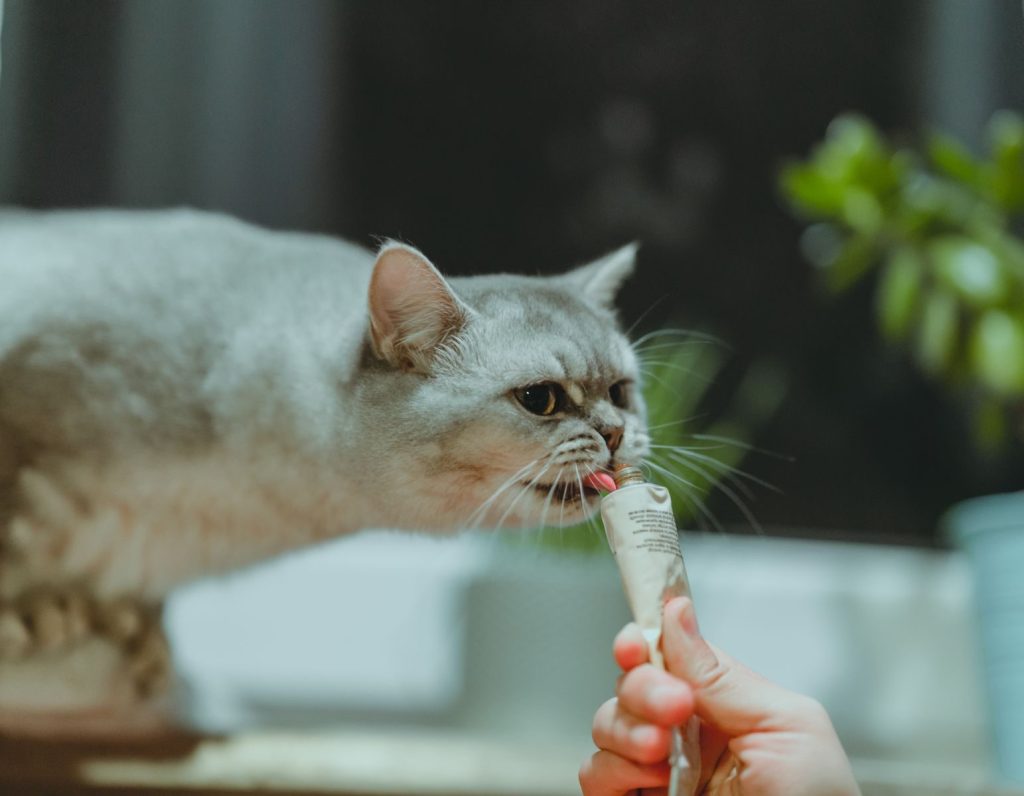
You can help your pet enjoy longer cuddle sessions using positive reinforcement methods. Keep touches short. According to pediatric veterinary studies, offering high-value treats after a few gentle strokes builds a happy association. This technique helps your cat feel safe and in complete control. There is one final rule to keep in mind tonight.
Building A Respectful Relationship
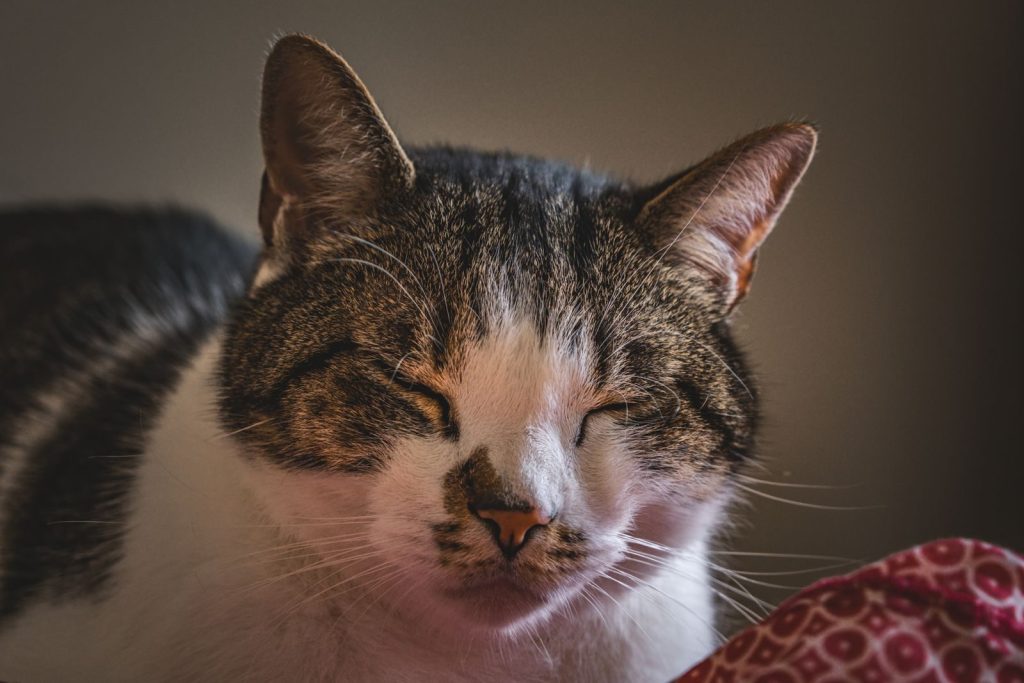
Respecting your cat’s physical boundaries is the best way to show them you care. Give them space. This article is for informational purposes only and does not constitute veterinary advice. By stopping when they ask, you build a lifetime of deep trust and quiet companionship.
Featured Image: Photo by Crina Doltu on Pexels