
Most pet owners believe that cats should be bathed regularly to stay clean. We assume our feline companions need our help with water and soap.
But bathing a cat can actually cause them immense stress and damage their skin. Their natural grooming process is far more advanced than we think.
The Pain Of Whisker Wetness
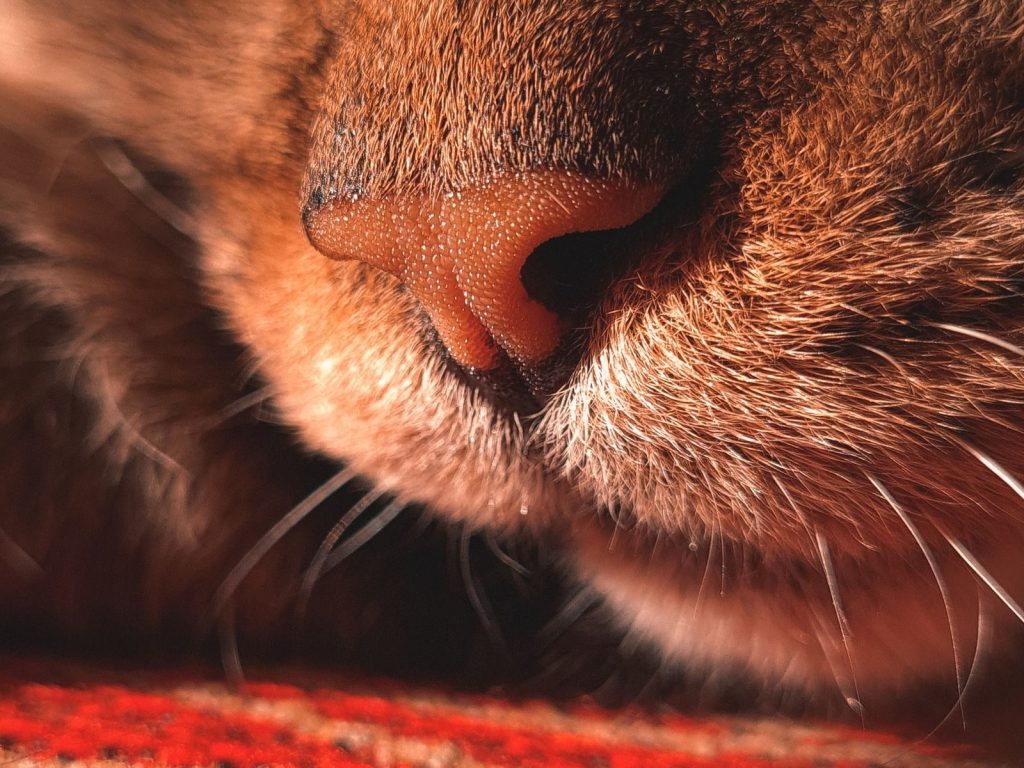
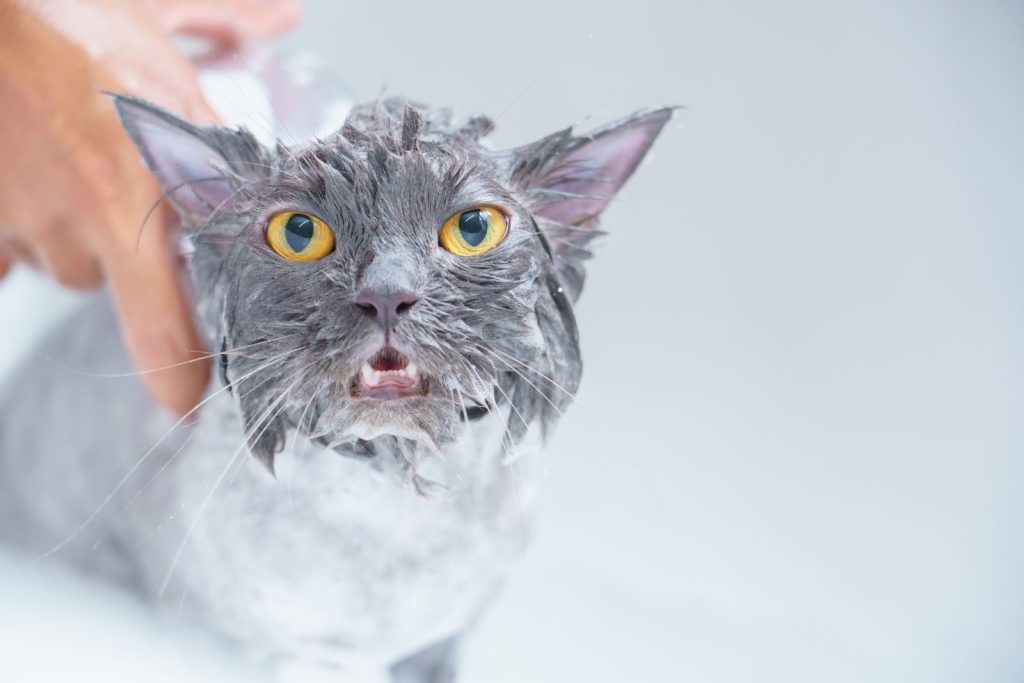
Water can easily overstimulate a cat’s highly sensitive coat. They feel overwhelmed. According to the American Veterinary Medical Association, their whiskers and fur act as complex sensory radars. Getting wet can disrupt their spatial awareness and trigger immediate panic. This sensory overload explains their aggressive reactions during bath time. But their skin holds an even greater secret.
Stripping Away Natural Oils
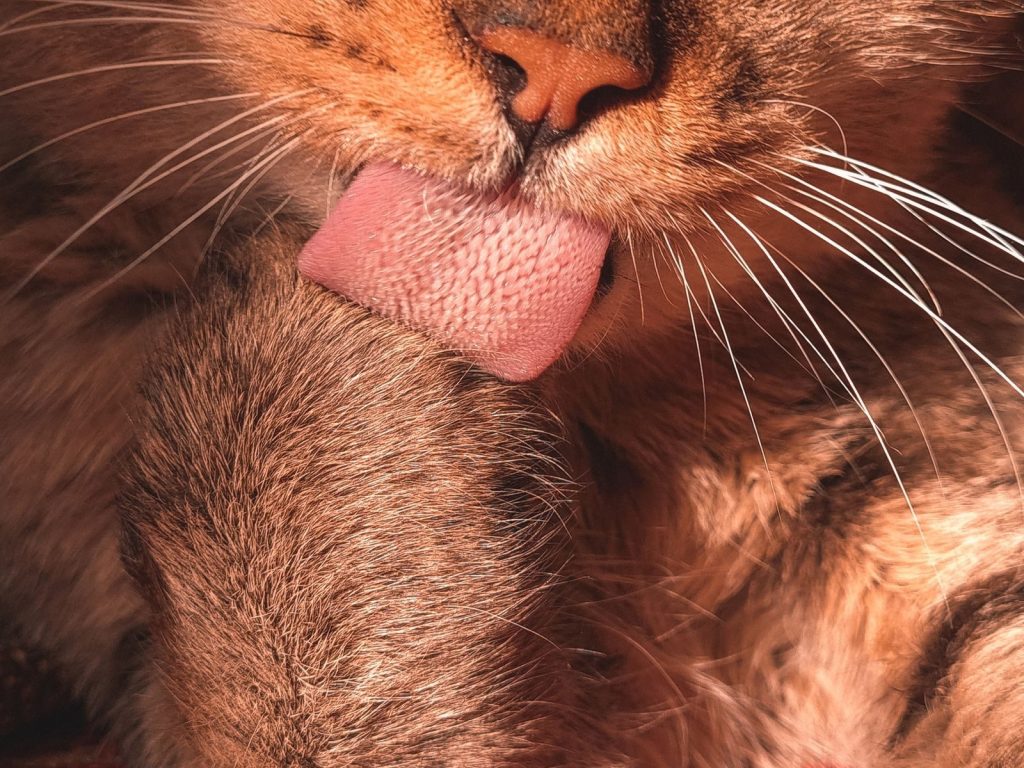
Feline skin produces essential protective oils that repel dirt and moisture. This barrier is vital. According to reports from the Cornell Feline Health Center, standard soaps can strip away these protective layers easily. This leaves their skin dry, itchy, and highly vulnerable to painful infections. But their natural defense system is already built to protect them.
The Power Of Feline Saliva
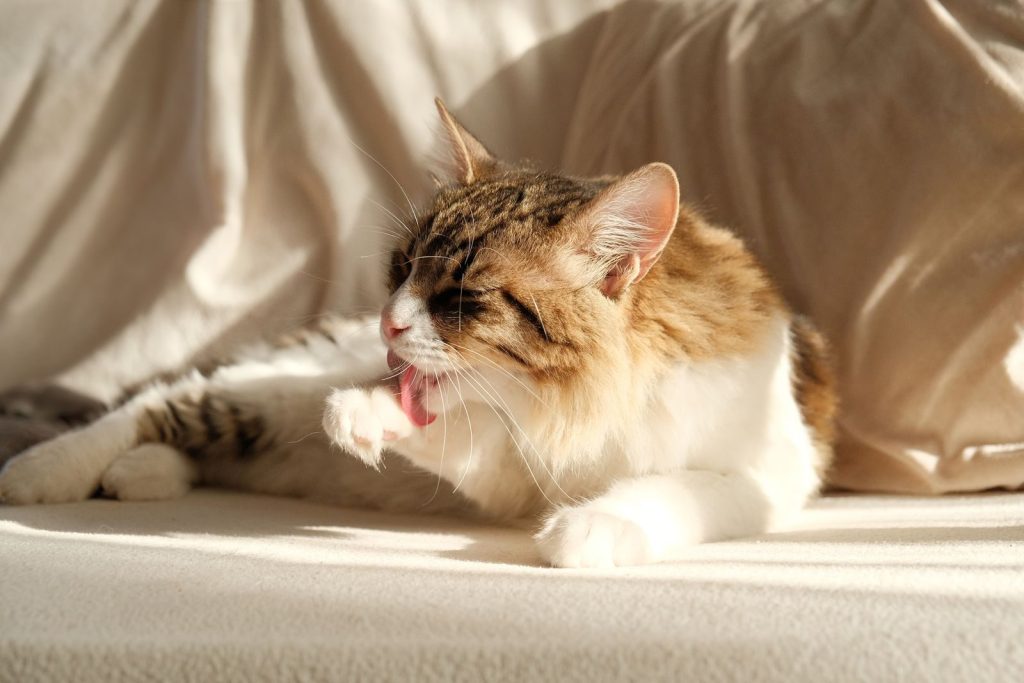
Cats spend up to half of their waking hours grooming their fur. They are meticulous. According to veterinary behaviorists, feline saliva contains natural cleaning enzymes that break down dirt and odors safely. This self-cleaning process keeps their coats perfectly healthy without any water. However, some rare medical situations still require human intervention.
When Baths Become Essential
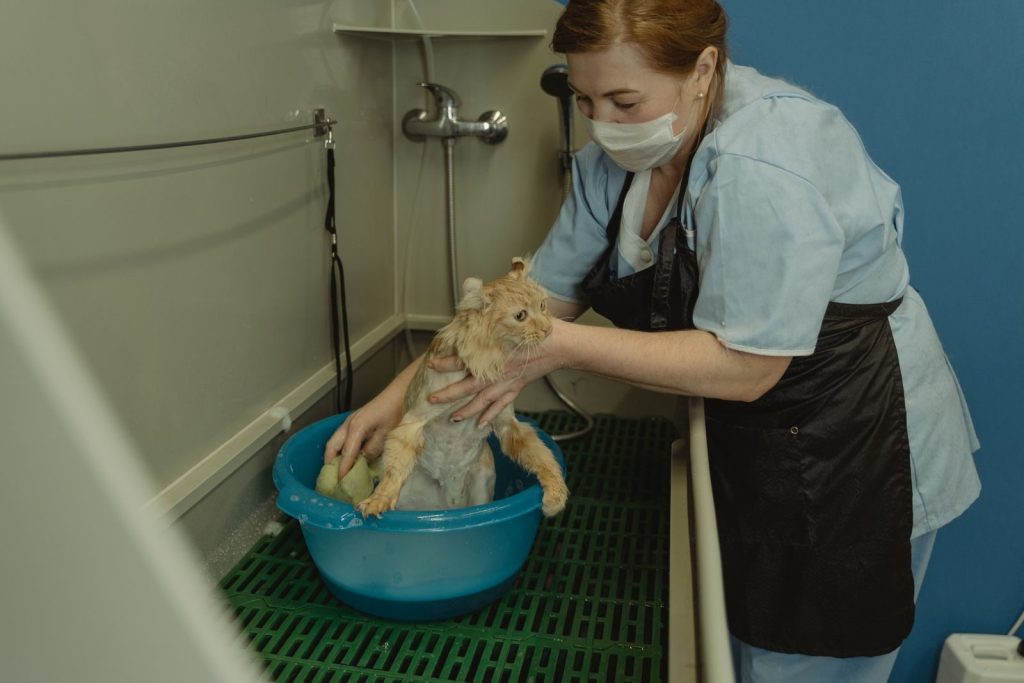
Certain medical conditions, like severe flea infestations, can require a wet bath. This is rare. According to reports from the ASPCA, toxic substances on their fur must be washed away immediately to prevent poisoning. In these urgent cases, owners must take specific precautions to reduce their pet’s fear. But preparing the bathroom requires a gentle setup.
Creating A Calm Sanctuary
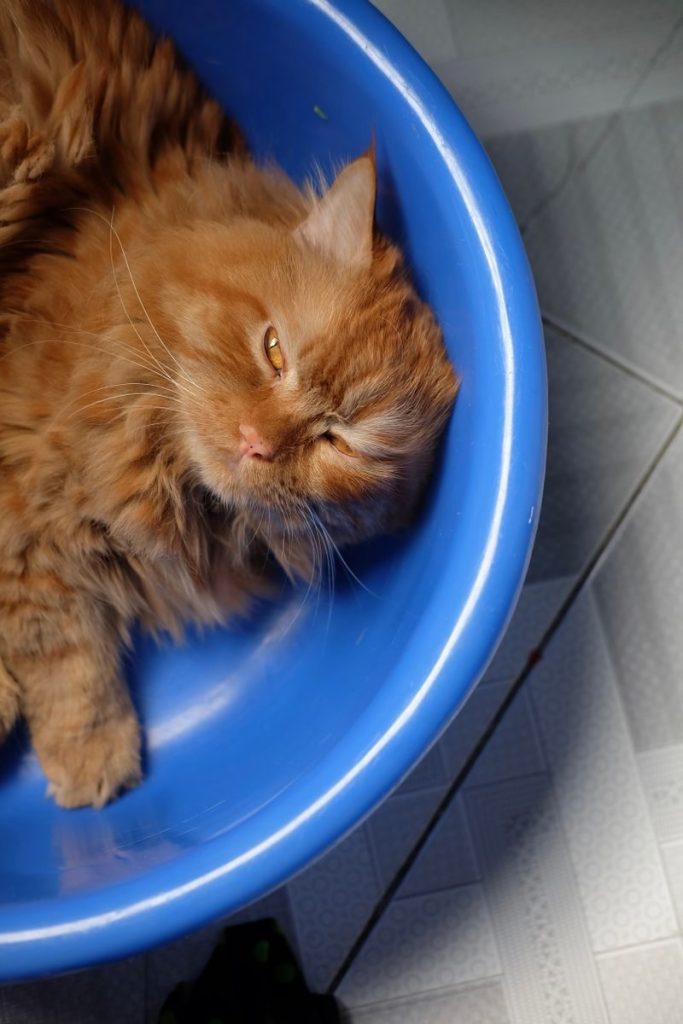
Using warm water and thick towels can help soothe a frightened pet. Keep it quiet. According to the Humane Society, placing a non-slip mat in the tub prevents them from sliding and panicking. Speaking in soft tones keeps their heart rate stable during the process. But there is a crucial drying step you must follow next.
Safe Towel Drying Tricks
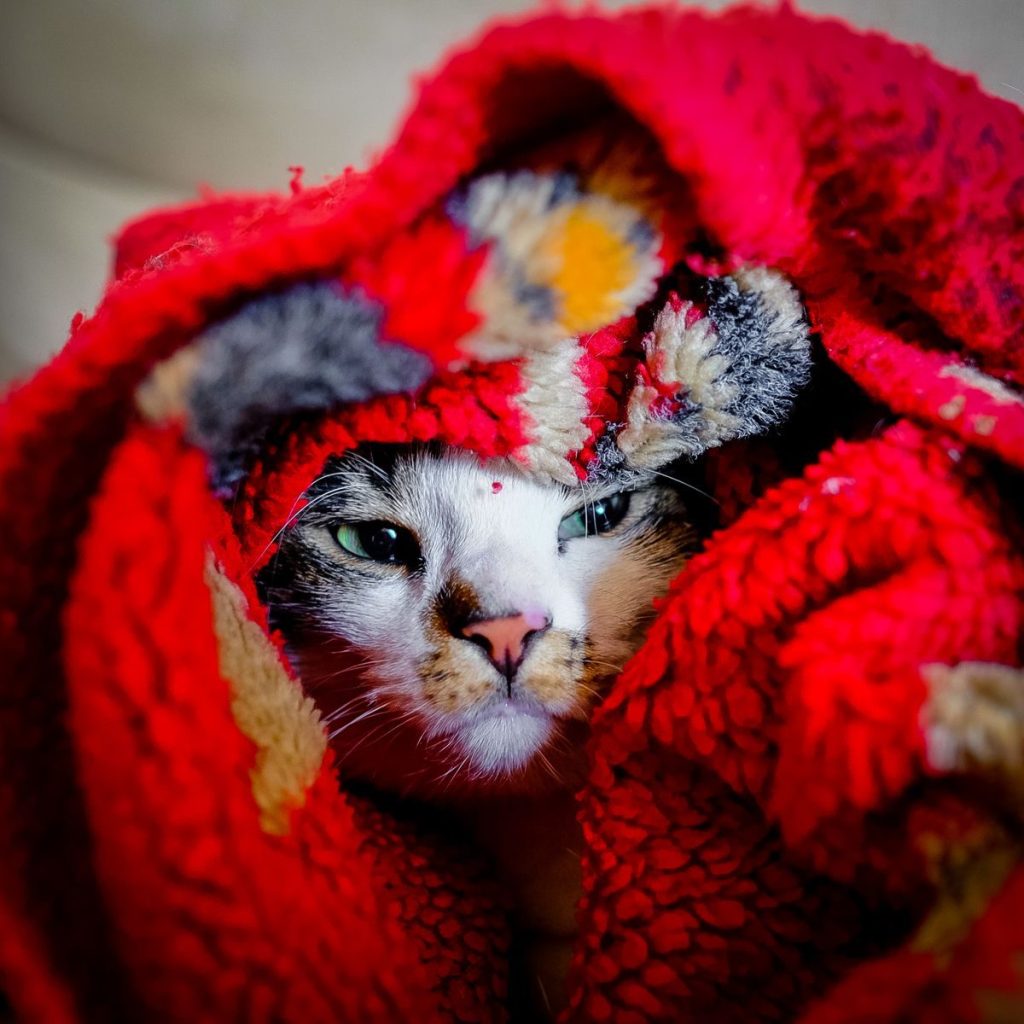
Never use loud hair dryers on your cat after their bath. The noise is terrifying. According to reports from veterinary clinics, loud appliances can cause permanent hearing stress in sensitive felines. Gently wrap them in a warm towel and let them dry in a heated room. This careful routine ensures they recover their confidence quickly.
Healthy Clean Feline Coats
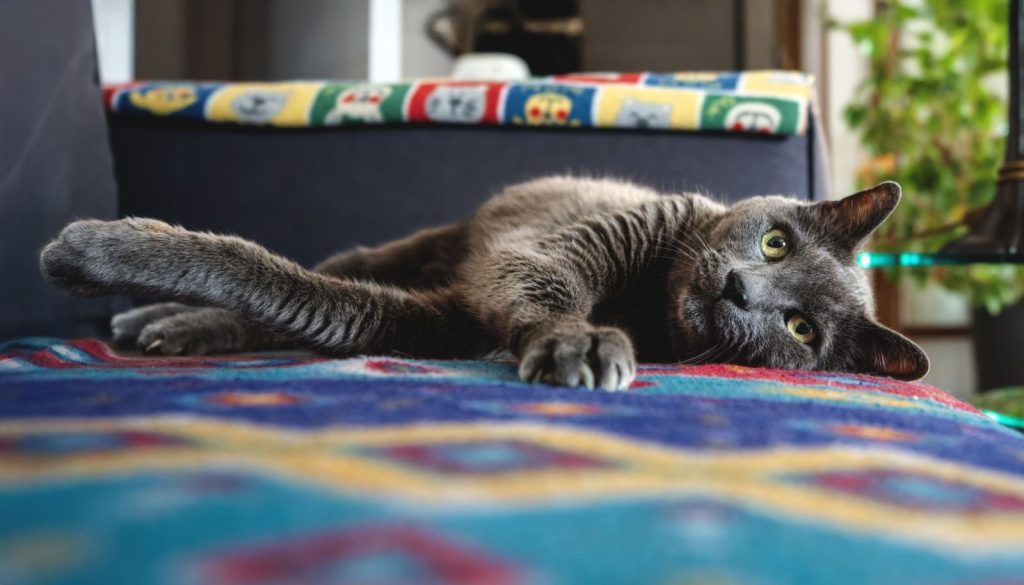
According to veterinary guidelines, avoiding unnecessary baths is the best way to protect your cat’s skin. This article is for informational purposes only and does not constitute veterinary advice. Keep your pet’s environment clean and let their natural grooming handle the rest. Your patient care will ensure they stay relaxed.
Featured Image: Photo by Karin Chantanaprayura on Pexels