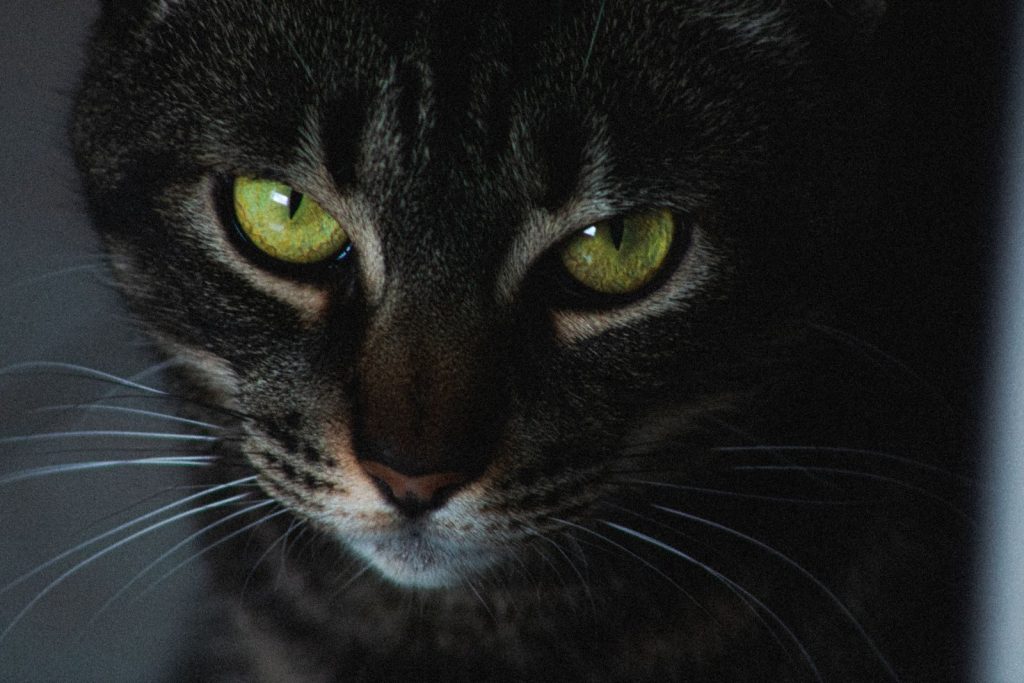

Most pet owners believe that cats are highly independent and do not care about their relationships. We assume they prefer to stay aloof and distant.
But felines actually possess a highly complex emotional range. If they catch you playing with another animal, their response can reveal intense jealousy.
Caught Red Handed At Home
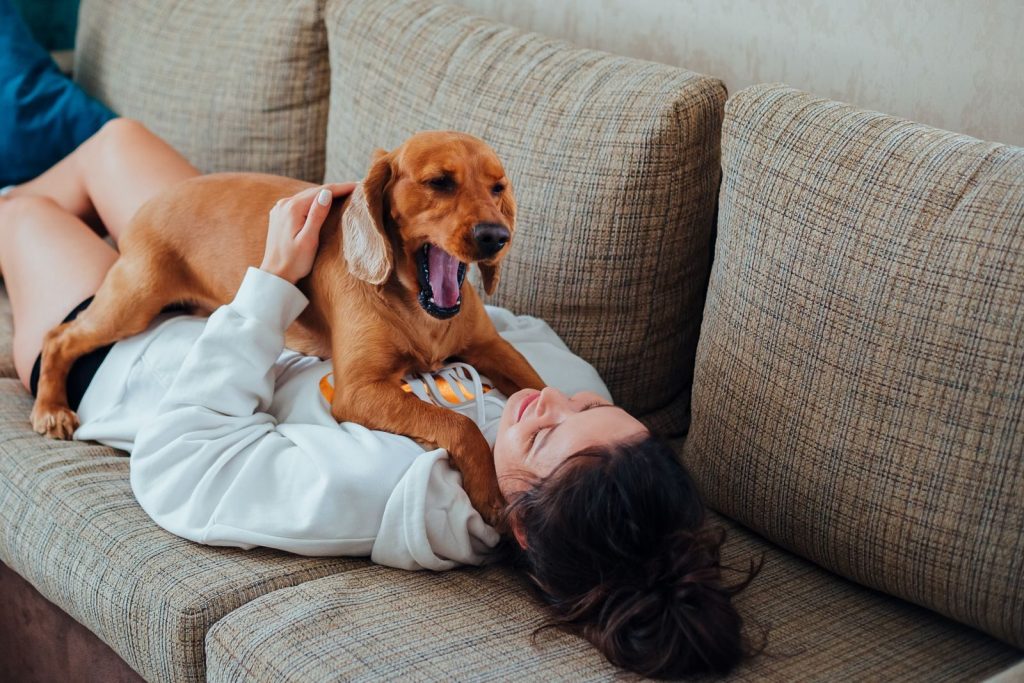
An owner was playing with a neighbor’s golden retriever on his living room rug. He was laughing. Suddenly, his resident tabby cat named Toby walked into the room. Toby froze in absolute shock, staring at his owner’s hand, scratching the dog’s ears. But Toby’s immediate reaction was about to stun the entire household.
The Jealous Feline Stare
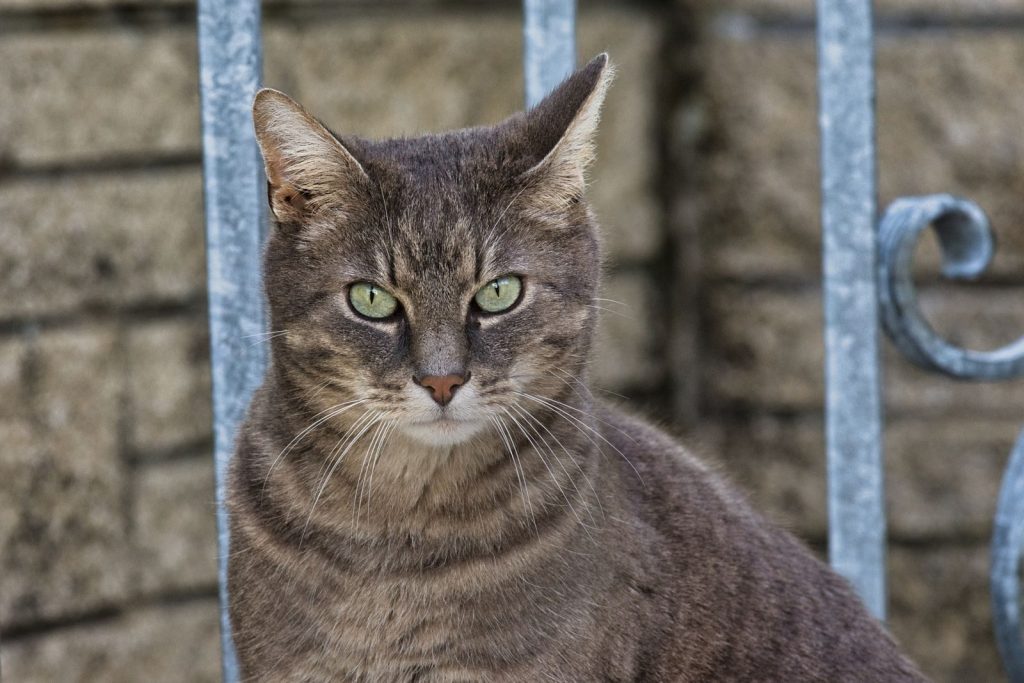
Toby sat by the door and stared with wide, unblinking green eyes. He looked angry. The cat refused to approach, letting out a low, dramatic growl to express his irritation. This hilarious visual made millions of viewers laugh. But feline jealousy is actually driven by a very real behavioral force.
What Feline Behaviorists Say
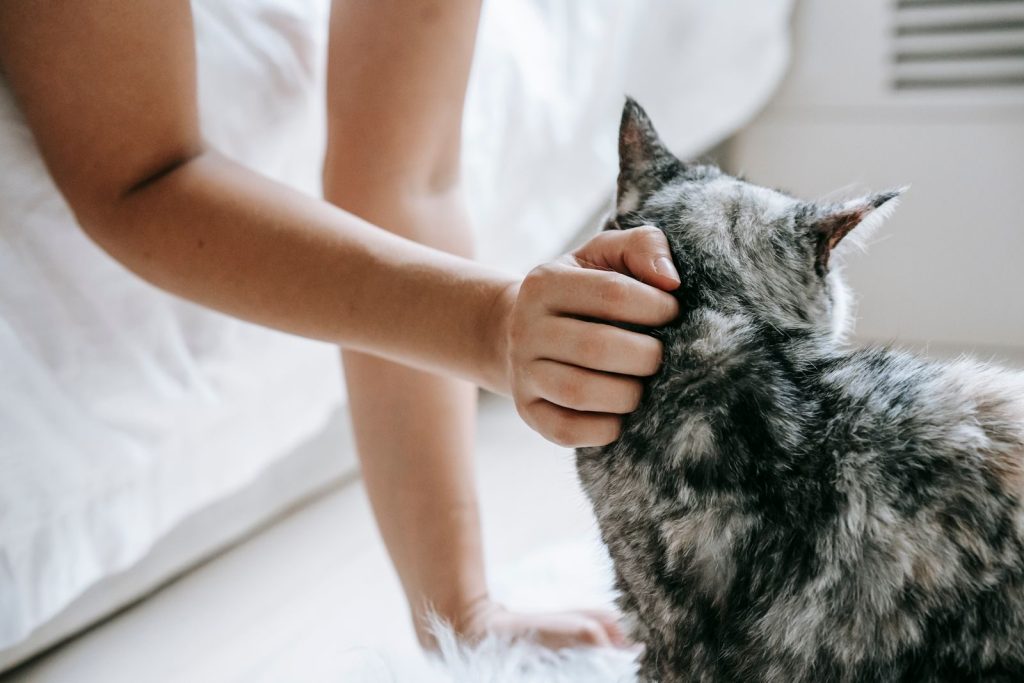
According to reports from the Cornell Feline Health Center, cats can experience possessiveness over resources. You are their resource. They view their owners as vital sources of food, safety, and affection. When you share that resource with another animal, it can trigger territorial anxiety. This anxiety often leads to highly dramatic behavior.
Acting Out To Protest
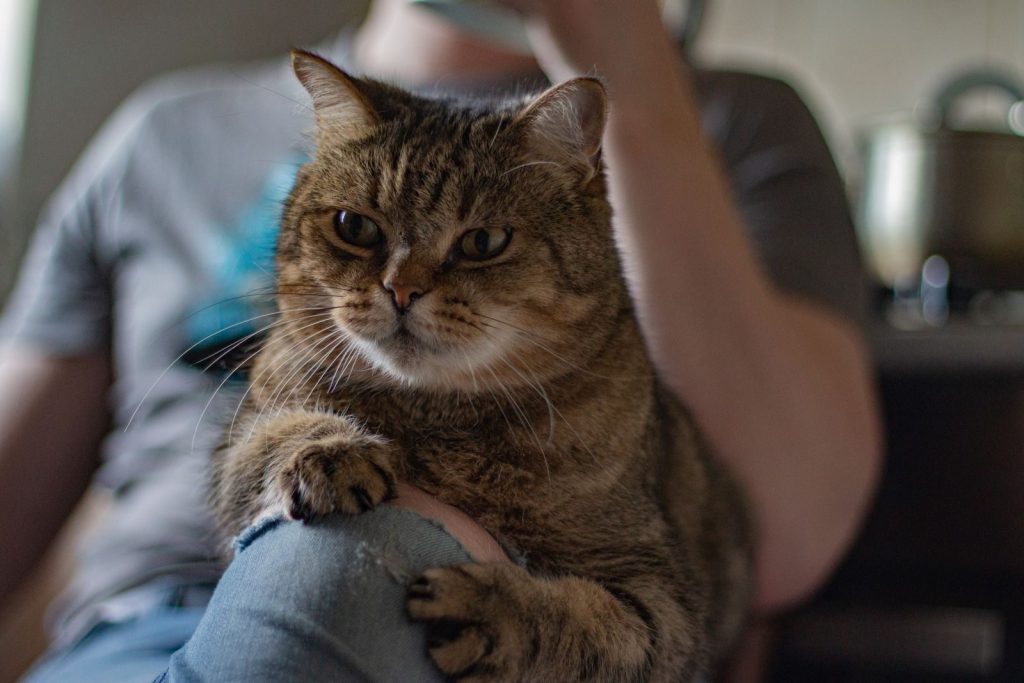
A jealous cat might swat, hiss, or knock items off tables to protest your actions. They want attention. Toby walked over and sat directly on his owner’s laptop keyboard, blocking his view. This calculated intervention forced his owner to interact with him immediately. But you can easily manage these jealous reactions.
Rebuilding Their Inner Confidence
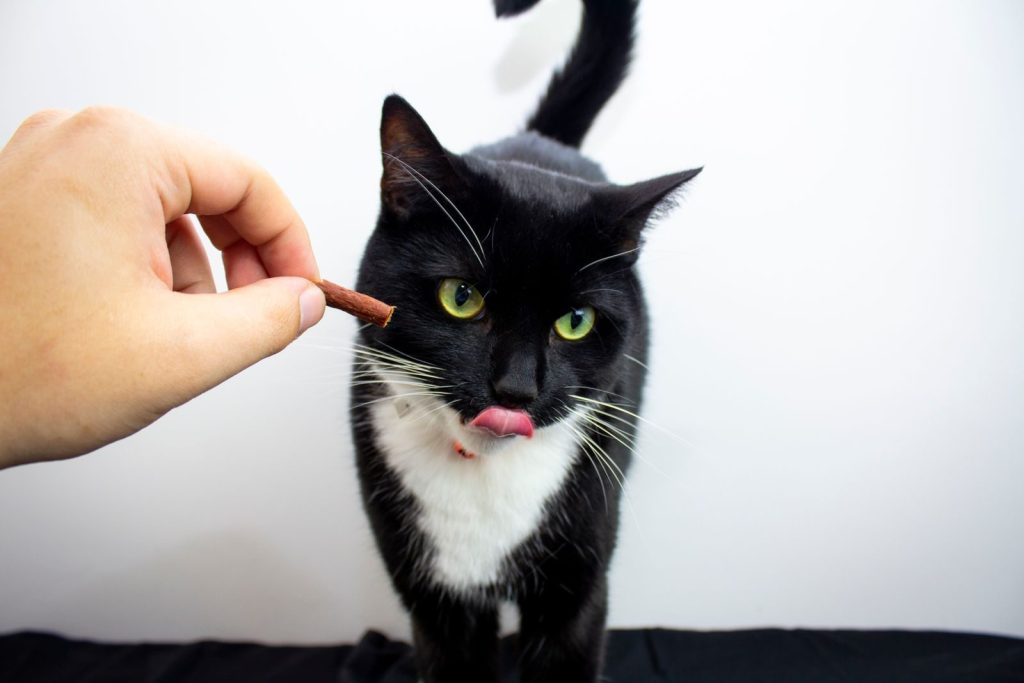
To reduce jealousy, always reward your pet with high-value treats after they see another animal. This trick works. It helps them associate the presence of other pets with positive outcomes. According to the American Veterinary Medical Association, consistent schedules also reduce pet stress levels. But there is another vital step.
Setting Clear Soft Boundaries
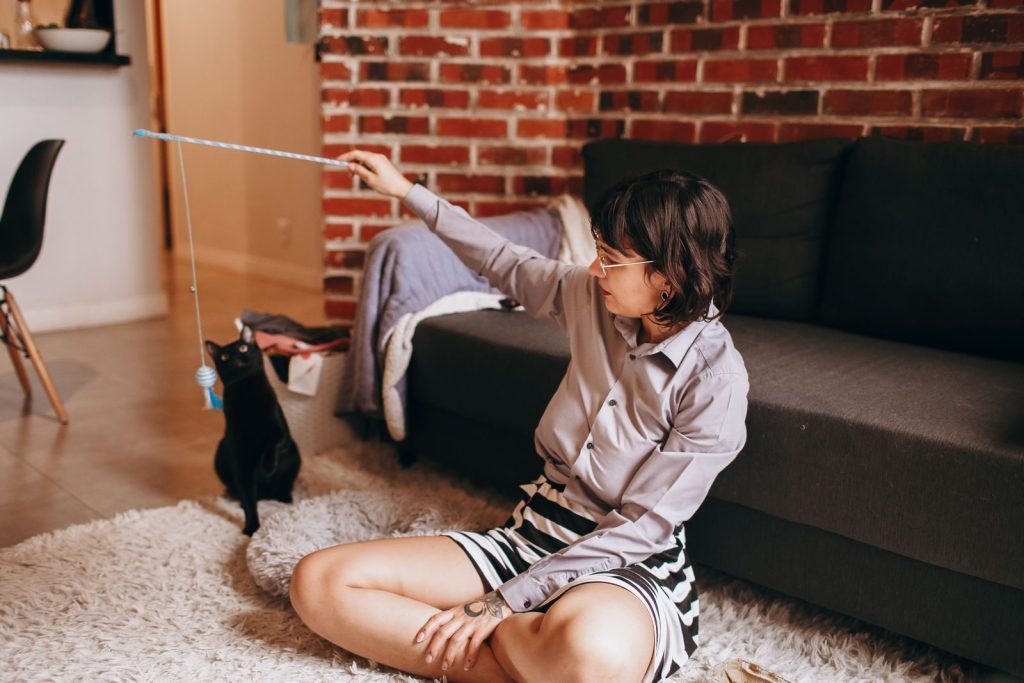
Spend fifteen minutes playing with your cat before introducing new animals to the house. This burns energy. A tired, happy cat is much less likely to act aggressively or feel jealous of visitors. According to reports from the Humane Society, positive reinforcement builds deep trust. There is one final check to make tonight.
A Happy Balanced Household
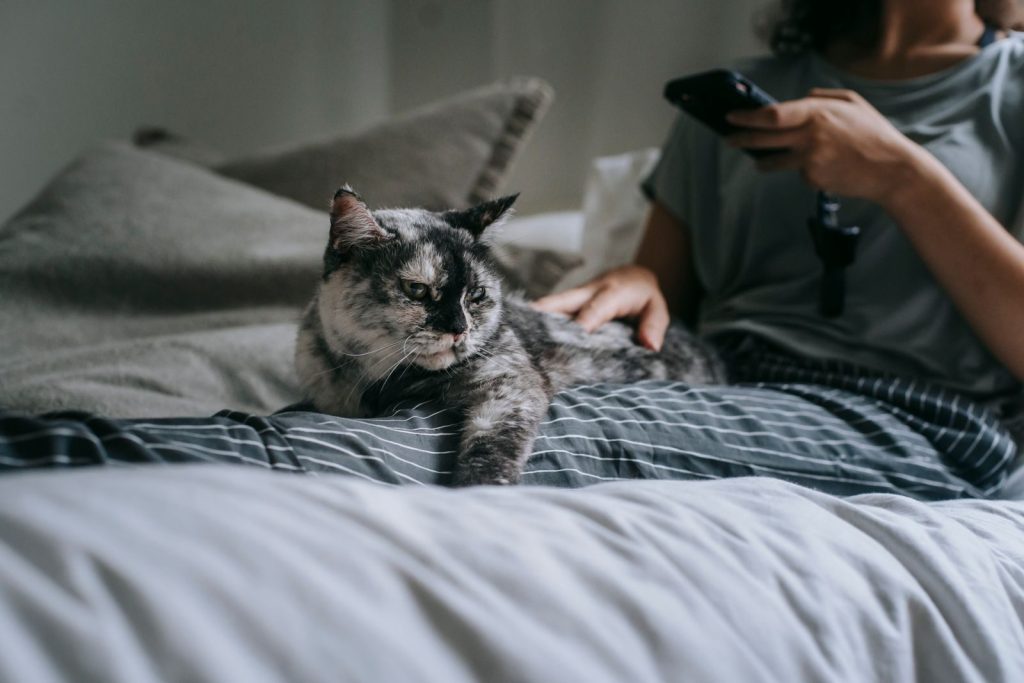
Today, Toby spends his afternoons napping peacefully on his owner’s lap, completely secure. He is happy. This article is for informational purposes only and does not constitute veterinary advice. With patient training and proper care, you can enjoy a peaceful, loving home together.
Featured Image: Photo by Lucas Pezeta on Pexels