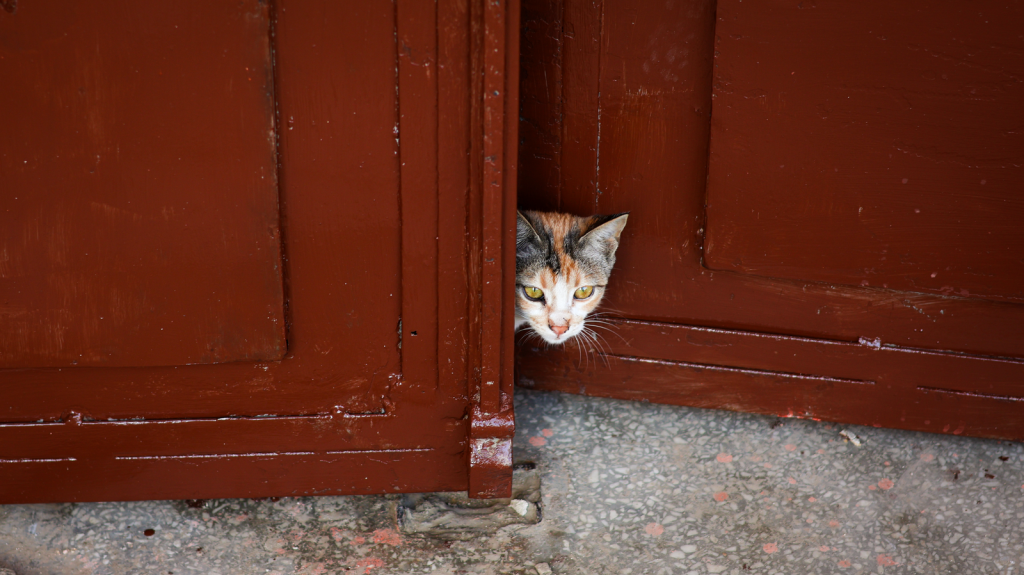

Many pet owners assume that house cats are perfectly content staying inside forever. We believe our coddled companions have zero interest in the wild outdoors.
But a sudden open doorway can tempt even the most pampered feline. This unexpected urge to explore actually stems from deep natural instincts.
Seeking New Visual Sights
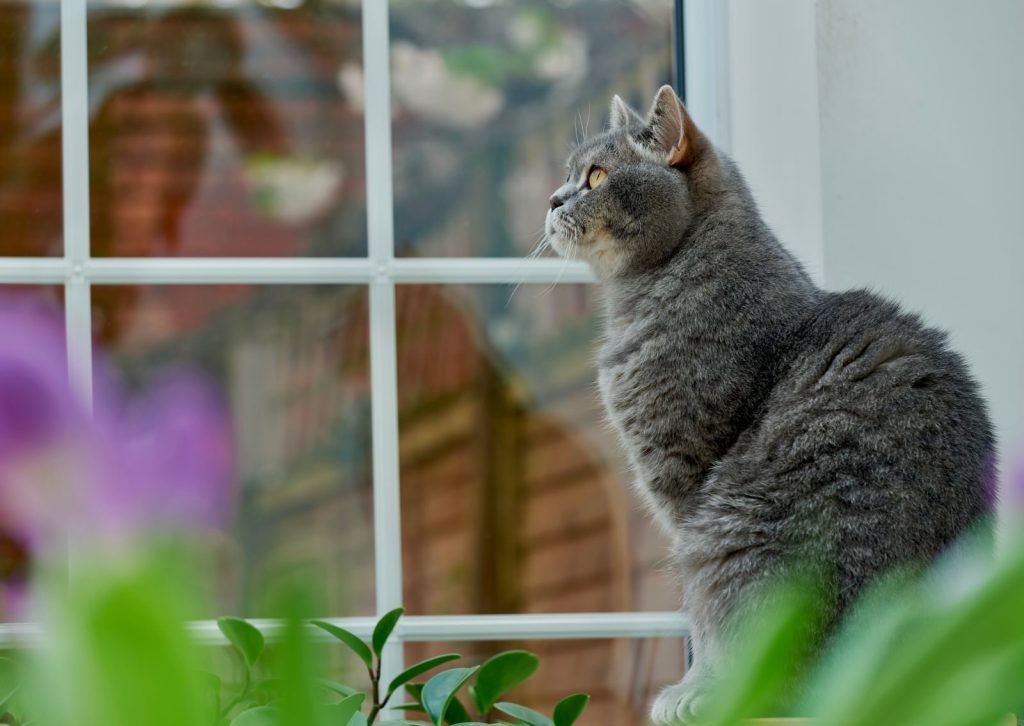
Indoor felines often spend their afternoons watching birds through the living room glass. They get highly curious. According to the Cornell Feline Health Center, visual stimulation keeps their minds active throughout the day. A sudden escape attempt is usually just a way to investigate those distant targets up close. But this physical curiosity can quickly turn into a major safety hazard.
Facing Sudden Sensory Overload
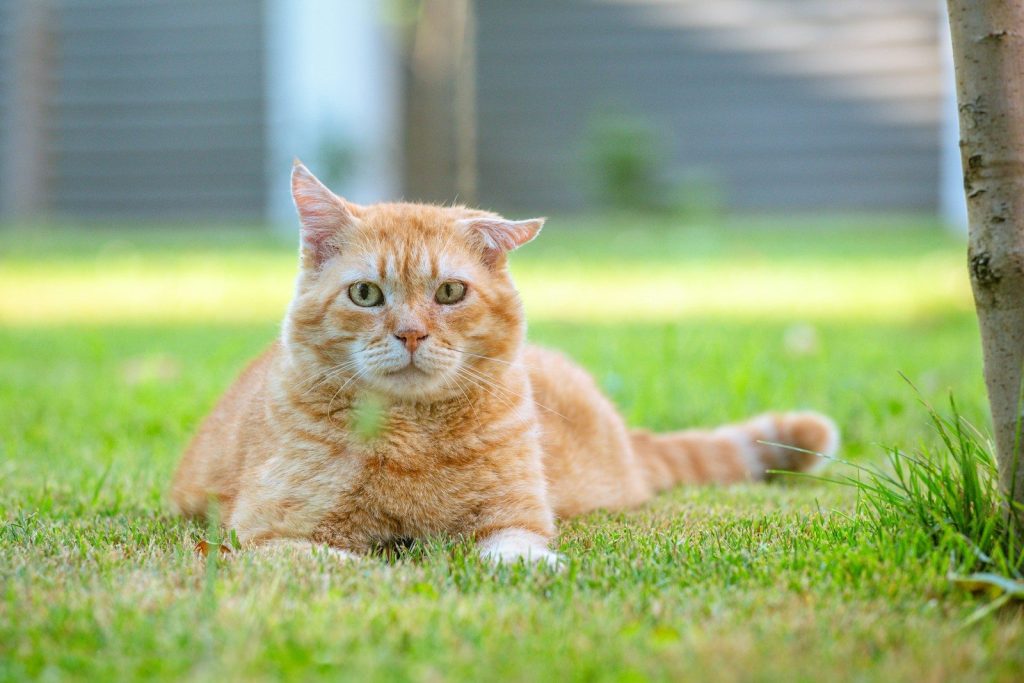
The backyard presents an overwhelming amount of loud sounds and unfamiliar scents. It is massive. According to reports from the Humane Society, indoor felines lack the street skills to navigate these sudden changes. They can easily freeze in panic when a car drives past. This sensory shock often drives them to seek immediate shelter.
Hiding In Quiet Spots
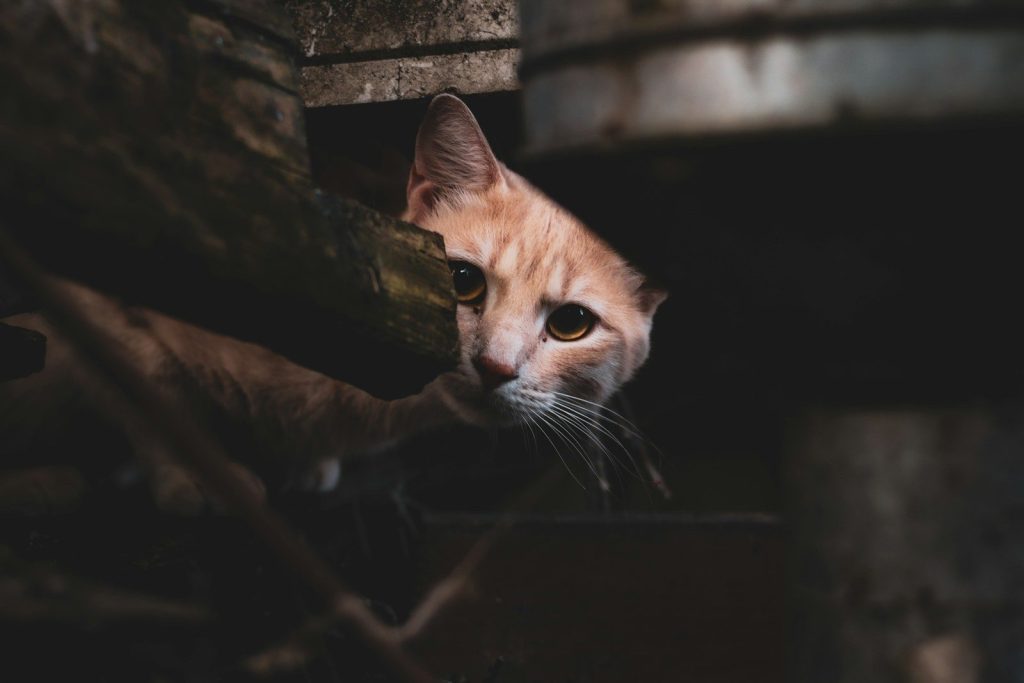
A terrified cat will instinctively look for a dark crawlspace to hide. They want security. According to the American Veterinary Medical Association, panicked felines can stay silent for days when they are scared. This quiet hiding makes locating your lost pet incredibly difficult. Fortunately, you can easily prevent these stressful situations with a few home upgrades.
Securing Your Home Doors

Always check your screen doors and window latches to prevent accidental escapes. Safety comes first. According to reports from pet safety organizations, most escapes happen during busy morning hours. Installing sturdy self-closing hinges can keep your curious explorer secure inside the house. However, there is another popular way to let them enjoy nature.
Training With A Harness
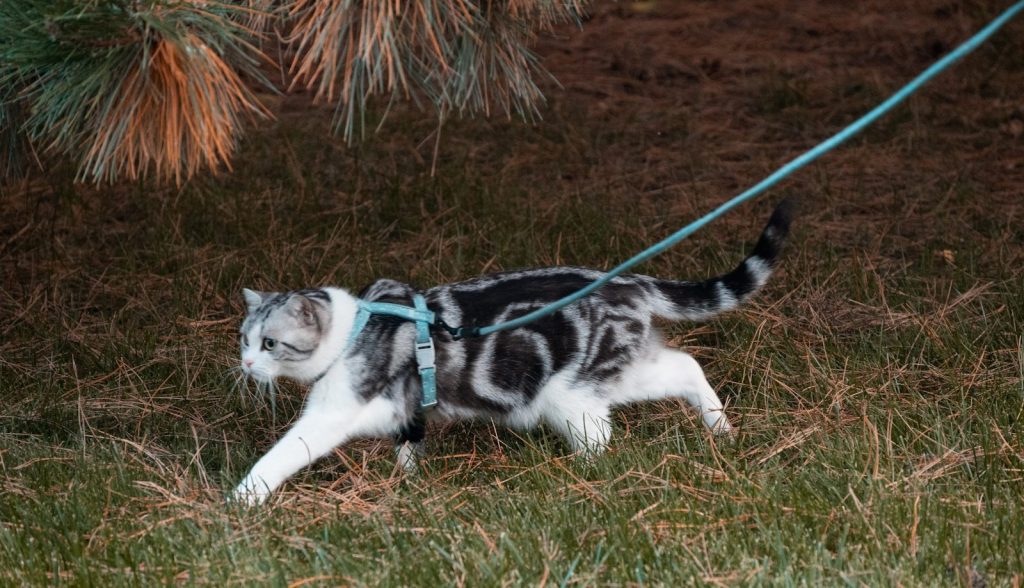
You can teach your companion to explore the yard safely using a harness. Start very slowly. According to veterinary behaviorists, positive reinforcement helps felines associate the gear with fun treats. This controlled exposure allows them to sniff the grass without any risk of getting lost. But you must verify their health checks first.
Checking Essential Annual Vaccines

Before stepping outside, ensure your cat has up-to-date parasite protection and vaccines. This is vital. According to the American Association of Feline Practitioners, outdoor soil carries dangerous pathogens. Protecting your pet’s immune system ensures they stay healthy during their supervised garden walks. There is one final step to secure your peace of mind.
Restful Indoor Lifestyles
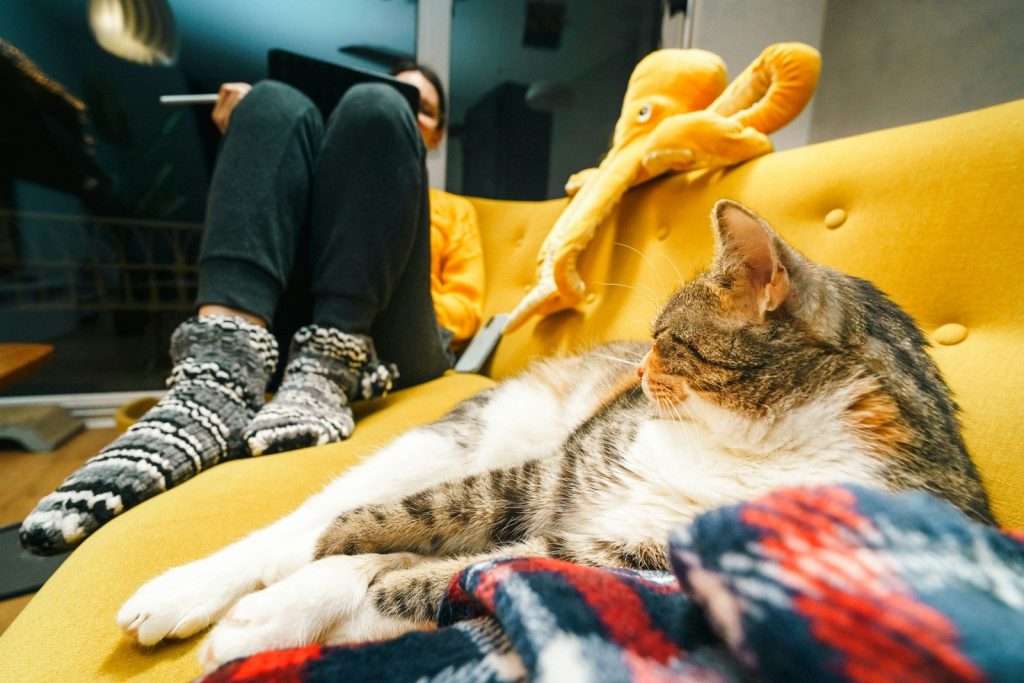
According to veterinary guidelines, keeping your companion indoors is the safest way to protect their long-term health. This article is for informational purposes only and does not constitute medical advice. Your dedicated care will ensure they enjoy a happy life.
Featured Image: Photo by Rumeysa Sürücüoğlu on Pexels