
Felines have a reputation for being mysterious, independent, and incredibly hard to read. We expect them to show their feelings clearly as dogs do.
But cats actually use a highly complex, silent language to communicate their daily mood. Are you missing their subtle signals of joy?
Reading The Tail Telegraph
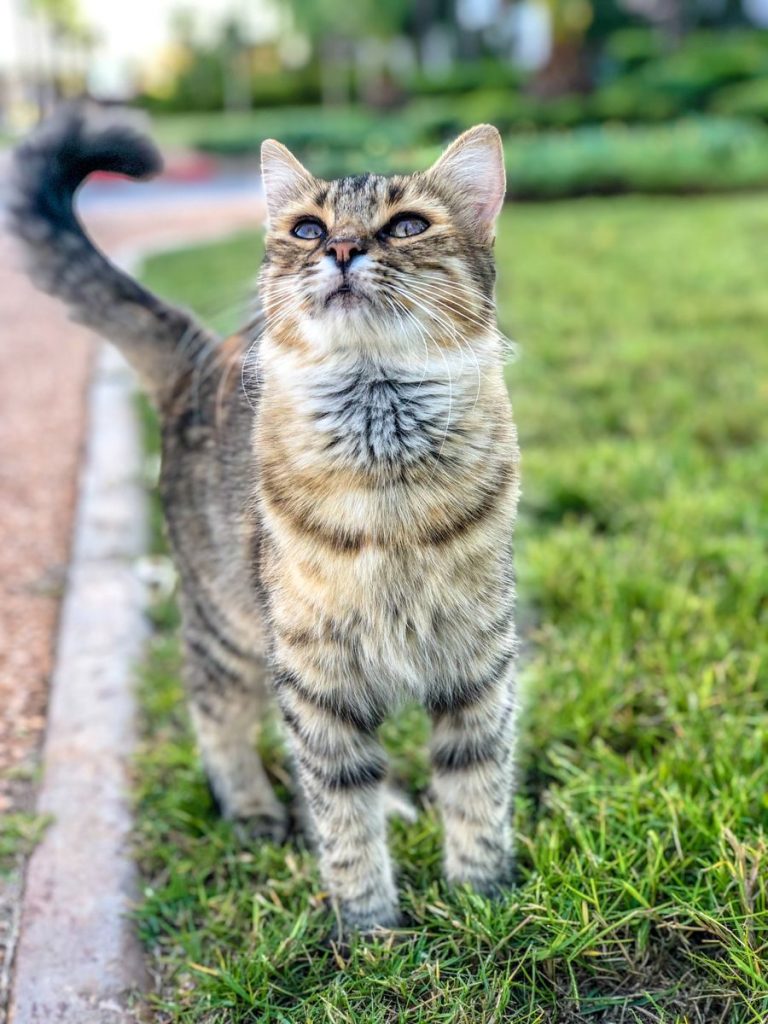
A cat’s tail is a highly sensitive indicator of their internal feelings. When your pet walks toward you with their tail held straight up, they are thrilled. A slight curve at the tip shows playful curiosity. According to the American Veterinary Medical Association, an upright tail is a clear sign of safety. But their posture offers another clue.
The Relaxed Loaf Position
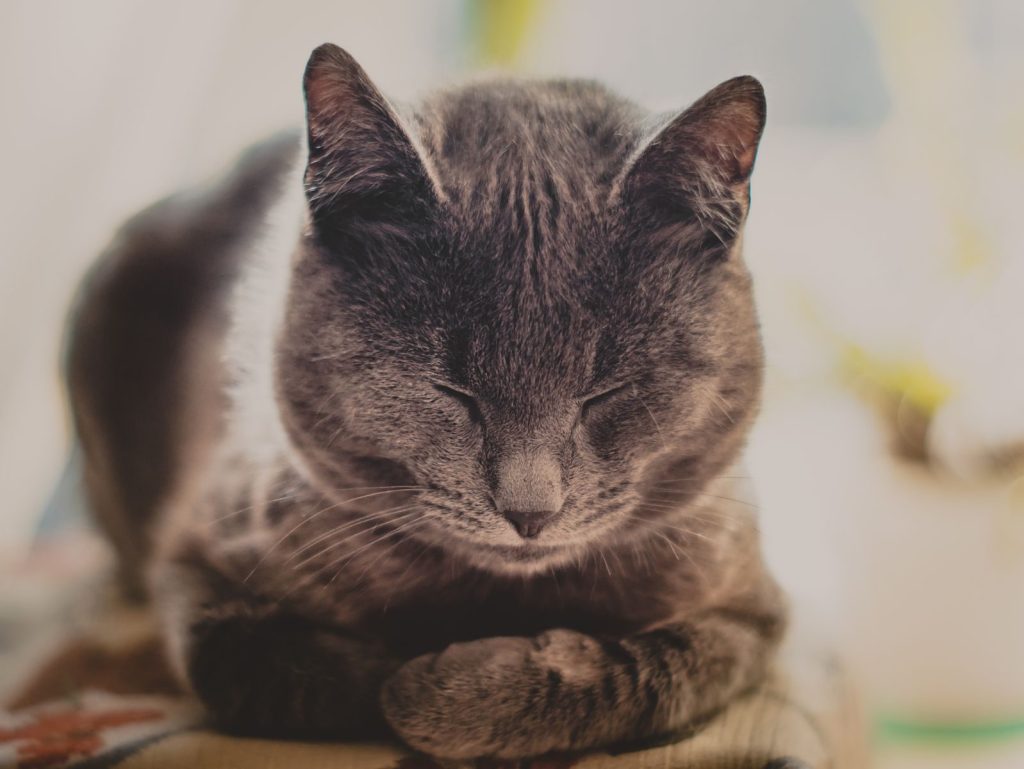
When a feline tucks its paws completely under its body, they are resting in the loaf position. They feel safe. This posture shows they feel entirely comfortable in their surroundings. They do not feel the need to stay alert for potential threats. This quiet display of security is a major compliment.
The Magic Of Slow Blinks
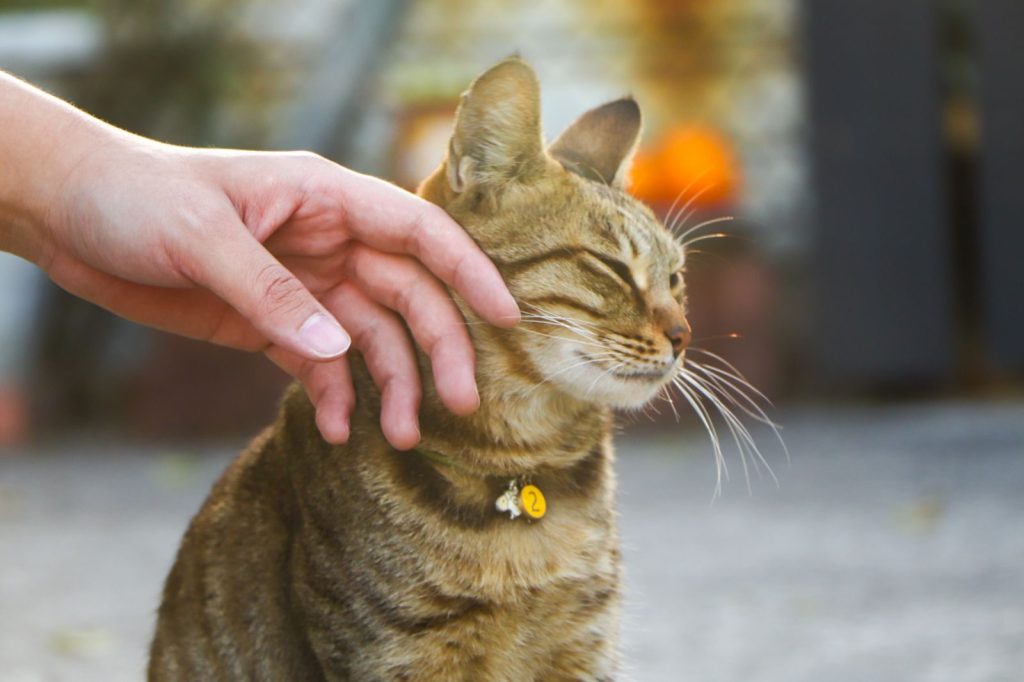
If your pet looks at you and slowly closes and opens their eyelids, return the gesture. This is love. Researchers at the University of Sussex confirmed that this slow blink is the feline equivalent of a warm hug. It builds immediate trust and shows deep affection. They might also welcome you with a specific sound.
Happy Trills And Chirps
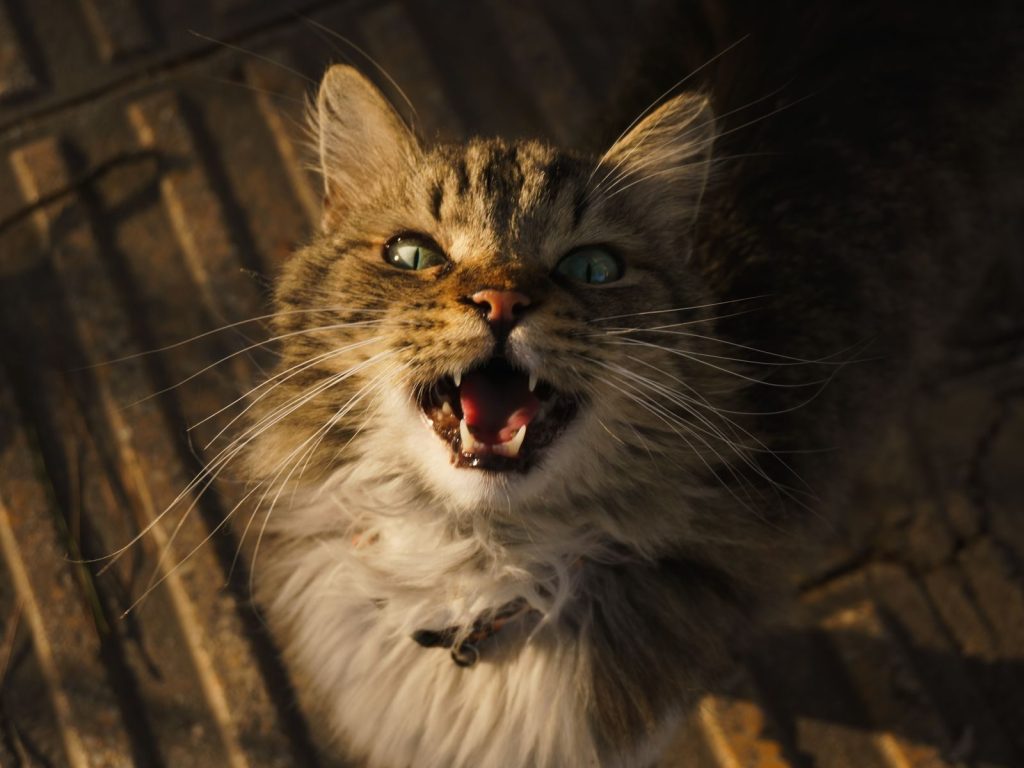
While a loud meow can mean hunger, soft chirps and trills are pure expressions of joy. They use these vocalizations to greet their favorite humans. According to reports from the Cornell Feline Health Center, these sounds stem from early kittenhood communication with their mothers. It shows they are excited to interact. But their play habits can reveal even more.
Engaging In Playful Mischief
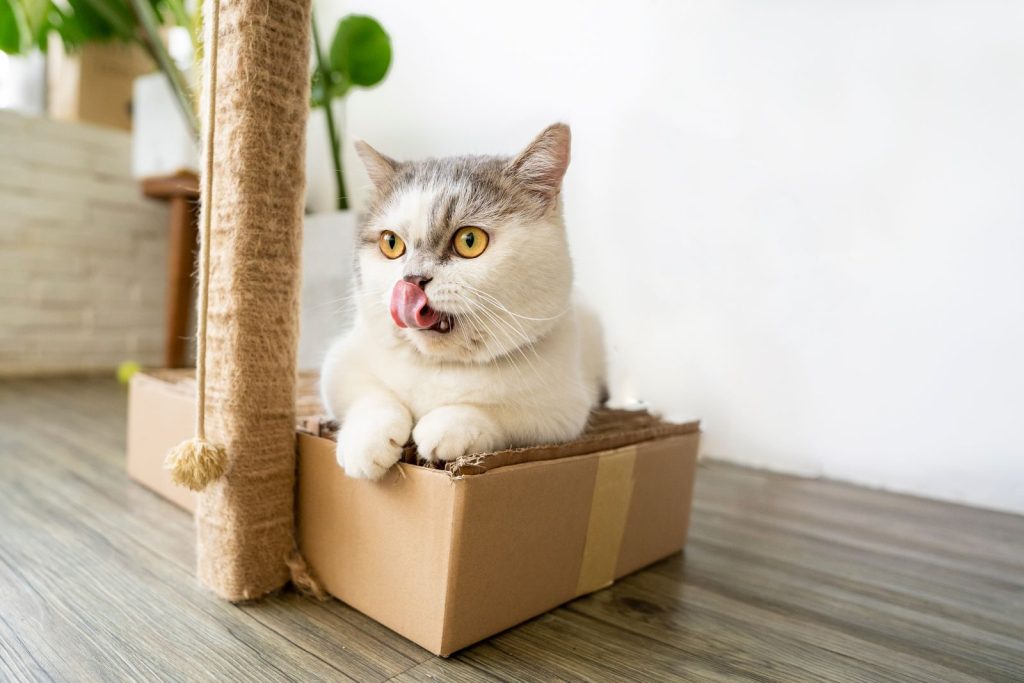
Curious felines actively seek entertainment throughout the day by chasing toys and inspecting cardboard boxes. This playfulness indicates high energy. If your senior pet still shows interest in simple games, they are thriving. However, watch out for sudden changes in their daily habits. This consistency is highly important.
Keeping A Clean Coat
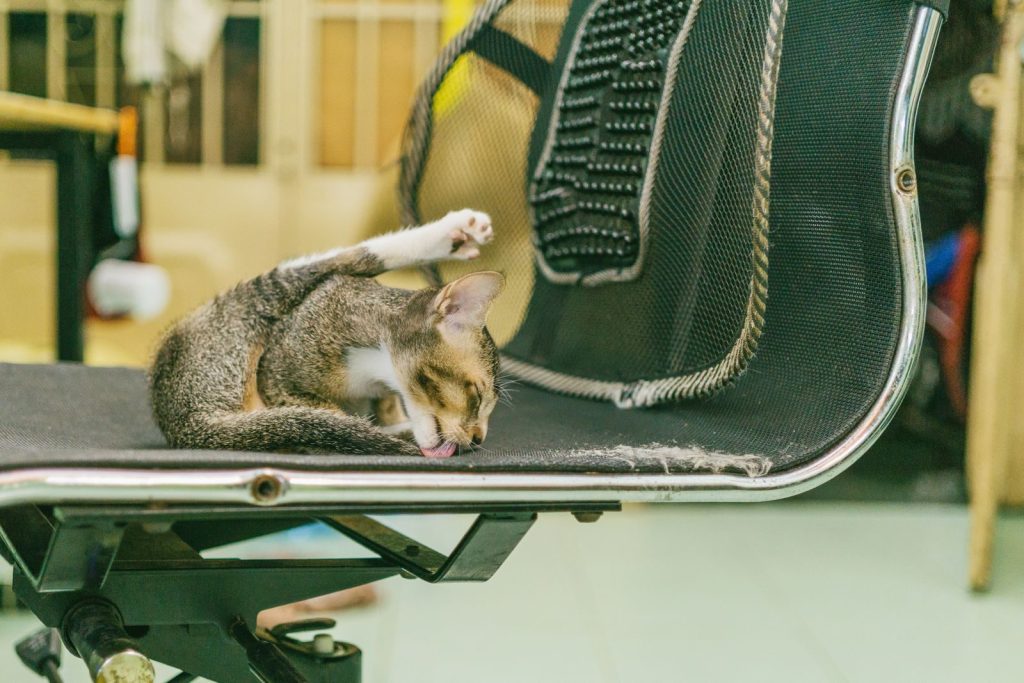
Felines are exceptionally clean animals that spend hours grooming their fur daily. A happy, healthy cat maintains a sleek, soft coat with no mats. According to reports from the veterinary community, self-care is a clear sign of physical comfort. If they neglect their fur, they might be hiding an illness.
Eating Meals Eagerly Daily
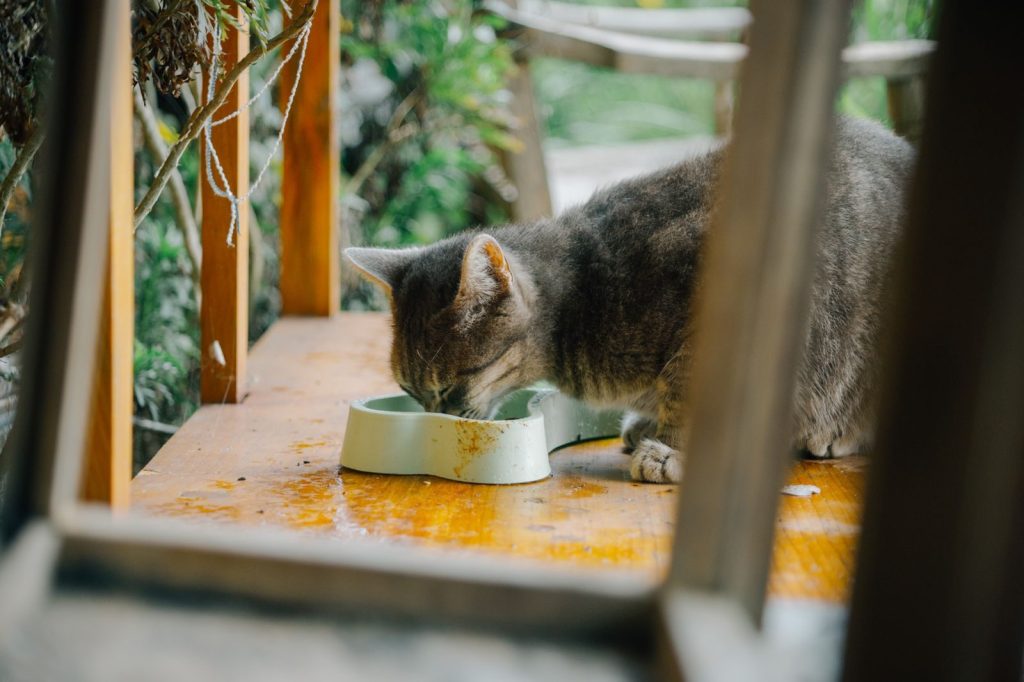
A strong appetite is a fantastic indicator of a contented feline companion. Happy cats look forward to their scheduled mealtimes and eat with enthusiasm. If they suddenly start refusing their favorite treats, it could signal hidden stress. Always monitor their water intake closely. There is one final display of joy to check tonight.
The Comfort of Couch Cuddles
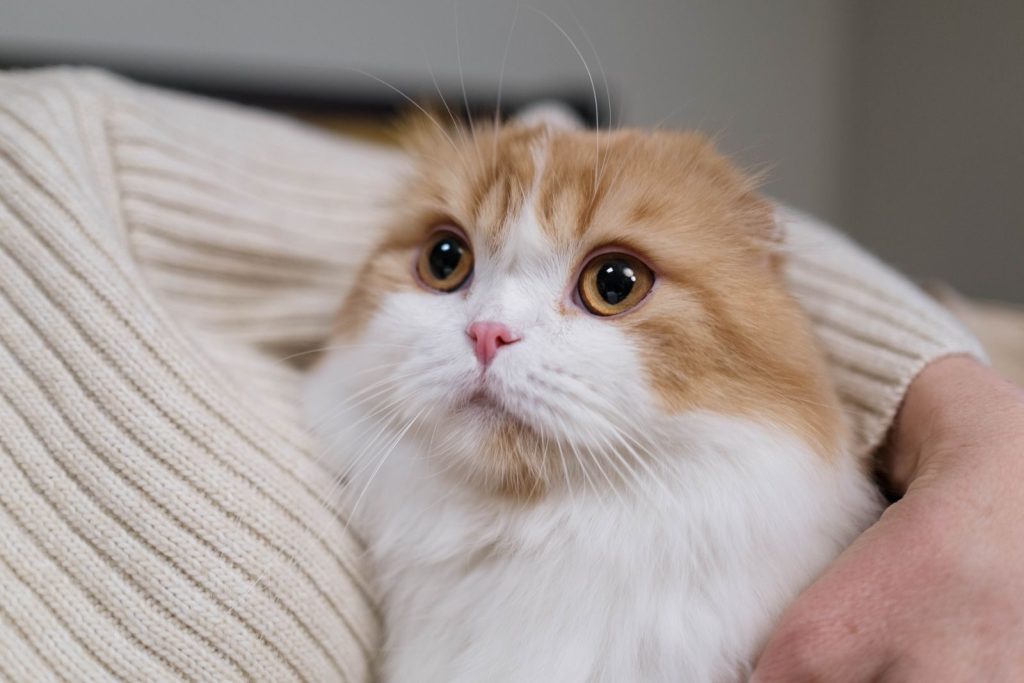
Cuddling up on your chest is your cat’s way of showing complete contentment. They feel secure. This article is for informational purposes only and does not constitute veterinary advice. Keep offering gentle love, and your companion will reward you with endless happy purrs.
Featured Image: Photo by Lucas Pezeta on Pexels