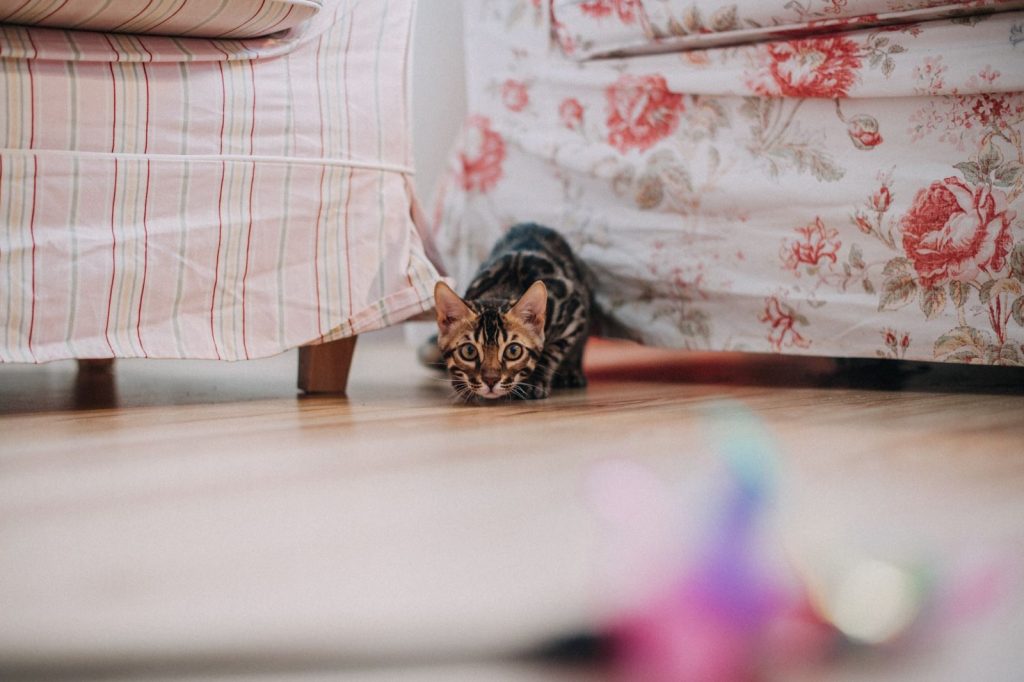

Many pet parents assume they can easily train a young kitten to follow the household rules. We expect to correct their behavior with simple words and consistent boundaries.
But some mischievous pets engage in antics that are simply too adorable to scold. Their hilarious mistakes often leave owners laughing instead of teaching lessons.
The Kitchen Counter Climb
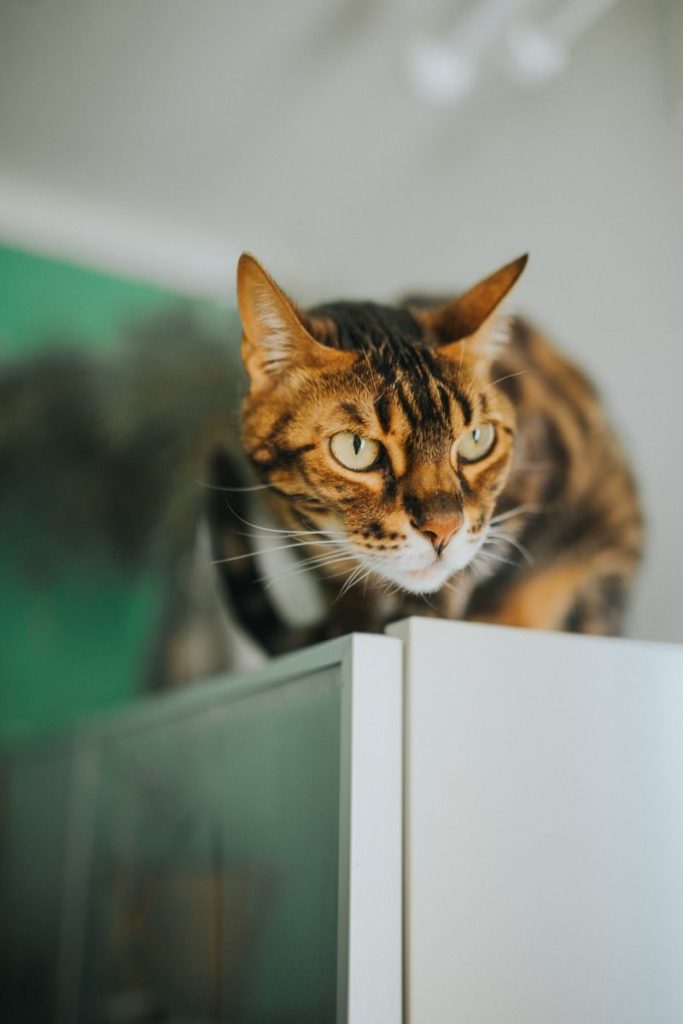
A young tabby named Leo recently went viral after climbing onto a high kitchen cabinet. He looked proud. According to the Cornell Feline Health Center, young kittens are natural explorers who crave vertical heights. Leo sat on the top shelf, batting at dangling strings. His owner walked inside, ready to scold him for his dangerous climb.
The Power Of Cuteness
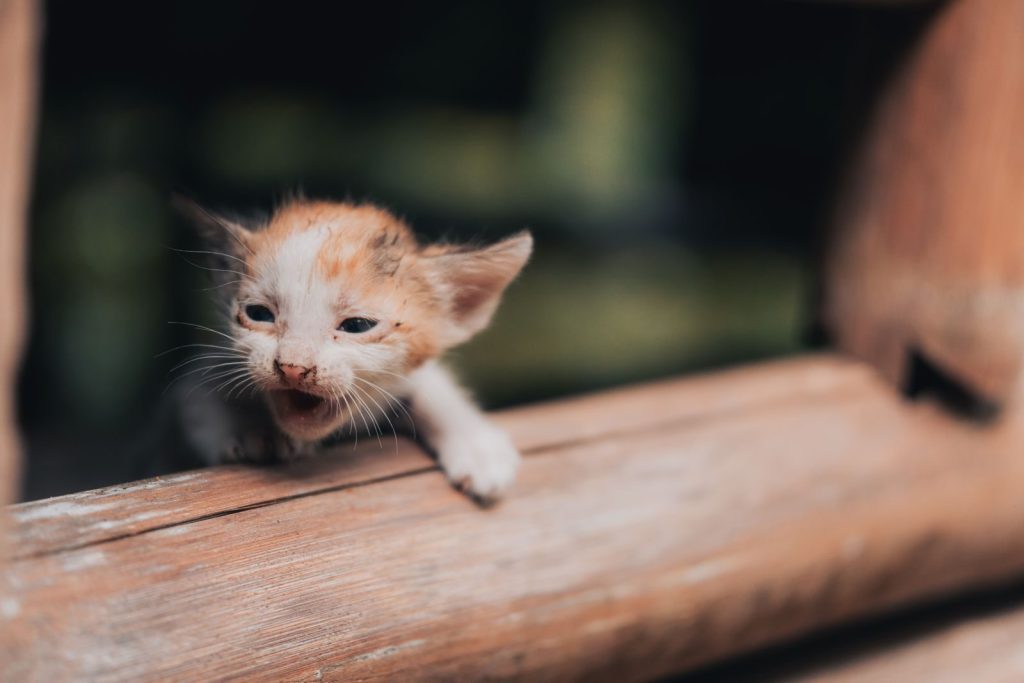
Instead of running away, the kitten let out a soft meow and tilted his head. He looked adorable. According to research from the University of Sussex, felines adapt their vocal pitches to mimic human babies. This acoustic trick triggers our natural caretaking instincts instantly. It makes correcting their behavior incredibly difficult for owners.
Reading Feline Visual Clues
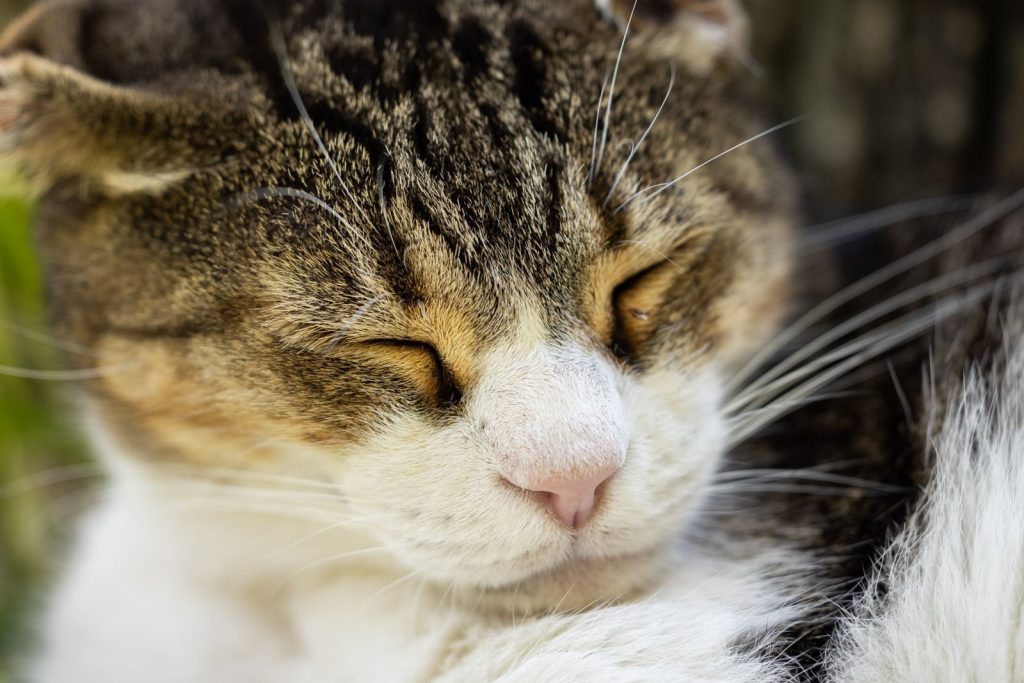
Leo slowly closed his green eyes and offered a soft, relaxed, slow blink. He was calm. According to reports from animal behaviorists, this gesture is the ultimate feline equivalent of a warm hug. It shows complete trust and affection toward the owner. The owner immediately dropped her scolding tone, offering him a treat instead.
Learning From Your Reactions
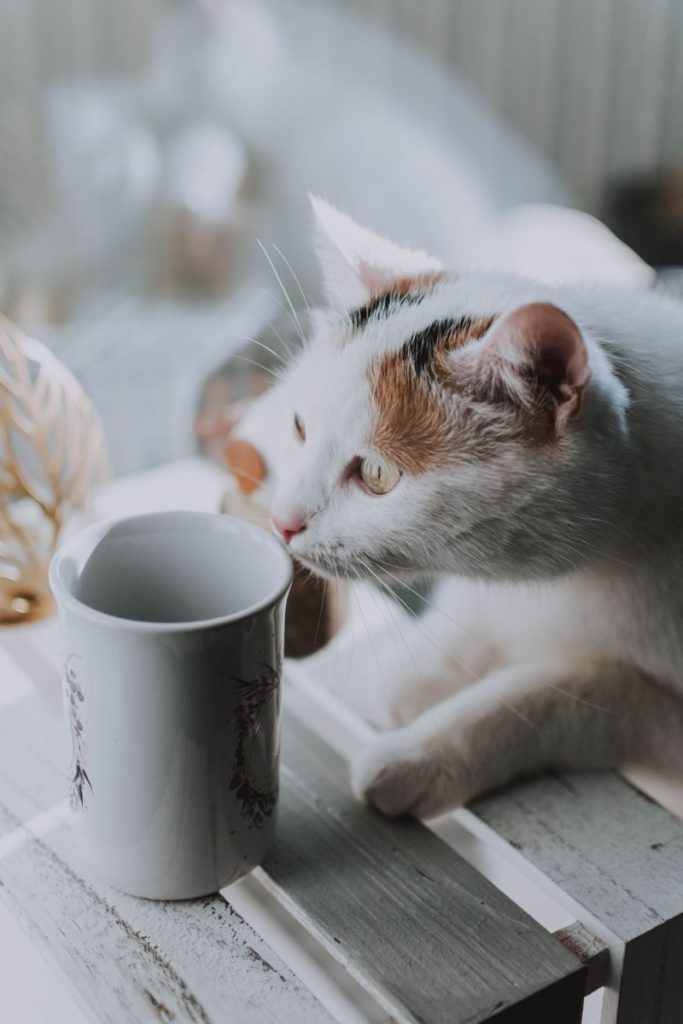
Kittens are highly observant and track your emotional reactions to their daily antics. They learn quickly. According to the American Veterinary Medical Association, cats repeat behaviors that result in positive attention or treats. If you laugh when they knock over a plastic cup, they will do it again. This cognitive association can quickly turn into a regular habit.
Setting Soft Play Boundaries
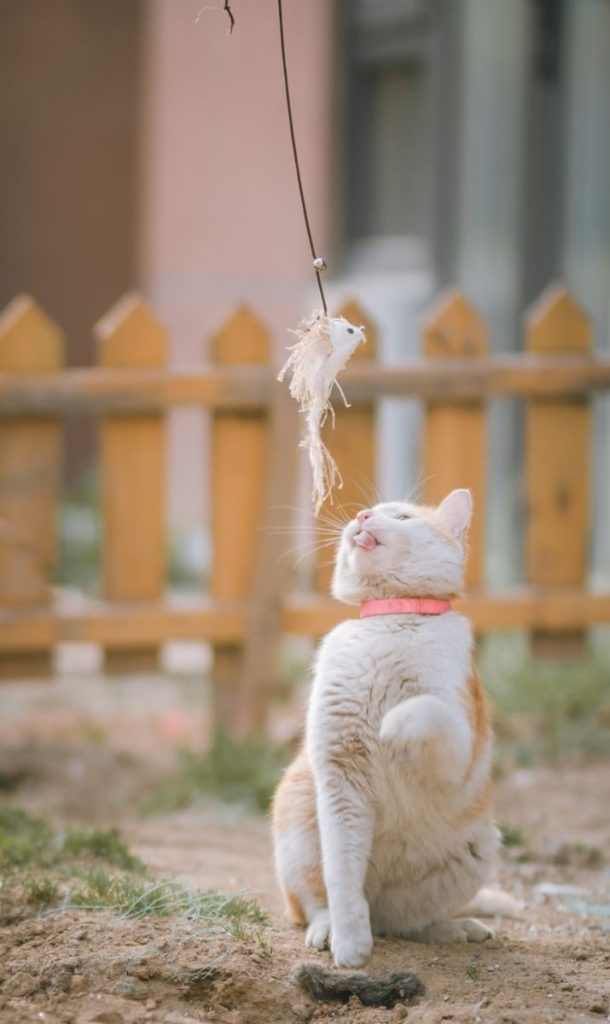
To keep your home safe, you must redirect their high energy toward interactive toys. Use wand toys. According to the Humane Society, structured play sessions prevent common behavioral issues in growing cats. Spend fifteen minutes every afternoon helping them burn off excess energy. This positive outlet keeps their minds active and out of mischief.
Upgrading Your Toy Stash
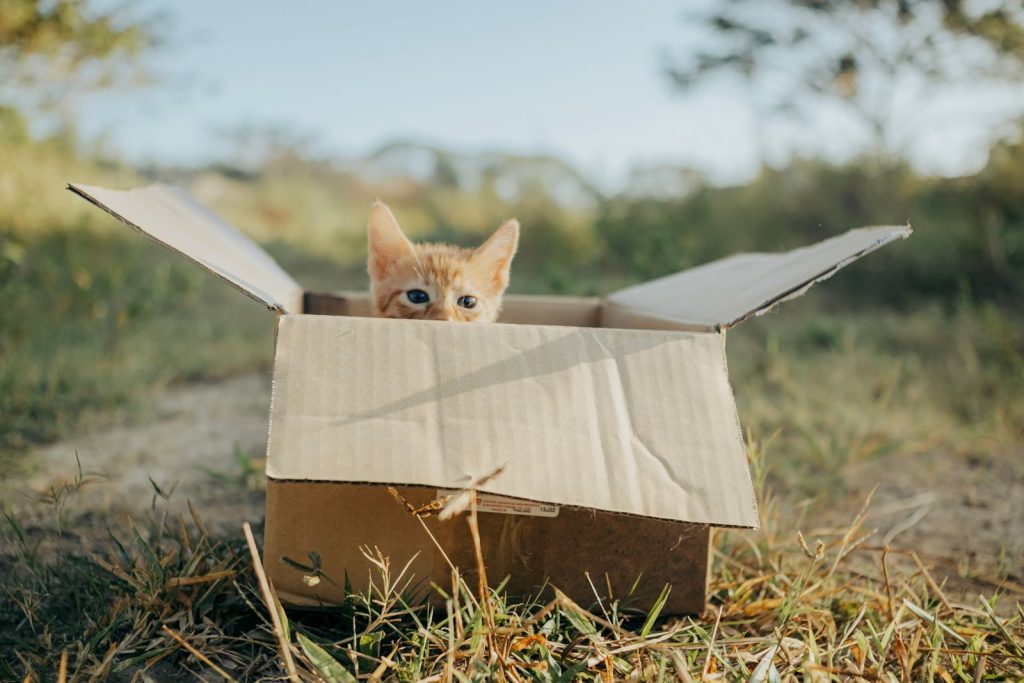
Provide plenty of sturdy scratching trees and cardboard boxes around the living room. They love boxes. These simple items satisfy their natural urges to climb and hide safely. A happy cat is much less likely to target your kitchen cabinets. But there is one final training rule to keep in mind tonight.
A Happy Focused Companion

Being patient with your training is the ultimate key to a happy home. They trust you. This article is for informational purposes only and does not constitute veterinary advice. With consistent rewards and gentle guidance, your companion will grow into a well-behaved pet.
Featured Image: Photo by Helena Jankovičová Kováčová on Pexels