

Many pet owners assume their outdoor felines are completely safe in the yard. We believe they will always return home for dinner.
But several hidden dangers can easily drive a cat to wander off permanently. Understanding these environmental risks can help you protect your pet.
The Allure of Prey
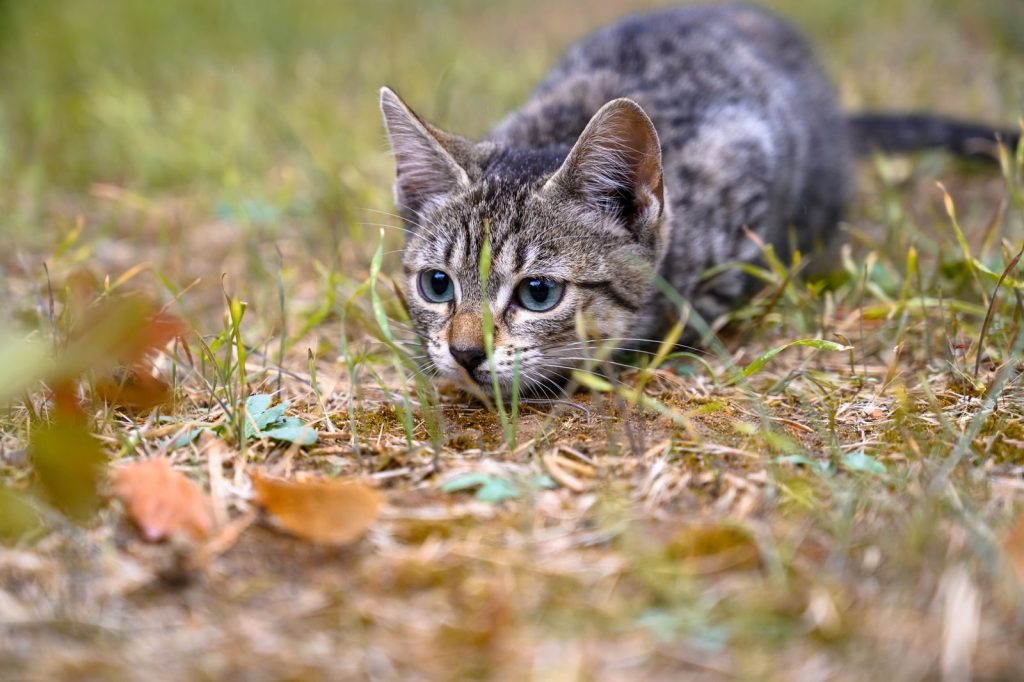
Felines are natural predators that possess an incredibly high hunting drive. They track birds. If a cat spots a mouse or squirrel, they will chase it deep into unfamiliar territory. This intense focus can easily cause them to lose track of their surroundings. But their curiosity is not the only reason they travel far.
Territorial Disputes Nearby
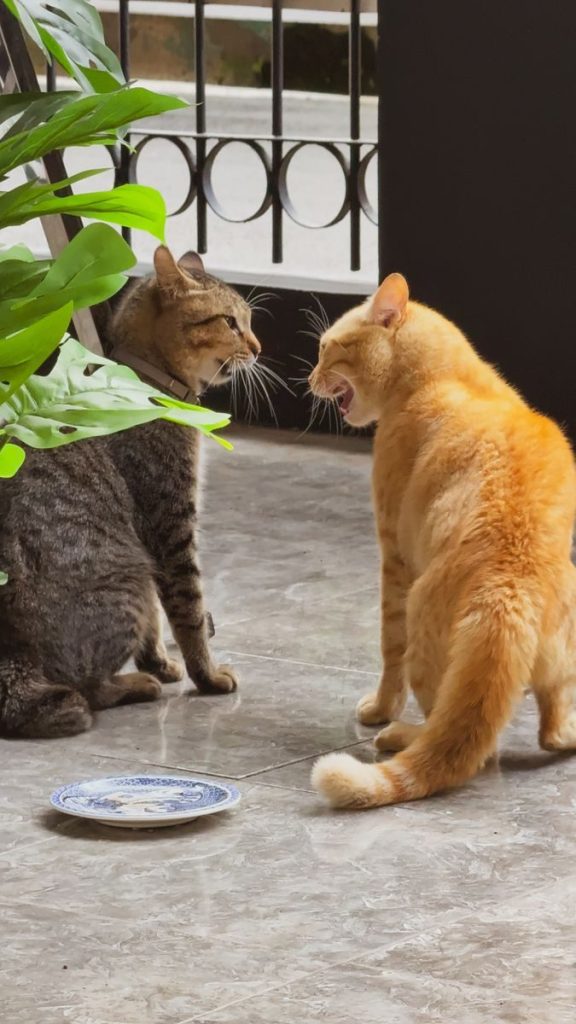
Neighborhoods often contain complex territories mapped out by local outdoor cats. They fight. If a strange cat invades your yard, your pet might run away to escape the conflict. According to the American Veterinary Medical Association, territorial stress is a major reason felines wander off. They seek safer spaces.
The Search For Food

Stray cats will often visit multiple houses to find easy, reliable meals. They are opportunistic. If a neighbor leaves out high-quality food, your pet might decide to stay there permanently. This soft self-adoption is highly common, leaving original owners confused. Fortunately, you can prevent this.
Severe Weather Changes

Heavy winter storms and sudden rain can quickly wash away familiar scent markers in your neighborhood. They get lost. Without these olfactory clues, a disoriented cat struggles to find their way home safely. They will seek shelter inside open garages or under warm cars. But this hiding habit carries serious risks.
Getting Trapped In Garages
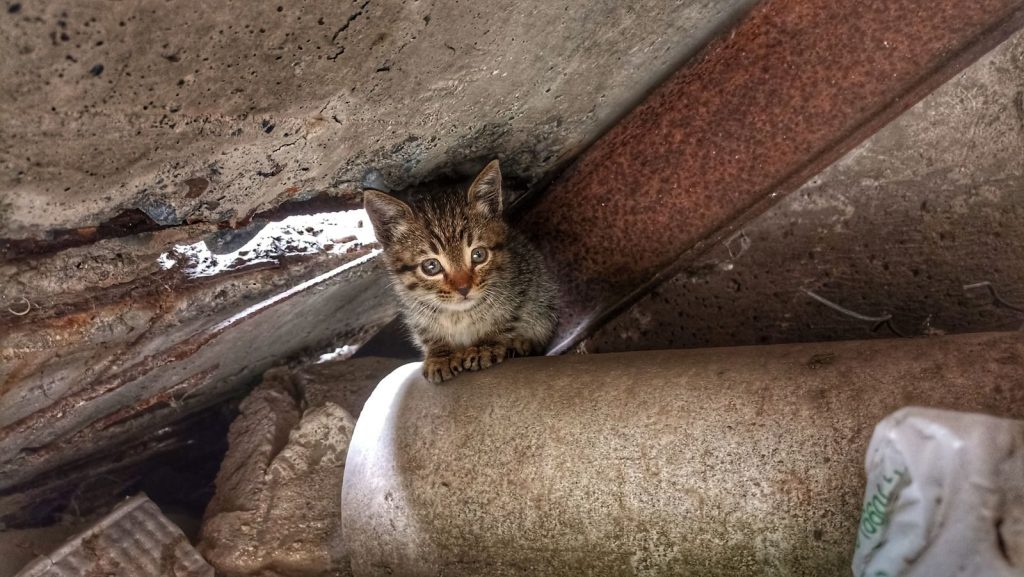
Curious cats frequently climb inside open sheds, crawlspaces, or utility boxes to find shelter. They get locked inside. A homeowner might close the door without realizing a small guest is sleeping in the corner. This accidental confinement can prevent them from returning home for days. But there is a simple way to protect them.
The Power of Microchips
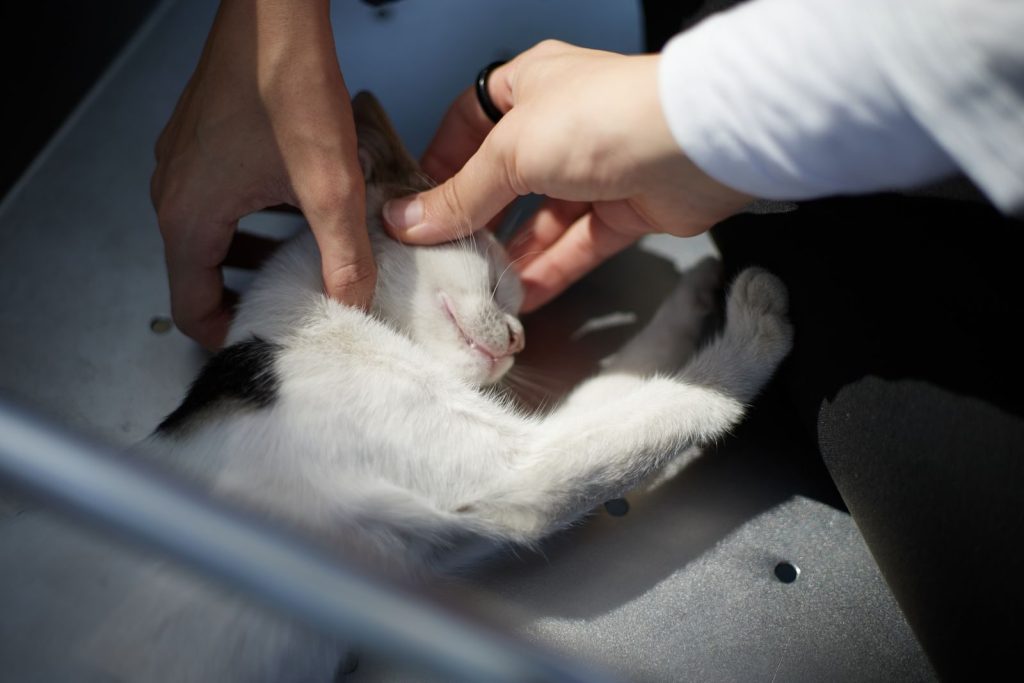
According to reports from the Humane Society, microchipped pets are far more likely to be reunited with their families. It works. A microchip is a permanent, painless ID that shelters can scan instantly. Always keep your contact information updated with your local registry. There is another critical step to take today.
Keeping Your Home Secure

Check your window screens and door latches regularly to prevent accidental escapes. Safety comes first. Providing vertical climbing posts and window perches inside keeps your pet entertained without any risk of escape. This environmental enrichment reduces their desire to explore the streets. But before you change their routine, consult a professional.
Speak With Your Vet
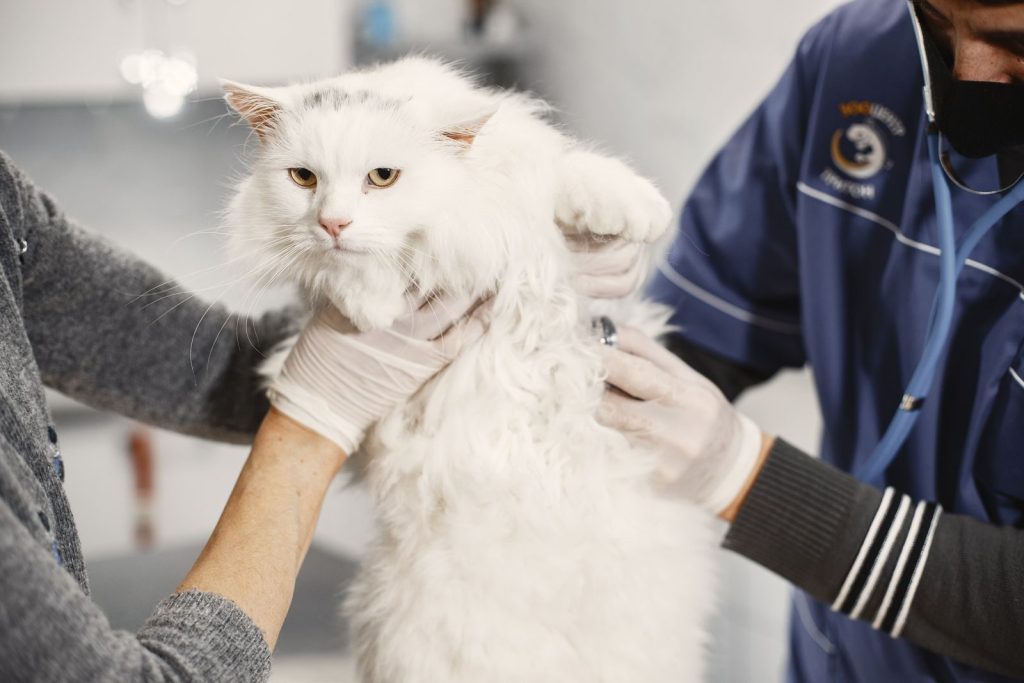
Always talk to your family veterinarian if you notice sudden changes in your pet’s outdoor behavior. This article is for informational purposes only. Keeping your pet safely indoors is the best way to ensure their health.
Featured Image: Photo by Alexas Fotos on Pexels