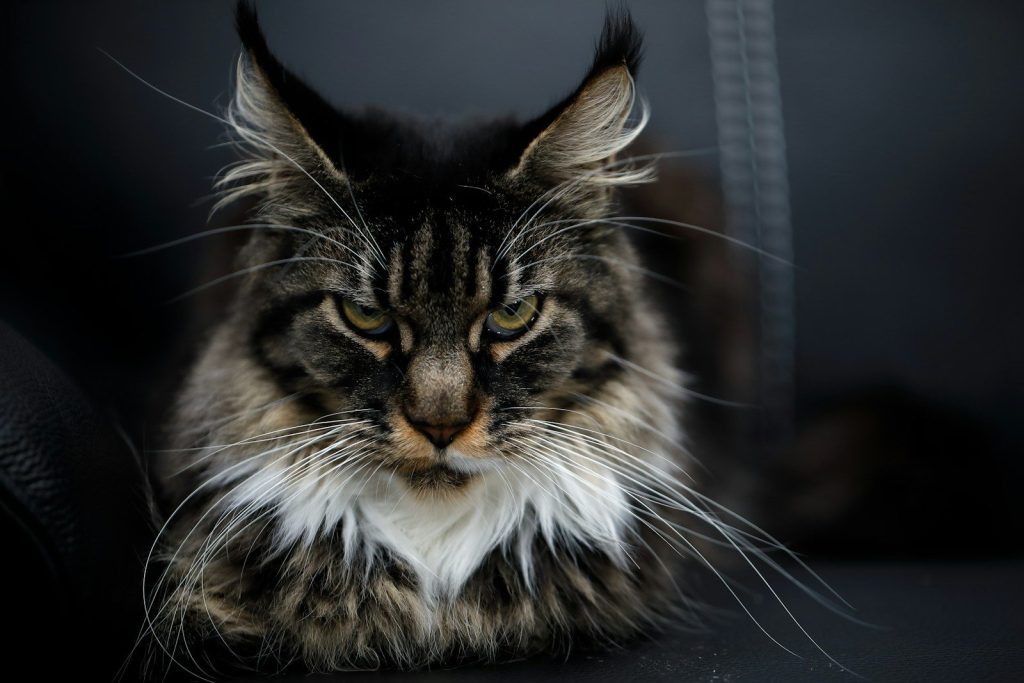

Maine Coons are famous for reaching massive physical sizes that stun first-time visitors. They look like powerful wild predators.
Yet, these oversized felines are celebrated for being incredibly sweet and patient pets. Why are these giants such gentle softies?
An Unbelievable Physical Growth
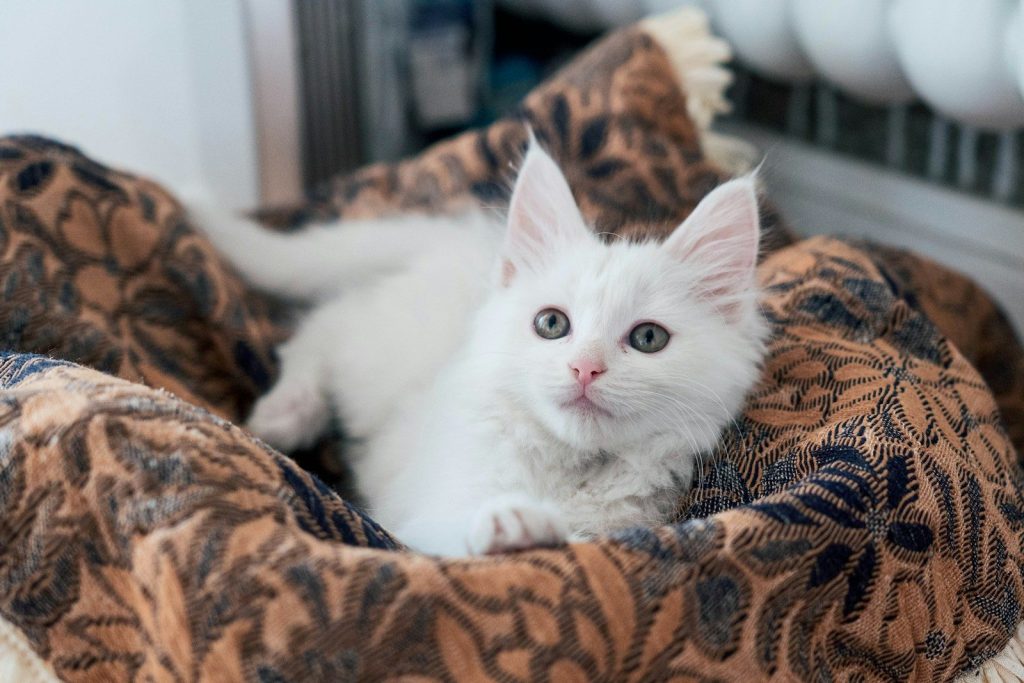
A beautiful rescue cat named Cleo arrived at her new home looking like a normal kitten. She was tiny. But she quickly outgrew her beds and scratchers within a few months. Her owners realized they were dealing with a Maine Coon mix. This majestic breed grows much slower than average domestic felines, leading to some surprising physical changes.
The Majestic Double Coat
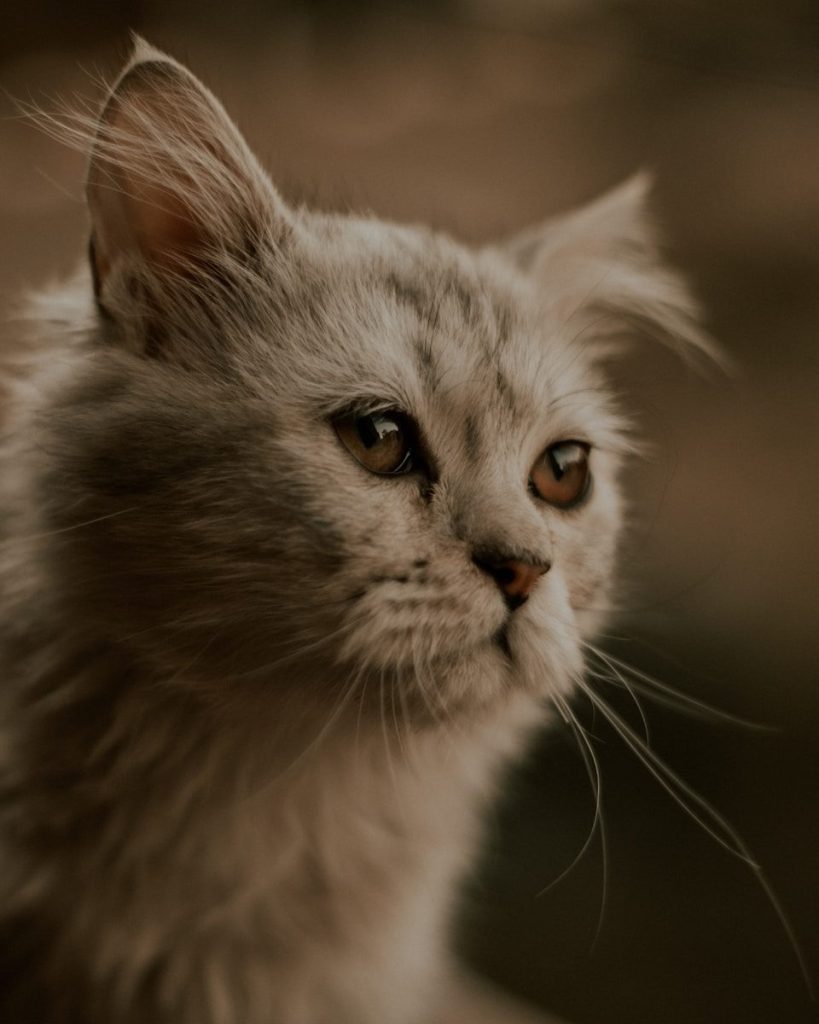
Cleo developed a dense, luxurious double coat with beautiful tufts of hair on her ears. She looked like a miniature lion ruling over the living room. According to reports from the Cat Fanciers Association, their thick fur originally protected them from harsh winters. This wild appearance makes their gentle behavior feel even more surprising.
A Highly Social Companion
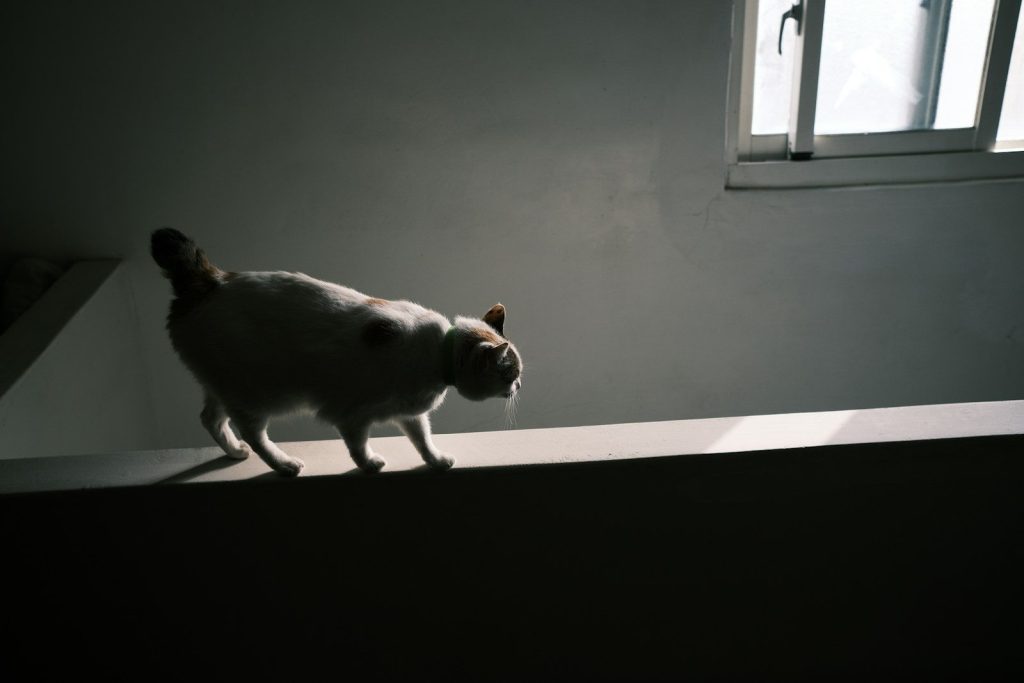
Unlike many independent cats, Maine Coons love participating in every household chore. They will follow you from room to room like a shadow. They crave human closeness and enjoy greeting visitors at the front door. This social personality makes them excellent therapy pets. But their daily routine holds another surprising dog-like trait.
Playing Fetch In The Hallway
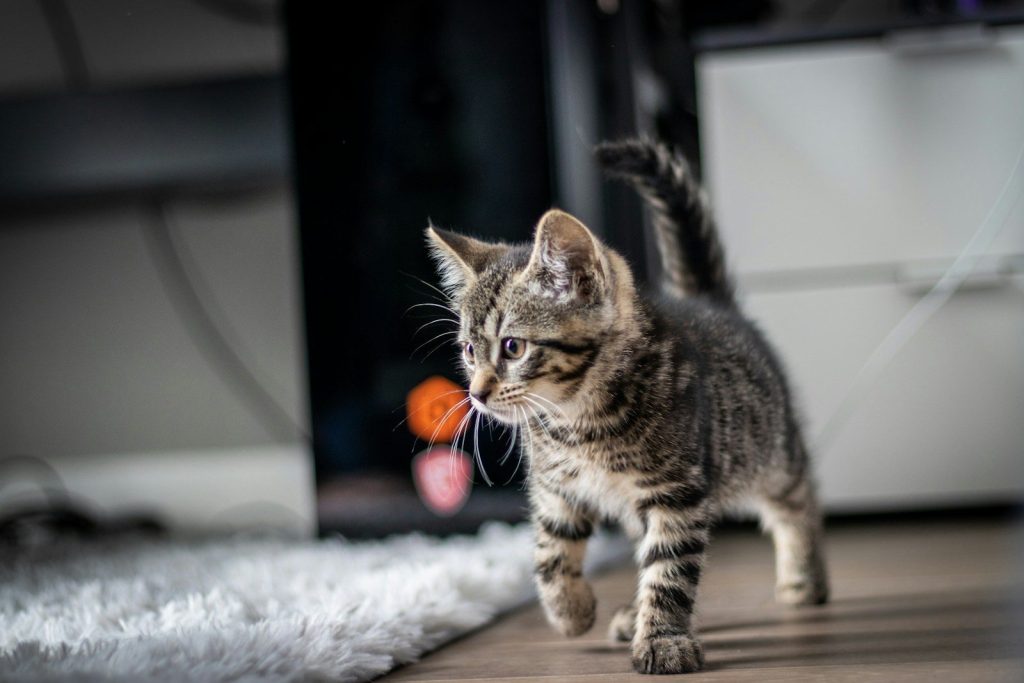
These large felines often learn to retrieve small paper balls and bring them back to you. They love interactive games. According to veterinary behaviorists, their high intelligence makes them highly responsive to positive training methods. They will practice these skills daily to stay close to their humans. However, their massive size requires some home adjustments.
Upgrading Your Home Accessories
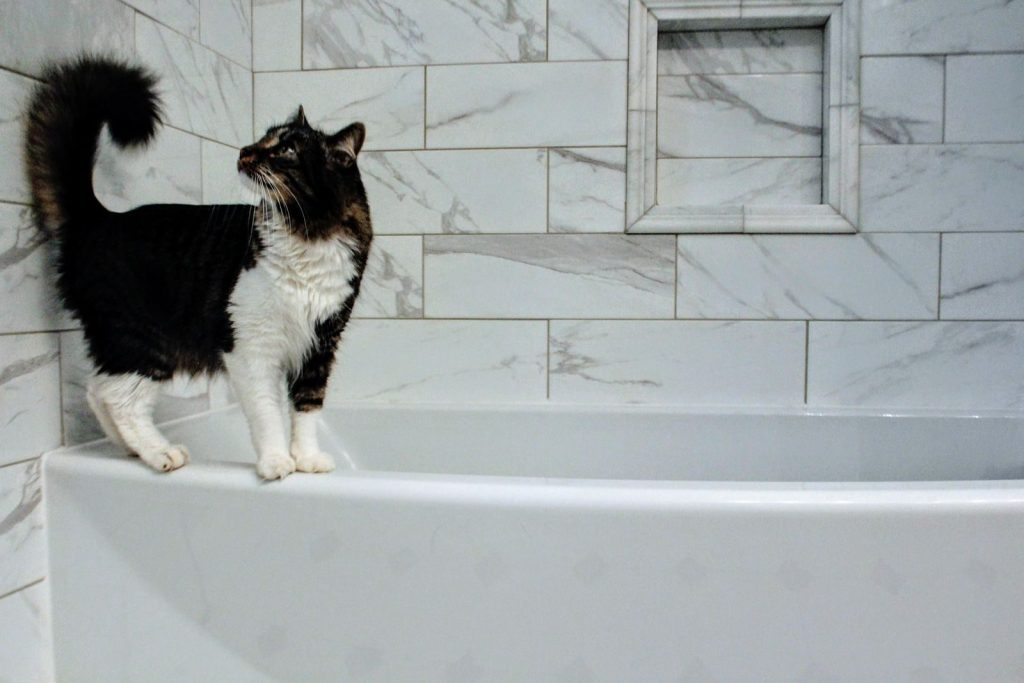
Standard plastic litter boxes are simply too small for a twenty-pound cat. They get uncomfortable. You must buy extra-large pans or customized storage bins to give them proper space. This simple upgrade prevents common behavioral messes and keeps your home clean. But their expensive furniture also needs a major test.
Sturdy Heavy Duty Scratching Towers
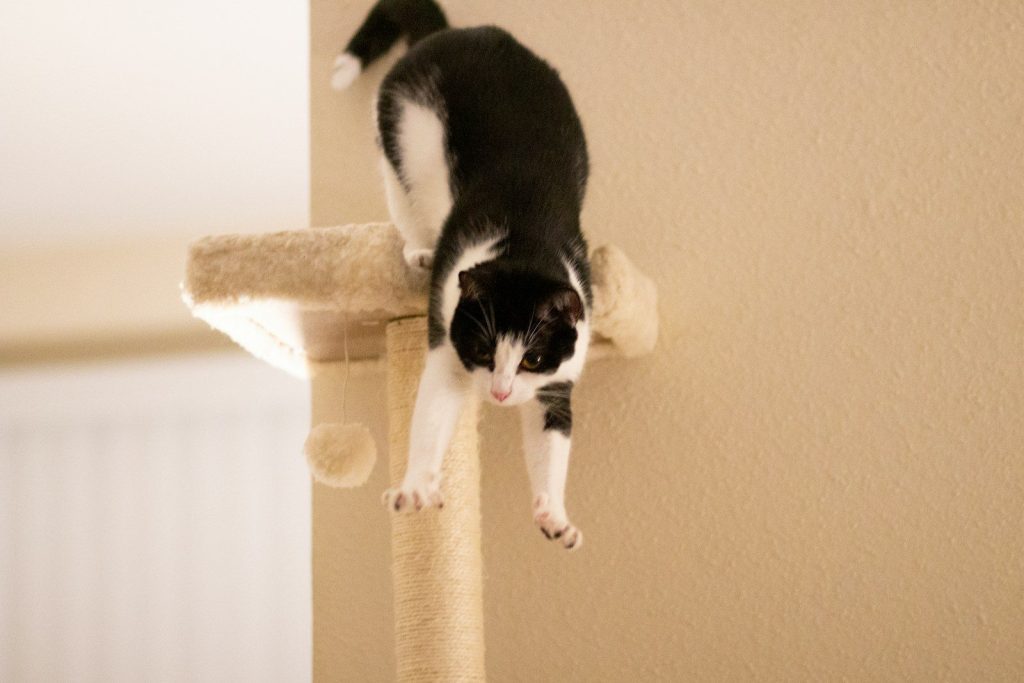
A massive feline can easily topple a cheap scratching post during play. They need stability. According to the American Veterinary Medical Association, scratching is a vital physical need that stretches their heavy muscles. Invest in thick sisal towers that are securely bolted to your floor. But their dietary needs are also significantly larger.
Managing Their Slow Maturity
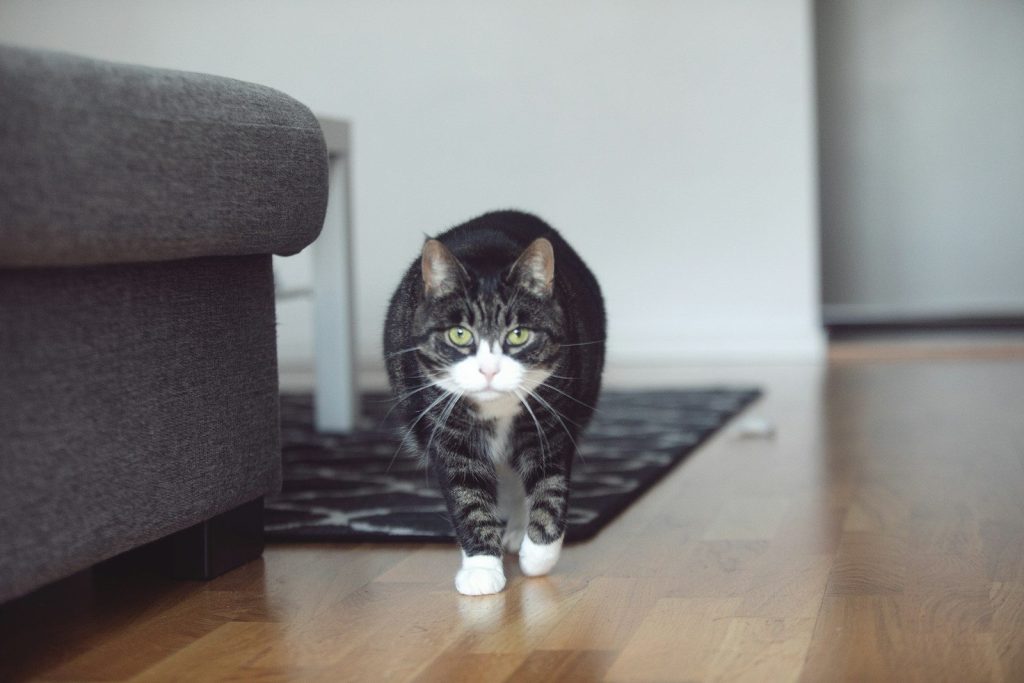
These giant felines take up to four years to reach their full adult size. They stay kittens longer. This slow development means they keep their playful, mischievous personalities for years. Always monitor their joint health during these growth spurts. Your family veterinarian can help you track their physical changes safely.
A Lifetime of Shared Love
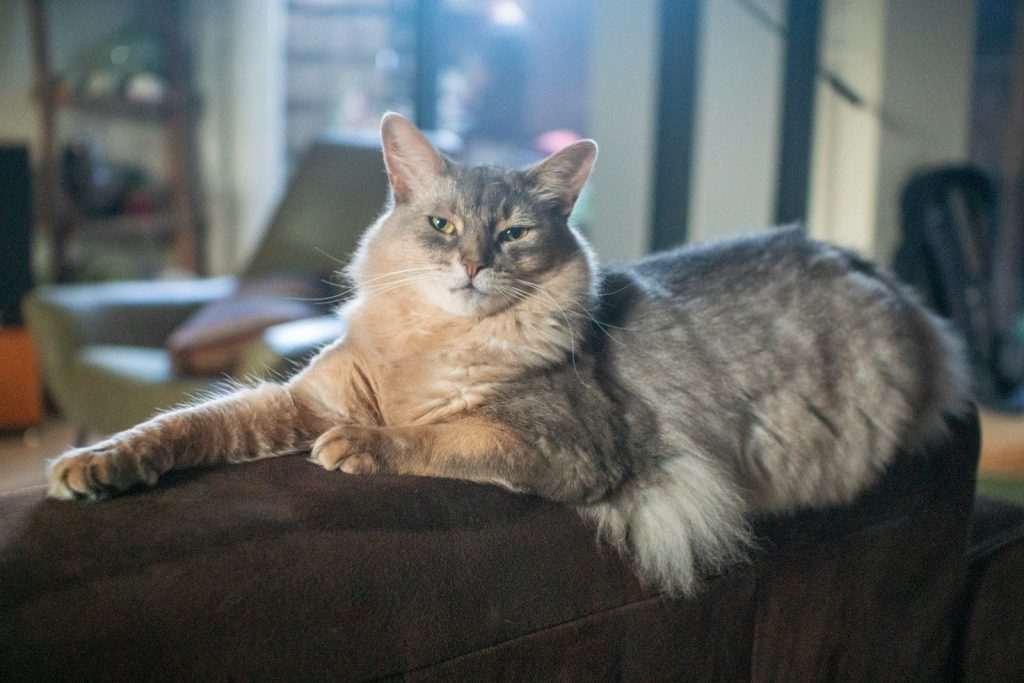
Bringing a giant companion into your home is a rewarding commitment. They are wonderful. This article is for informational purposes only and does not constitute medical advice. Your careful planning ensures a happy, healthy life for your giant friend.
Featured Image: Photo by Thierry LEMARECHAL on Unsplash