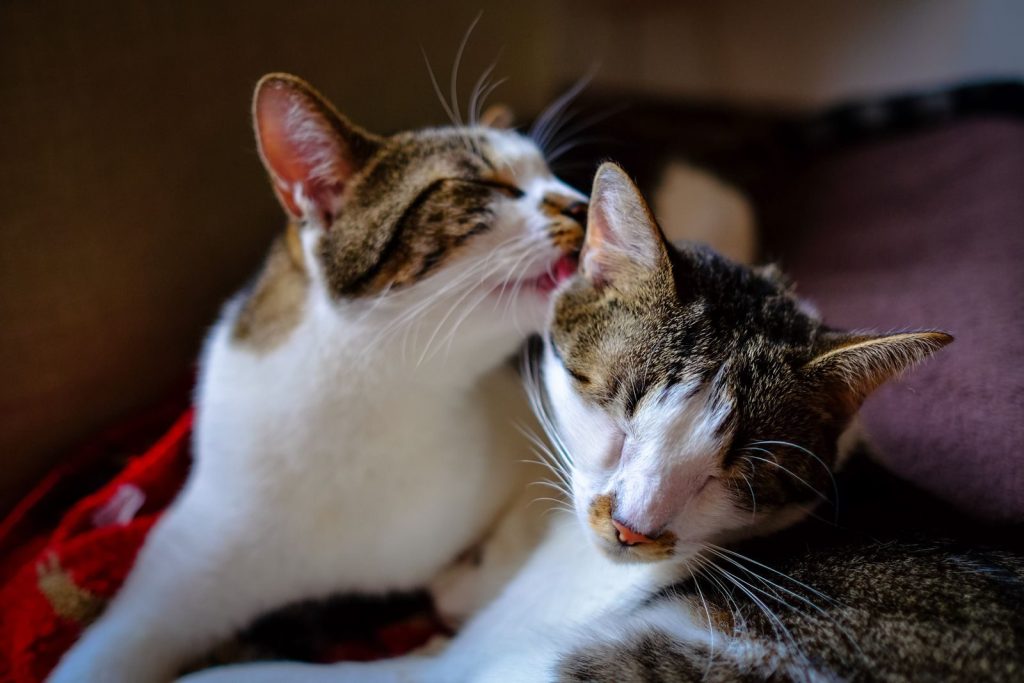

Grooming is a vital part of keeping your indoor pet healthy and comfortable. It keeps their fur clean and reduces dangerous hairballs.
However, many cats find the sound of brushes and nail clippers incredibly terrifying. How can you transform this stressful chore into a peaceful bonding routine?
The Secret of Slow Introductions
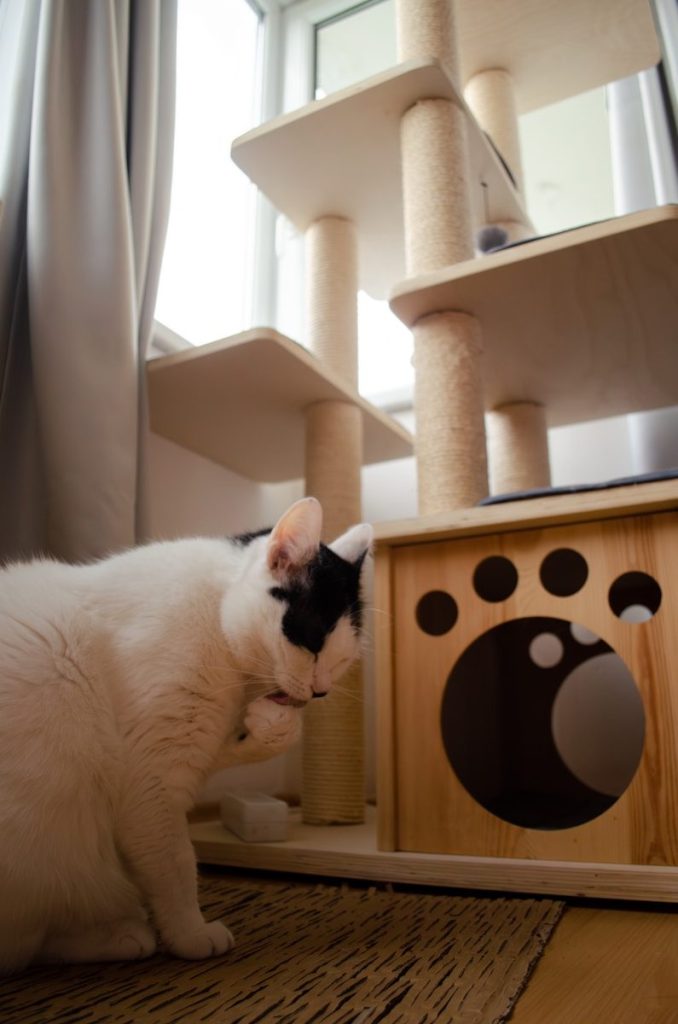
Never try to brush your cat or trim their claws on the very first day. This causes panic. Start inside by letting your pet sniff the grooming tools on the living room rug. Place a delicious treat near the brush to build a positive association with the gear. This slow introduction is vital to keep them relaxed.
Using High Value Treats Daily
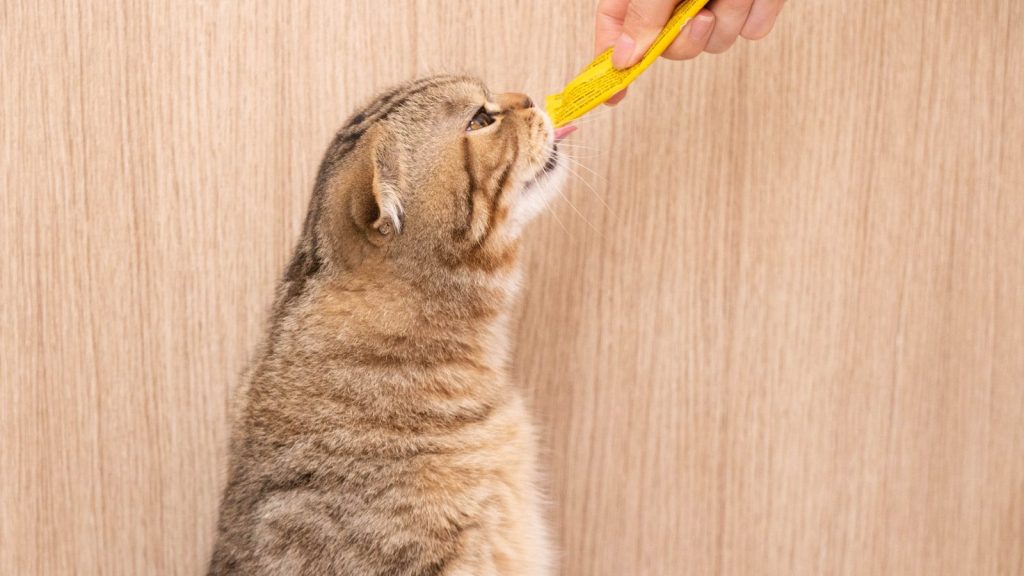
Gently touch your cat’s paws or back with the brush while offering their favorite wet food. This distraction works. They will quickly connect the physical sensation of grooming with a delicious reward. According to reports from the Humane Society, short, positive sessions are most effective for building trust. This patience prevents their typical defensive reaction.
Target Their Favorite Scent Glands
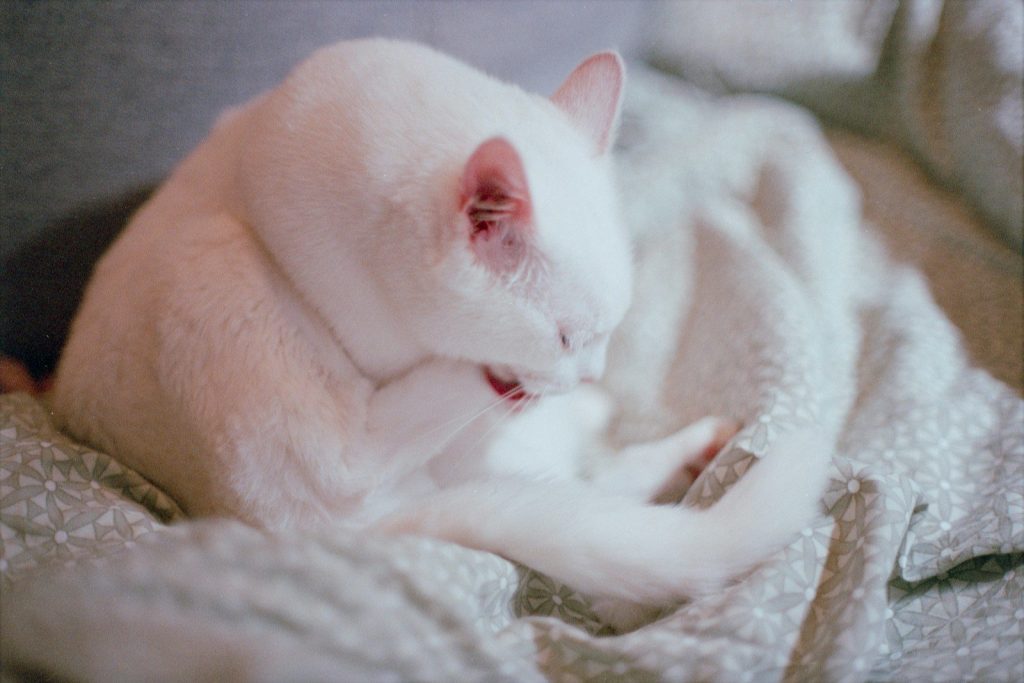
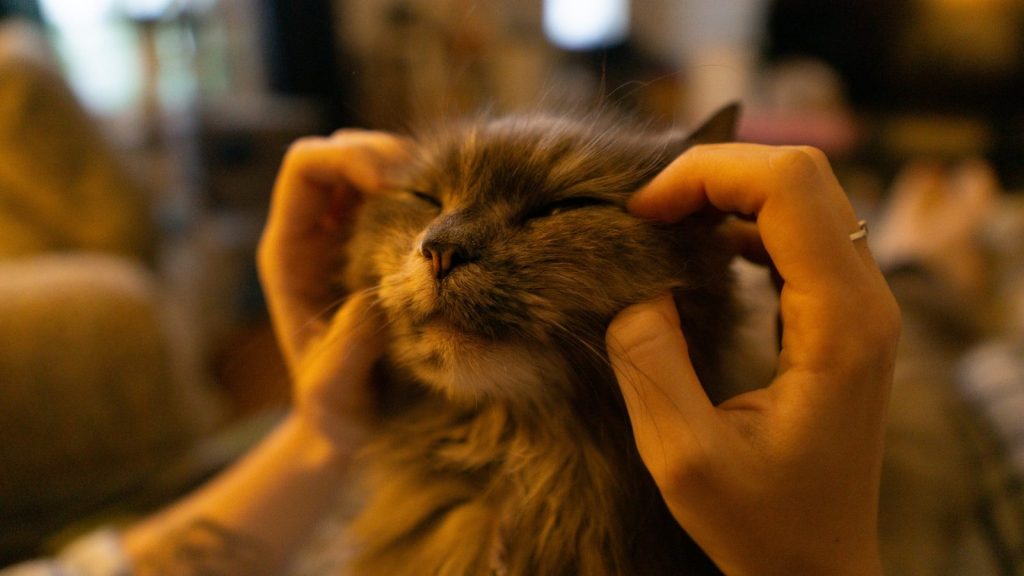
Cats love being scratched around their cheeks, chin, and ears because they have active scent glands there. It feels calming. Start your grooming sessions by gently brushing these spots to release happy hormones in their brain. Avoid brushing their tail or back legs first, as this often causes immediate discomfort. Your pet will tell you when they need space.
Reading Silent Feline Body Language

Watch your pet’s tail for any twitching or heavy thumping against the floor during grooming. This is critical. Flattened ears and dilated pupils also indicate growing frustration or sensory overload. If they freeze or growl softly, stop the session immediately to respect their boundaries. According to the American Veterinary Medical Association, this respect builds deep trust.
Managing Long Coat Grooming Needs
Long-haired breeds require daily grooming with high-quality metal combs to prevent painful mats in their thick undercoat. They get tangled easily. Loose fur traps dirt and debris, causing severe skin irritation if neglected. Regular combing sessions also reduce the amount of loose hair they swallow, protecting their digestive health. But some situations require professional help.
Knowing When To Seek Help
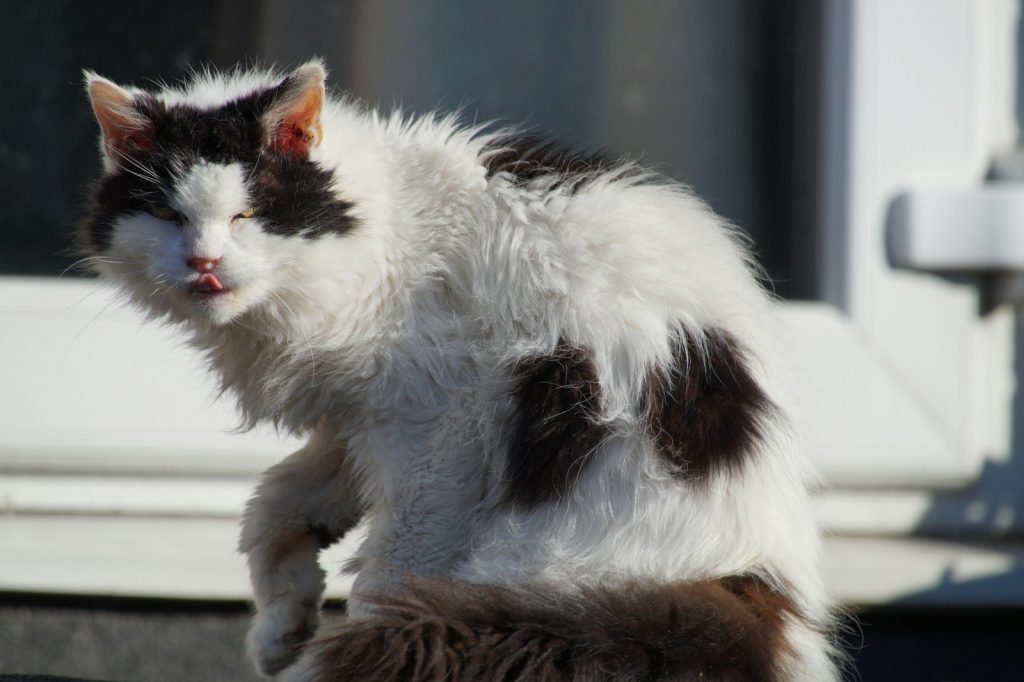
If your cat has severe mats close to their skin, never try to cut them with scissors. This is highly dangerous. Feline skin is incredibly thin and can easily tear, causing severe physical injury. According to veterinary guidelines, a professional groomer or clinic is best for handling difficult mats safely. Keeping the routine positive is your top priority.
A Peaceful Shared Grooming Routine
Being patient with your training is the ultimate key to a happy, healthy relationship with your pet. They love you. With a cozy environment and a structured play routine, you can enjoy grooming your companion in complete peace.
Featured Image: Photo by Francesco Ungaro on Pexels