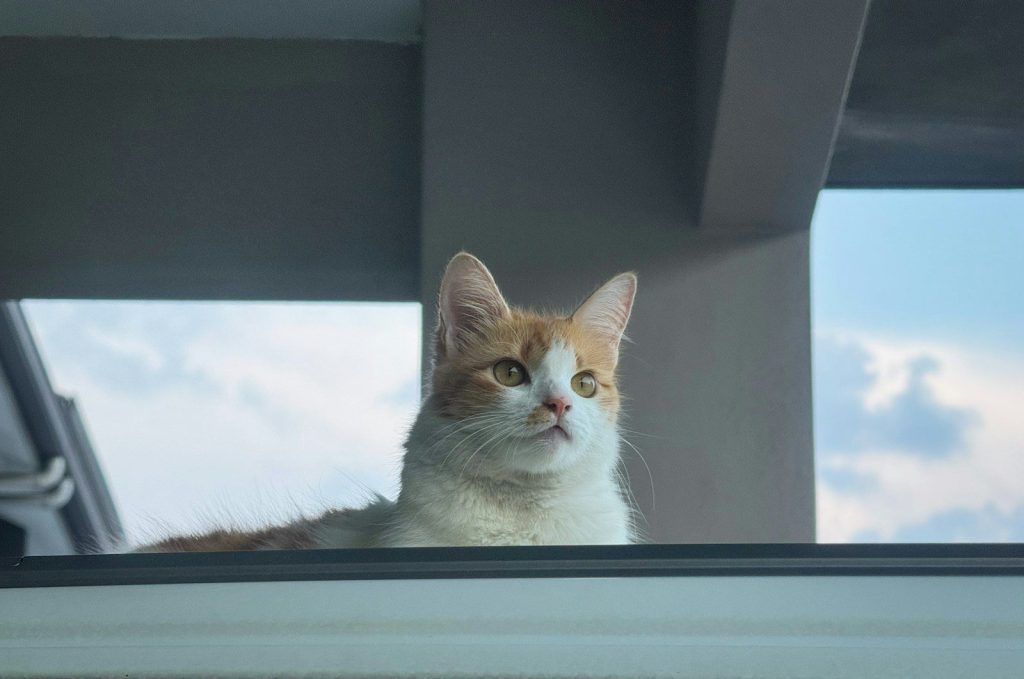

Your cat purrs on your lap all evening. Then they slip through the pet door into the dark night.
You probably think they are out hunting local mice. But a surprising study reveals that many outdoor felines are actually living double lives with your neighbors.
A strange weight gain reveals the secret
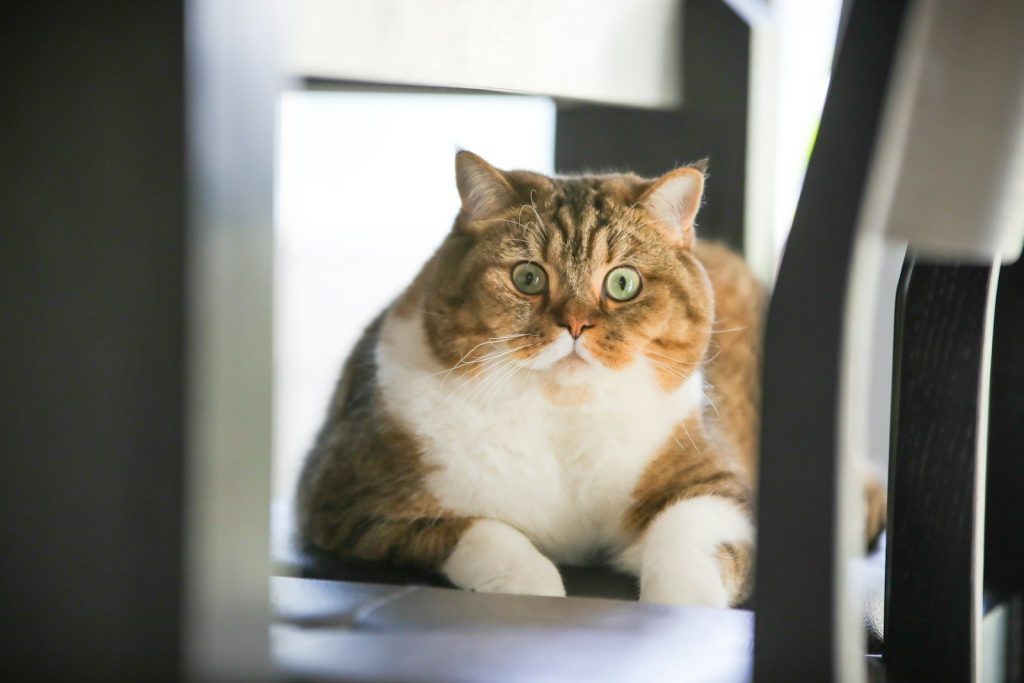
One owner noticed their pet was gaining weight. They attached a tiny tracking device to the cat’s collar to find out why this was happening. The data revealed a direct route straight next door. There, the clever feline enjoyed a complete second dinner of premium canned food every single evening. This discovery raised a major question.
Feline minds do not understand human property lines.
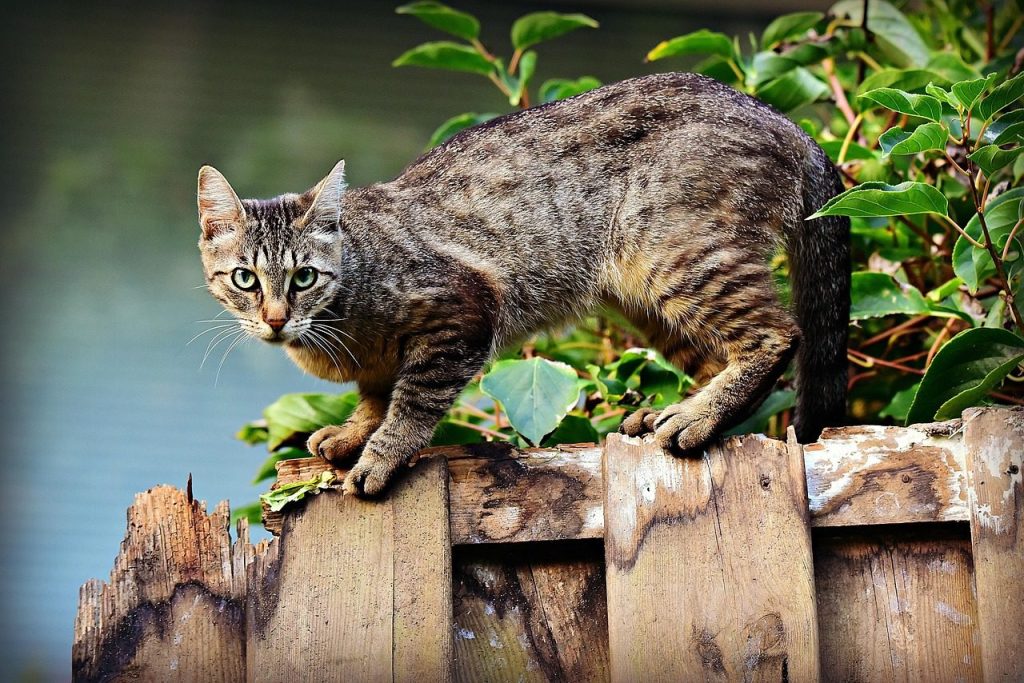
Cats do not comprehend our fences. To your adventurous pet, the neighborhood is just one giant territory that they legally own. They feel entitled to explore every single warm spot. Dr. Sarah Ellis, a noted animal behaviorist, states that outdoor cats naturally seek out multiple nesting sites to feel secure. One of these spots might be right next door.
The quiet appeal of a silent living room
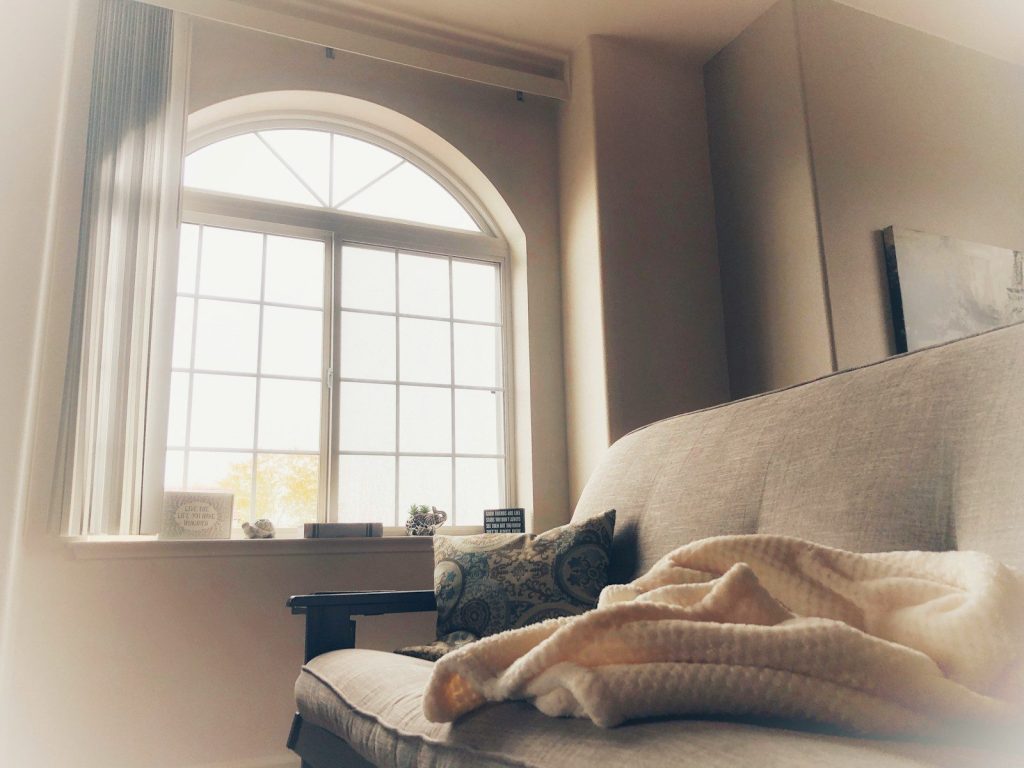
Why choose another house? If your home is busy with loud children or barking dogs, a quiet neighbor’s sofa offers perfect peace. Felines crave quiet environments. They will quickly map out the calmest spots in the area to take their afternoon naps. This quiet escape is highly appealing to stressed pets. But peace is not the only motivator.
Earning extra affection from new human friends
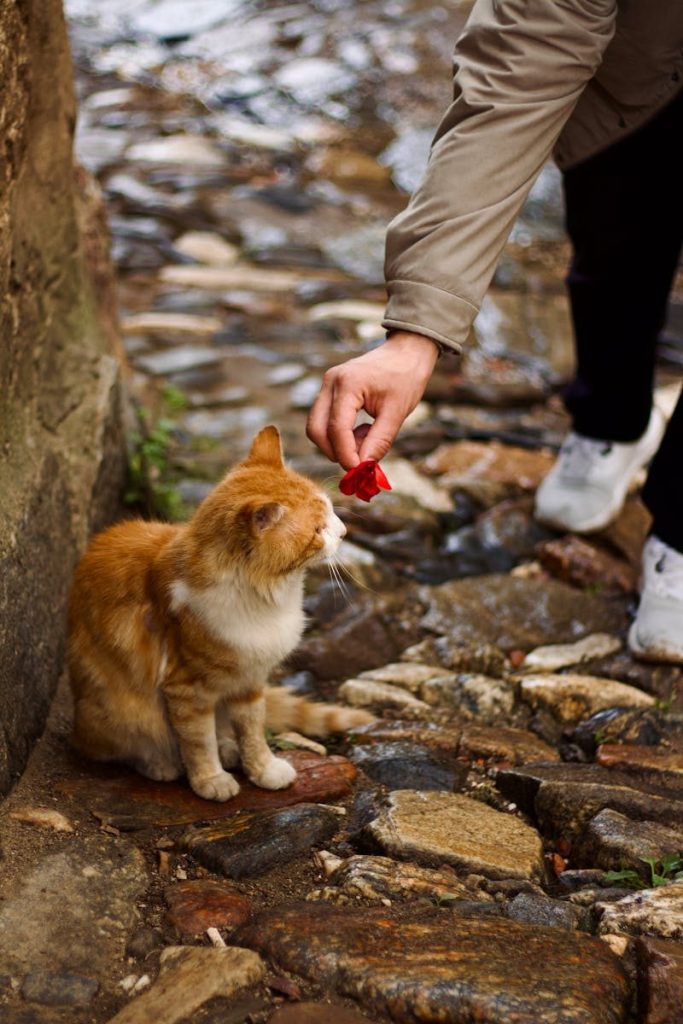
Some cats are social butterfly creatures. While they love their actual owners, they enjoy the novelty of meeting new human companions who feed them. It is a highly strategic way to double their daily affection. They manipulate neighbors into believing they are poor, neglected strays. This clever act works nearly every single time. However, this double life carries serious risks.
The hidden dangers of sharing a pet
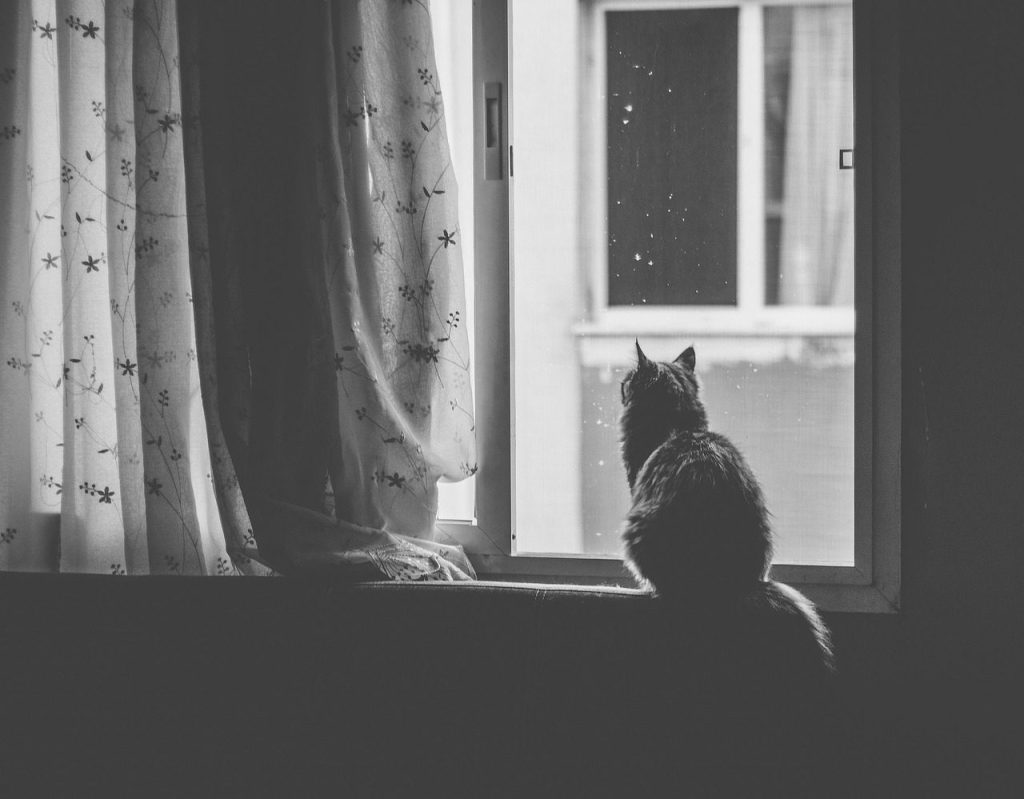
Double feeding can cause obesity. According to the Association for Pet Obesity Prevention, over half of cats in the United States are currently overweight. Your neighbor might also feed your pet foods that trigger severe allergic reactions. Additionally, wandering across streets puts your cat in the path of oncoming traffic. These real hazards worry many responsible pet owners. Fortunately, you can take control.
Setting polite boundaries with your community
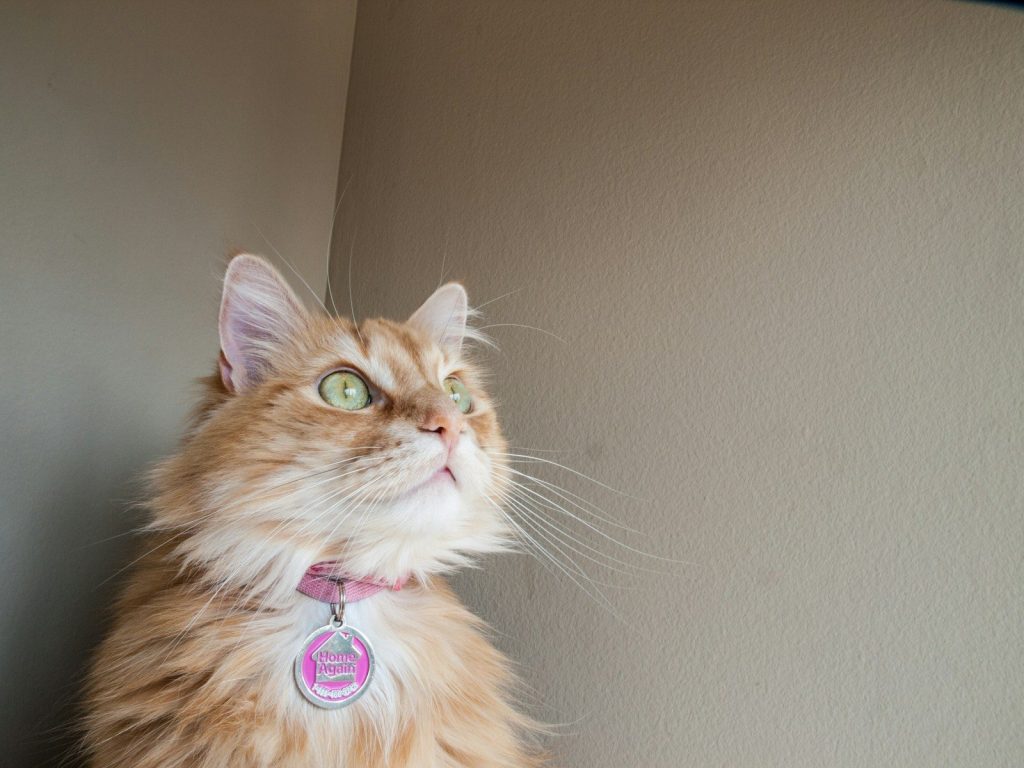
Talk to your neighbors immediately. Kindly explain that your cat is on a strict veterinary diet and must not receive any extra treats. You can also use a bright breakaway collar with a custom tag that reads “please do not feed me.” Most neighbors will gladly cooperate once they realize the cat has a home. But how do you keep them happy in their own yard?
Making your own home is the best option.
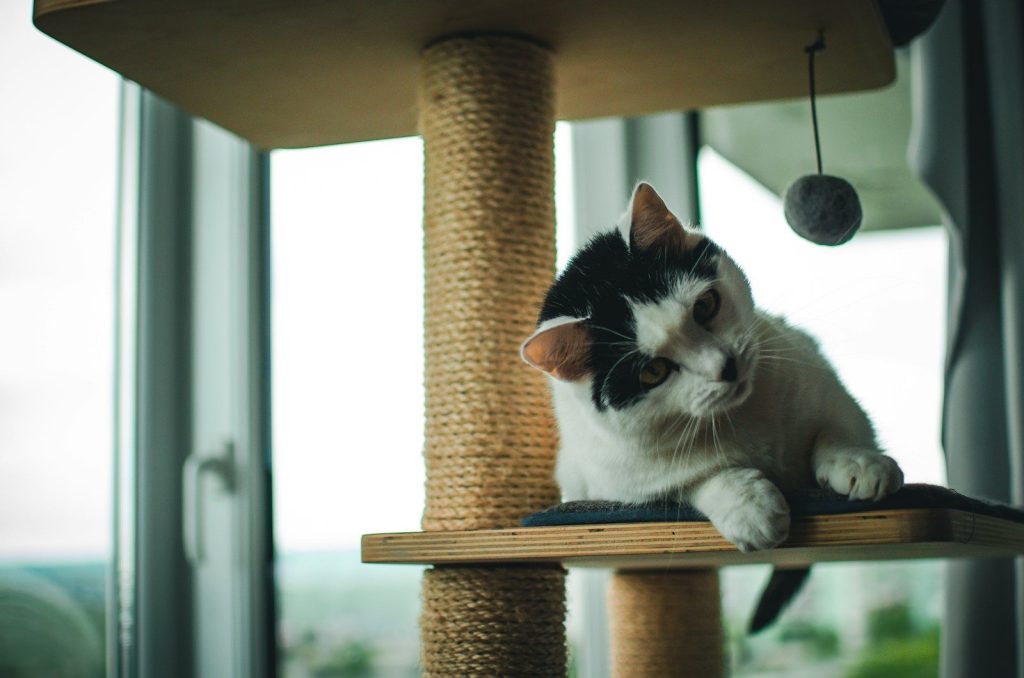
Focus on building indoor excitement. Provide tall climbing trees, sunny window perches, and interactive food puzzles to satisfy their natural hunting instincts. Spending fifteen minutes playing with your cat each day will also strengthen your bond. They will lose the desire to seek adventures next door when their own home is a paradise. Your lap will quickly become their favorite destination.
Featured Image: Photo by liewtography 1610 on Unsplash