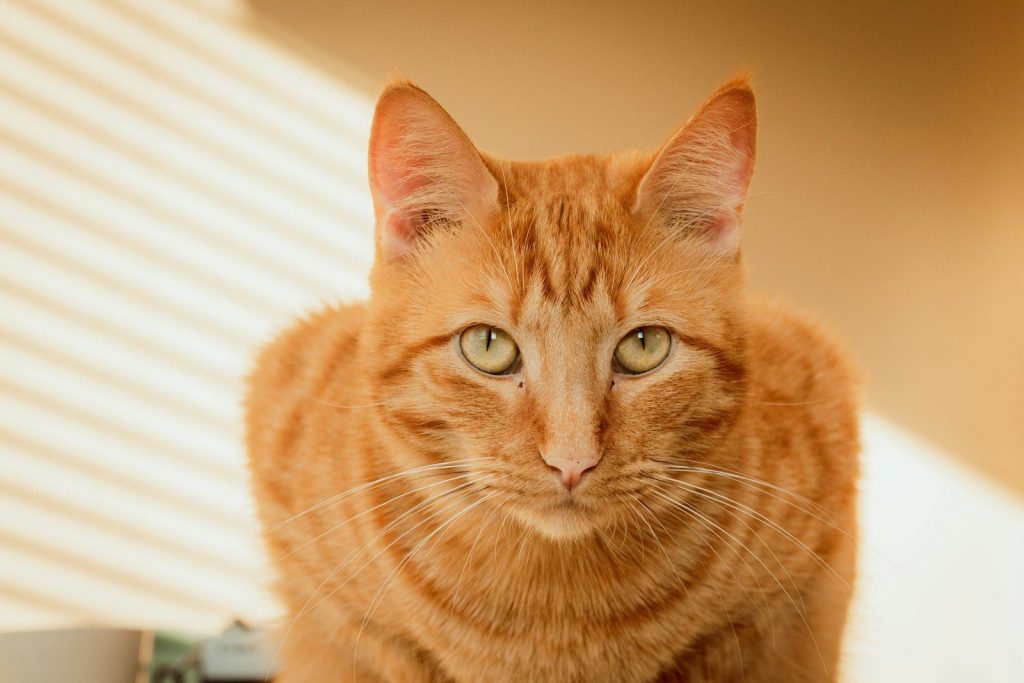

Orange felines have a reputation for wild energy and quirky behaviors. Many owners swear their ginger pets act more like dogs than typical cats.
Science has finally unlocked the mystery behind this unique group of animals. It turns out their famous color is linked to some unusual genetic traits.
The power of a single pigment gene
Every orange coat comes from a chemical compound called pheomelanin. According to researchers at the National Institutes of Health, this is the same pigment that produces red hair in humans. The genetic pathway that produces this color is incredibly rare in the rest of the animal kingdom. This unusual chemical makeup affects more than just their outer appearance.
How the X chromosome rules their world
The gene for orange fur lives exclusively on the X chromosome. Because female cats have two X chromosomes, they need two copies of the gene to turn orange. Males only need one copy to show off their fiery look. This simple math creates a highly unusual population dynamic.
The massive gender imbalance among gingers
This unique chromosome math means that roughly eighty percent of all orange cats are male. According to a study in the journal Applied Animal Behavior Science, male cats often display different risk-taking behaviors than females. This heavy male bias explains why the entire group seems so outgoing and energetic. But their genetic uniqueness also affects how they handle daily physical challenges.
A surprising connection to skin sensitivity
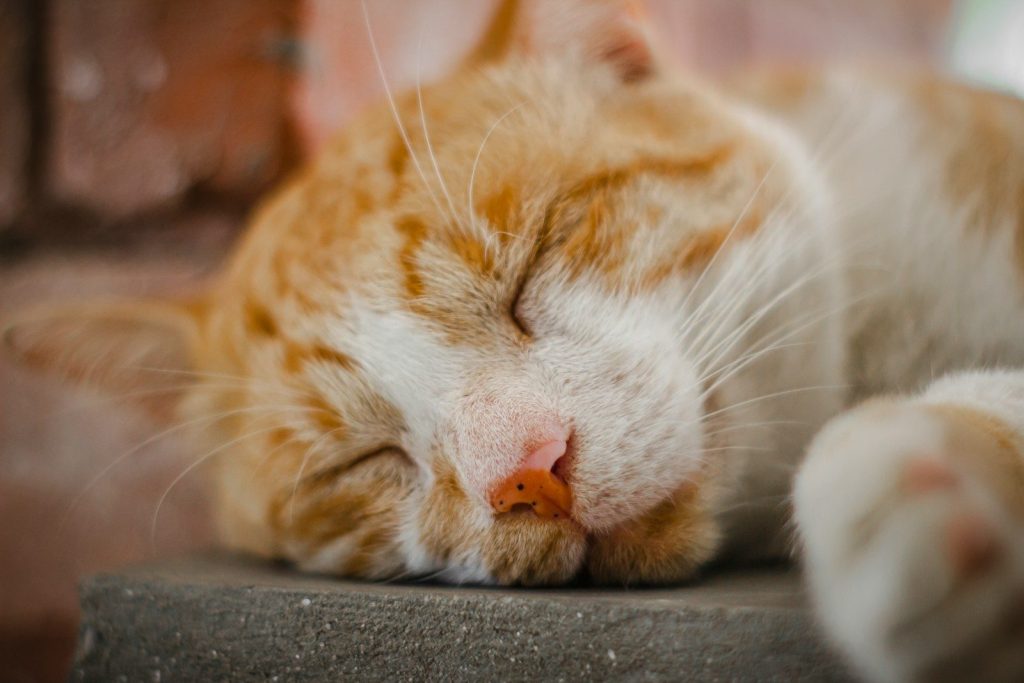
Fiery cats possess delicate pink skin beneath their ginger fur. Veterinarians warn that these cats are highly susceptible to freckles on their noses and gums as they age. This harmless condition is known as lentigo. It means their skin reacts to environmental changes far quicker than cats with darker coats. This physical vulnerability matches another curious trait.
The truth about their legendary boldness
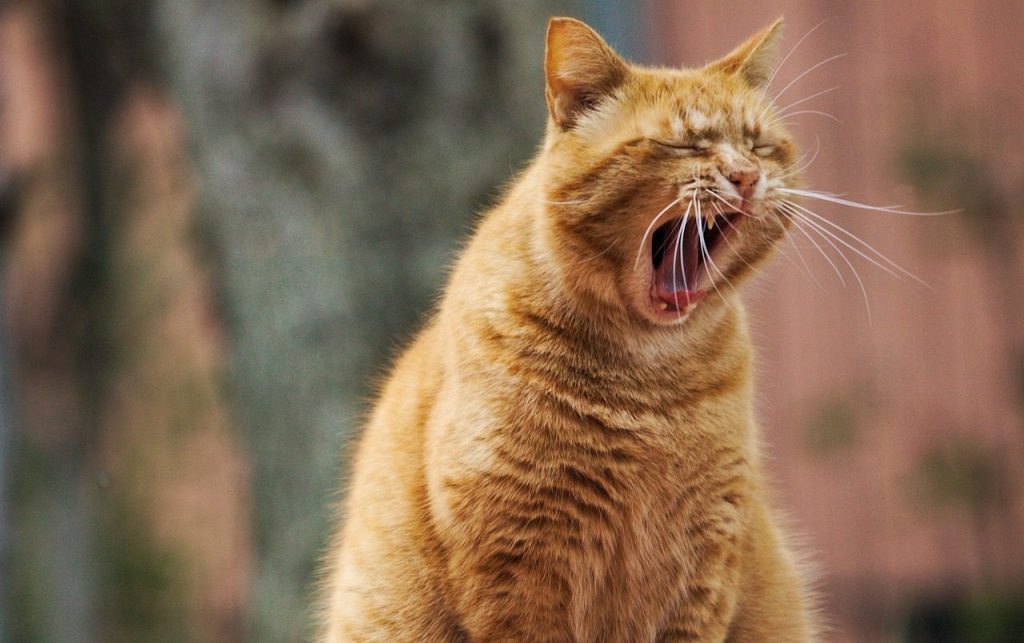
Many owners report that orange cats are exceptionally friendly and vocal. While some of this is personality, scientists suggest their bold nature is a survival strategy. In the wild, bright orange coats do not offer good camouflage. To survive, these felines had to become highly adaptable and confident. This boldness even extends to how they interact with their owners.
Why do they crave constant human interaction?
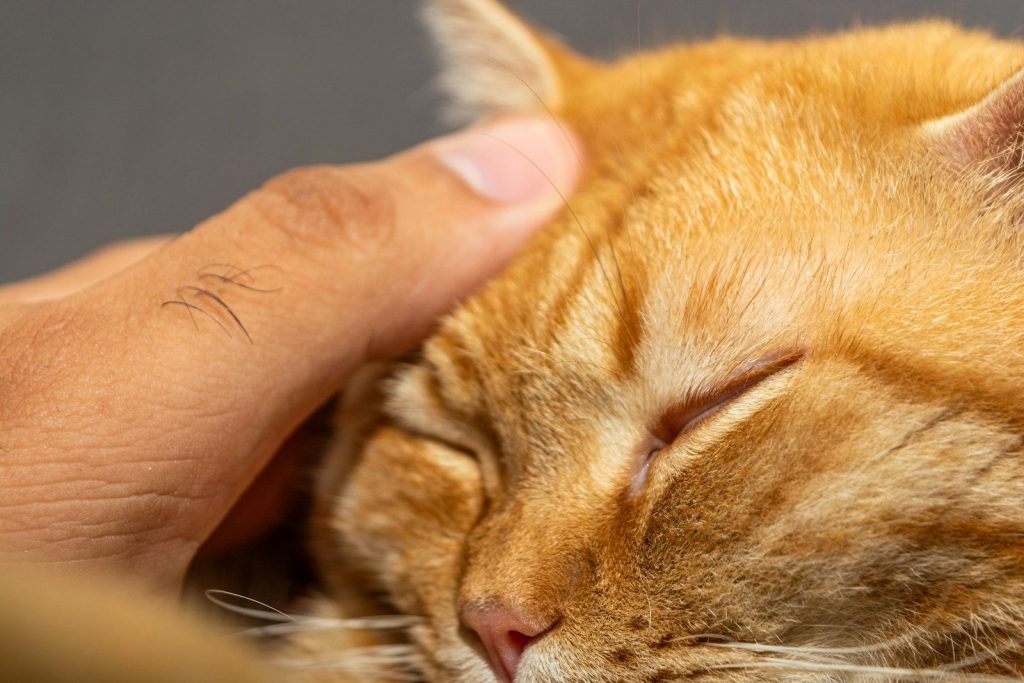
Because ginger cats lack stealth, they historically relied on humans for easy meals and safety. This history created a strong evolutionary bond between orange cats and people. They learned to use their loud voices and affectionate headbutts to get attention. These social strategies helped them thrive. However, keeping them happy at home requires understanding one final genetic secret.
Celebrating your special ginger companion
This article is for informational purposes only and does not constitute veterinary advice. Understanding the genetics of orange cats helps us appreciate their unique needs. They are truly one of a kind. Give your fiery pet some extra love today to thank them for being so special.
Featured Image: Photo by Larry George II on Unsplash