
Wild cats survive by hiding their weaknesses from the world. They view humans as predators and avoid contact at all costs.
Yet, an aging feral cat recently made a shocking decision. When his body began to fail, he walked directly up to a human porch to make a quiet plea.
The silent resident of the backyard woods

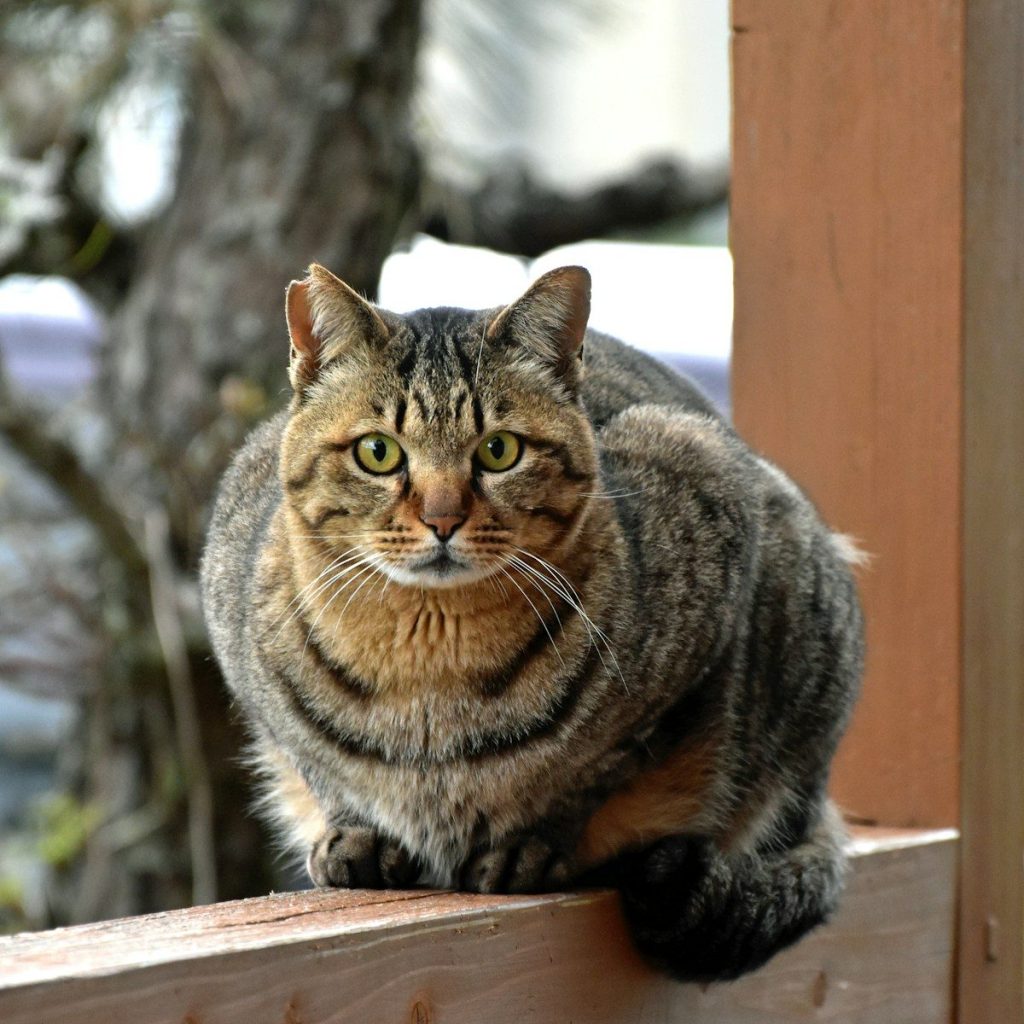
For years, a large grey cat lived in the dense woods. The homeowner caught occasional glimpses of him darting through the trees. He was wild. He refused to come near food bowls if a human was in sight. He looked tough. But time is a fierce enemy to animals living on the streets.
A shocking change in feral cat survival rules
Feral cats are hardwired to flee. According to the American Veterinary Medical Association, felines without early socialization maintain a permanent fear response to humans. This ancient instinct keeps them alive. So when this old cat walked onto the back deck in broad daylight, the homeowner knew something was wrong. His physical appearance explained the sudden bravery.
The visible toll of a hard outdoor life
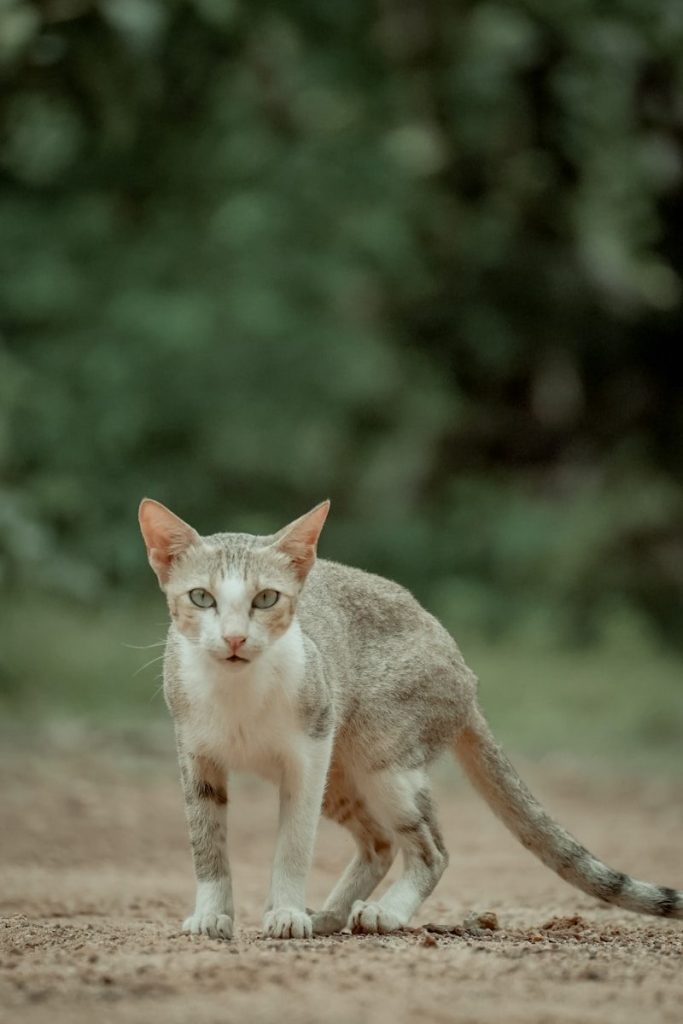
The cat was thin. He was limping, covered in battle scars, and shivering. His fur hung in matted clumps. Surprisingly, he did not run when the sliding door opened. He let out a hoarse meow instead. This was a conscious choice to surrender. But catching a defensive feral cat safely required a highly specialized strategy.
A patient capture with a humane trap

To catch him, the homeowner built a safe trapping plan. She lined the box with blankets. Smelly fish worked. The hungry cat walked inside within minutes. The heavy door snapped shut, sealing his fate. The next stop was a tense visit to the local animal hospital.
The diagnosis from the veterinary team
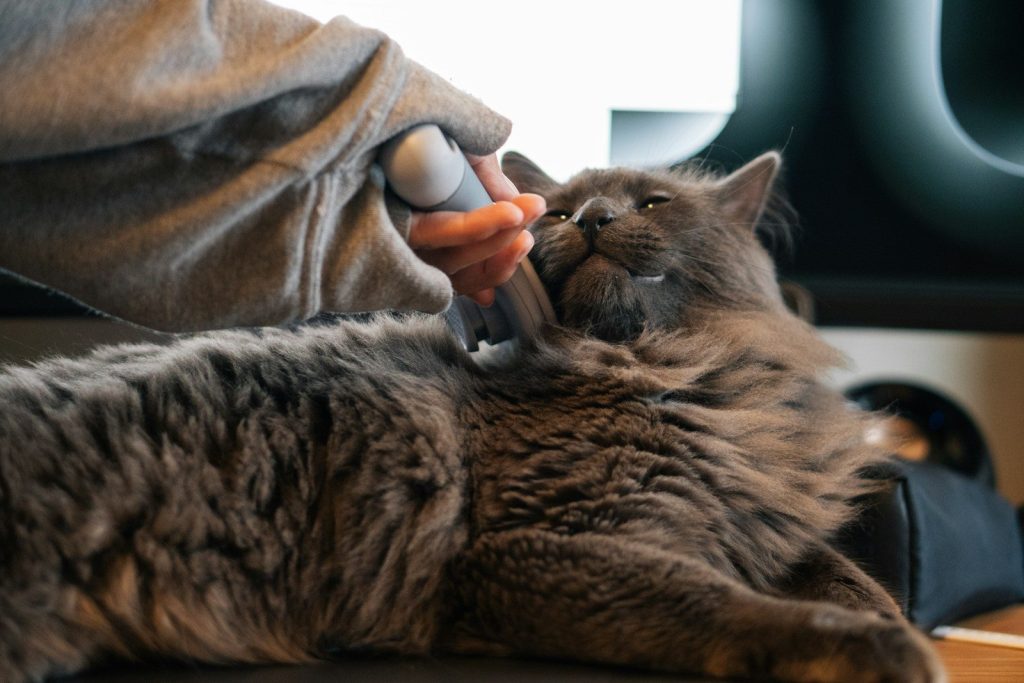
This article is for informational purposes only and does not constitute veterinary advice. The team discovered the cat was over twelve years old. He was old. He suffered from severe arthritis and dehydration. Doctors administered fluids immediately. This treatment started his slow recovery. But the biggest challenge was helping a wild animal adjust to a silent indoor home.
The slow magic of indoor rehabilitation
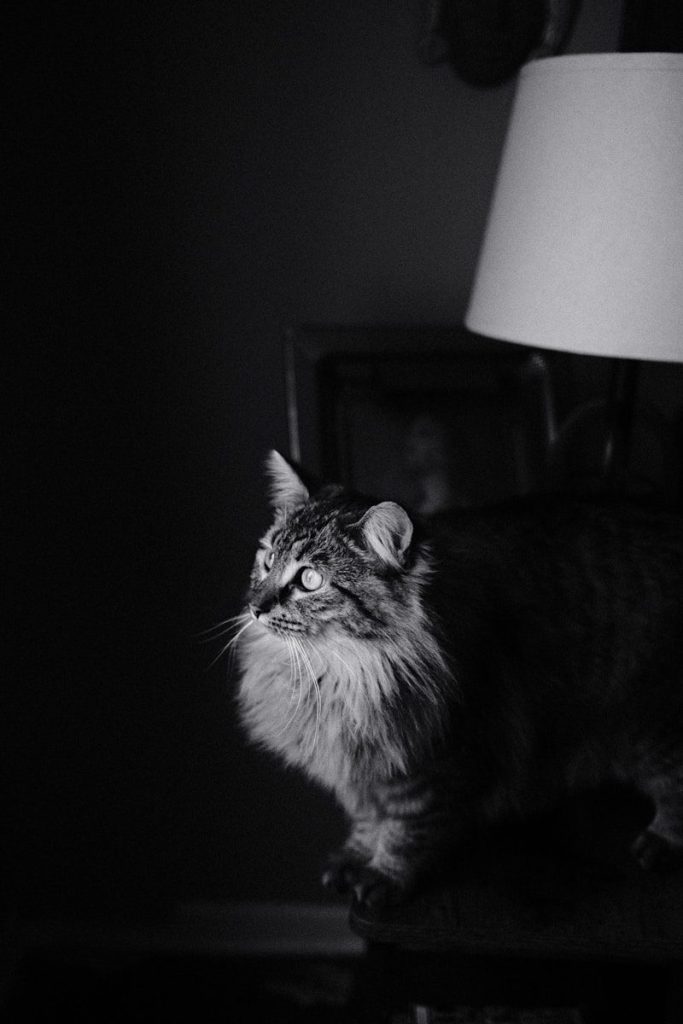
Living inside a house can terrify a wild cat. To help him adjust, the homeowner set up a quiet spare room. He hid. She sat on the floor for hours talking softly. It worked. After three weeks of patient waiting, the old cat walked forward. This led to a breathtaking breakthrough.
A warm bed for a retired street warrior
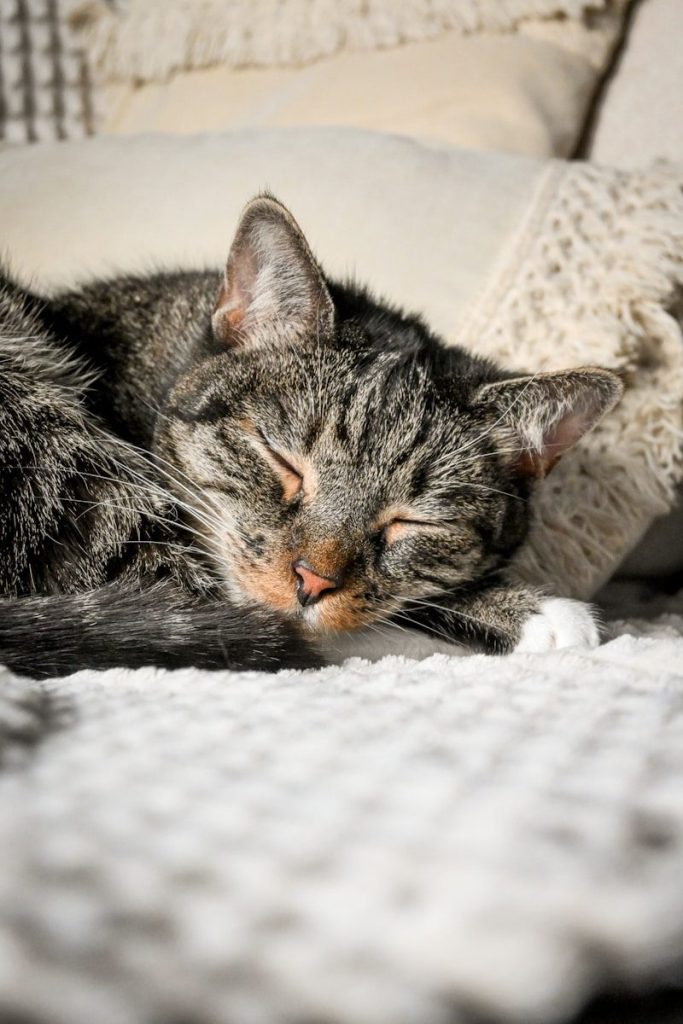
The old cat pressed his scarred head against her hand. He purred. He officially retired from his wild outdoor life. Today, he sleeps on a heated bed and enjoys three warm meals. His long struggle in the cold woods is finally over, replaced by the ultimate comfort of a loving home.
Featured Image: Photo by Geoff Oliver on Unsplash