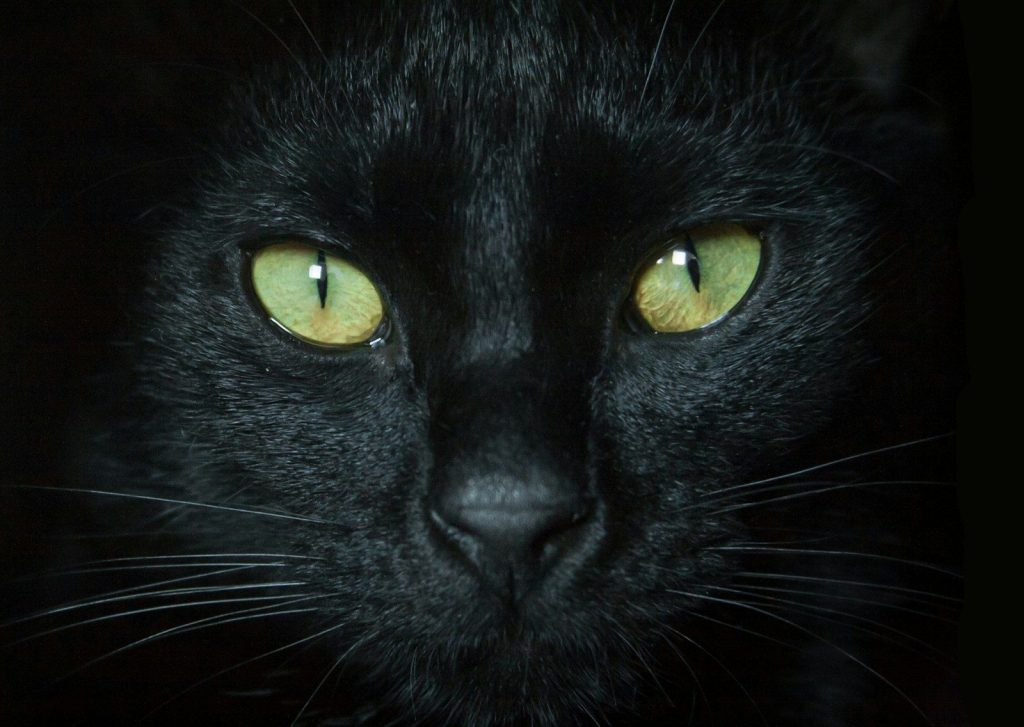

Dark felines carry a lot of mysterious myths on their shoulders. Some people fear them, while others think they bring good luck.
Feline behaviorists have uncovered the unique reality of living with these beautiful felines. The actual daily experience of owning one might surprise you.
The evolutionary secret of a dark fur coat
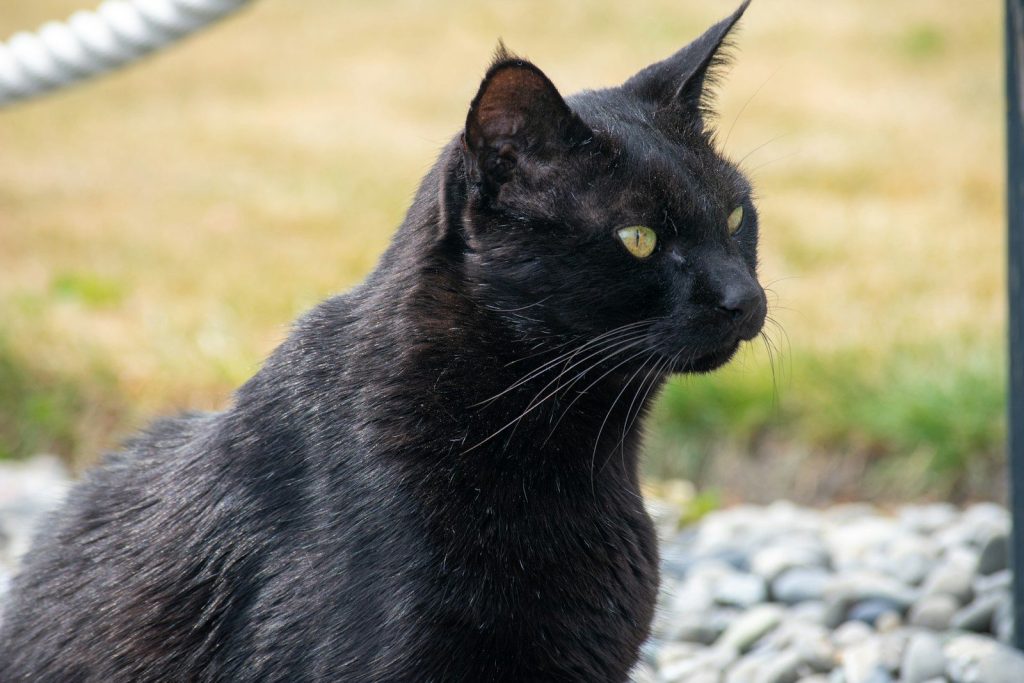
A black coat is not just beautiful. It is an evolutionary masterpiece. According to studies from the National Institutes of Health, the genetic mutations that cause black fur may also offer increased resistance to certain diseases. This means your sleek pet might have a stronger immune system than other felines. But this dark coloration also impacts their daily survival instincts.
How dark coats affect body heat management
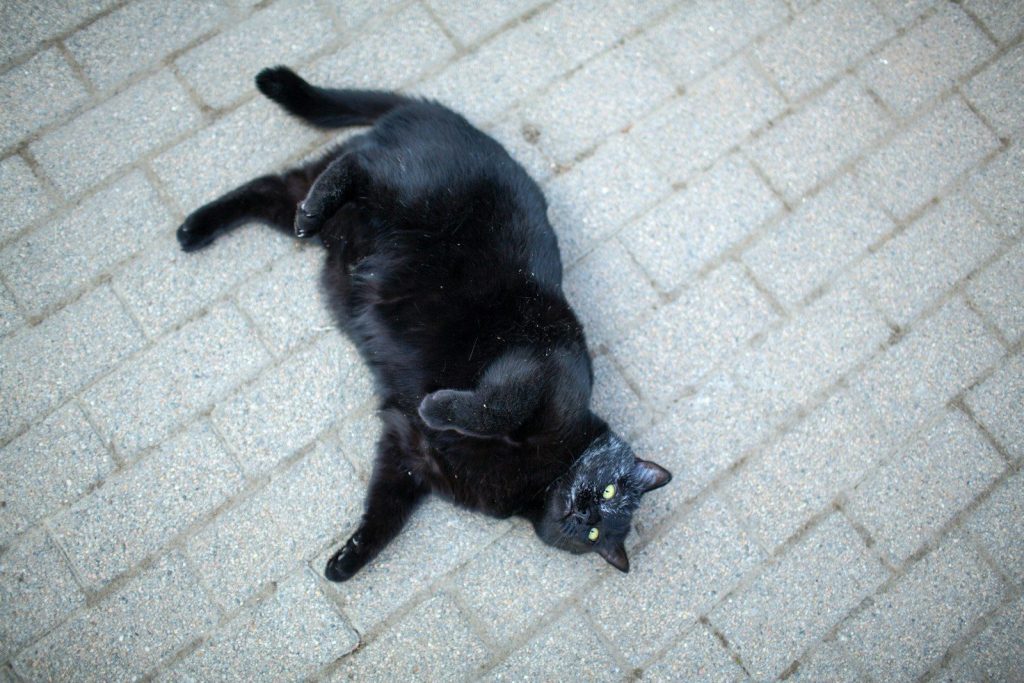
Dark surfaces absorb heat. Because of this physics rule, dark-coated felines can overheat quickly on sunny days. They pant. They seek cool tiles. You must monitor their indoor environment to prevent heat stress. This temperature challenge is only the beginning of their unique needs.
The sudden struggle of disappearing indoors

Midnight cats possess a natural talent for camouflage. They vanish. A dark rug or a black leather chair becomes a perfect hiding spot in dim rooms. Many owners report accidentally stepping on their silent companions. It is a daily hazard that requires constant vigilance. However, their physical stealth is also deeply linked to their ancient history.
Ancient roots of high status and respect
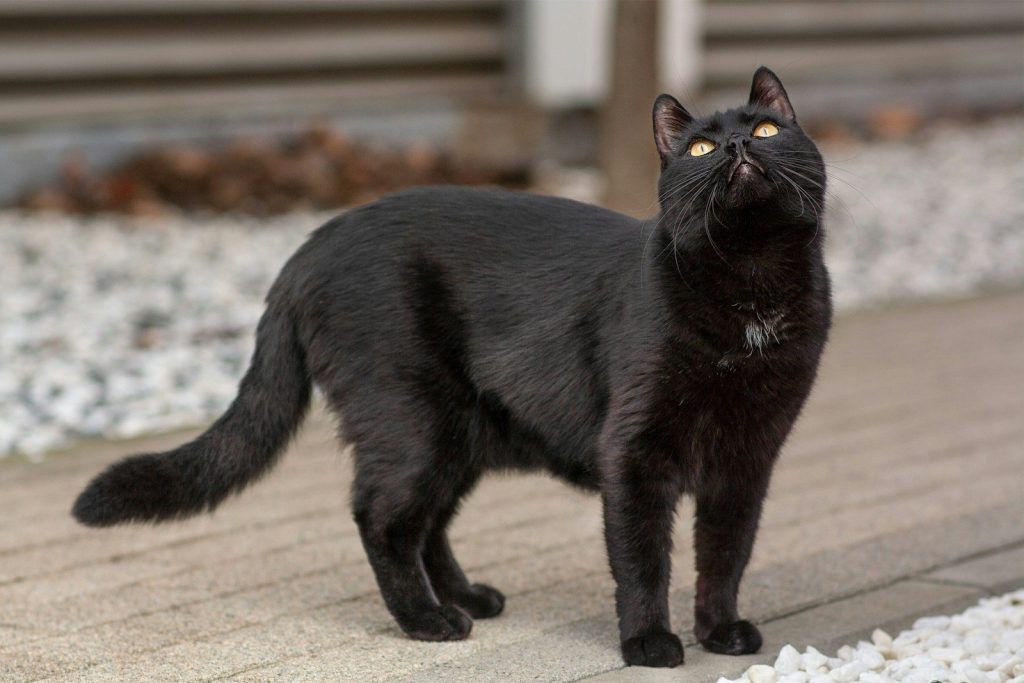
In ancient Egypt, black felines were revered as divine protectors. They brought good fortune. Sailors kept them on ships because they believed dark cats ensured safe voyages. This positive history contrasts sharply with modern superstitions. But their reputation shifted dramatically during a dark period in medieval Europe.
The lingering damage of old superstitions
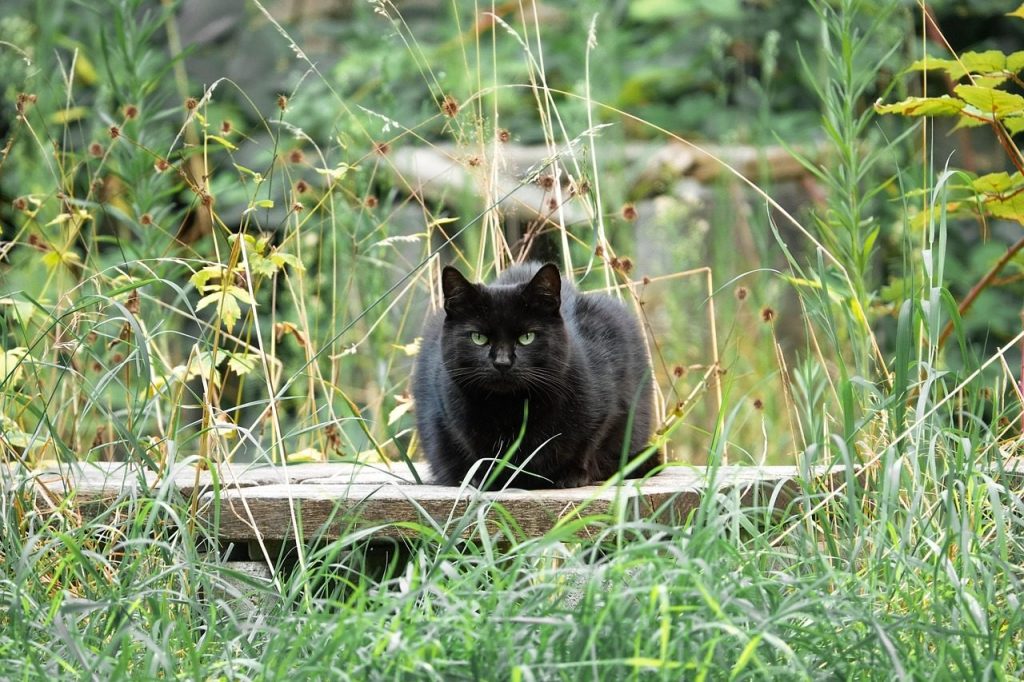
During the Middle Ages, fear led people to associate dark animals with witchcraft. These myths spread. Even today, animal shelters report that black cats take much longer to find adoptive families. Rescue groups call this bias black dog syndrome. Fortunately, behavior science is helping to change these outdated perceptions.
The unique ways they communicate with humans
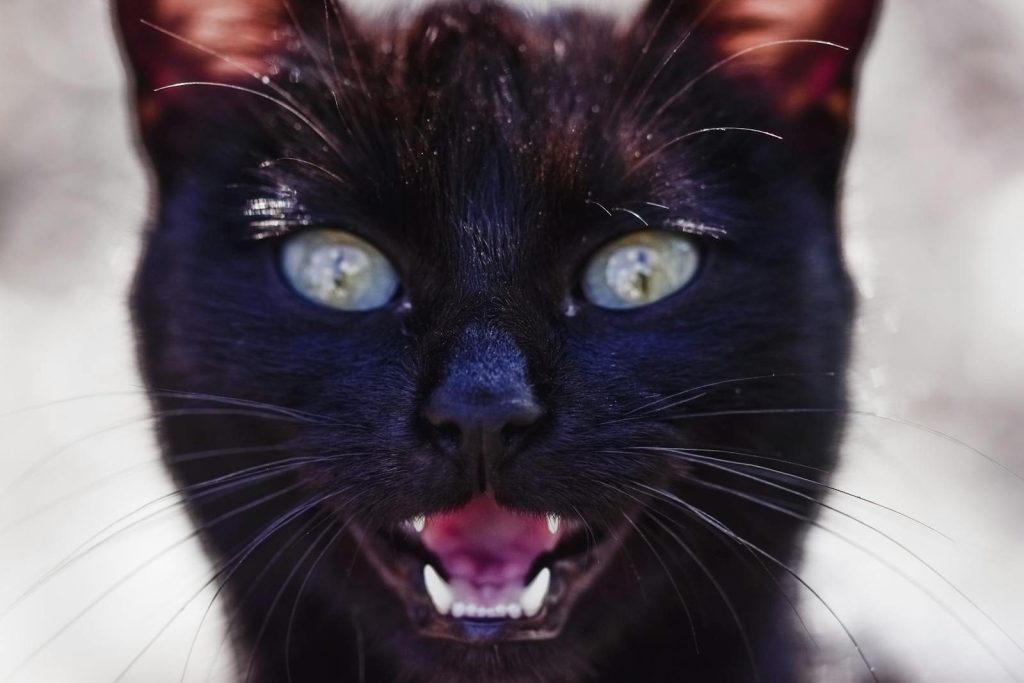
Dark faces can make expressions harder to read. Because of this, black cats rely heavily on vocalizations. They chirp. They meow with intense focus. A study in the journal Applied Animal Behavior Science shows felines alter their pitch to guide human responses. They speak with their bodies, too. But you must watch their ears and tails closely to understand the message.
How sunlight changes their sleek coat color
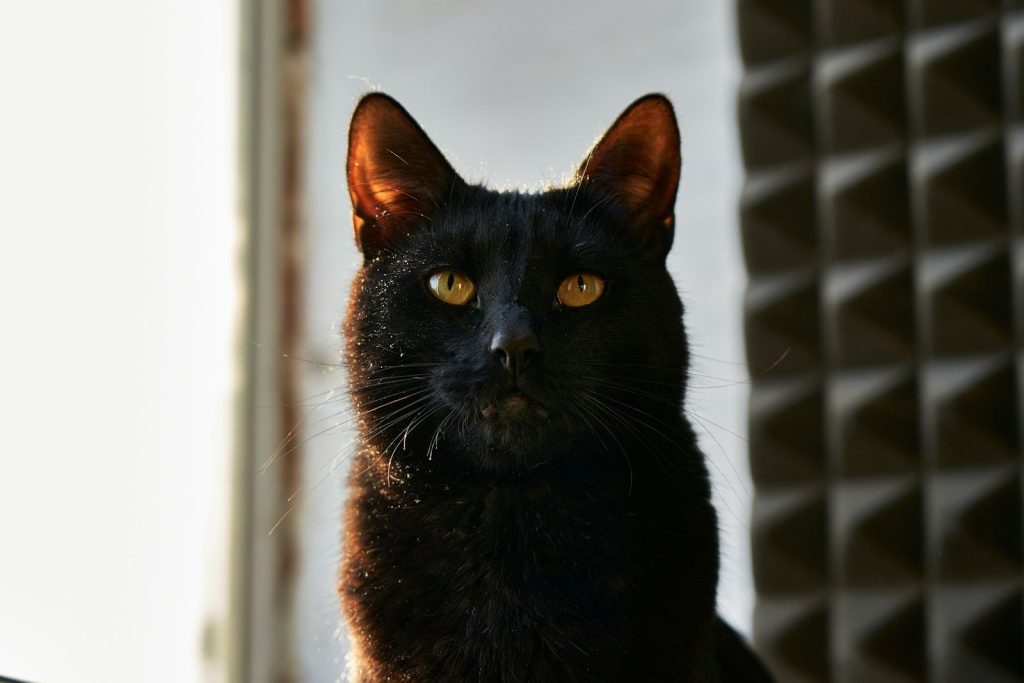
Spend enough time in the sun, and your dark pet might turn copper brown. This beautiful change happens when UV rays rust the melanin pigment in their fur. It is temporary. However, veterinary dermatologists warn that a persistent rusty color can sometimes signal a protein deficiency. Keeping your pet healthy requires monitoring these small physical changes.
Celebrating the beauty of your house panther
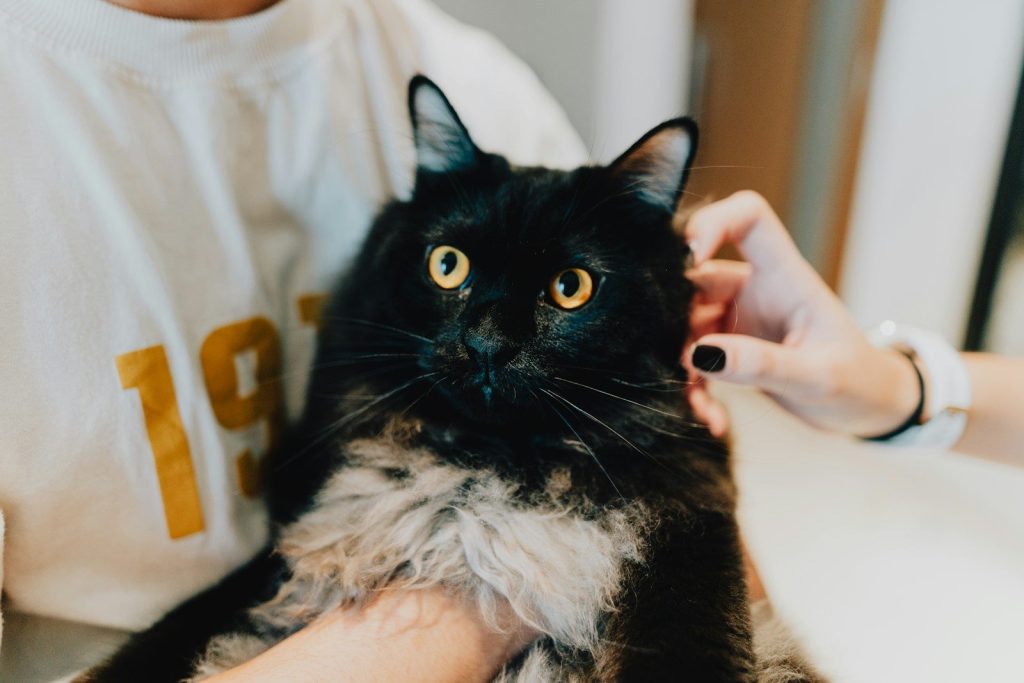
This article is for informational purposes only and does not constitute veterinary advice. Owning a black cat is a truly rewarding experience. They are sleek. They are affectionate. By looking past old myths, you can appreciate the unique magic these beautiful felines bring to your household.
Featured Image: Photo by Adél Grőber on Unsplash