
We love our pets and always want to make them happy. However, felines are incredibly sensitive creatures who perceive the world differently than we do.
Some everyday human habits can actually cause them real stress and emotional distress. Veterinarians warn that these small actions might be damaging your bond.
The hidden trauma of sudden loud noises
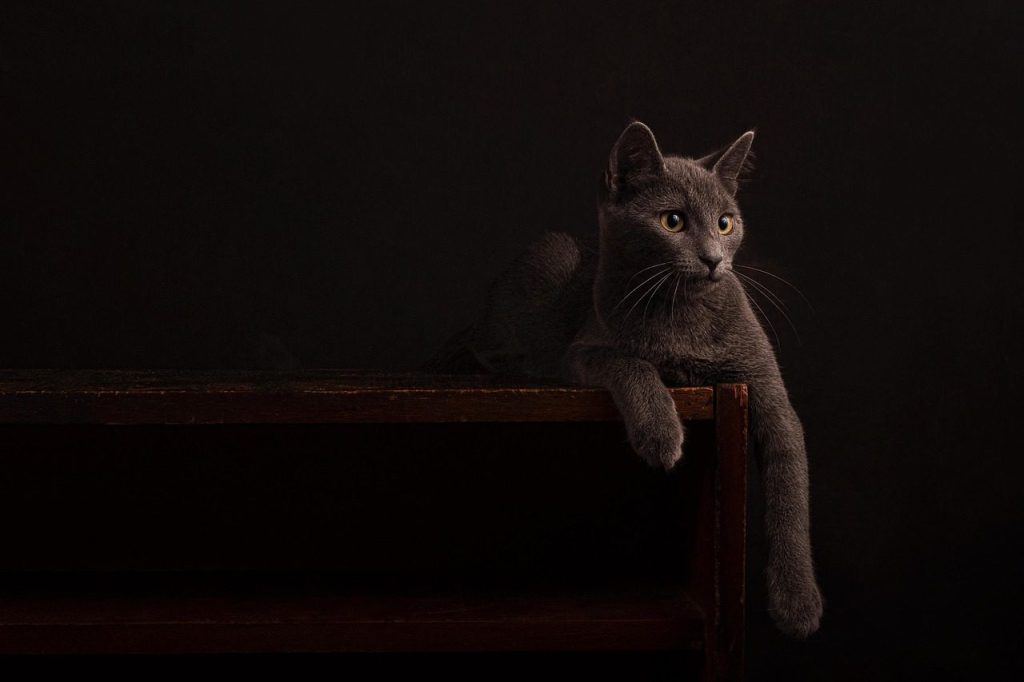
Cats have incredibly sensitive hearing that is far more powerful than ours. Yelling, slamming doors, or playing loud music can terrify a quiet feline and trigger severe anxiety. According to the Cornell Feline Health Center, chronic noise stress can lead to physical illness over time. Always maintain a calm, quiet atmosphere in your home. But sound is not the only trigger.
Why staring directly at them is scary.
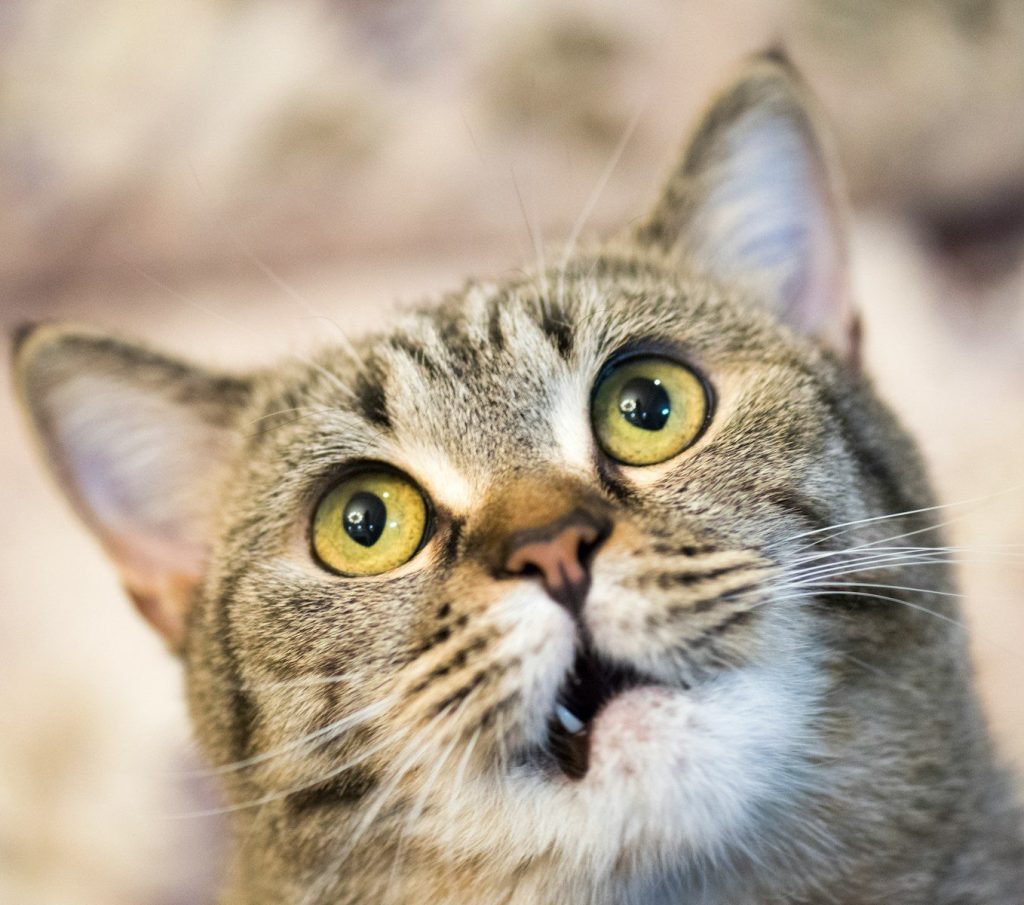
In the feline world, prolonged direct eye contact is a sign of aggression and challenge. Staring directly into your cat’s eyes can make them feel threatened and highly uncomfortable. It can cause them to slip away and hide in fear. Instead, use the gentle, slow blink to show peaceful intentions. Their sensitive skin is another area of concern.
The danger of rough or forced petting
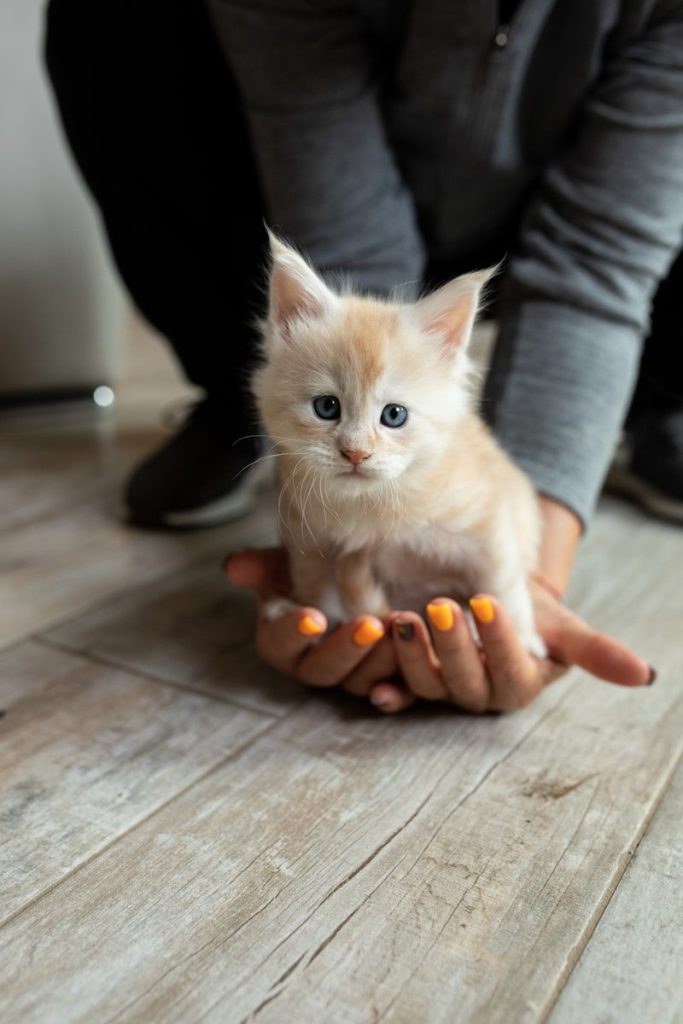
Every cat has specific zones where they hate being touched. Petting their belly or tail can trigger a sudden stress response known as overstimulation. According to the American Veterinary Medical Association, felines prefer gentle strokes around their cheeks and chin. Always let your pet initiate the contact and stop when they walk away. However, your daily schedule also matters.
How changing their routine causes real panic

Felines thrive on predictable schedules for meals, play, and rest. Shifting their feeding time or moving furniture can disrupt their sense of control. This sudden instability often leads to behavioral issues like hiding or avoidance. Keeping a consistent daily rhythm is vital for their emotional well-being. This article is for informational purposes only. But scent is another invisible threat.
The offensive smell of heavy perfumes

A cat’s sense of smell is about fourteen times stronger than a human’s. Using strong household cleaners, air fresheners, or heavy colognes can overwhelm their nasal passages and cause physical discomfort. They rely on their own scent to feel secure in their territory. Keep scents neutral to protect their airways. Still, ignoring them can do the most damage.
Why sudden isolation hurts their feelings
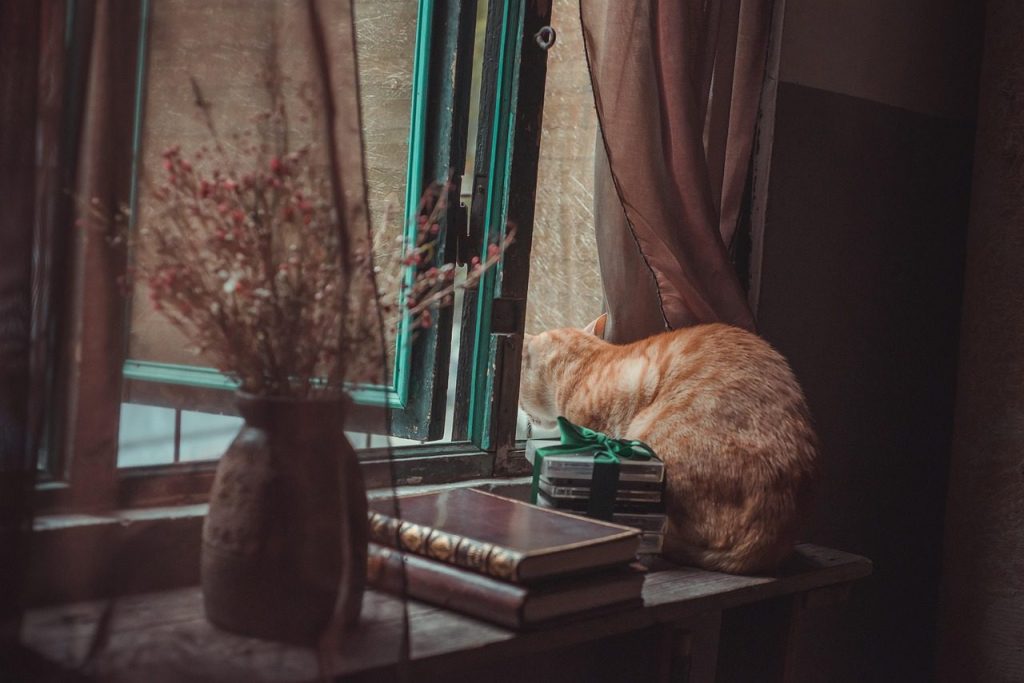
While cats enjoy their independent quiet time, they are still social animals who need human interaction. Locking them out of bedrooms or ignoring them for days can trigger separation anxiety. This neglect can lead to destructive behaviors like scratching furniture or vocalizing loudly. Allocate dedicated time for them every single day. Yet, how you correct them is vital.
The negative impact of physical punishment
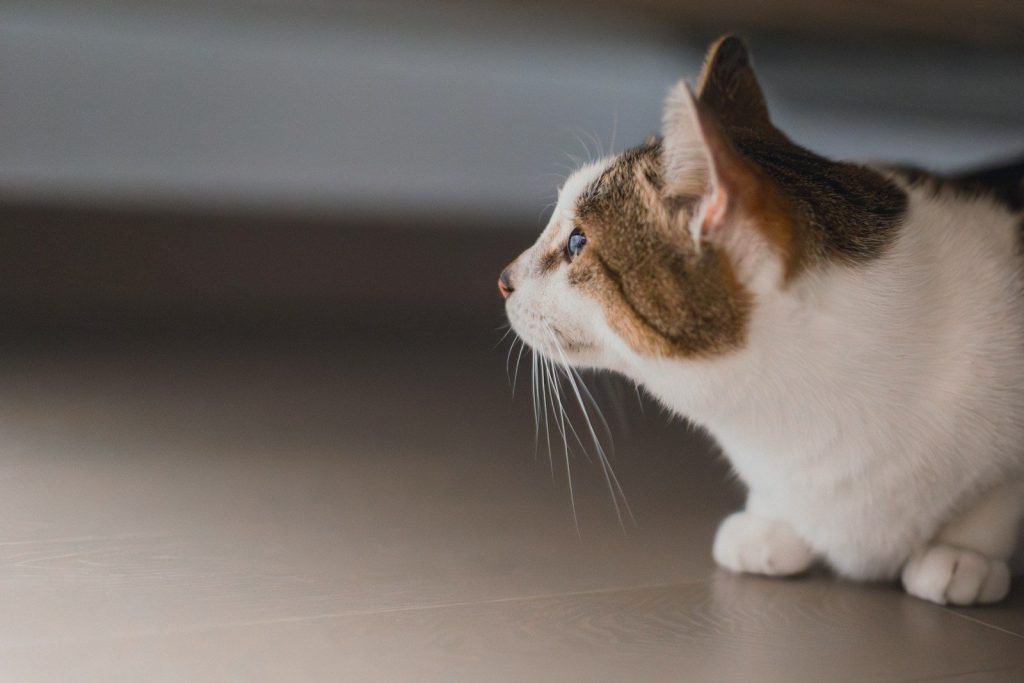
Raising your voice or splashing water on a cat never teaches them a lesson. Instead, it teaches them to fear you, destroying years of built-up trust in an instant. Positive reinforcement is the only effective way to guide their behavior. Reward good actions and gently redirect bad ones. A small change in your approach can repair the relationship.
Building a stronger bond of mutual respect
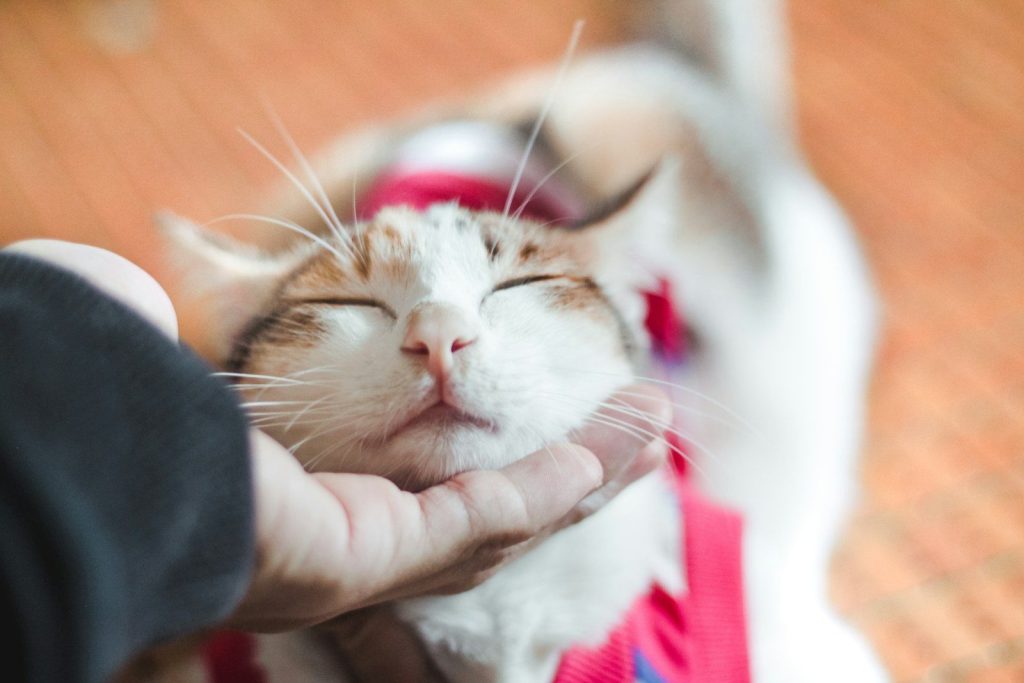
Understanding your pet’s emotional boundaries is the key to a happy home. By avoiding these stressful behaviors, you will create a peaceful environment where your cat can thrive. This article is for informational purposes only and does not constitute veterinary medical advice. Treat your companion with gentle respect, and they will reward you with endless love.
Featured Image: Photo by GLADYSTONE FONSECA on Unsplash