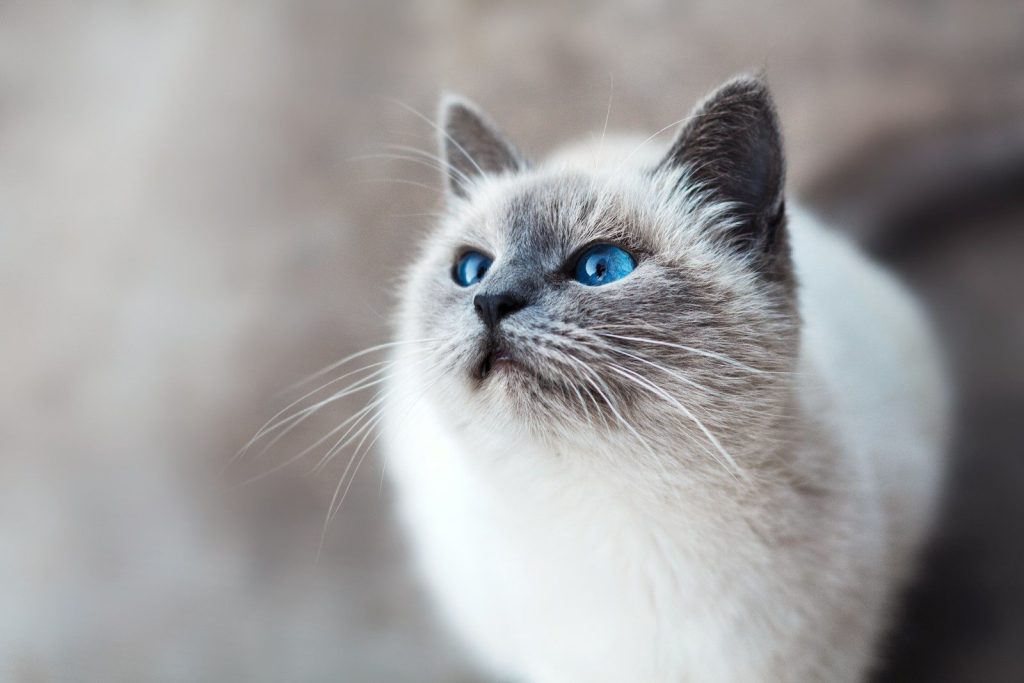

We think we understand our pets perfectly after years of living together under one roof. But many popular beliefs about felines are actually completely wrong.
These widespread misunderstandings can quietly affect how we care for our furry companions every single day. Some of these legends might surprise you.
The Classic Milk Bowl Misconception
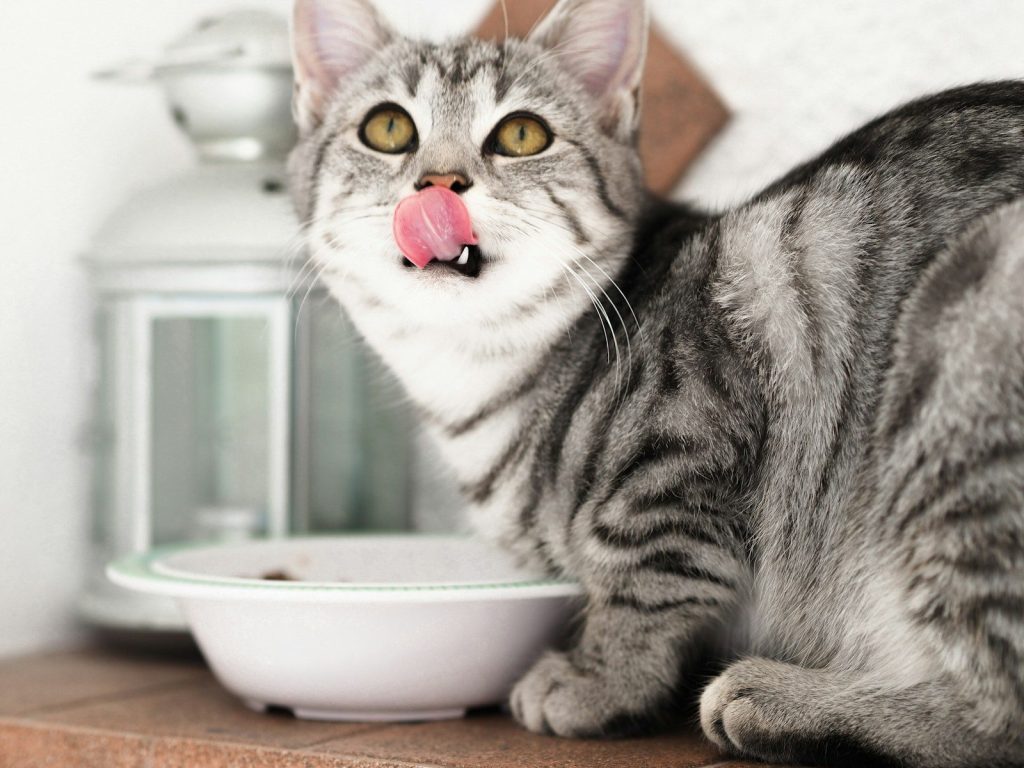
Many people grew up seeing cartoons of happy kittens drinking warm milk from small bowls. It seems harmless. However, clinical nutritionists at the American Veterinary Medical Association state that most adult cats are actually lactose intolerant. Dairy can cause severe stomach pain and digestive issues. Another famous liquid belief is also completely incorrect.
A Common Fall Myth Debunked
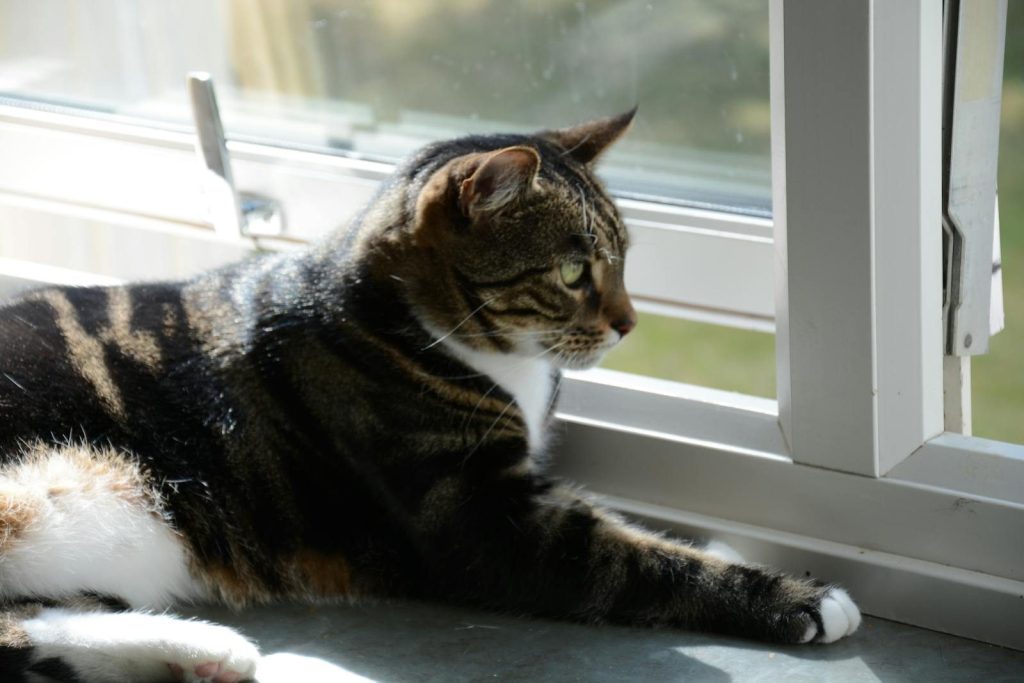
A common legend claims that felines always land safely on their feet regardless of the height. This is inaccurate. While they possess an amazing righting reflex, short falls can actually prevent them from turning in time. Serious injuries often occur when people slip from low windows. Their legendary survival skills have a very real limit.
We Usually Misread The Purr
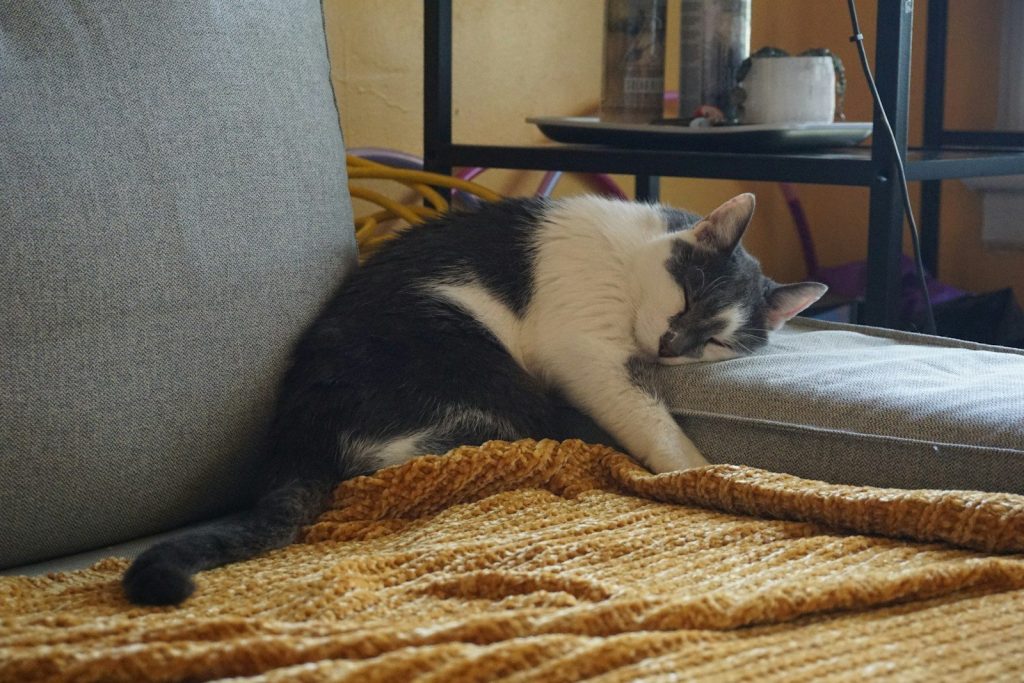
We usually assume a purring cat is completely happy and relaxed in your lap. That is not always true. According to reports from the Cornell Feline Health Center, felines also purr to self-soothe when they are scared, injured, or in deep pain. This behavior is a complex emotional tool. You can easily spot other hidden signals.
People Assume Perfect Night Vision
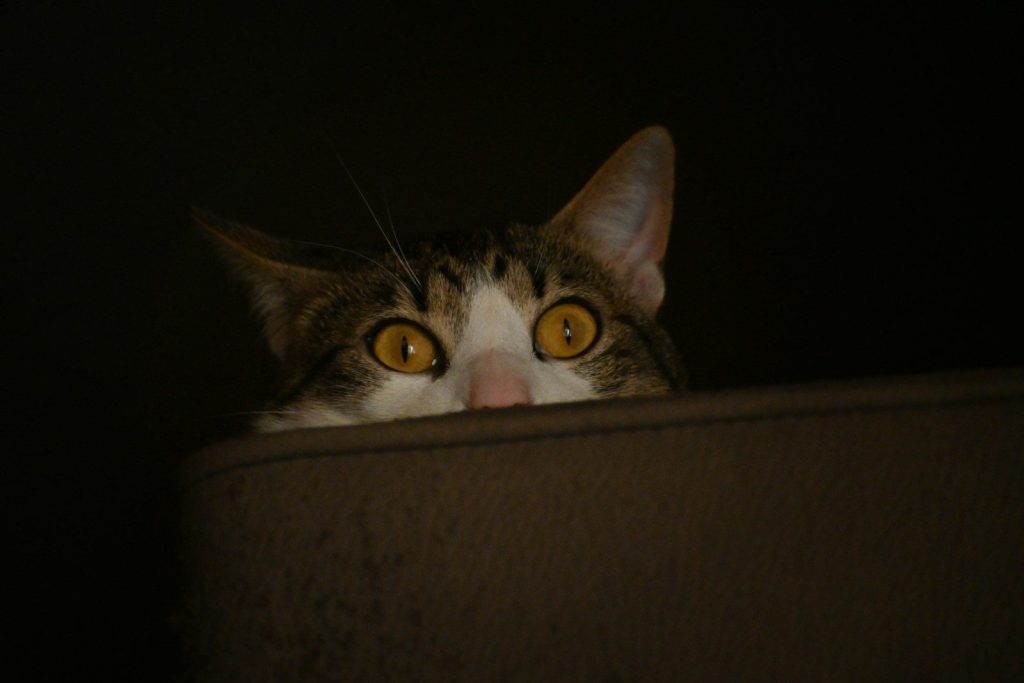
People often believe that felines can see perfectly in complete, absolute darkness. They cannot. While their eyes are built to gather minimal light, they still require some illumination to navigate. In pitch-black rooms, they rely heavily on their whiskers and sharp hearing to find their way. This physical tool has an even greater purpose.
These Sensitive Hairs Do More
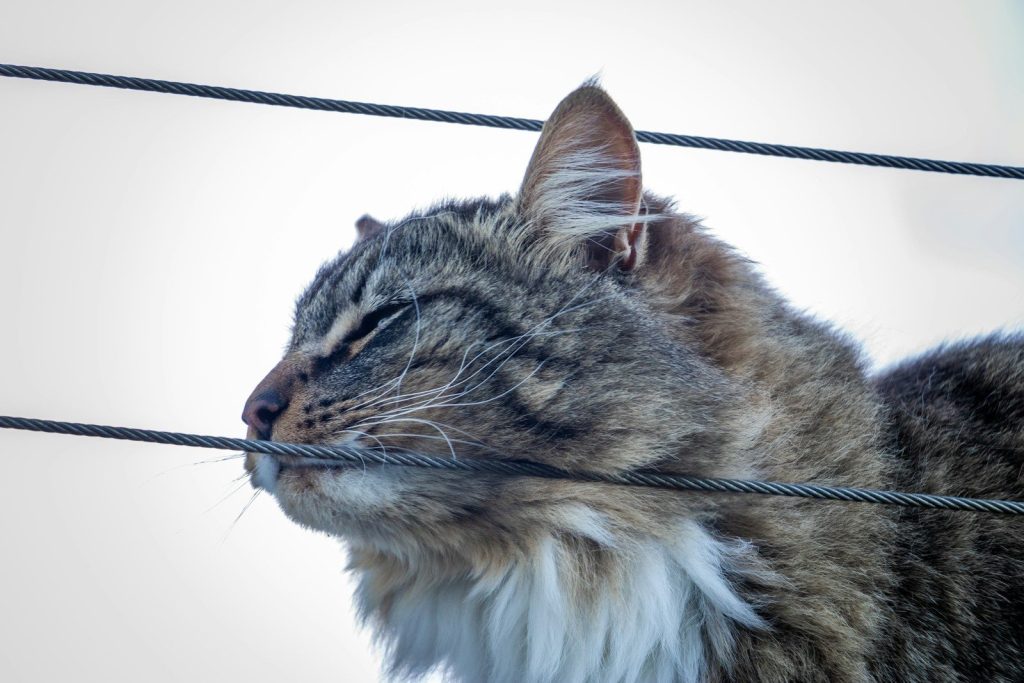
These sensitive hairs are not just for keeping balance while climbing tall trees. That is a major misunderstanding. Whiskers act as sensory radar systems that measure wind speed and detect nearby obstacles. They help felines judge the exact width of narrow gaps before squeezing through. This spatial tool is vital for their daily adventures.
Indoor Felines Need Medical Care
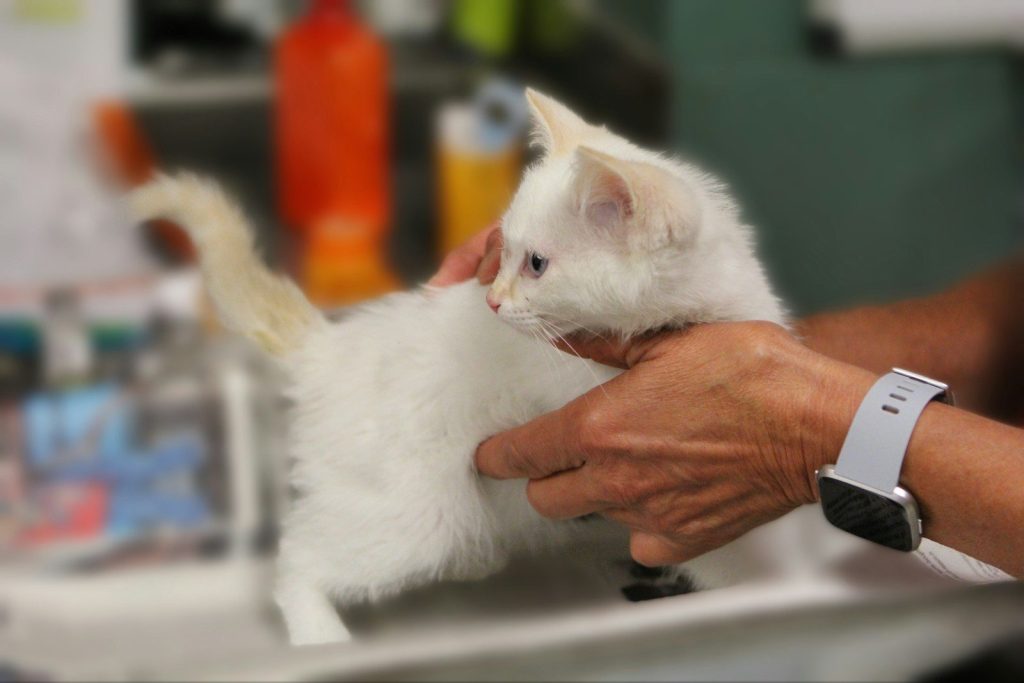
Indoor felines do not get a free pass when it comes to regular wellness checkups. This is a dangerous assumption. Indoor pets can still catch airborne diseases or interact with pests that slip inside the house. Keeping their vaccinations up to date is critical to protect their immune systems. There is another major behavioral myth to unpack.
Behavioral Experts Prove They Learn
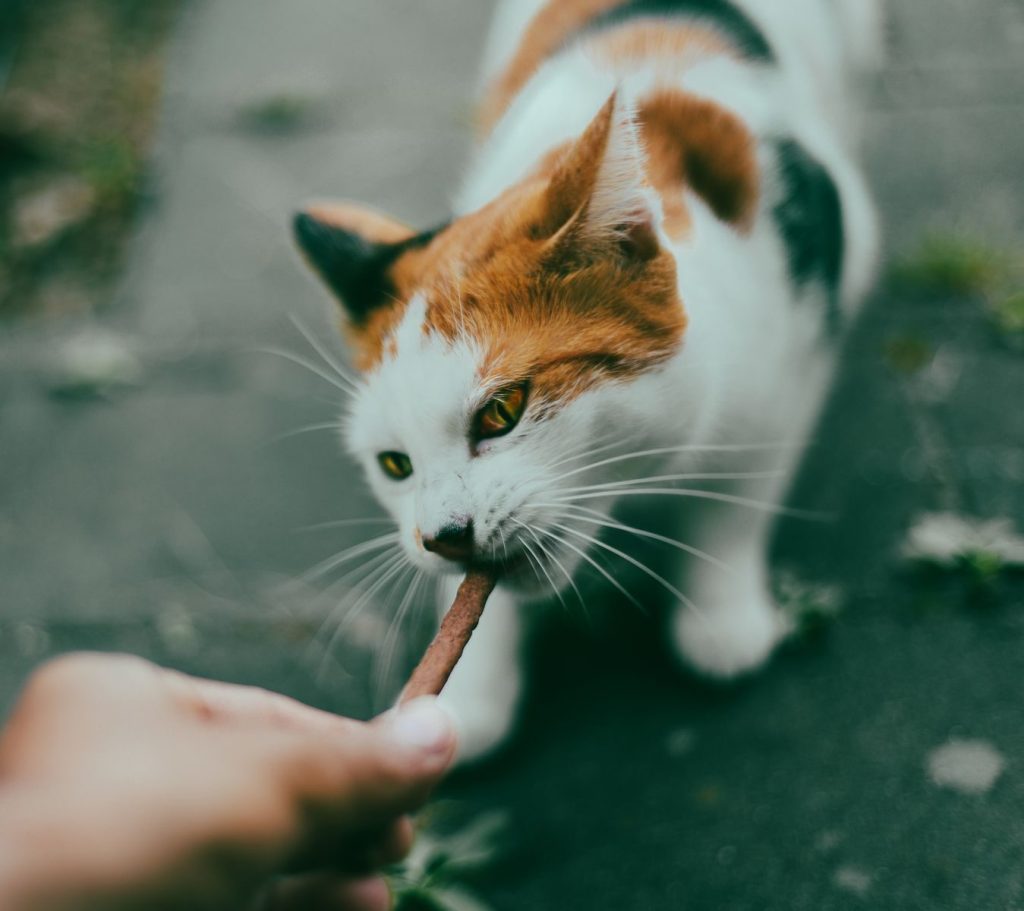
Behavioral experts state that felines are highly trainable and responsive to household rules. They are not too stubborn. According to the Humane Society, cats respond beautifully to positive reinforcement techniques. You can easily teach them to sit or use scratching posts using healthy treats. This simple process can improve your daily relationship.
earning The Truth Saves Lives
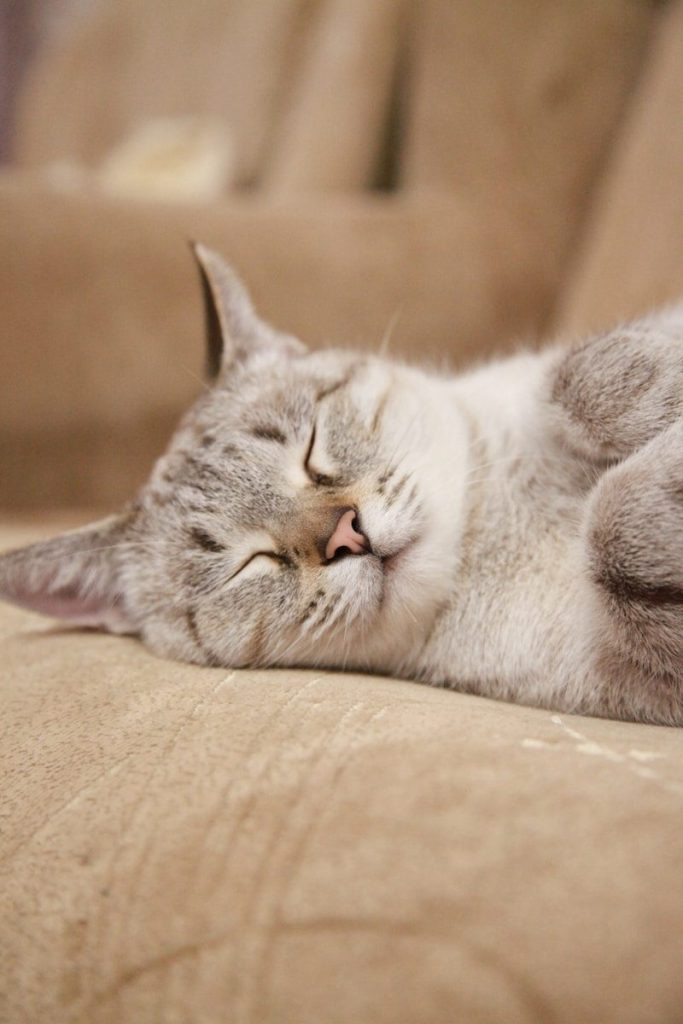
Learning the truth behind these common myths helps you provide a safer, happier life for your companion. Knowledge is power. Always consult your veterinarian if you have questions about your pet’s health or diet. This article is for informational purposes only and does not constitute medical advice.
Featured Image: Photo by Mikhail Vasilyev on Unsplash