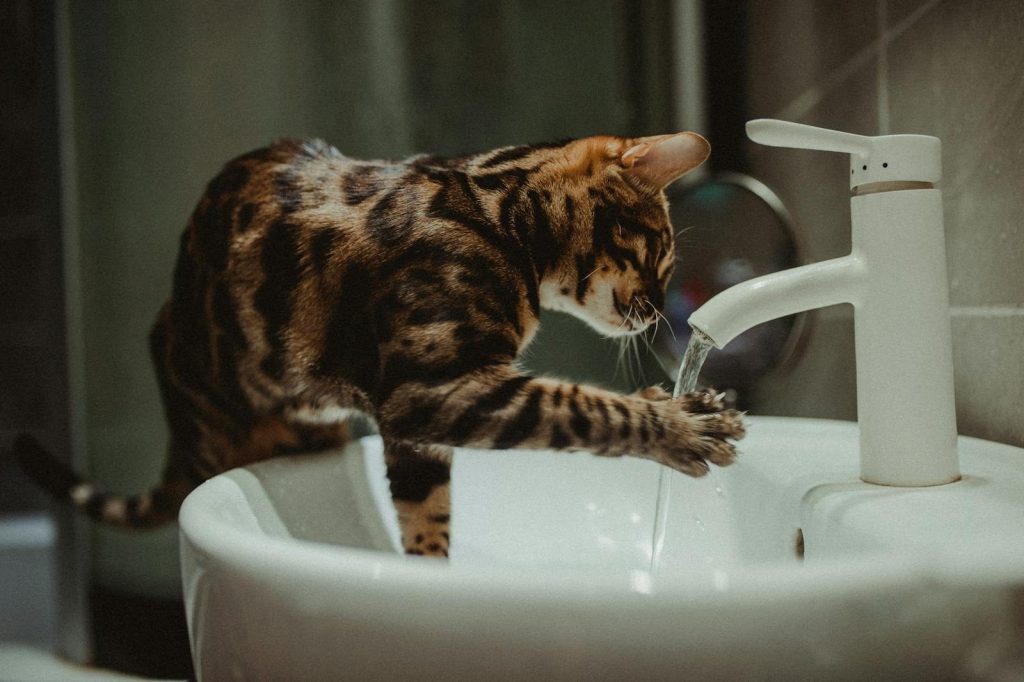

Most cats run away at the first sound of a running faucet. They hate getting wet and will do anything to avoid a bath.
Yet a few rare felines completely defy this rule by jumping straight into the tub. Experts have uncovered the surprising biological reason behind this damp behavior.
The evolutionary history of water-loving breeds
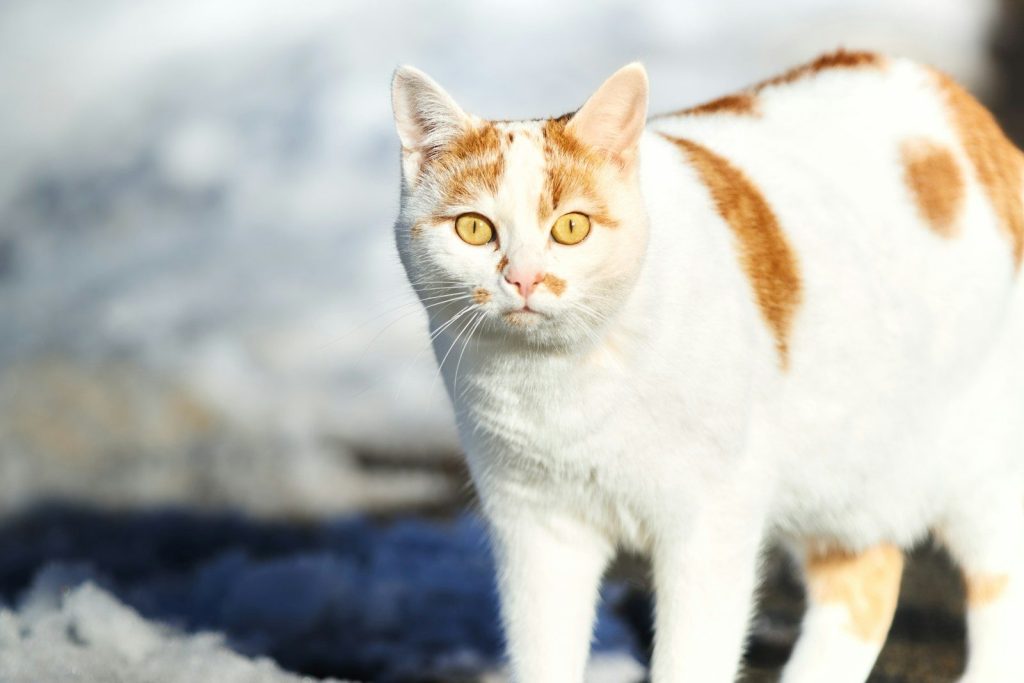
Certain feline breeds developed alongside large bodies of water. According to the Cat Fanciers Association, breeds like the Turkish Van possess a unique water-resistant coat. This physical trait allows them to swim comfortably without getting chilled. Their ancestors relied on water to survive in hot climates. But coat texture is only part of the puzzle.
How early experiences shape water play habits
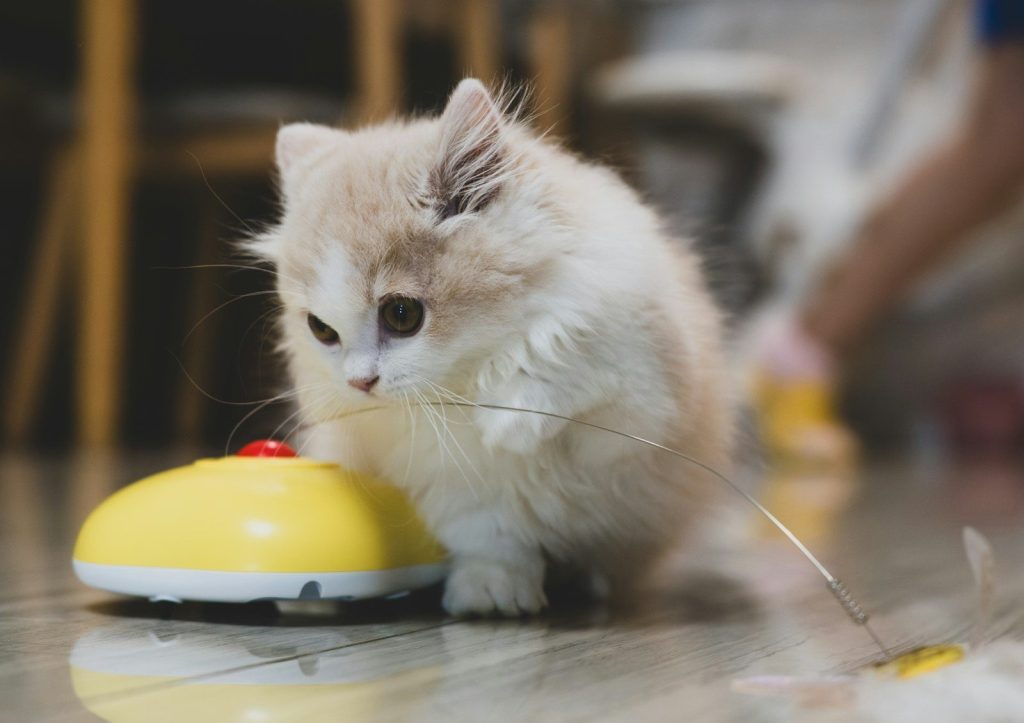
Socialization during early kittenhood plays a massive role in their future preferences. If a kitten encounters water in a positive way before nine weeks of age, they often remains comfortable with it for life. A gentle introduction prevents the natural fear response from taking hold. This early exposure turns bath time into an exciting game. However, sudden changes can ruin this trust.
The sensory appeal of moving tap water
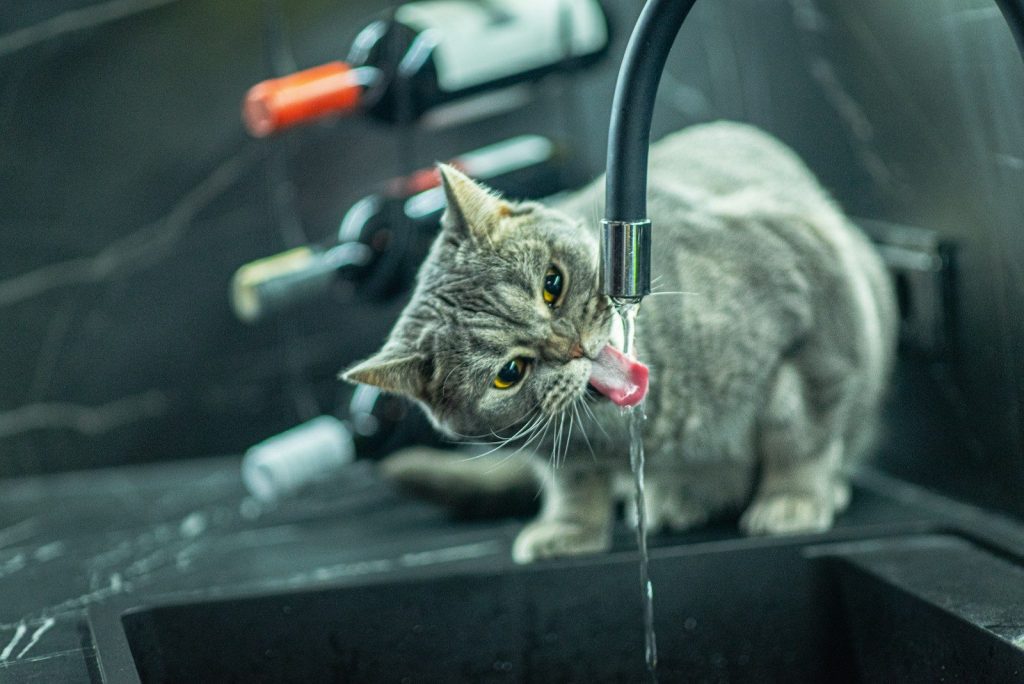
Running water stimulates a cat’s powerful hunting instincts. The glittering motion and bubbling sound mimic natural streams in the wild. Some felines simply find the moving surface impossible to ignore. They will swat at drips and even dunk their paws for fun. Still, we must consider the temperature of the water.
Why warm water mimics natural prey heat
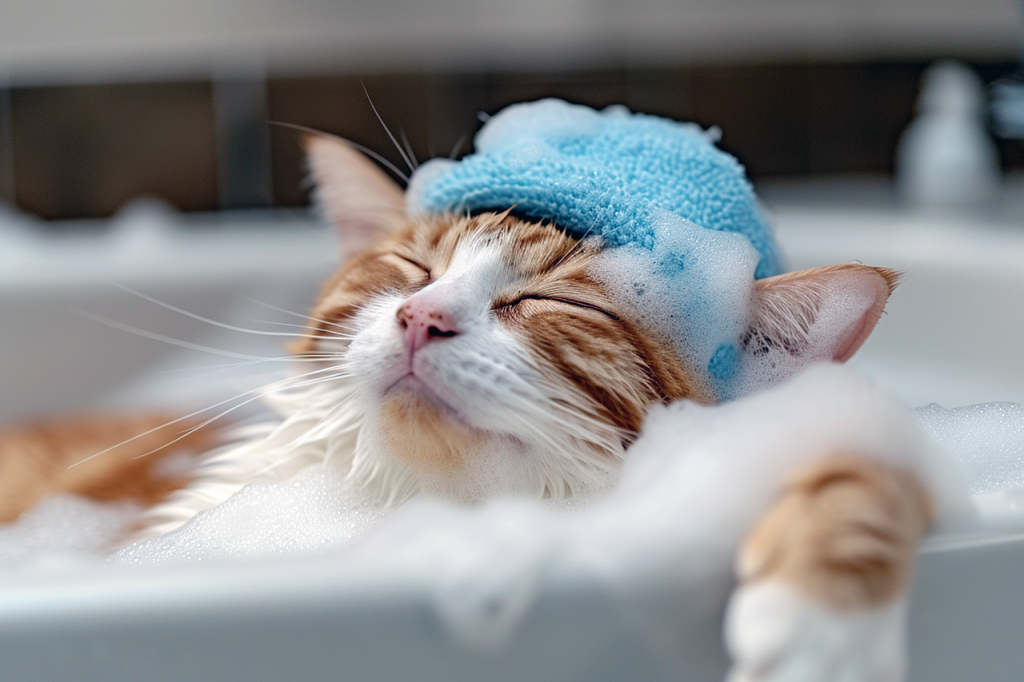
Cold water can shock a cat’s sensitive skin and drop their core temperature rapidly. In contrast, warm bath water actually mimics the body heat of their ancestral prey. This comfortable warmth helps them relax and enjoy the experience. Many water-loving cats will happily sit in a warm, shallow tub for hours. Yet, this behavior requires careful supervision.
Keeping water play safe for your pet
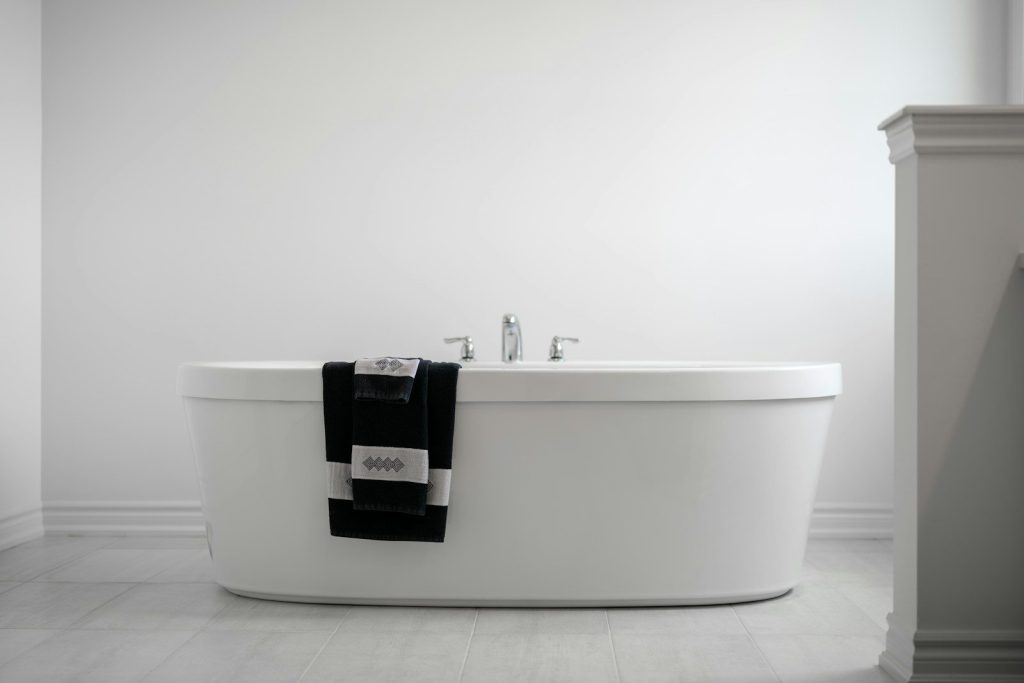
Bathrooms present hidden hazards for curious felines. Slick porcelain surfaces can lead to painful slips and sudden injuries. Additionally, human soaps and shampoos often contain chemicals that are highly toxic if swallowed. Always keep water levels shallow and supervise every single second of tub time. A quick mistake can easily turn a fun game into a medical crisis.
How to spot signs of water distress
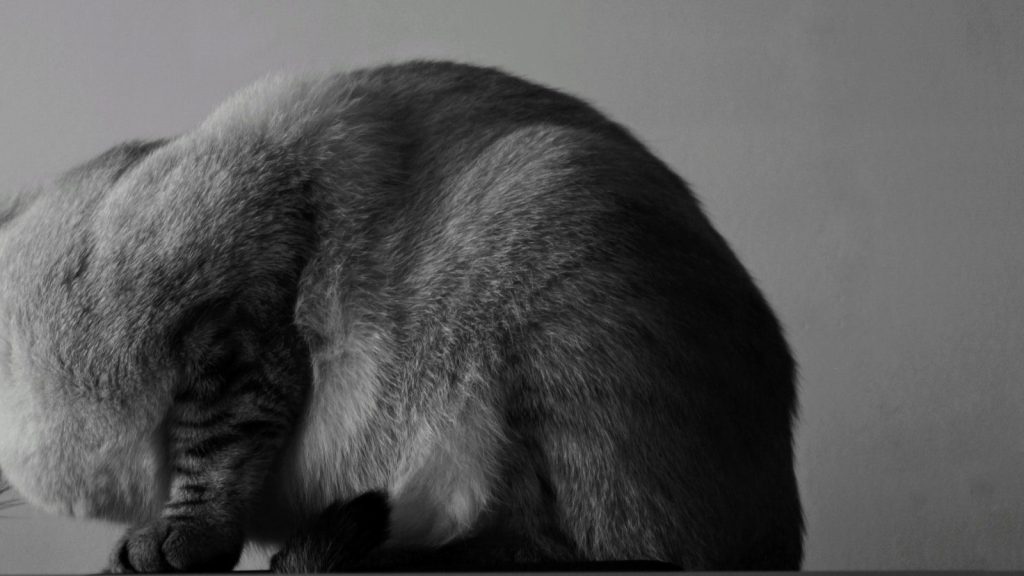
Even water-loving cats can get overwhelmed very quickly. Watch for flat ears, wide eyes, and tense muscles during tub play. According to the ASPCA, a cat who wants to escape will show subtle shifts in their breathing rate. Never force a cat to stay in water if they show any discomfort. This warning is especially crucial for their skin health.
A happy balance for your clean companion
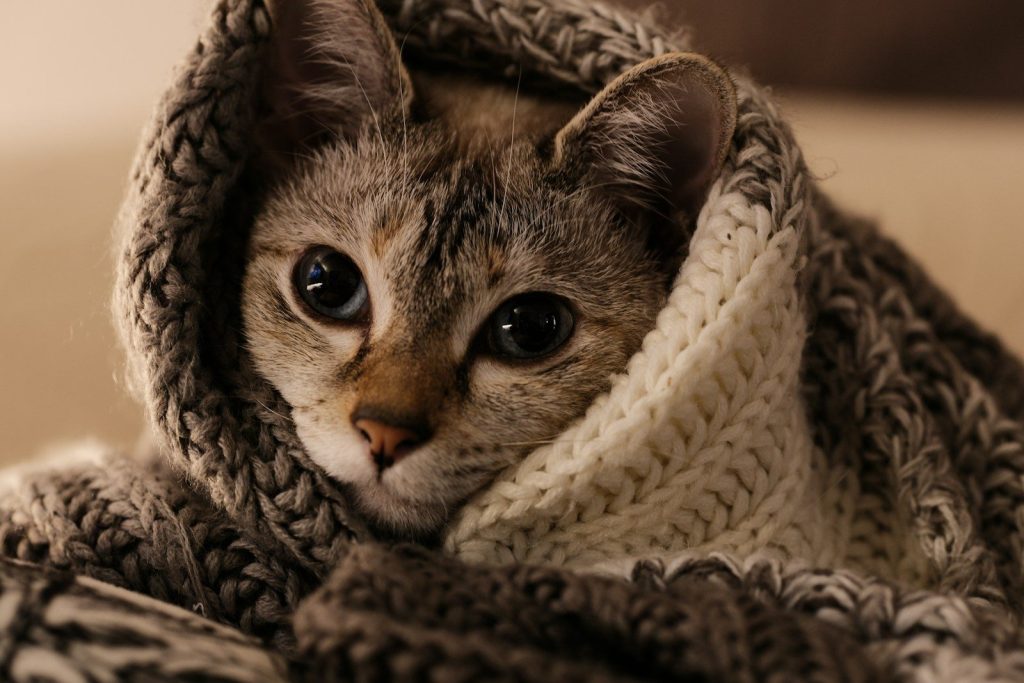
Encouraging safe play builds a wonderful bond with your adventurous pet. Always dry them thoroughly with a warm towel afterward to prevent skin irritation. This article is for informational purposes only and does not constitute veterinary advice. With the right approach, your little explorer will safely enjoy their splashy adventures for years.
Featured Image: Photo by Helena Jankovičová Kováčová on Pexels