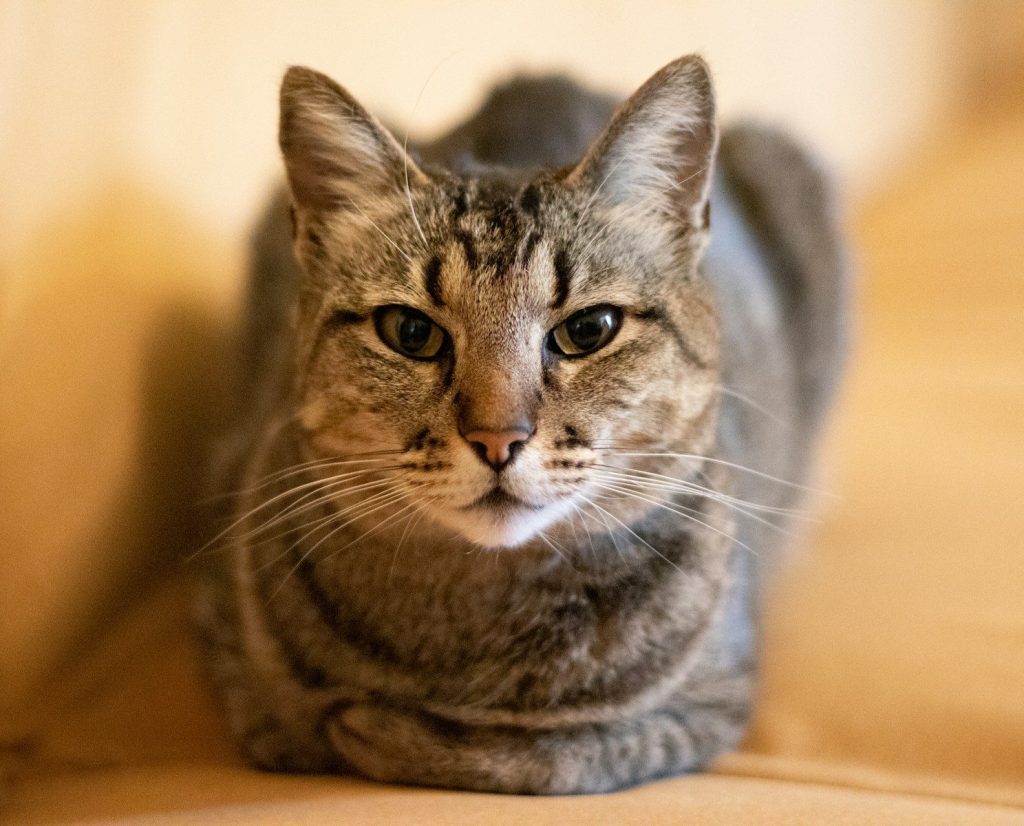

We often think of felines as independent and aloof. However, they are capable of forming incredibly deep bonds with other household pets.
When a companion animal passes away, the surviving cat can experience profound sadness. Their quiet mourning process shows how deeply they truly feel.
The sudden silence in the house
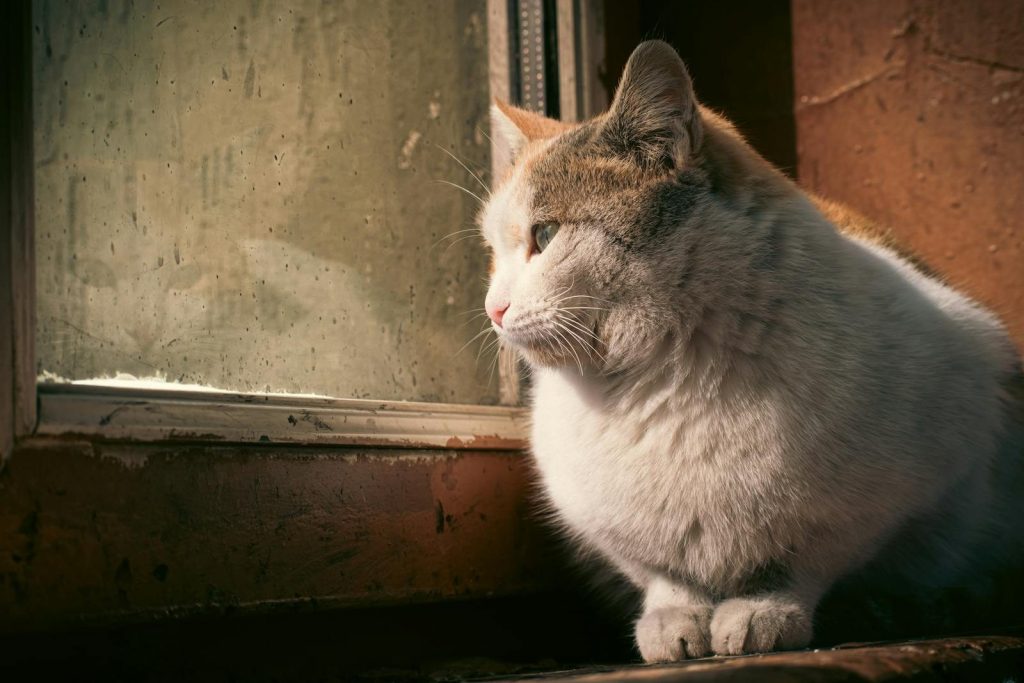
After a dog or another cat dies, the surviving pet immediately notices the change. The familiar scents and sounds are suddenly gone. Many owners report that their feline starts wandering through the rooms. They look in favorite sleeping spots and sniff the empty spaces. This search is the first sign of confusion, and it can last for weeks. But the searching behavior is just the beginning of their grief.
A noticeable change in appetite

Grief can take a physical toll on your pet. Just like humans, a mourning cat might lose interest in their favorite meals. According to veterinary studies, stress and sadness can temporarily shut down a feline’s appetite. If your pet refuses to eat for more than twenty-four hours, it is a major concern. You must watch their health closely during this difficult transition. There is another heartbreaking behavior that owners frequently notice.
Crying out in the night
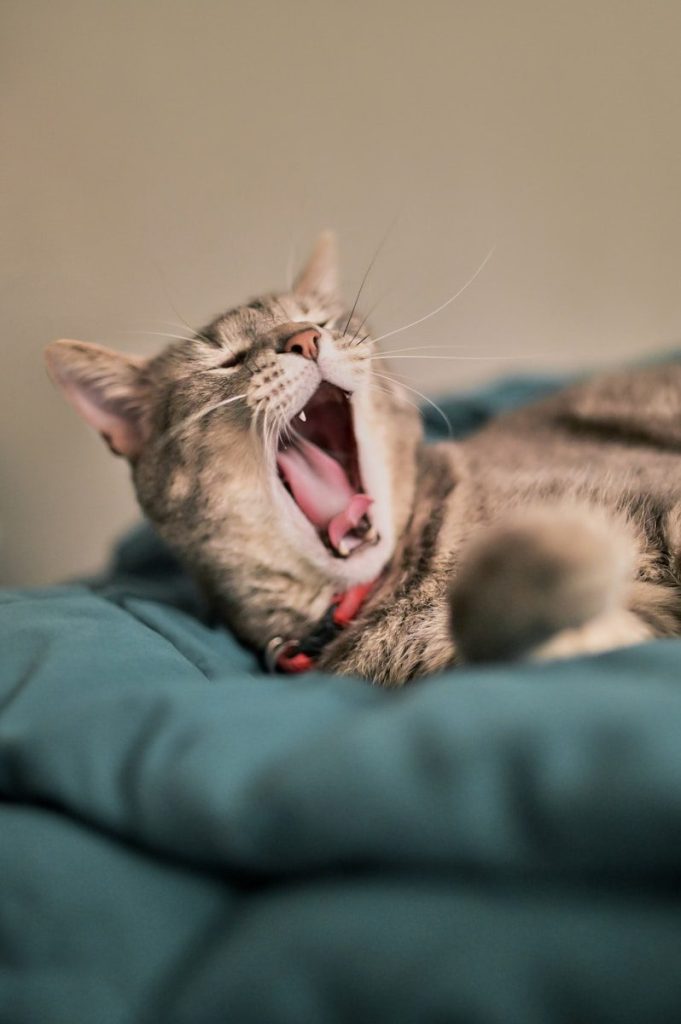
Mourning felines often begin vocalizing in a strange, haunting way. They might let out loud wails late at night when the house is quiet. This behavior is called separation calling. It is a direct attempt to summon their missing friend. Hearing these cries can be incredibly painful for grieving owners, who feel helpless to stop them. Fortunately, there are ways to comfort your pet during these episodes.
Seeking extra comfort and warmth
A cat who was once independent might suddenly become extremely clingy. They may follow you from room to room, demanding constant attention. They are seeking comfort and security in a world that suddenly feels unfamiliar. Offering extra cuddles and quiet reassurance can help them feel safe again, but you must be careful not to reward anxious behavior. There is also a risk of the opposite reaction occurring.
Retreating into total isolation
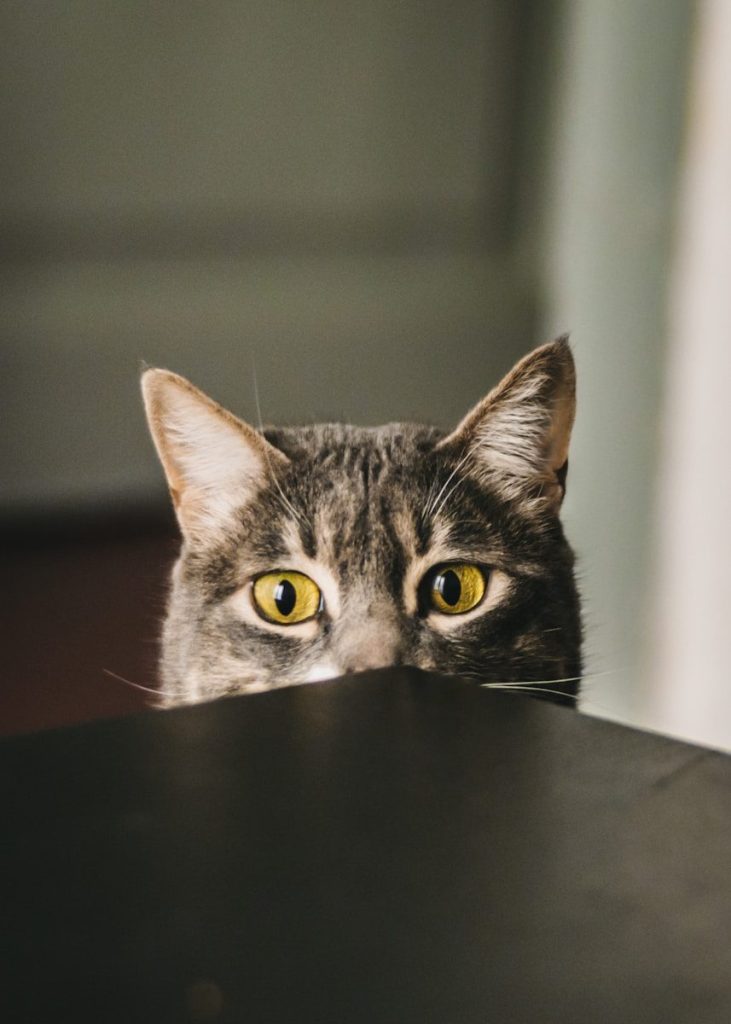
Some grieving cats choose to hide instead of seeking comfort. They might spend all day under the bed or in the back of a closet. This withdrawal is a natural coping mechanism for stress. While you should respect their need for quiet, you also need to ensure they are still drinking water. This quiet period requires a gentle approach from the family. There is one specific trap owners should avoid during this phase.
Avoiding the rush to adopt

It is tempting to bring home a new kitten to cheer up your grieving pet. However, experts warn that this often backfires. A mourning cat is stressed and needs time to process their loss. Introducing a high-energy stranger can increase their anxiety and lead to conflict. Waiting a few months is usually the safest path for everyone involved. In the meantime, you can help them by preserving certain memories.
Keeping comforting scents around
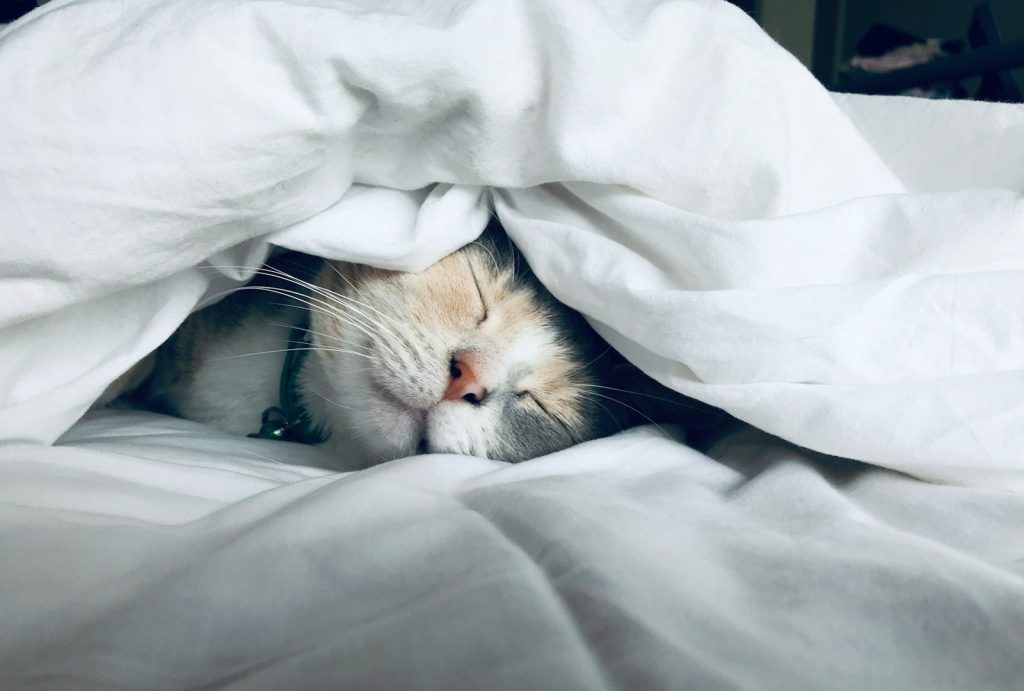
Do not rush to wash the deceased pet’s favorite blanket. The familiar scent provides a sense of security to the surviving cat. Letting them sleep on the blanket can help ease their transition. Over time, the scent will naturally fade as your pet adapts to the new normal. This gentle step can make a massive difference in their emotional recovery. Eventually, you will start to see signs of hope.
The slow journey toward healing
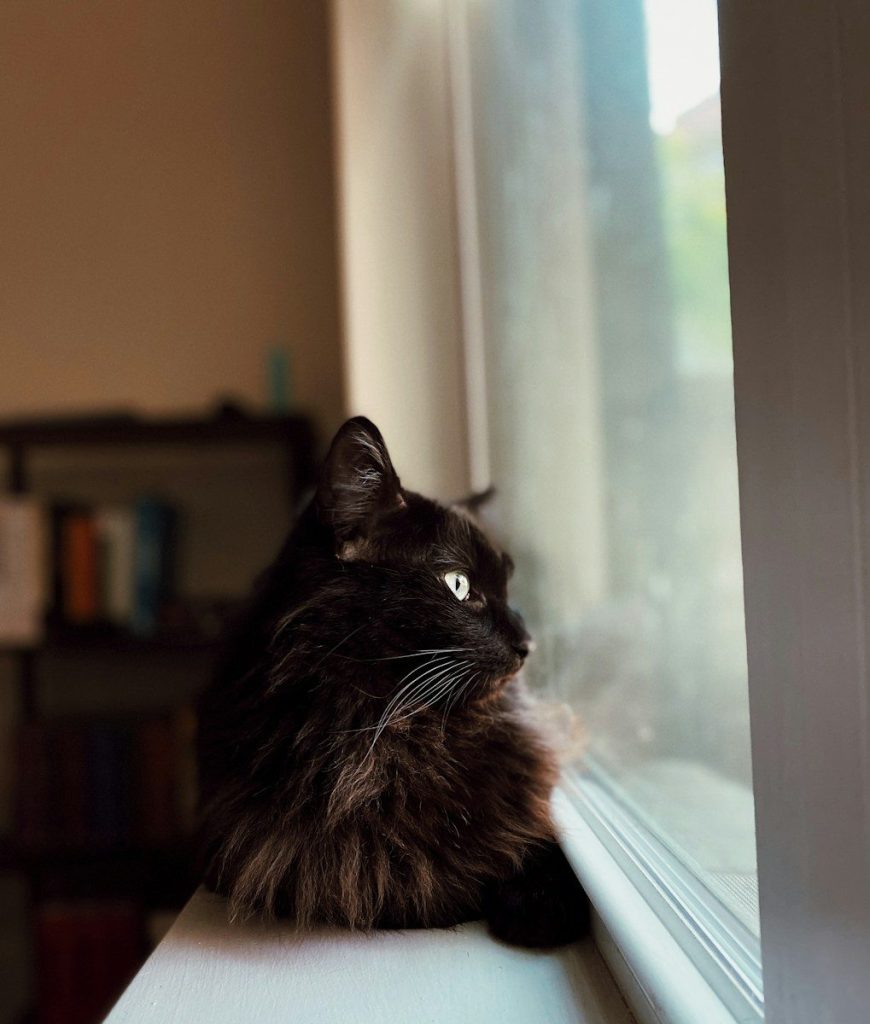
Healing takes time for both humans and animals. Slowly, your companion will begin to regain their appetite and return to their old routines. They will never forget their lost friend, but they will learn to find joy in life again. Your shared love and patience will guide them through the darkness and back into the light.
Featured Image: Photo by Davex Video on Unsplash