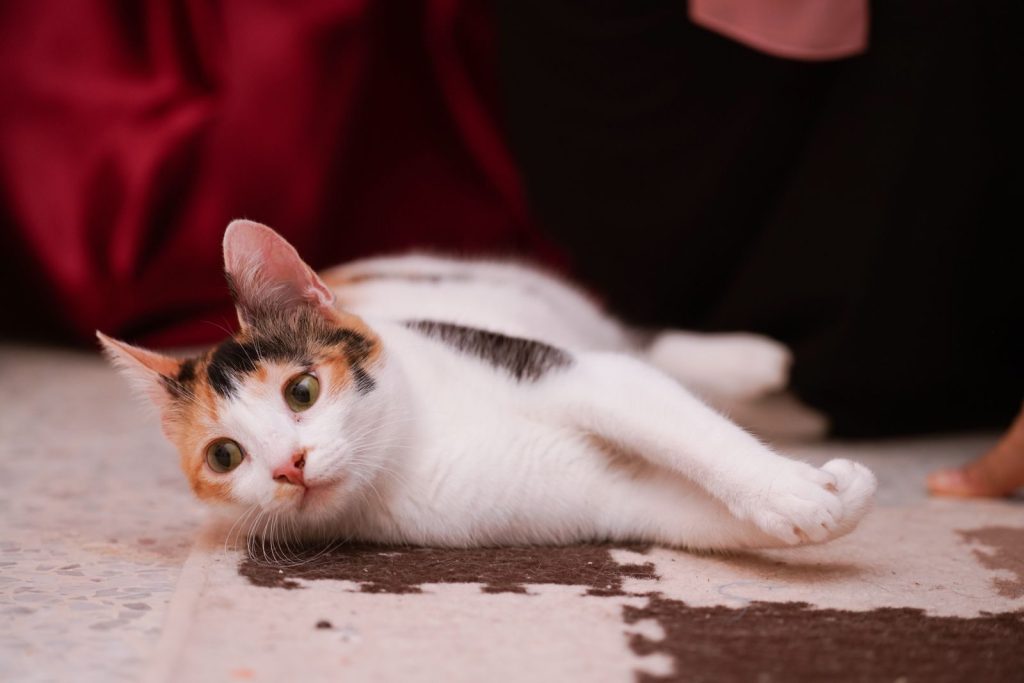

Feline owners love watching their kittens bounce around the room. But there is one classic move that leaves everyone laughing.
The kitten suddenly arches its back and runs sideways like a crab. While it looks hilarious, this behavior actually serves a very serious purpose.
The classic crab walk pose
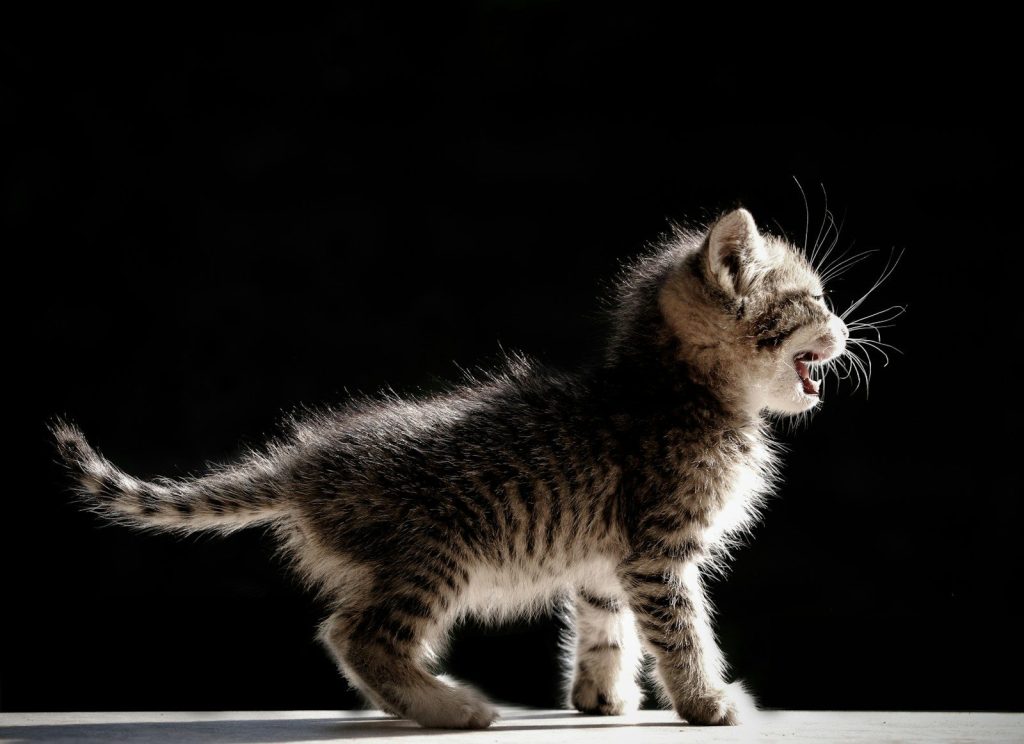
You might see your pet puff up its tail and skitter sideways across the carpet. This dramatic posture makes the young feline look twice its actual size. In the wild, animals use size to deter potential threats. Your playful companion is practicing an ancient survival strategy, but they are not trying to be scary. There is another reason why they target you during this display.
Practicing the ultimate mock battle
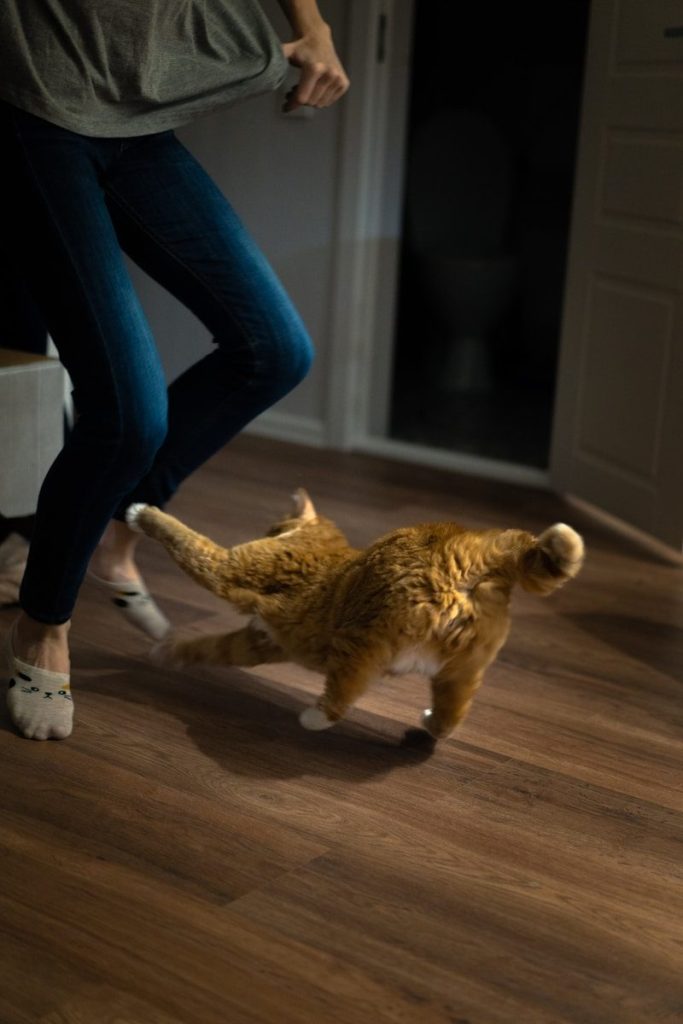
According to feline behavior experts, play is crucial for development. Kittens use these goofy movements to test their balance and coordination. When they run sideways at your ankles, they are treating you as a friendly opponent. They want to see how you respond to their mighty performance, and their next move is usually highly unpredictable. Sometimes, they combine this crab walk with an even stranger sound.
The strange trill of excitement
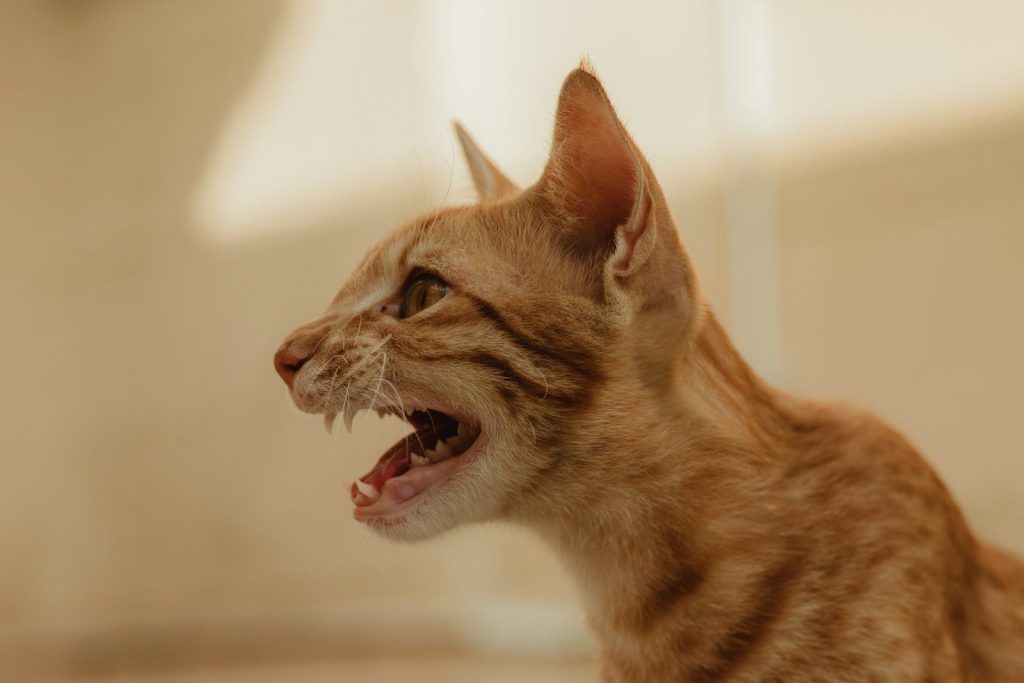
During these sideways sprints, many kittens let out a high-pitched chirping noise. This vocalization is different from a normal meow. It shows extreme excitement and high energy. If your kitten makes this sound, it means their hunting instincts are fully engaged. You might wonder if this intense play will eventually turn into real aggression. Fortunately, there is an easy way to tell the difference.
Spotting the difference from real anger
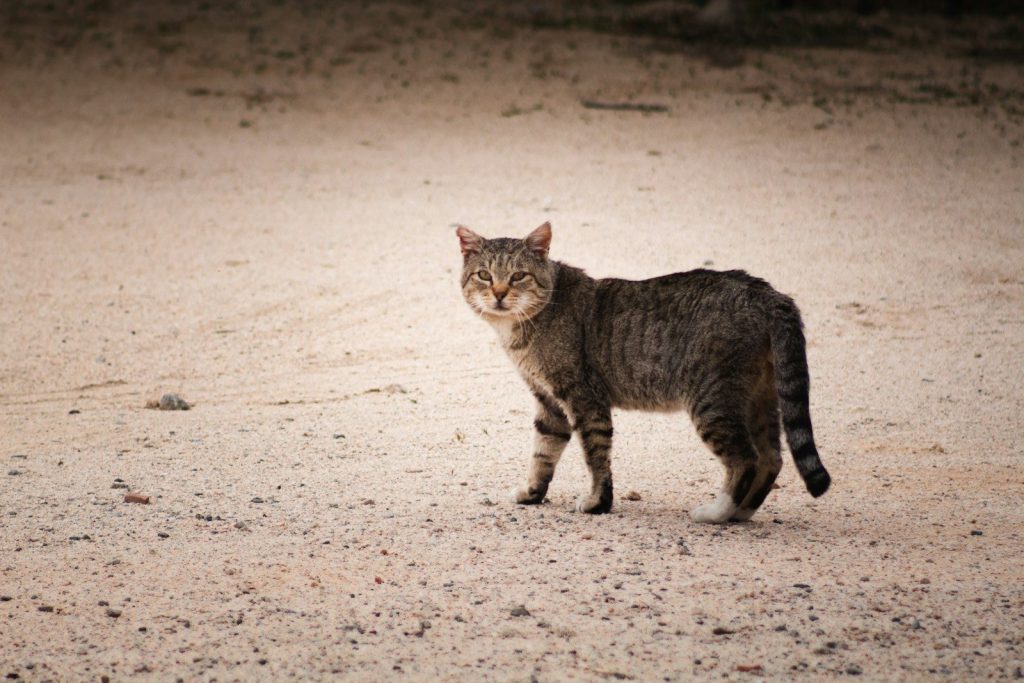
True feline aggression looks very different from a playful crab walk. Angry cats keep their bodies low to the ground and growl softly. They do not bounce or chirp. If your kitten has relaxed ears and a twitching tail, they are just having fun. But here is the thing, you still need to set boundaries. If you let them treat your hands as toys, things can get painful.
Setting rules during playtime
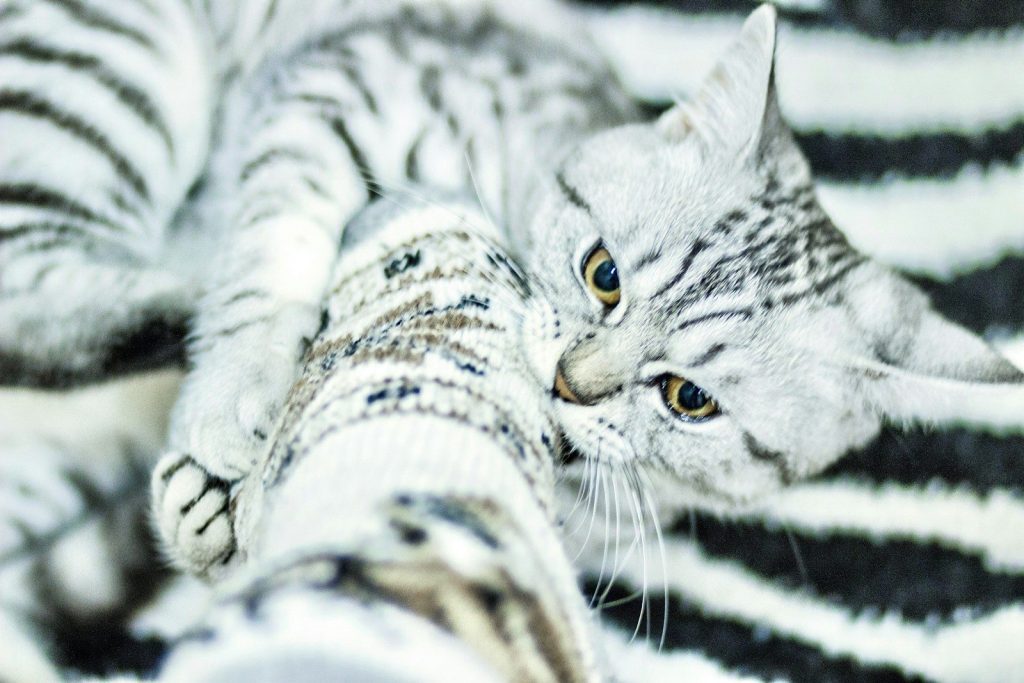
Feline trainers recommend redirecting this wild energy toward toys. Never use your bare fingers to mimic prey. If a kitten pounces on your hands, gently withdraw and offer a kicker toy instead. This teaches them what is acceptable to bite, and it keeps your fingers safe. But there is another common mistake owners make. It involves how you react when the kitten gets too hyper.
The danger of overstimulation
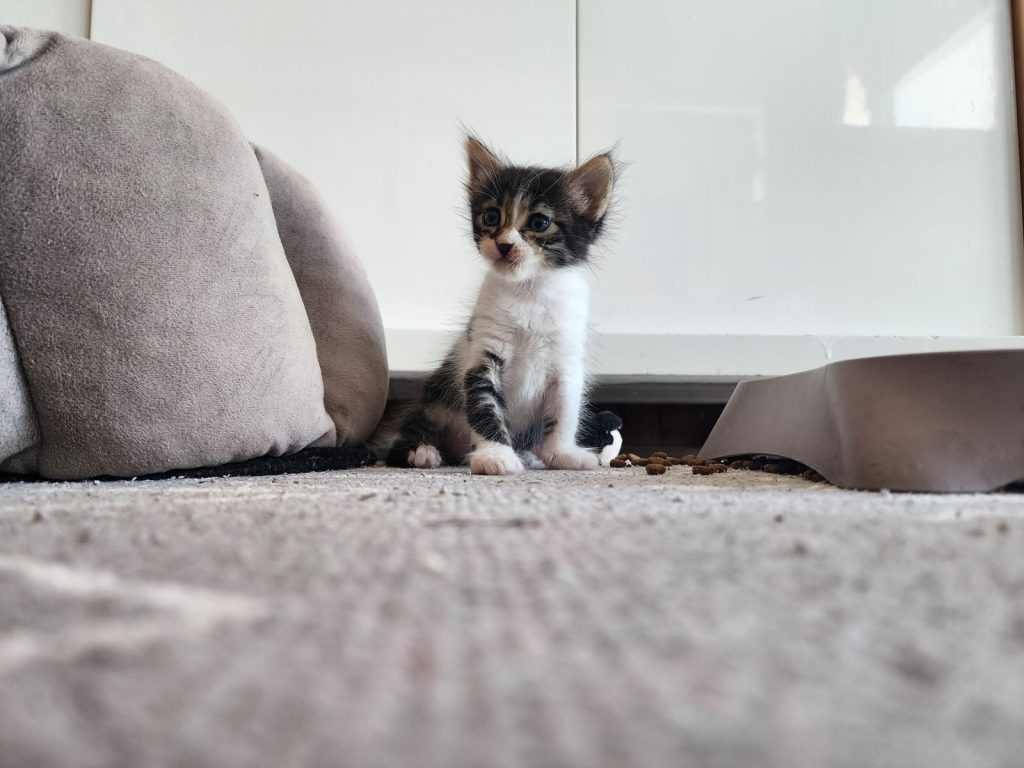
Kittens have tiny batteries that charge quickly and drain just as fast. If they play for too long, they can become overstimulated and easily frustrated. Look for signs like flat ears or a stiff body. When you see these cues, it is time to give them some quiet space. This helps them calm down before their next big burst of energy. Soon, they will go from wild hunters to peaceful sleepers in seconds.
Enjoying the short kitten phase
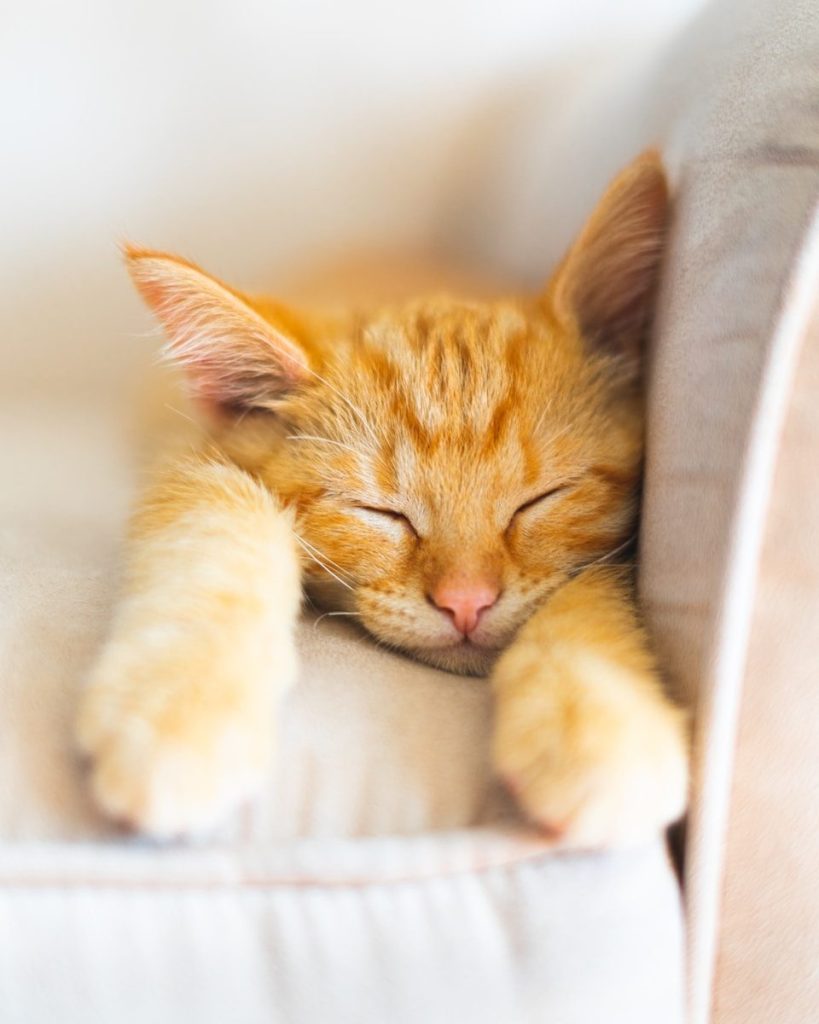
These silly play behaviors will naturally decrease as your pet grows older. Adult cats are much more dignified, though they still have occasional moments of playfulness. Enjoy these goofy, sideways running days while they last. They are a sign of a happy, healthy, and highly active companion who loves their home.
Featured Image: Photo by Samer Bououd on Pexels