
You fill your cat’s water bowl with fresh, clean water every morning. Yet, you almost never actually see them take a single sip.
This common mystery left one owner completely baffled for nine long years. The sudden breakthrough that changed their cat’s drinking habits reveals a critical truth about feline hydration that every owner must know.
The wild biology behind feline thirst
Cats have a naturally low thirst drive inherited from their desert ancestors. In the wild, they get most of their hydration directly from prey. This biological trait means your house cat may not feel the urge to drink from a still bowl. According to the Cornell Feline Health Center, this lack of water can lead to kidney issues. But their water bowl might actually be the problem.
Why cats hate still water sources
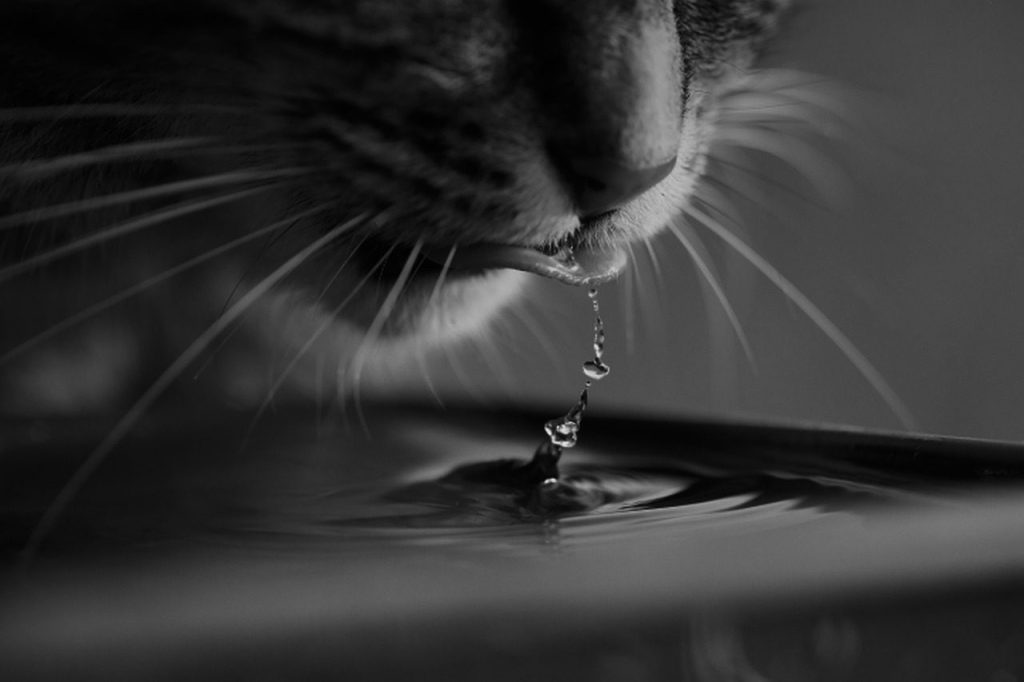
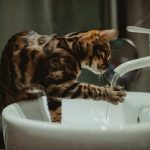
Still water in a bowl is a warning sign to your pet. In nature, stagnant pools often carry dangerous bacteria and parasites, which means their instincts tell them running water is much safer and fresher. This explains why many cats prefer to lick dripping faucets or play in sink basins. Fortunately, there is a simple way to satisfy this natural craving.
The magic of moving water fountains
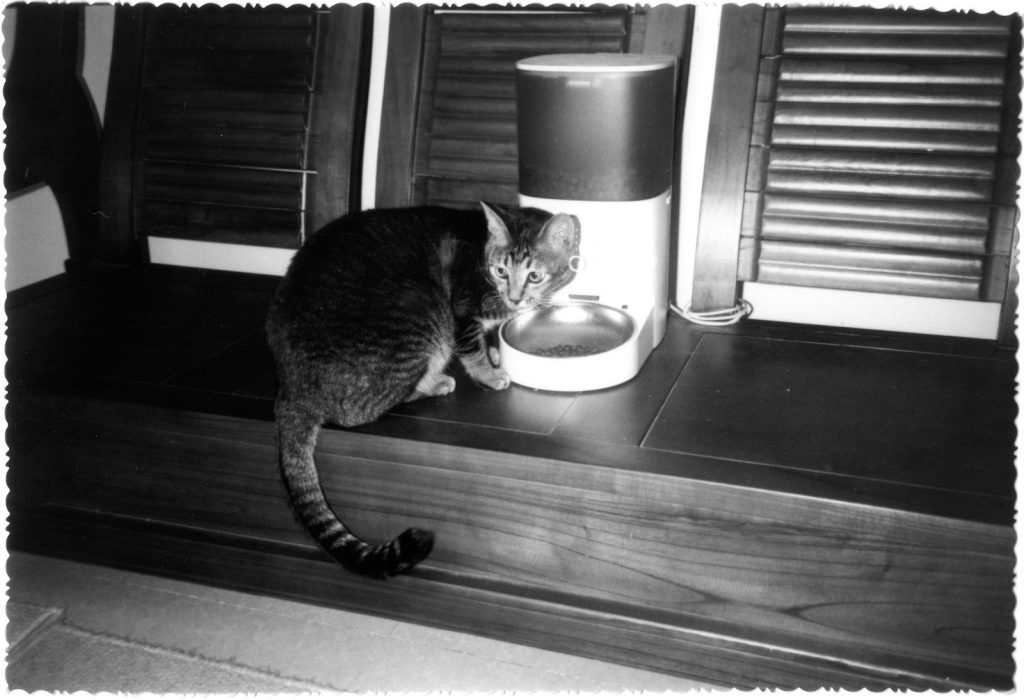
Switching to a circulating pet fountain can instantly change your cat’s drinking habits. The constant movement mimics a natural stream, making the water highly appealing to their senses. Many owners report their cats drinking eagerly for the first time in years after making this switch. It is an easy way to boost their daily hydration. However, there is another subtle factor that can turn them away.
How bowl placement affects their thirst
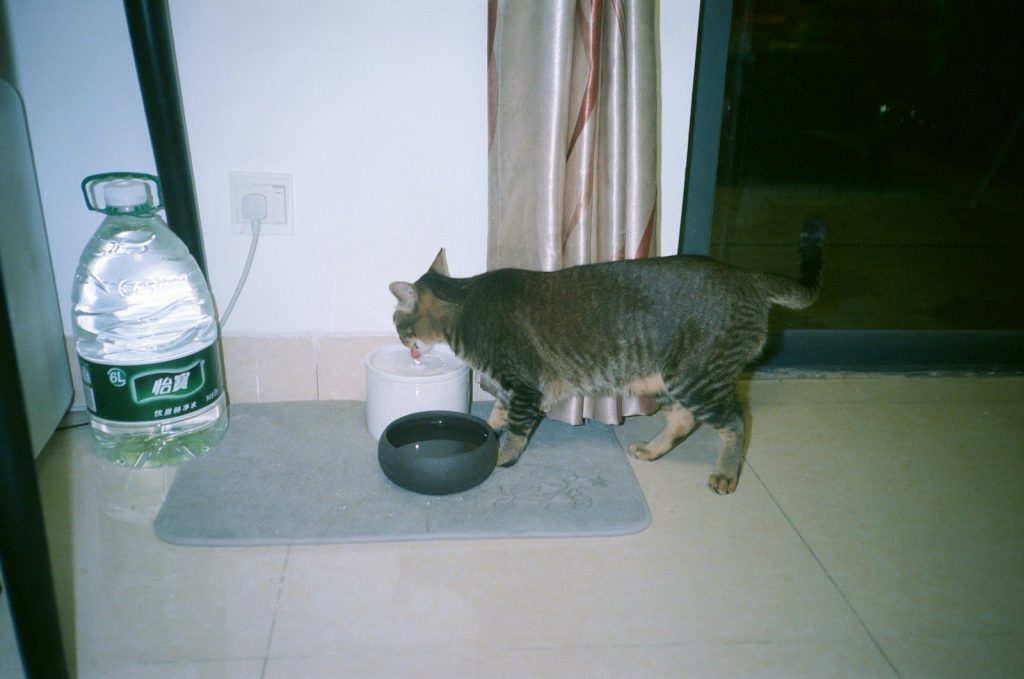
Where you place your cat’s water bowl matters more than you think. Cats do not like their water source to be next to their food bowl or litter box. In the wild, they avoid drinking near feeding sites to prevent contamination. Moving the water bowl to a quiet, separate room can encourage them to drink more. This article is for informational purposes only and does not constitute medical advice. Another danger is still hiding.
Spotting the signs of severe dehydration
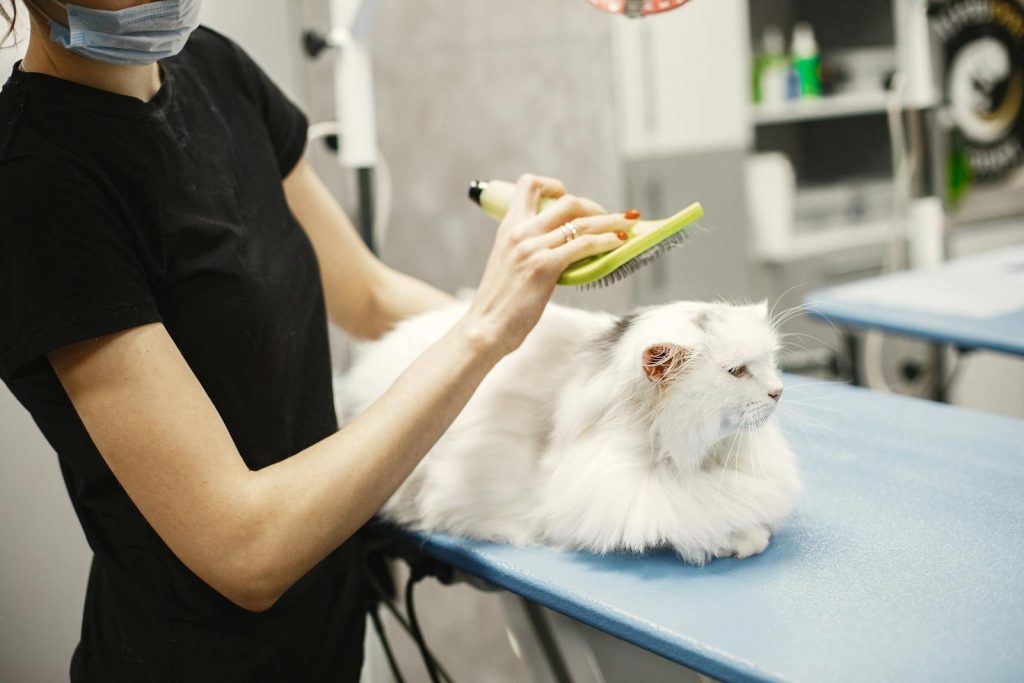
Chronic dehydration is a silent threat to feline health. Keep a close eye out for dry gums, lethargy, and a loss of skin elasticity. To test this, gently pinch the skin between their shoulders. If it does not snap back quickly, your pet is likely dehydrated and needs veterinary attention. According to the American Veterinary Medical Association, early intervention is critical for kidney care. Still, you can boost hydration through their diet.
The hydration benefits of wet food
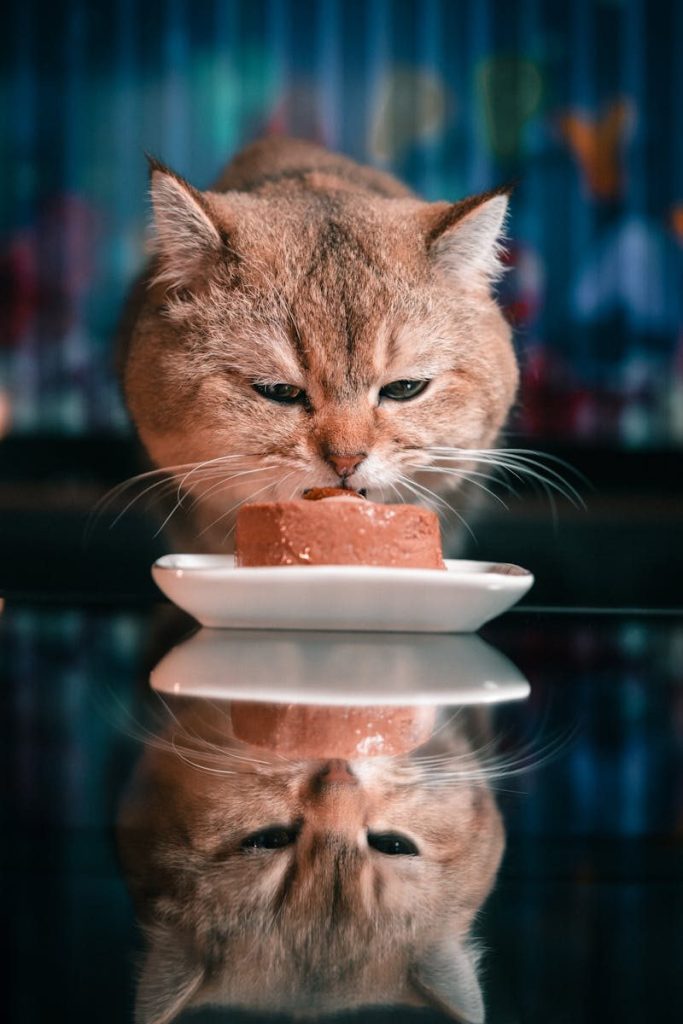
Feeding your cat high-quality wet food is an excellent way to increase their water intake. Canned food contains up to eighty percent moisture, which closely mirrors their natural ancestral diet. This dietary shift can protect their urinary tract and support healthy kidney function over time. Discussing these changes with a veterinary professional will keep your pet in peak health. The benefits of a hydrated cat will quickly show in their daily energy.
A happy and healthy life for your companion
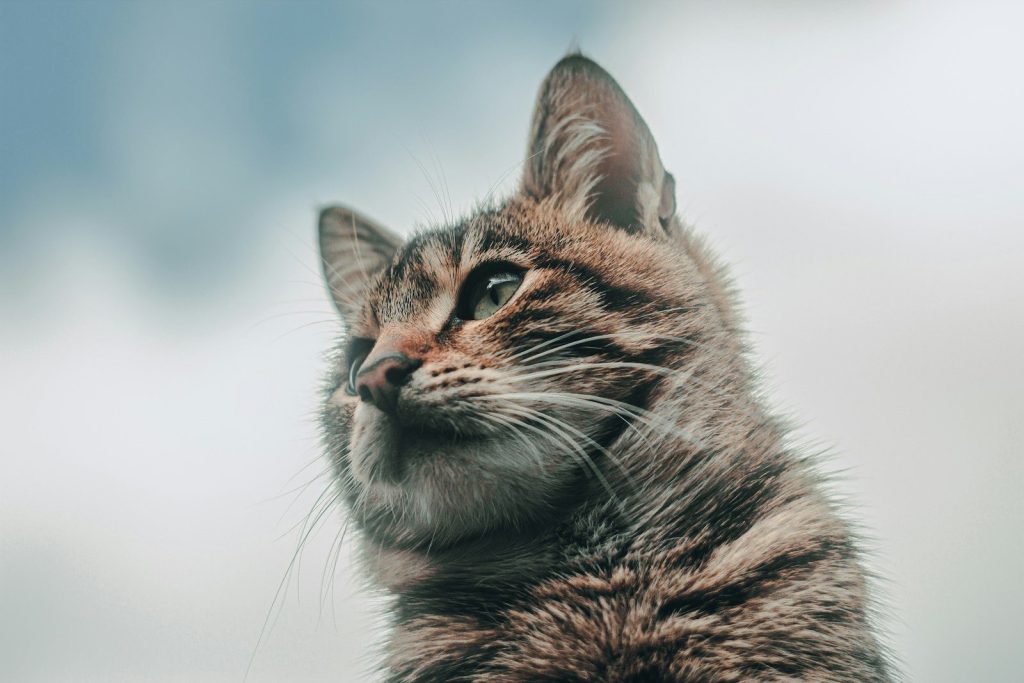
When your cat gets enough water, their entire life improves. You will notice a shinier coat, higher energy levels, and better digestive health. By understanding their wild instincts and making simple adjustments, you can help your pet thrive. Keep their water fresh, clean, and flowing to ensure your beloved feline companion enjoys a long, vibrant life by your side.
Featured Image: Photo by Zişan Özdemir on Pexels