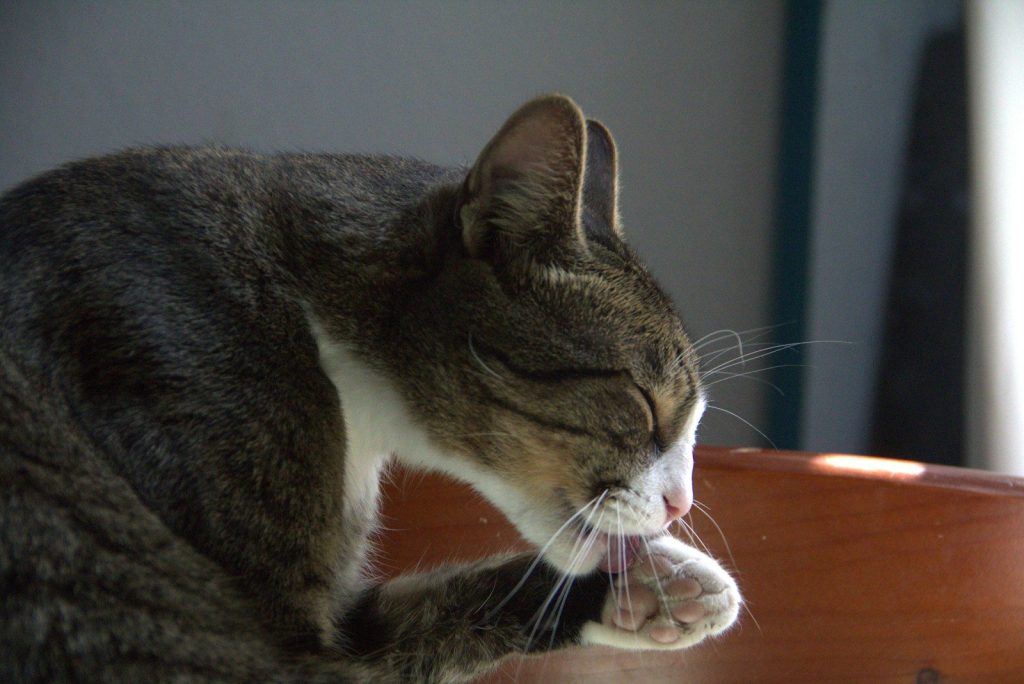

Grooming should be a soothing experience for your feline companion. Yet, many cat owners find themselves facing sharp claws and angry hisses the moment a brush appears.
If your cat hates being brushed, you are likely triggering an intense sensory overload. Fortunately, you can retrain their brain to love the brush using a simple, step-by-step technique.
Understand why your cat hates the brush
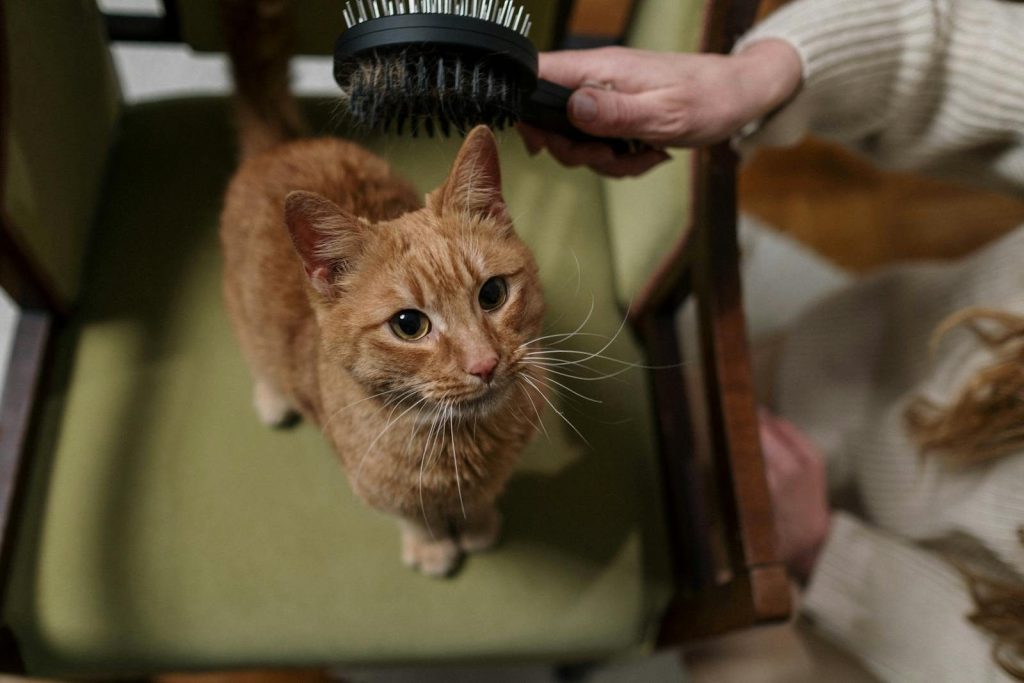
Feline skin is incredibly sensitive, especially along the spine and near the tail. A stiff brush can easily pinch or cause static shocks that feel like a sudden attack. When a cat resists, they are not acting out of malice; they are protecting themselves. To change this behavior, you must start with an object they do not fear at all.
Introduce the tool as a harmless toy
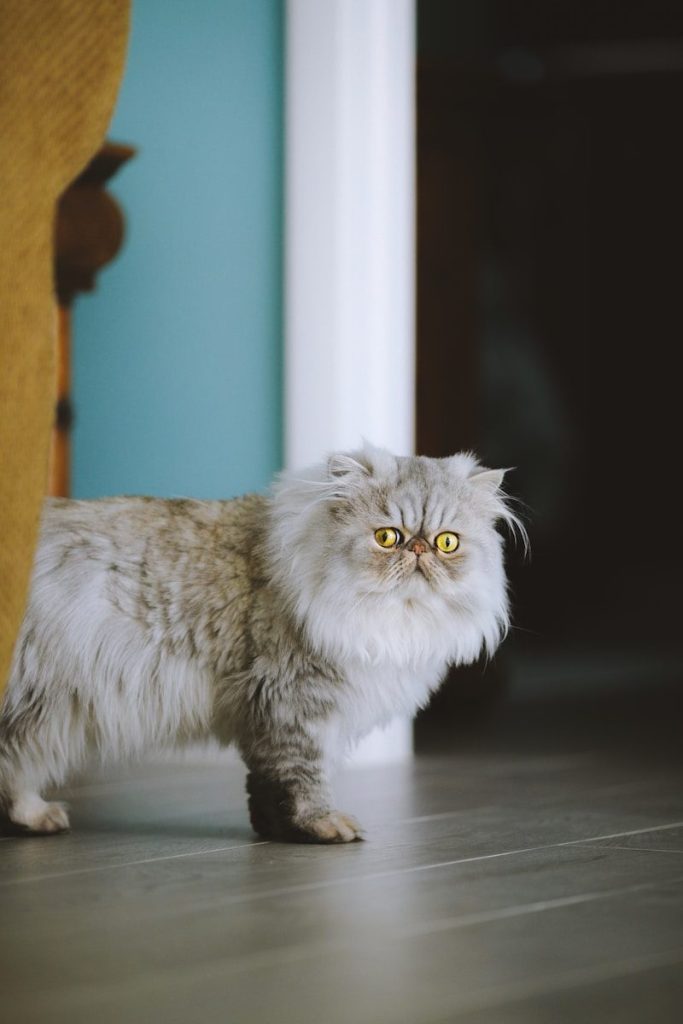
Leave the brush on the living room floor near your cat’s favorite sleeping spot. Let them sniff it, rub against it, and explore it on their own terms. This process, known as desensitization, helps your cat realize the brush is not a threat. Once they ignore its presence, you are ready to introduce a high-value reward.
Pair every sniff with a tasty treat
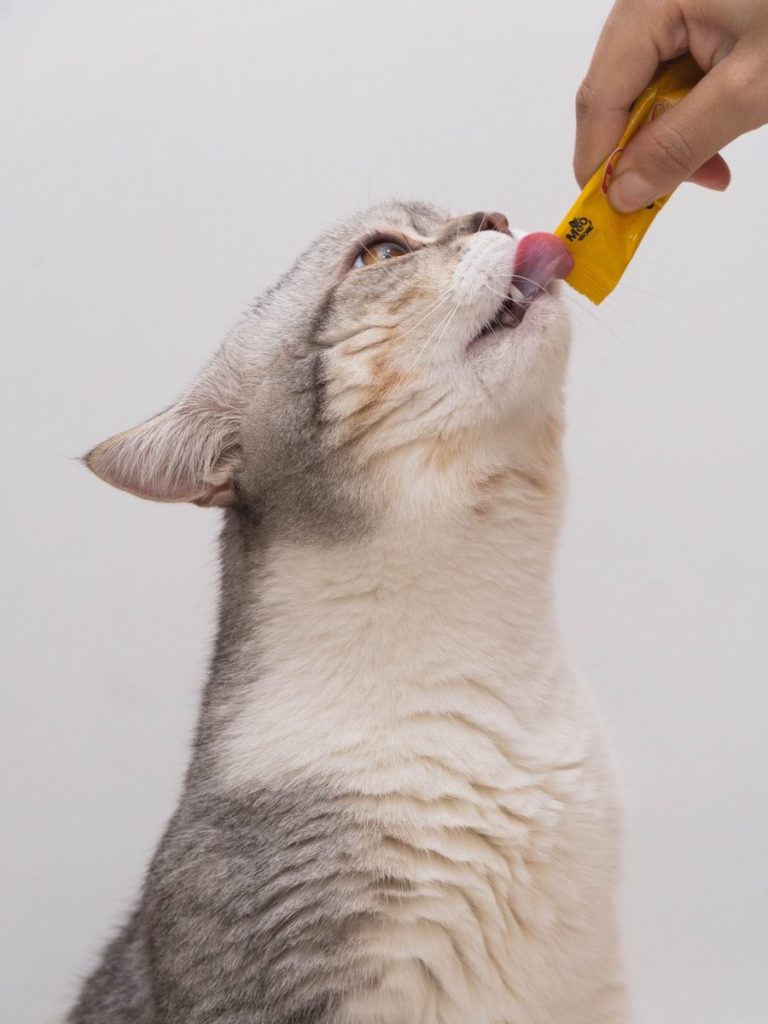
Every time your cat looks at or sniffs the brush, offer them a delicious lickable treat. The American Veterinary Society of Animal Behavior recommends positive reinforcement to build happy associations. By linking the brush with their absolute favorite food, you change how their brain perceives the tool. But do not start brushing just yet, because there is an intermediate step.
Mimic petting with the back of the brush
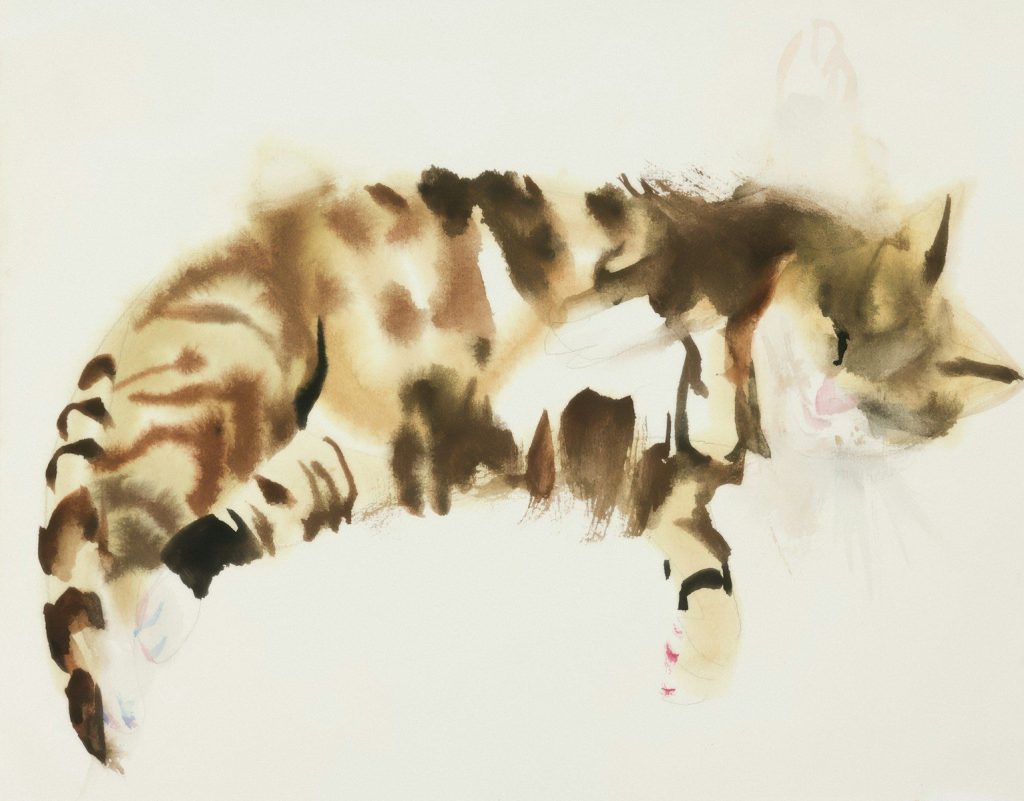
Gently stroke your cat using the smooth, flat back of the brush instead of the bristles. This mimics your hand, allowing them to get used to the weight and feel of the object. Keep these sessions extremely brief, lasting only a few seconds. If they remain calm, you can finally flip the tool, but you must target a very specific spot.
Start grooming the scent gland zones first
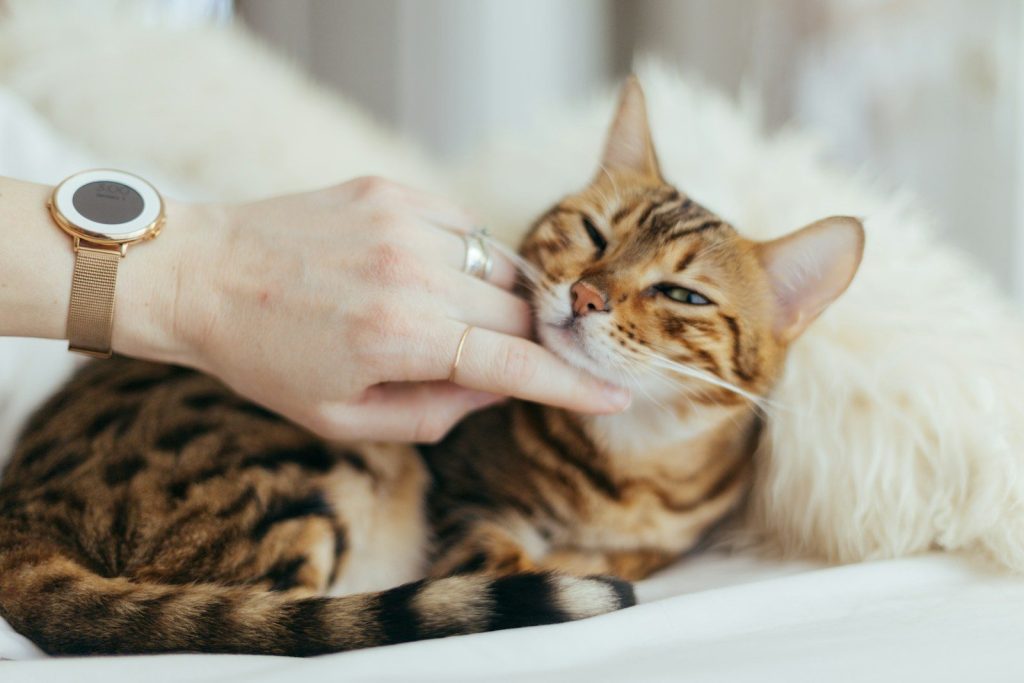
Focus your first real brush strokes strictly on the cheeks and chin. Cats naturally rub these areas against furniture to deposit scent, so brushing here feels like a comforting massage. Avoid the back, tail, and belly during these early stages. If your cat leans into the brush, you can slowly expand your reach, but watch for a subtle warning sign.
Watch for twitching skin and flicking tails
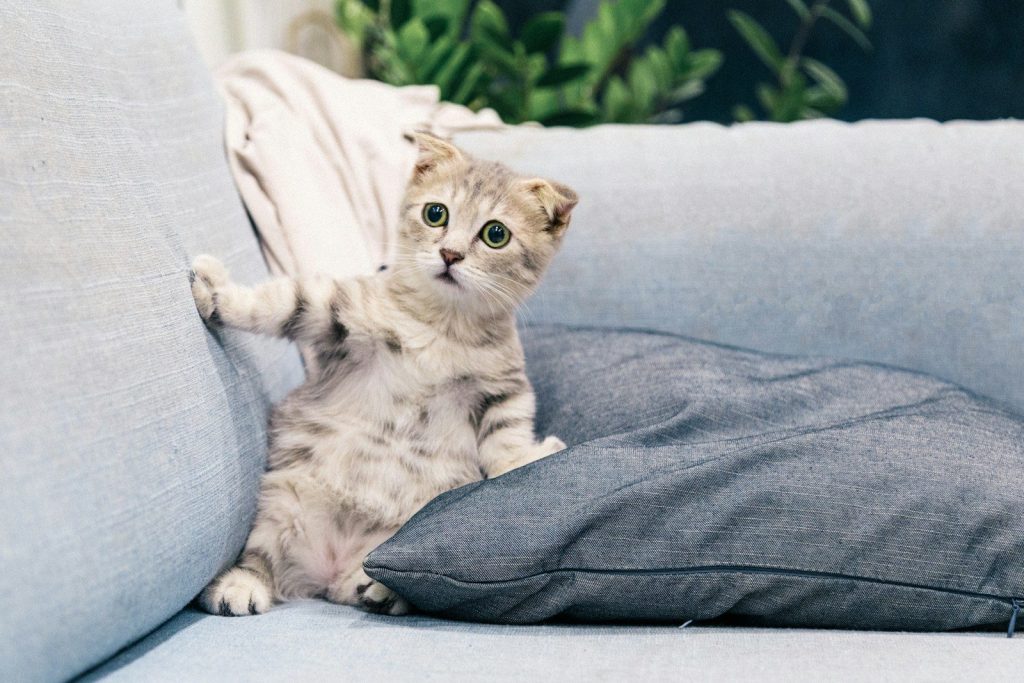
Pay close attention to your cat’s body language as you brush. If their skin starts twitching or their tail begins to flick, they are reaching their sensory limit. Stop immediately before they get upset, ensuring the session ends on a positive note. Managing these short sessions will build their tolerance, leading to an amazing daily routine.
Establish a predictable daily grooming schedule

Consistency is key to keeping your cat comfortable. Brush them at the exact same time every day, preferably when they are already calm and sleepy. This predictability reduces their anxiety and makes the routine feel like a natural part of their day. But there is one final benefit to this training that goes far beyond clean fur.
Enjoy a stronger bond with your happy cat
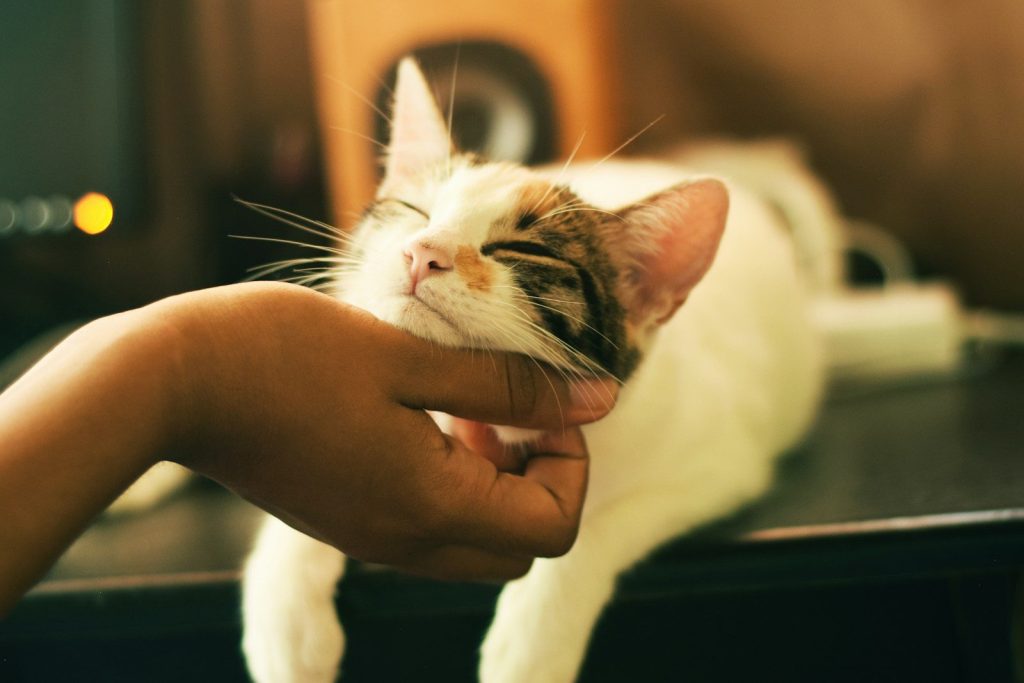
What started as a struggle will eventually become a quiet moment of deep connection. Your cat will purr, close their eyes, and actively seek out your touch. You have successfully turned a stressful chore into a beautiful daily ritual that keeps them healthy and loved.