
You love keeping your home clean and smelling like fresh lavender or sweet citrus. Yet your cat might be reacting to these pleasant scents with intense anxiety.
Felines possess an incredibly advanced olfactory system that perceives the world through smell. What smells wonderful to us can feel like a sensory assault to them.
The incredible power of the feline nose
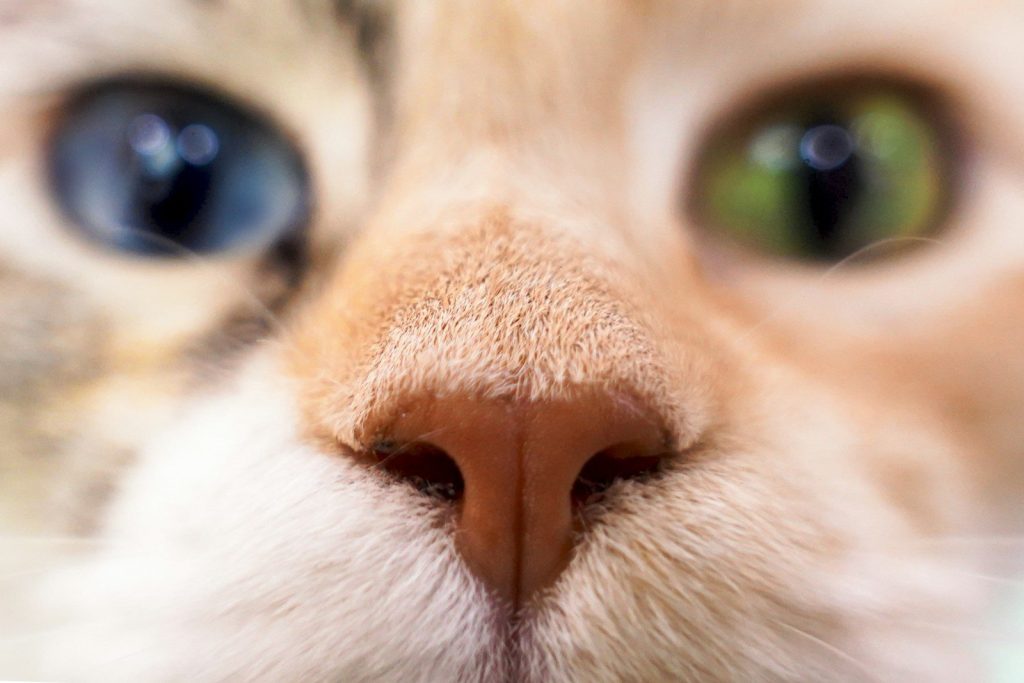
Feline noses are nearly fourteen times stronger than a human’s. According to research from the Cornell Feline Health Center, their nasal passages are packed with sensitive nerve endings. This biological tracking system helps them detect prey and identify family members safely. However, this high sensitivity makes them vulnerable to common household products. But citrus is the biggest trigger.
Why citrus scents trigger immediate panic
Lemon, lime, and orange smells are highly offensive to felines. In the wild, cats instinctively avoid citrus fruits because their essential oils can be highly toxic if ingested. Many commercial pet repellents use citrus scents specifically to keep cats away from expensive furniture. This intense smell can cause severe stress. Yet another popular floral scent is equally dangerous.
The hidden hazard of lavender products
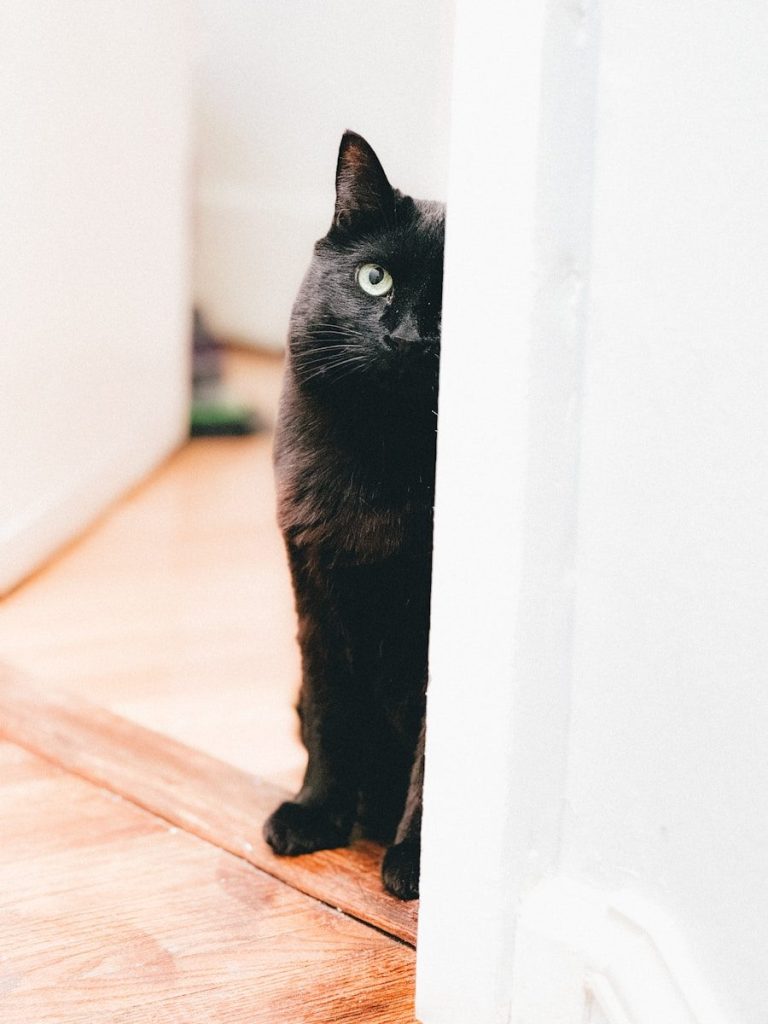
Many people use lavender room sprays to create a relaxing environment. Unfortunately, lavender is highly toxic to felines and can trigger severe respiratory distress. According to reports from the ASPCA, direct exposure to these essential oils can cause liver issues in domestic pets. The strong aroma also overwhelms their senses, making them hide away. But pine cleaners present a similar threat.
The chemical warning of pine oils
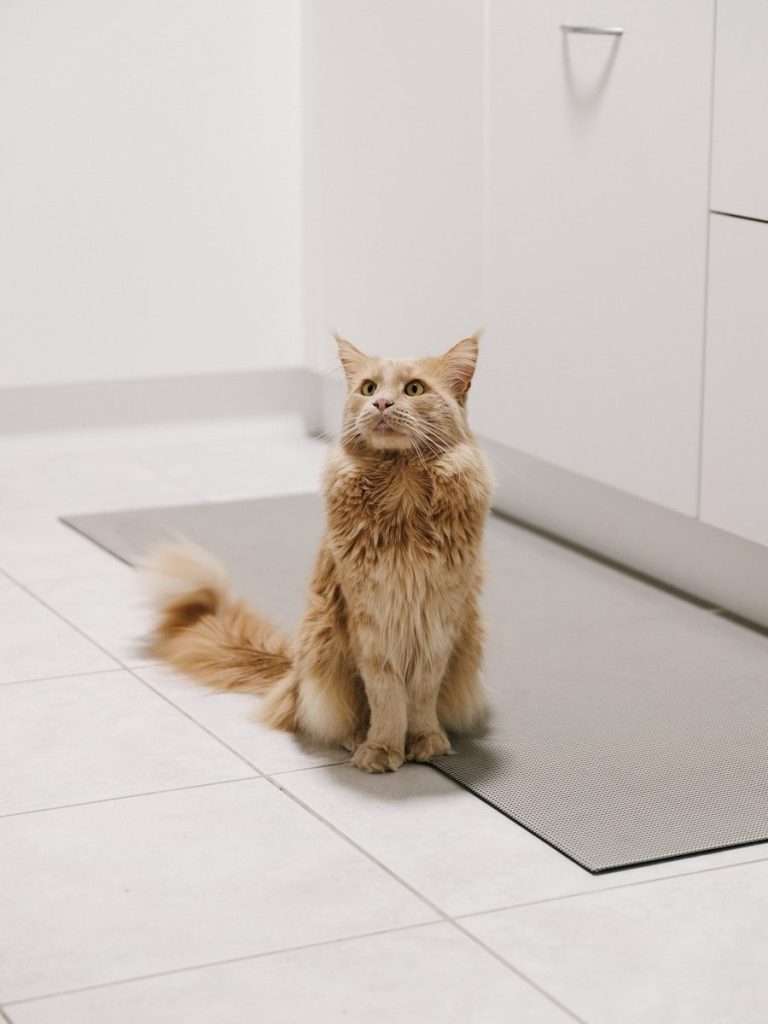
Cleaners that contain pine oil are highly toxic to felines and carry a very harsh aroma. Cats groom their paws constantly, meaning they will easily ingest any chemical residue left on your clean floors. The sharp pine smell can also irritate their delicate nasal linings, causing sneezing and watery eyes. Fortunately, you can easily protect their health with simple steps.
Choosing pet-safe cleaning alternatives
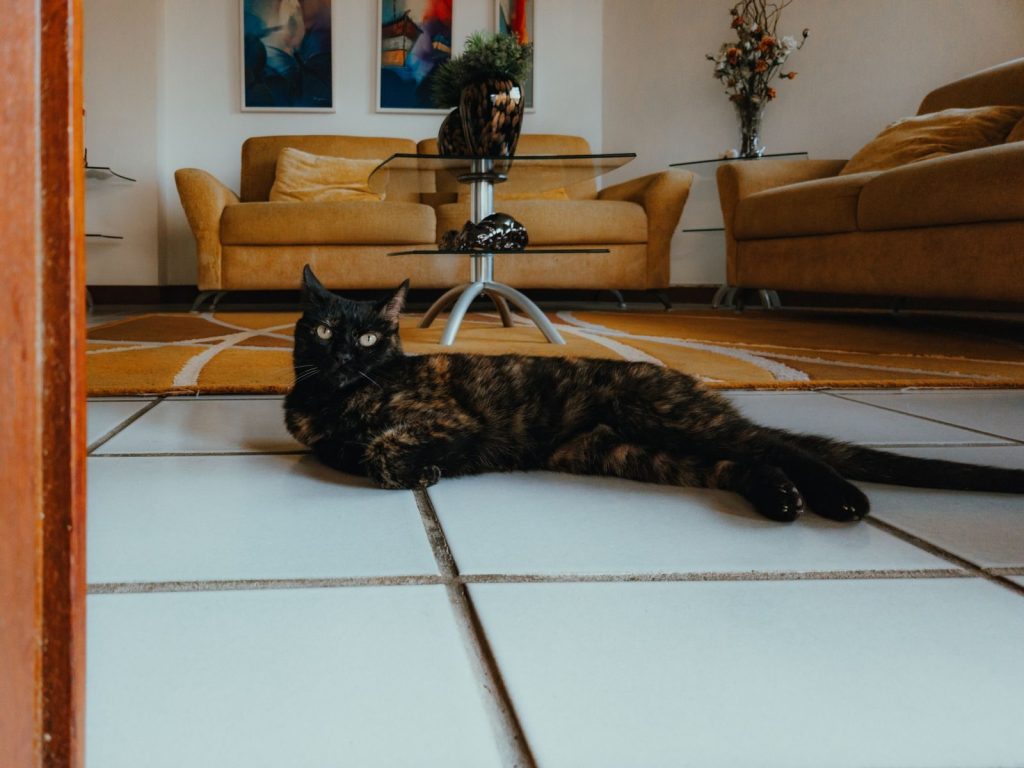
To keep your pet healthy, switch to unscented or diluted vinegar cleaning solutions. These natural alternatives clean effectively without leaving behind harsh, toxic residues. Always ensure your floors are completely dry before letting your pet walk on them safely. This simple change will instantly lower their daily stress. But their bathroom setup also requires attention.
Avoiding scented clay litter options
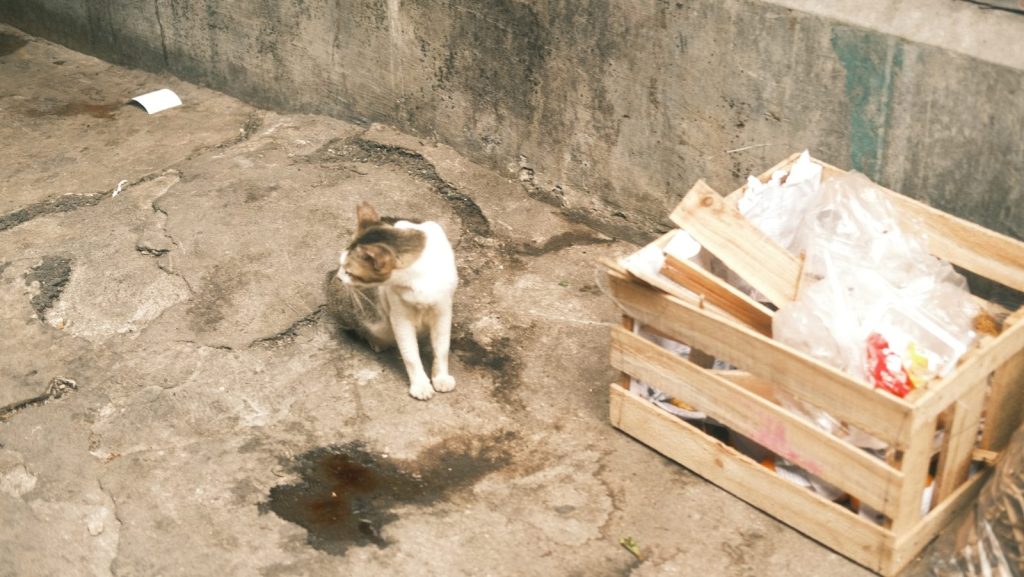
Artificial perfumes are often added to clay litter to mask waste odors. However, your cat must step inside this dusty, perfumed box daily to eliminate. This intense scent can make them reject the litter box entirely, leading to painful urinary issues. Switching to unscented clay or wood litter supports their health. Still, essential oil diffusers require caution.
Managing active essential oil diffusers
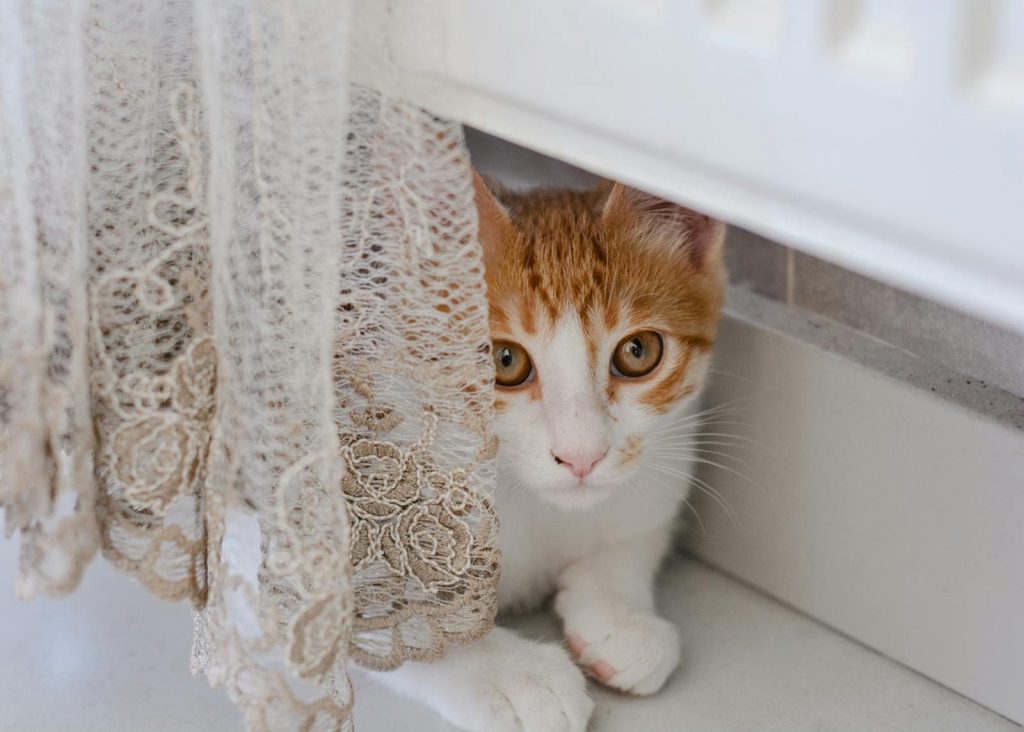
Running active diffusers in closed rooms can quickly lead to toxic respiratory buildup for felines. If you must use a diffuser, keep it in a large, well-ventilated area where your pet can easily escape. Never apply essential oils directly to your pet’s skin or fur under any circumstances. Soon, you will see how these safe choices change their mood.
Nurturing a peaceful scent-free home
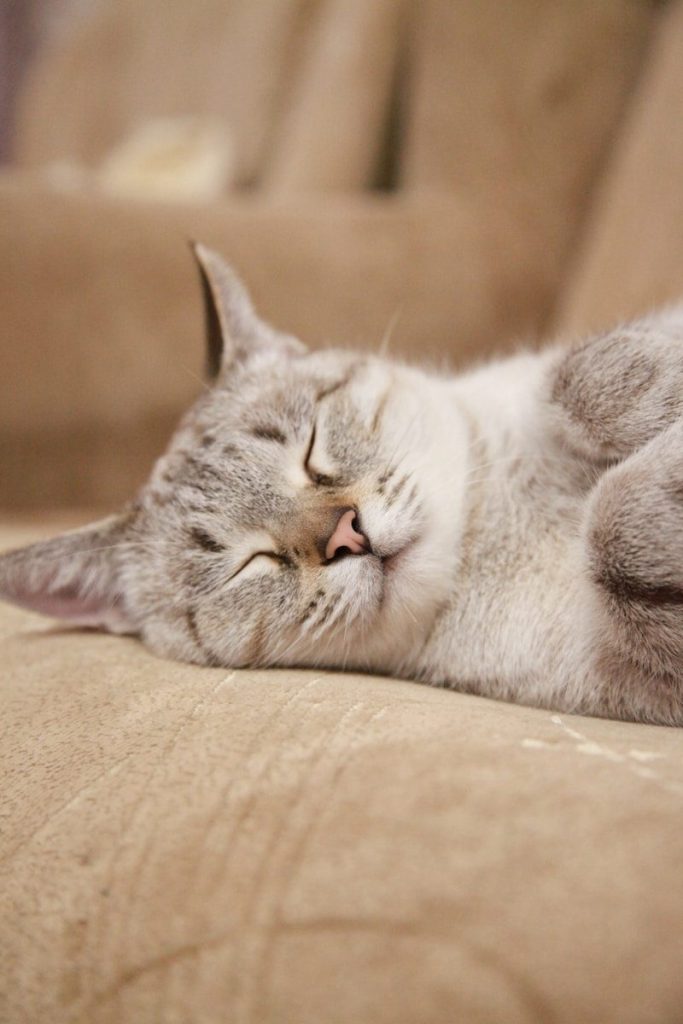
Creating a sensory-safe environment is essential for your pet’s emotional and physical well-being. By understanding feline biology, you can easily prevent common medical and behavioral issues. Your happy cat will reward your proactive care with endless affection and deep loyalty. This article is for informational purposes only and does not constitute veterinary advice.
Featured Image: Photo by Ömer Öztürk on Unsplash