
You feed your cat premium food and buy plenty of toys to keep them happy. Yet many owners ignore simple, daily habits that could dramatically improve their pet’s health.
Felines thrive on specific sensory routines that are easily overlooked in busy households. These easy changes can significantly lower their stress levels and add precious years to their lives.
Offering fresh running water options daily
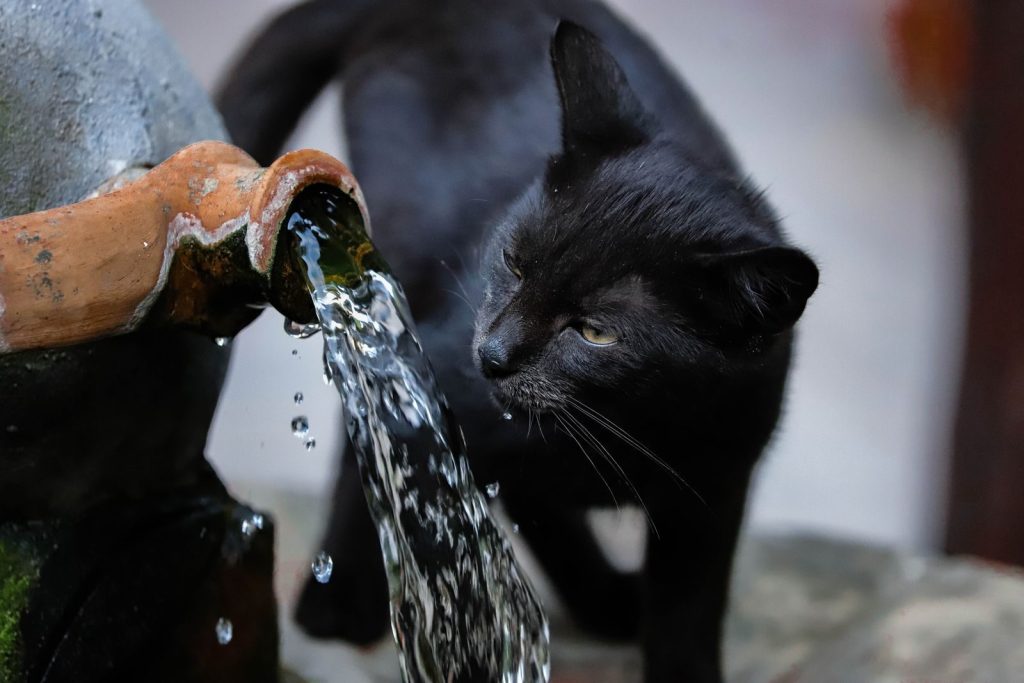
In the wild, felines instinctively avoid stagnant water pools because they can carry dangerous bacteria. Many domestic cats will refuse to drink from still bowls, leading to chronic dehydration. According to the Cornell Feline Health Center, proper hydration is crucial for preventing painful urinary issues. Using a recirculating water fountain satisfies their natural preference for running water. But the placement of their bowls is equally important.
Separating the feeding and drinking stations
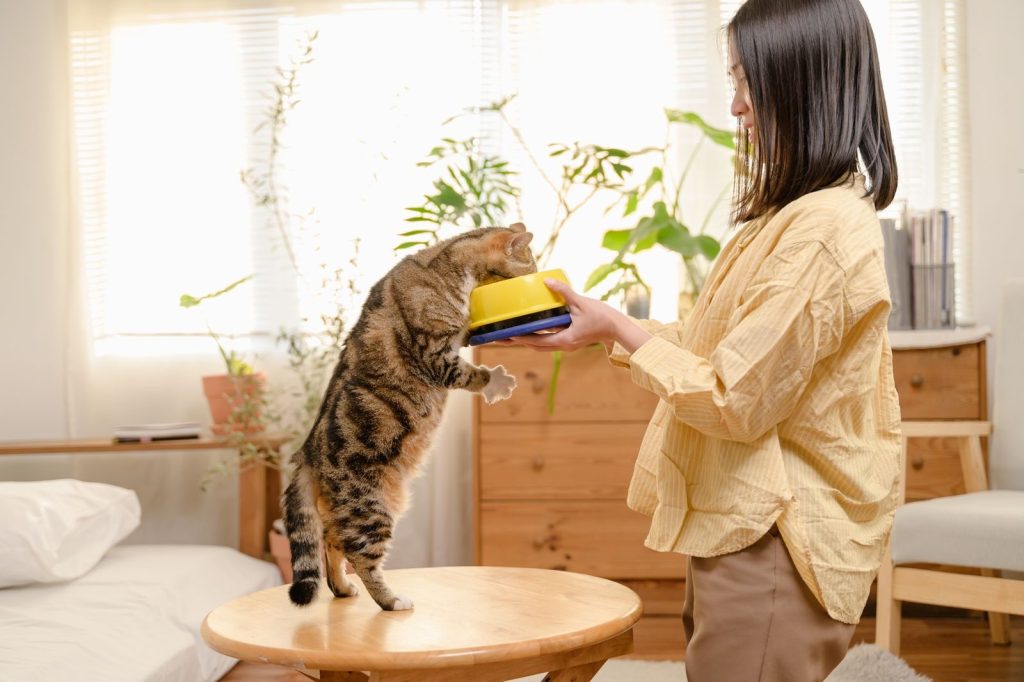
Wild predators never eat their prey next to a clean water source to prevent contamination. Your domestic cat still maintains this ancestral instinct in your home. Placing their water bowl directly next to their food dish can cause subtle stress. Moving the water station to a separate room can encourage them to drink more. Yet, another bathroom habit requires careful attention.
Keeping multiple litter boxes clean
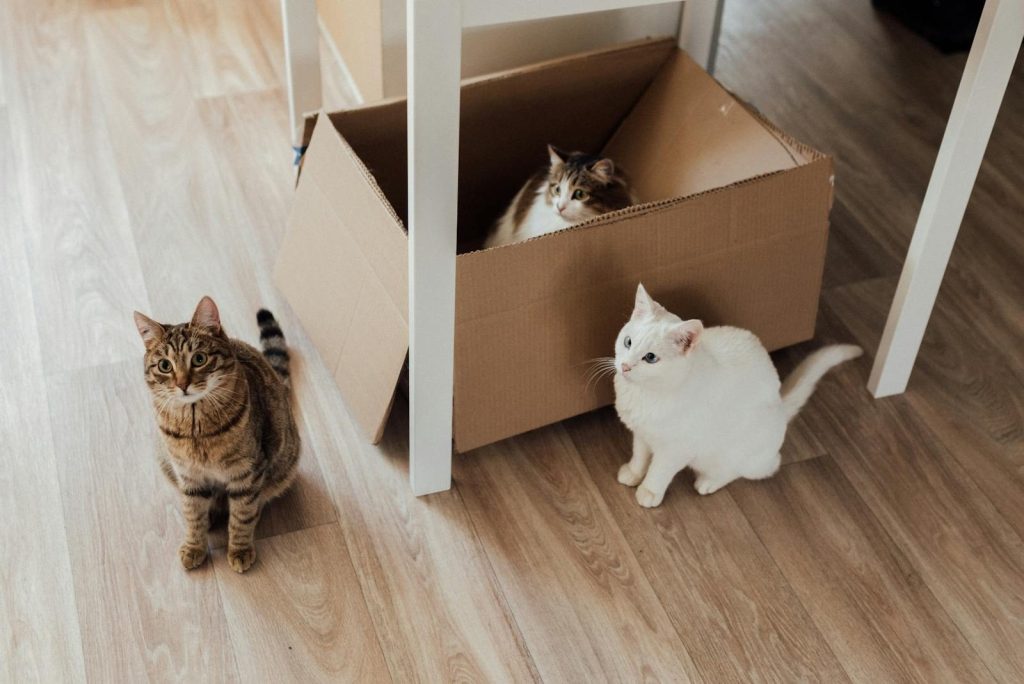
A clean bathroom area is essential for a cat’s mental well-being. Veterinary behaviorists recommend having one more litter box than the total number of cats in your home. This setup prevents territorial disputes and ensures they always have a clean option. Keeping the boxes in quiet, low-traffic areas reduces their daily stress. But their need for high vantage points is also critical.
Creating safe vertical climbing zones
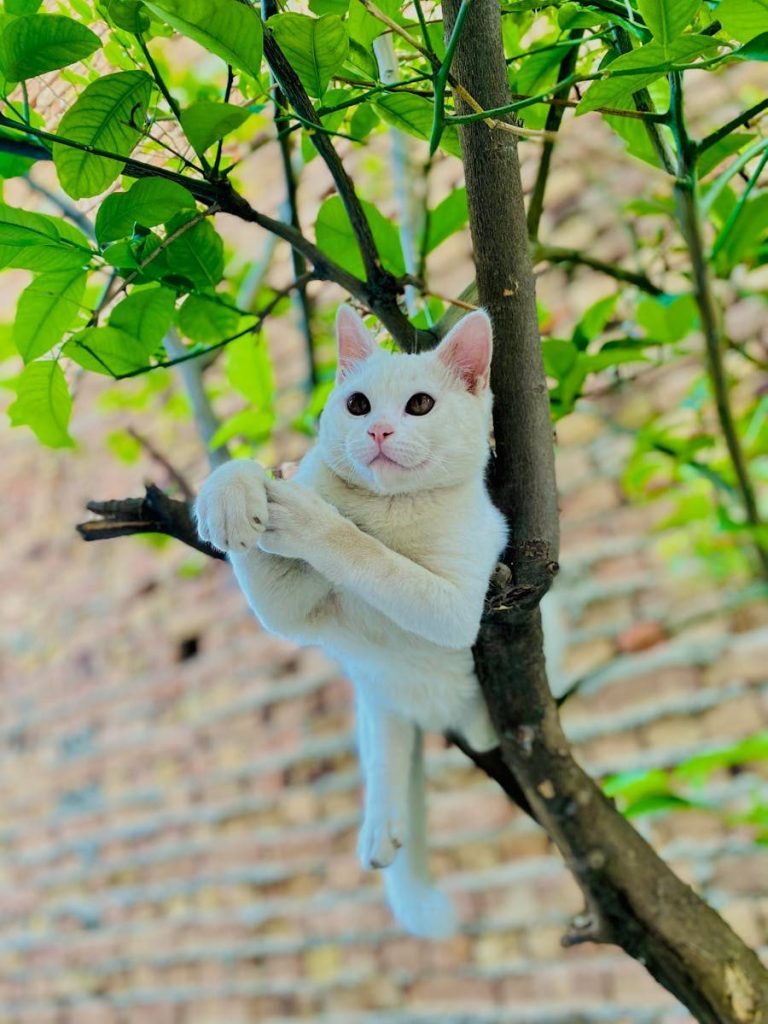
Cats are natural climbers that feel most secure when observing their territory from above. Providing tall cat trees or sturdy wall shelves helps satisfy this wild instinct. It reduces their anxiety by giving them a safe escape route from active children or dogs. This physical exercise also keeps their joints flexible and healthy. Still, their claws require a specific daily outlet.
Providing sturdy scratching posts in key locations
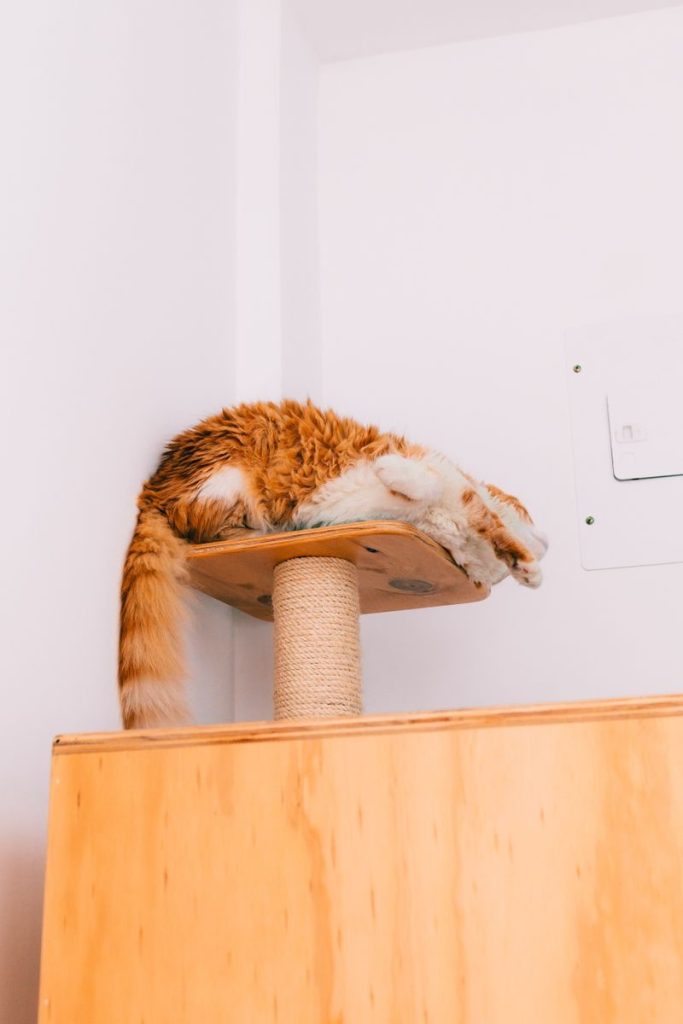
Scratching is a vital physical necessity that helps cats shed dead claw sheaths. It also allows them to stretch their shoulder muscles fully. According to the American Veterinary Medical Association, cats use scent glands in their paws to mark territory. Placing sturdy posts in high-traffic areas prevents them from targeting your furniture. But their daily routine also requires mental games.
Using puzzle feeders to stimulate their minds
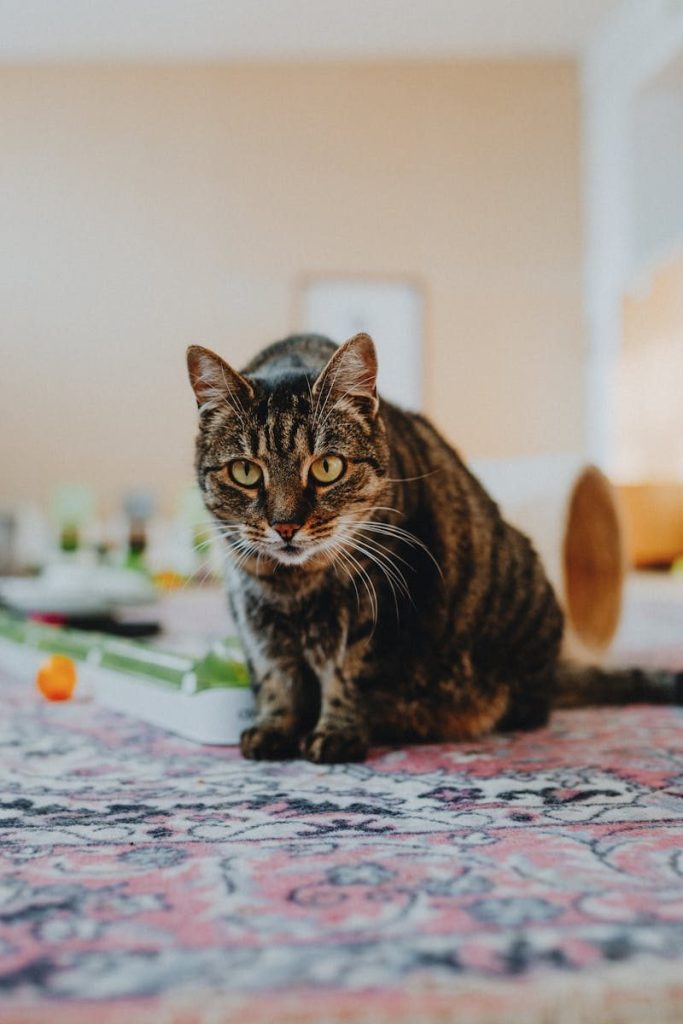
Eating from a static bowl can lead to boredom and rapid weight gain. Puzzle feeders force your pet to work for their food, mimicking natural hunting behaviors. This mental challenge keeps their active minds engaged and prevents stress-induced habits. It is an easy way to satisfy their predatory drive safely indoors. However, their physical skin also needs regular care.
Establishing a calming daily grooming routine
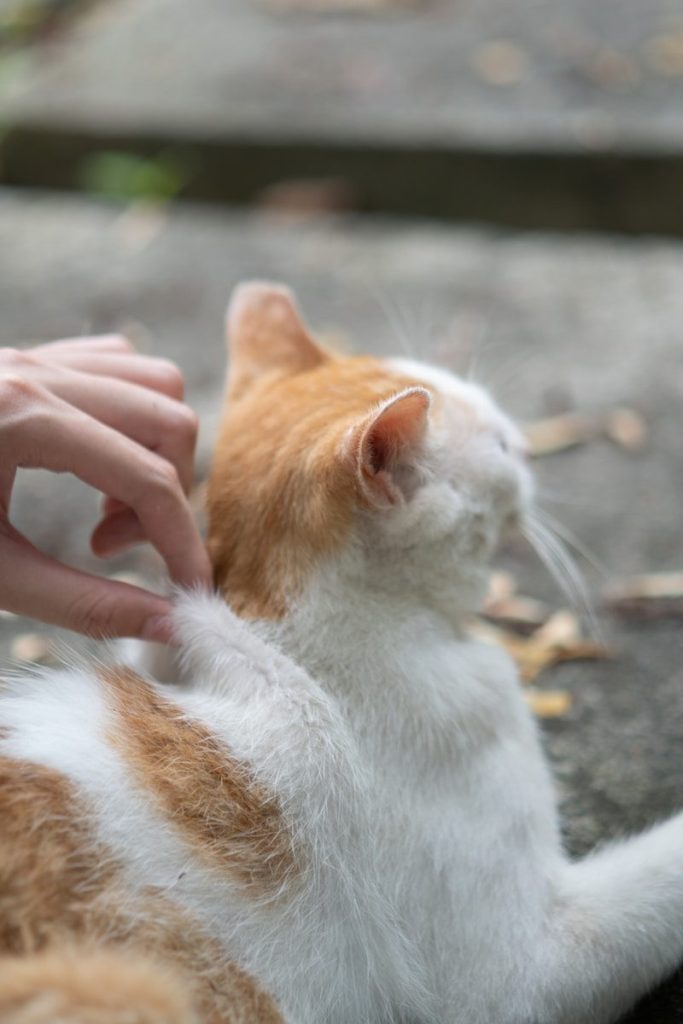
Regular brushing does more than just prevent painful hairballs in their digestive tract. It acts as a warm bonding session that mimics maternal care. This gentle contact stimulates blood circulation and distributes natural skin oils across their coat. It is a peaceful routine that helps your pet feel secure and loved. Fortunately, these small adjustments can yield massive long-term benefits.
Enjoying a lifetime of healthy cuddles
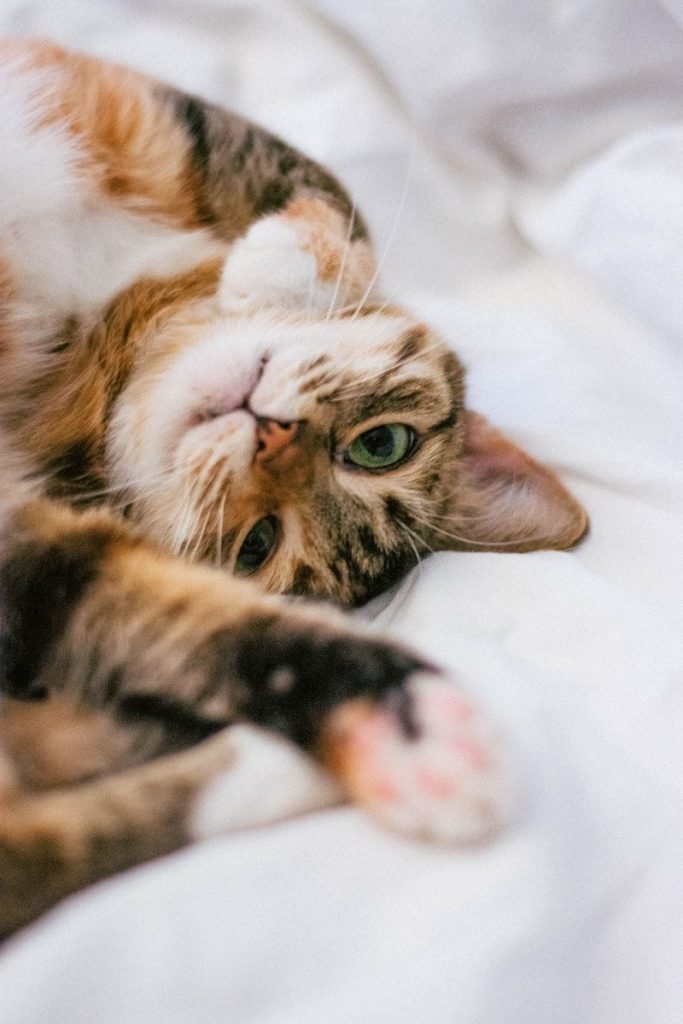
Practicing these simple sensory habits creates a stress-free environment where your pet can truly thrive. By understanding feline biology, you can easily prevent common medical and behavioral issues. Your happy cat will reward your proactive care with endless affection and loyalty. This article is for informational purposes only and does not constitute veterinary advice.
Featured Image: Photo by Mateusz Wysocki on Unsplash