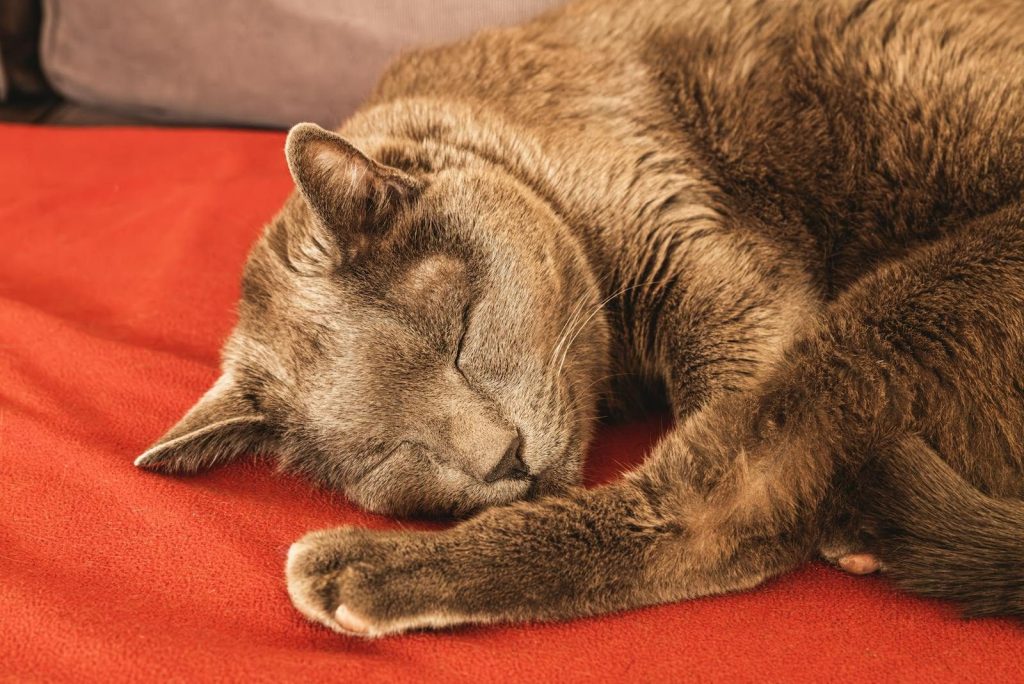

Facing the end of your beloved cat’s life is one of the hardest challenges any pet owner will ever experience.
While the process is heartbreaking, understanding their shifting behaviors can help you offer comfort when they need it most. Veterinarians explain the quiet signs that suggest your companion is preparing to say goodbye.
A sudden retreat to quiet hiding spots
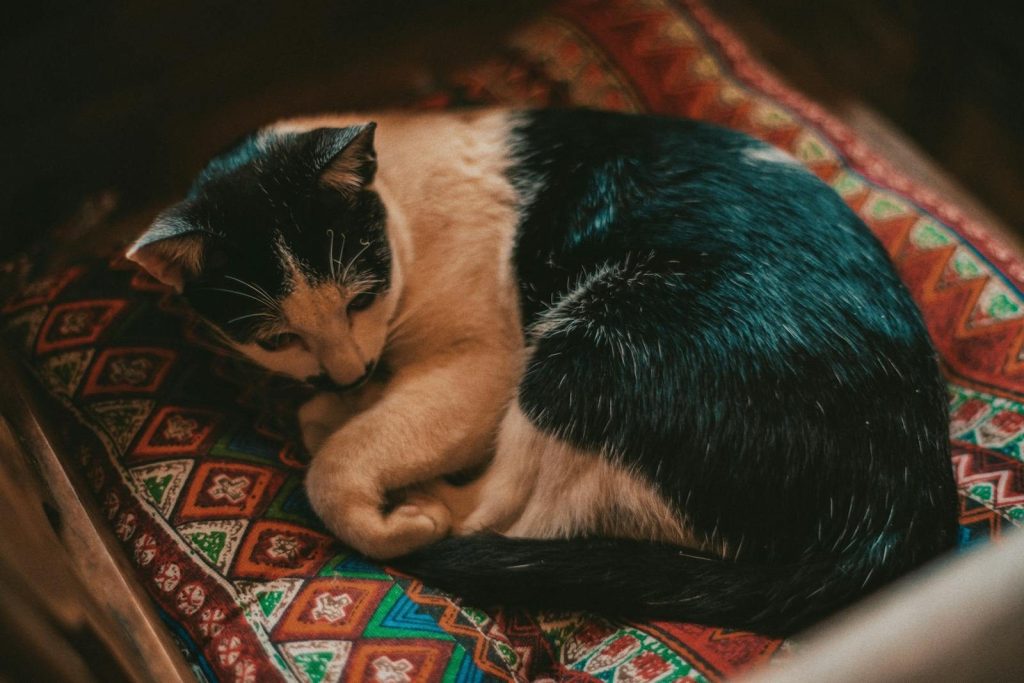
In the wild, sick felines instinctively seek out secluded, dark areas to protect themselves from potential predators. Senior domestic cats maintain this survival instinct when they feel their body slowing down. They might hide under beds, inside closets, or in quiet basement corners. This behavior is their natural way of seeking complete peace and quiet. But another dramatic shift occurs in their daily grooming habits.
A noticeable decline in daily self-care
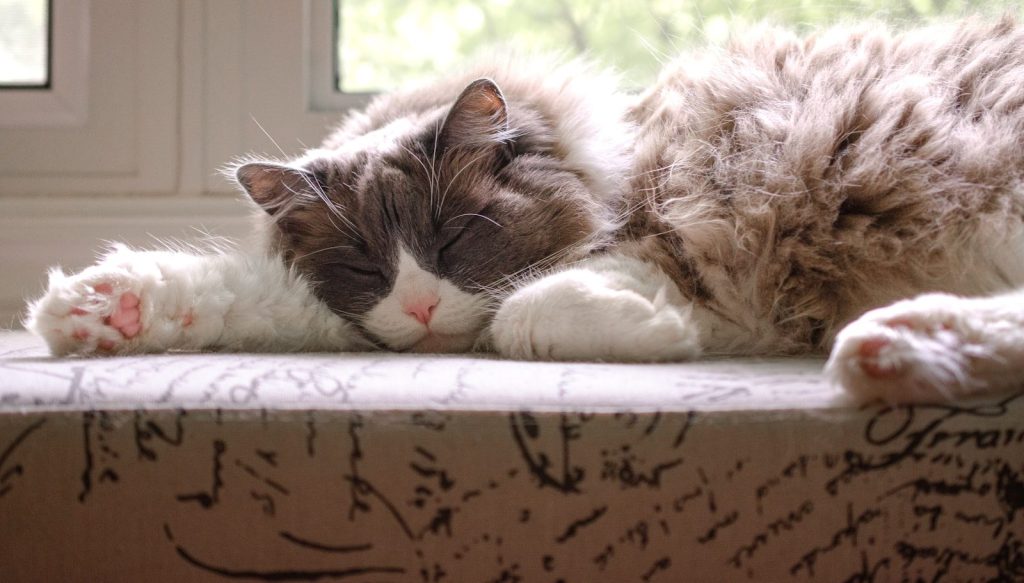
A healthy cat spends a massive portion of their day keeping their coat clean. When they begin to decline, they will often stop grooming entirely. According to the Cornell Feline Health Center, this lack of self-care leads to a dull, matted coat. Their physical energy is directed entirely toward staying comfortable. However, their sudden changes in appetite can also signal a major shift.
Rejecting their favorite foods and water
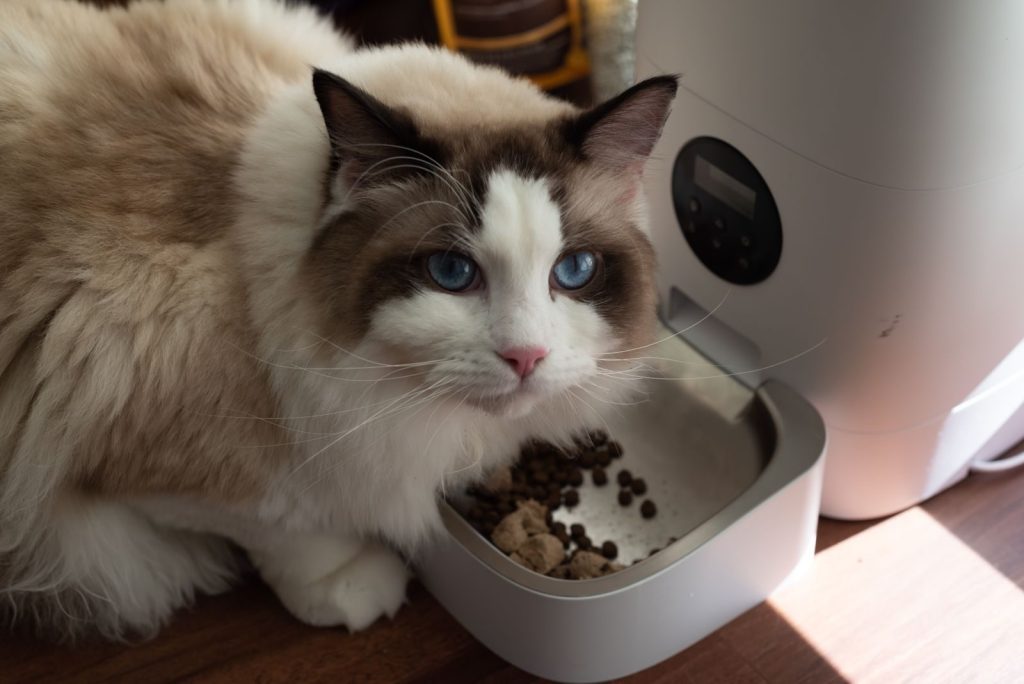
As a cat’s body prepares to shut down, their digestive system slows dramatically. They will lose interest in their favorite meals and refuse to drink water. Hand feeding them their absolute favorite treats might only work for a short time. This decline in nutritional intake is a natural part of their transition. Still, watching their body temperature is another critical way to assess their comfort.
A drop in core body temperature
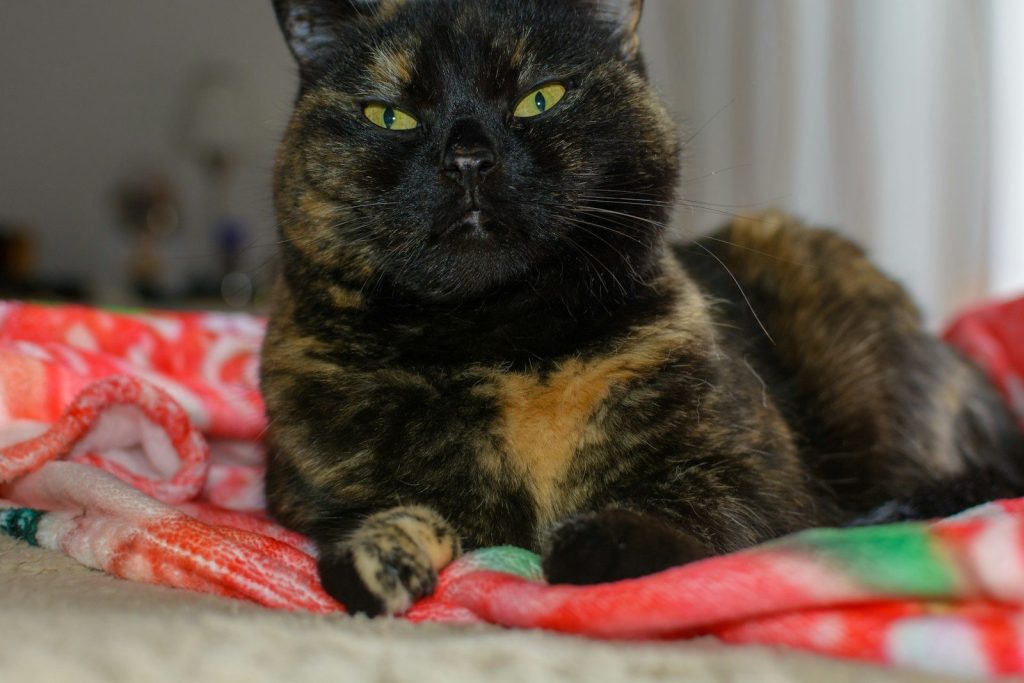
Slower circulation makes it difficult for senior felines to maintain their normal body warmth. You might notice their paws, ears, and tail feel unusually cool to the touch. They will actively seek out the warmest spots in your home to rest. Providing soft, self-heating blankets can help keep them cozy. But their breathing patterns also hold important clues about their physical state.
Changes in their natural breathing patterns
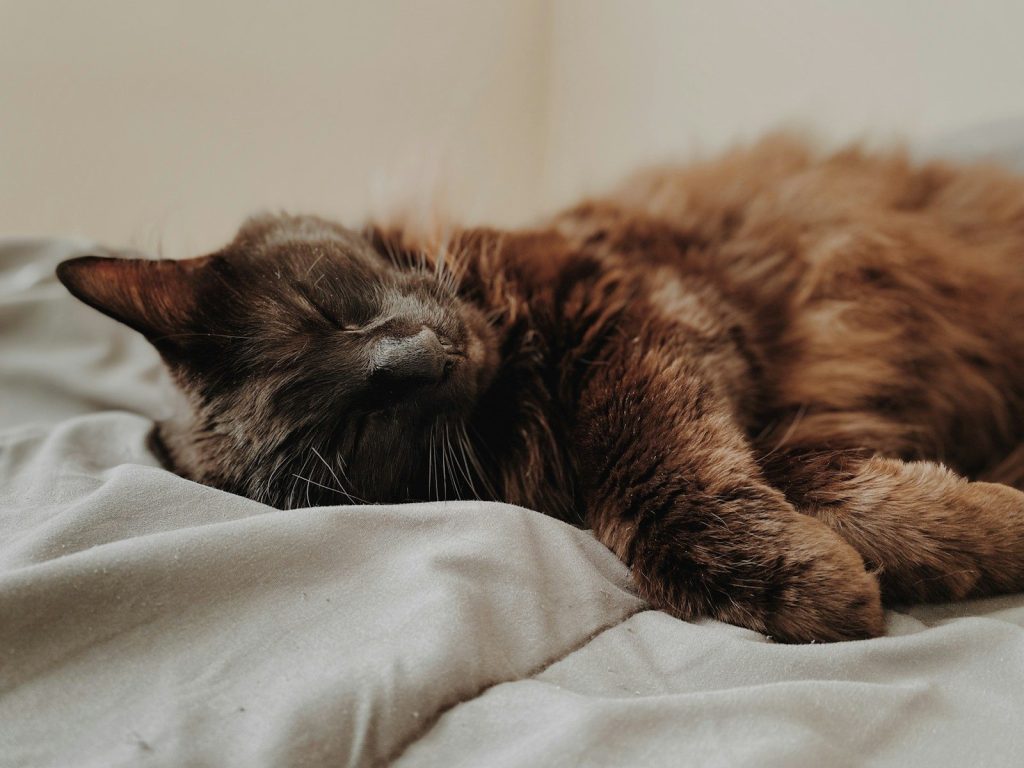
You should monitor your senior pet’s resting respiratory rate closely. According to the American Veterinary Medical Association, labored or rapid breathing often points to physical distress. They might breathe with their mouth slightly open or display shallow, rapid chest movements. This physical signal requires a prompt checkup from your veterinarian to ensure they are pain-free. Fortunately, pain management can make a massive difference.
Partnering with your vet for palliative care
Modern veterinary medicine offers highly effective palliative care to keep your pet comfortable during their final days. Your vet can prescribe safe pain medications and offer advice on hydration support. Creating a quiet, stress-free environment allows your companion to rest peacefully. This veterinary support helps you navigate this emotional transition with dignity. Soon, you will understand how to cherish these quiet final moments.
Honoring their life with quiet comfort
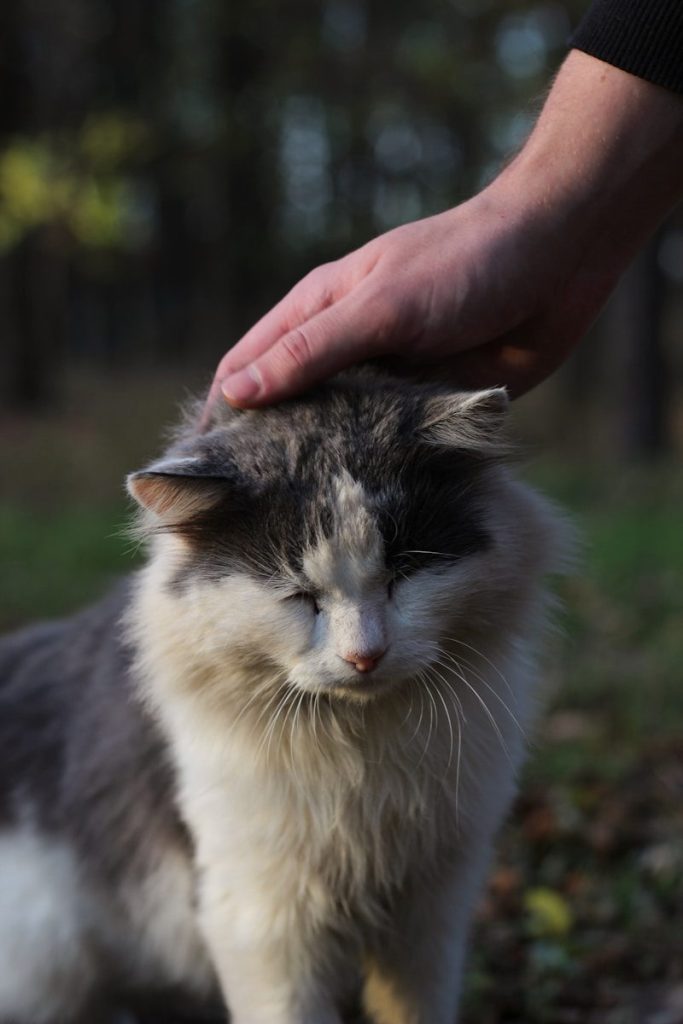
Providing a peaceful space and staying close to your pet is the greatest gift you can offer. Your gentle touch and soothing voice bring immense comfort to a passing cat. Cherishing these quiet final moments builds a beautiful, lasting memory of your deep bond. This article is for informational purposes only and does not constitute veterinary advice.
Featured Image: Photo by Rino Adamo on Pexels