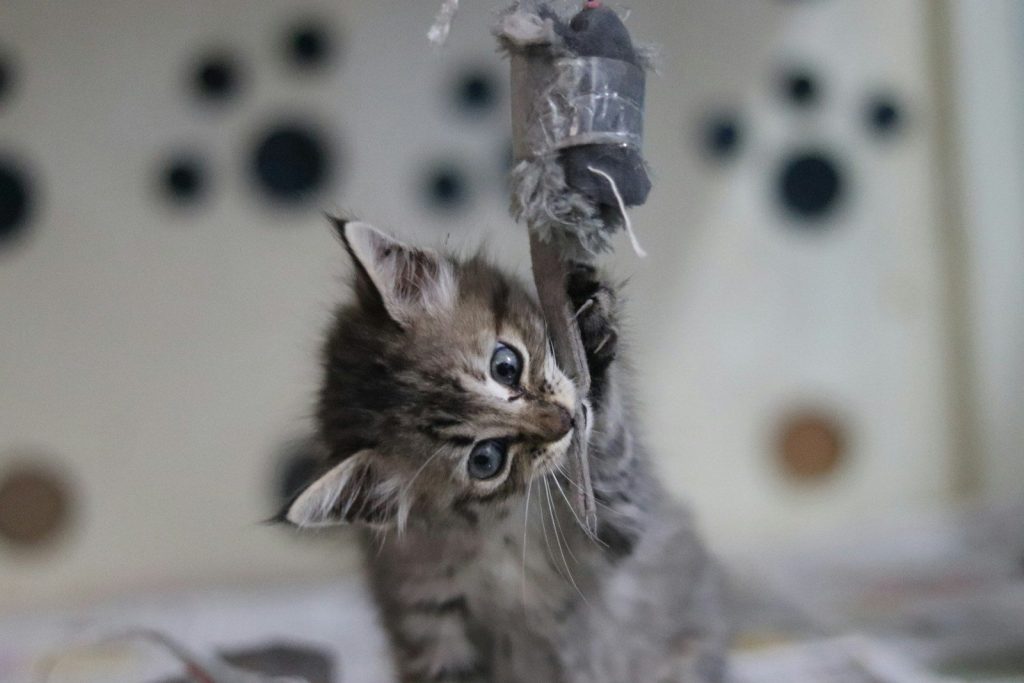

You gently tap a sleeping kitten, and they jump high into the air. This hilarious, over-the-top reaction is a common favorite for pet owners.
While this dramatic response looks like simple comedy, it actually has a deep biological purpose. Science reveals why young kittens are so easily startled.
The intense sensitivity of feline whiskers
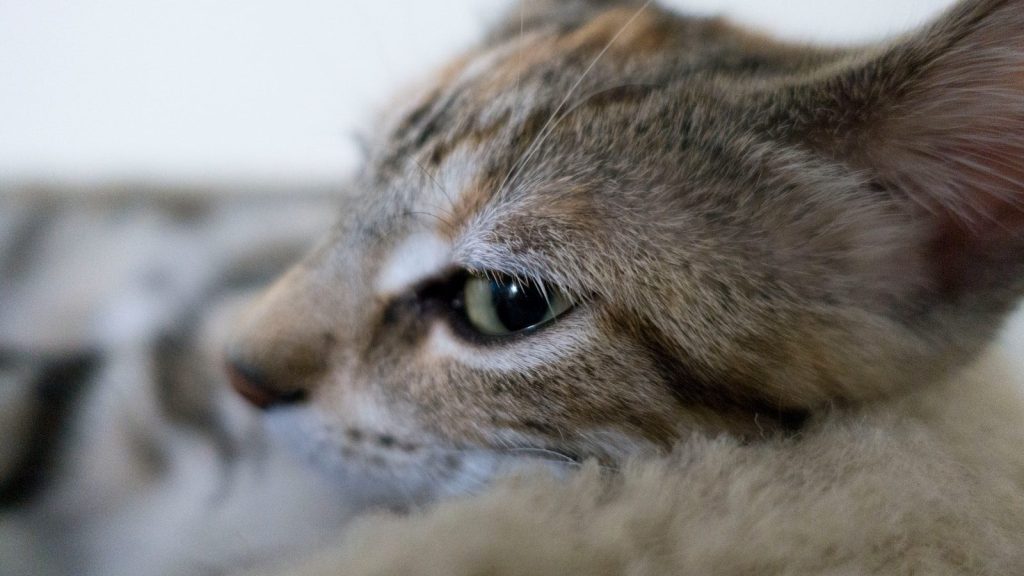
Kittens are born with a highly developed sensory system designed for survival. Their whiskers, or vibrissae, are packed with nerve endings that detect the slightest shifts in air currents. According to the Cornell Feline Health Center, even a gentle touch near these hairs can feel like a sudden surge of sensory information. This intense feedback triggers an immediate physical response. But their ears play an equally large role.
An undeveloped sound processing system
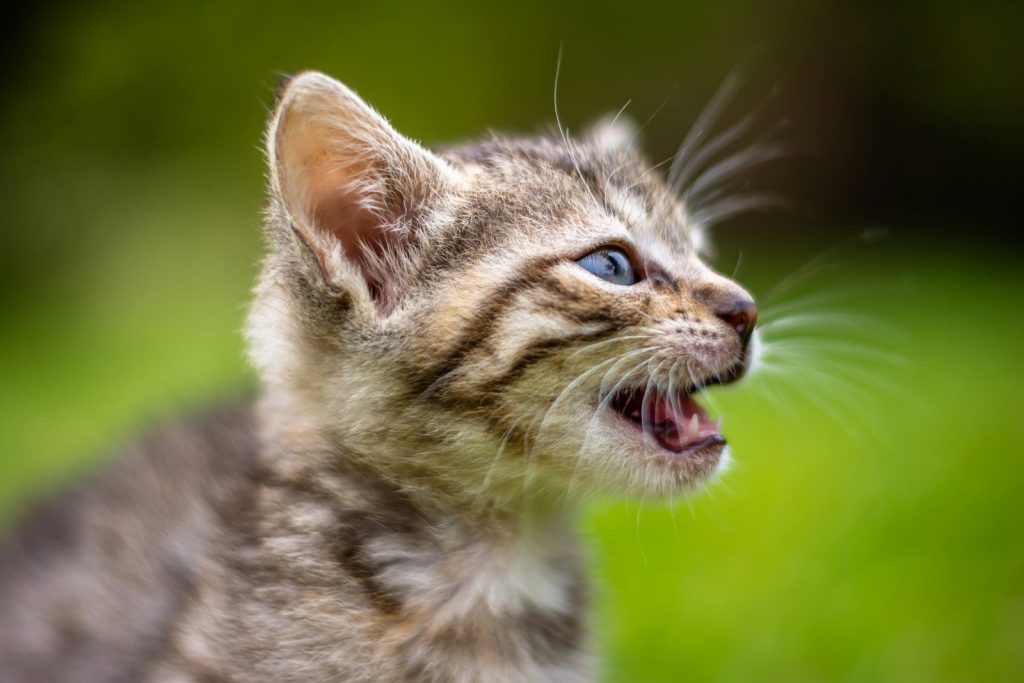
During their first few weeks, a kitten’s hearing is still developing rapidly. Their vestibulocochlear system, which manages balance and sound, can struggle to identify where a sudden noise originated. A gentle tap or quiet rustle can sound incredibly loud and threatening to their young brains. This sensory confusion triggers an automatic defense mechanism. Yet, this dramatic leap serves a highly useful purpose in the wild.
The evolutionary bounce of the flea hop
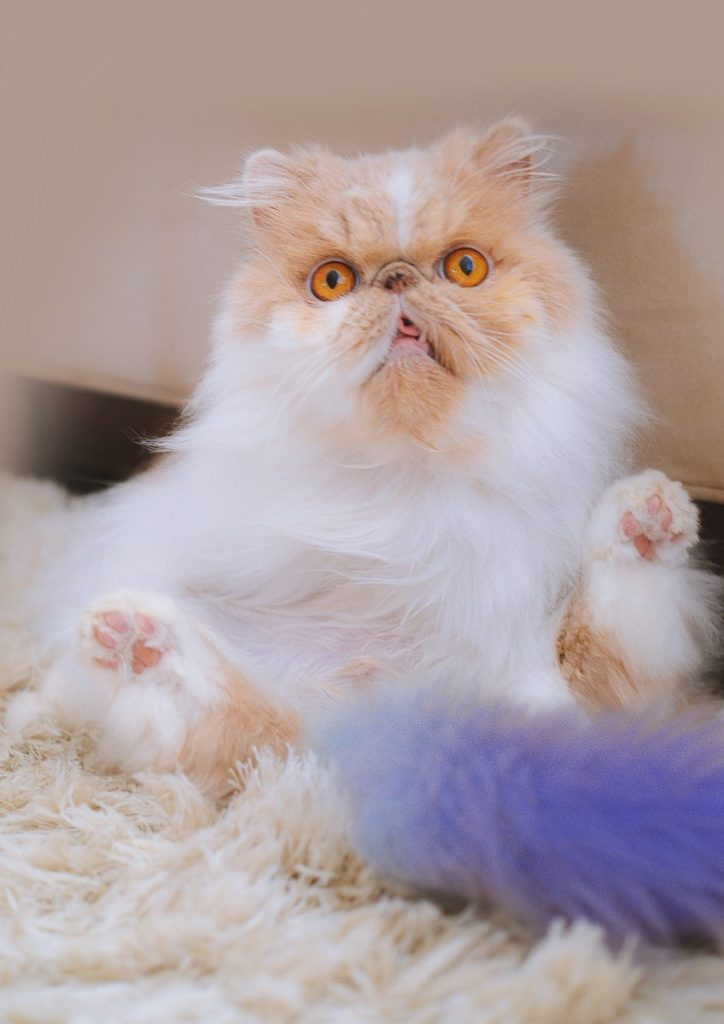
Biologists call this sudden vertical leap the flea hop. In the wild, this rapid jump helps young felines escape the strike of a predator instantly. It is a deeply ingrained motor reflex that requires zero conscious thought. While your indoor kitten faces zero predators, this ancient survival tool remains fully active in its DNA. This quick reflex is vital for their future, but it also shapes their play.
Practicing vital predatory skills through play
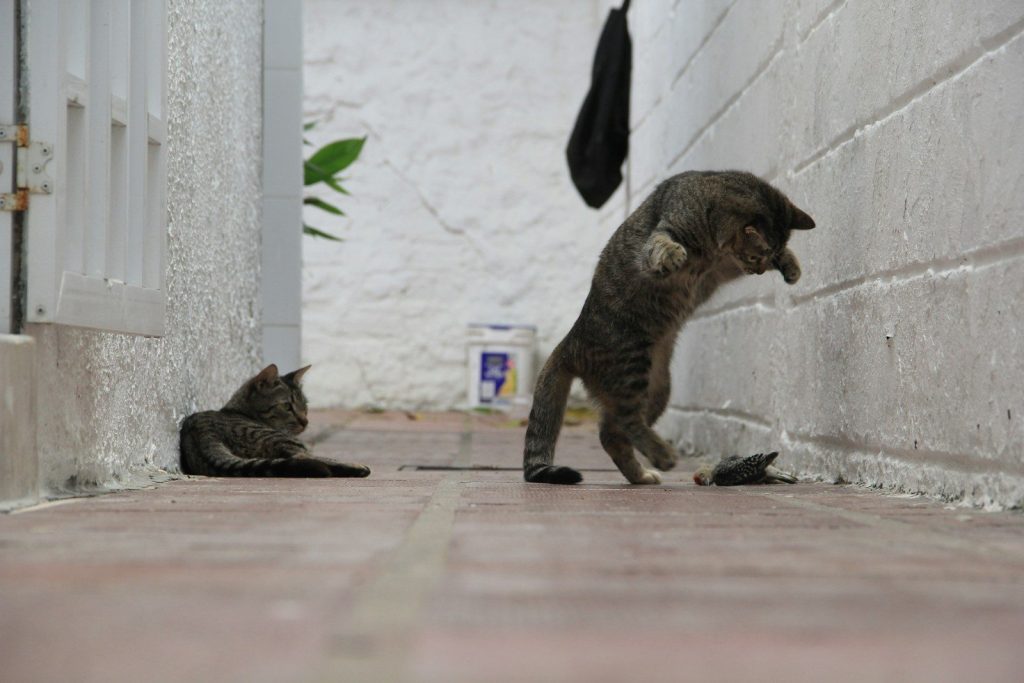
These dramatic startle reactions are essential for muscular and neurological development. When kittens play-fight and jump, they are training their brains to coordinate rapid movements. According to studies from the American Veterinary Medical Association, active play builds strong joints and improves balance. This safe training prepares them to become highly efficient hunters. Still, owners must be careful not to overstimulate them.
The danger of constant environmental stress
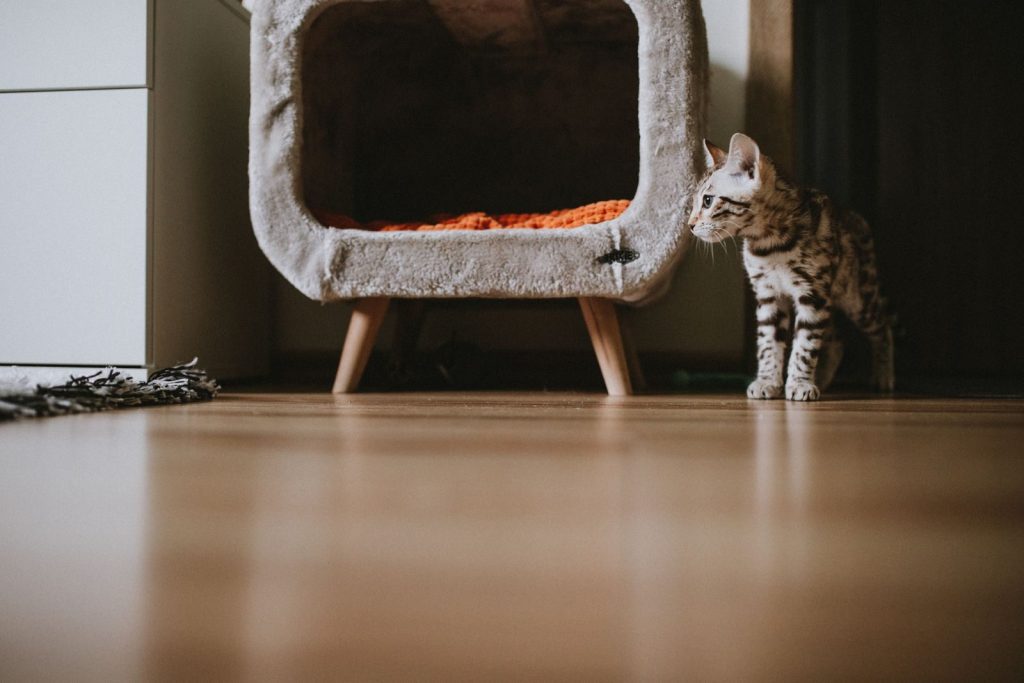
While occasional startle play is normal, constant fear can damage a kitten’s developing nervous system. Prolonged stress triggers high cortisol levels, which can weaken their immune systems over time. Feline behavior experts recommend providing plenty of quiet zones where they can rest without interruption. Creating a secure environment is essential for their mental well-being. Fortunately, you can easily help them feel secure.
Building a safe sensory playground
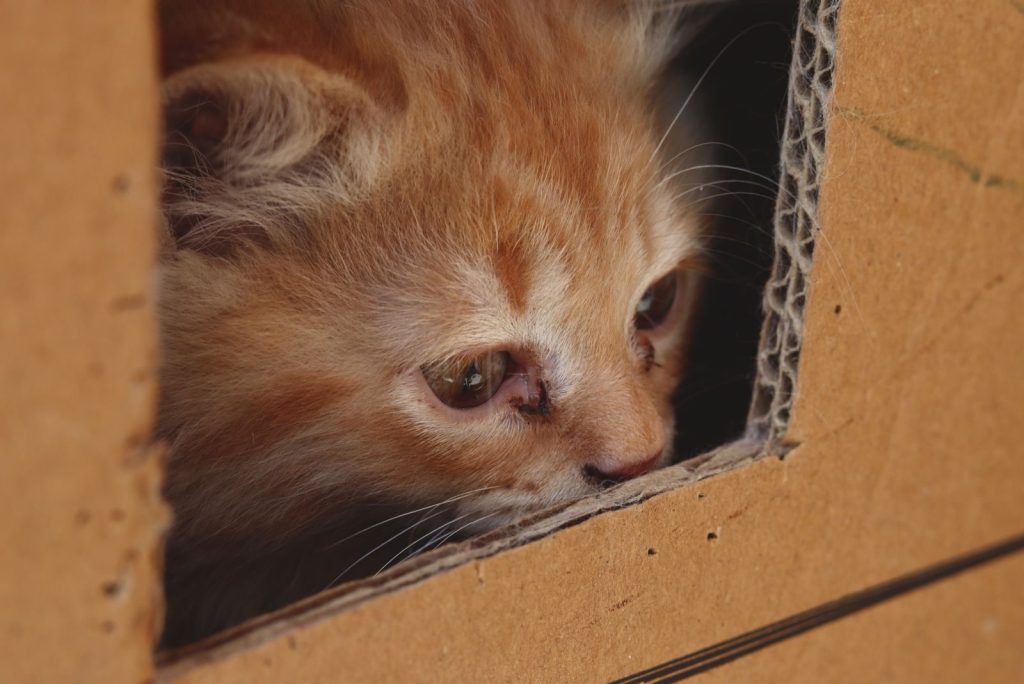
Offering soft tunnels, tall cat trees, and quiet cardboard boxes helps kittens feel hidden and protected. They can observe the household from a secure vantage point, reducing their daily startle triggers. This simple enrichment allows them to grow into confident and relaxed adult companions. Soon, you will see a beautiful change in how they respond to your touch.
Helping your kitten grow with confidence
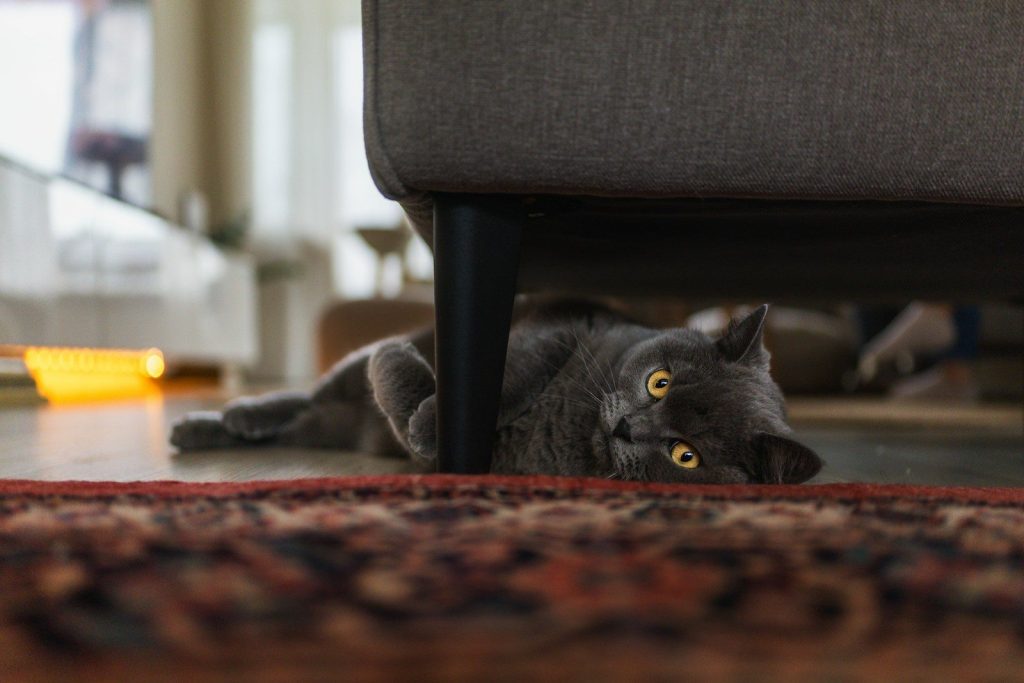
Understanding the biology behind their dramatic jumps helps us become better pet owners. By offering a calm environment and respecting their sensitive bodies, you help them navigate the world safely. Your playful kitten will reward your care with endless affection and deep loyalty. This article is for informational purposes only and does not constitute veterinary advice.
Featured Image: Photo by Chetan Hireholi on Unsplash