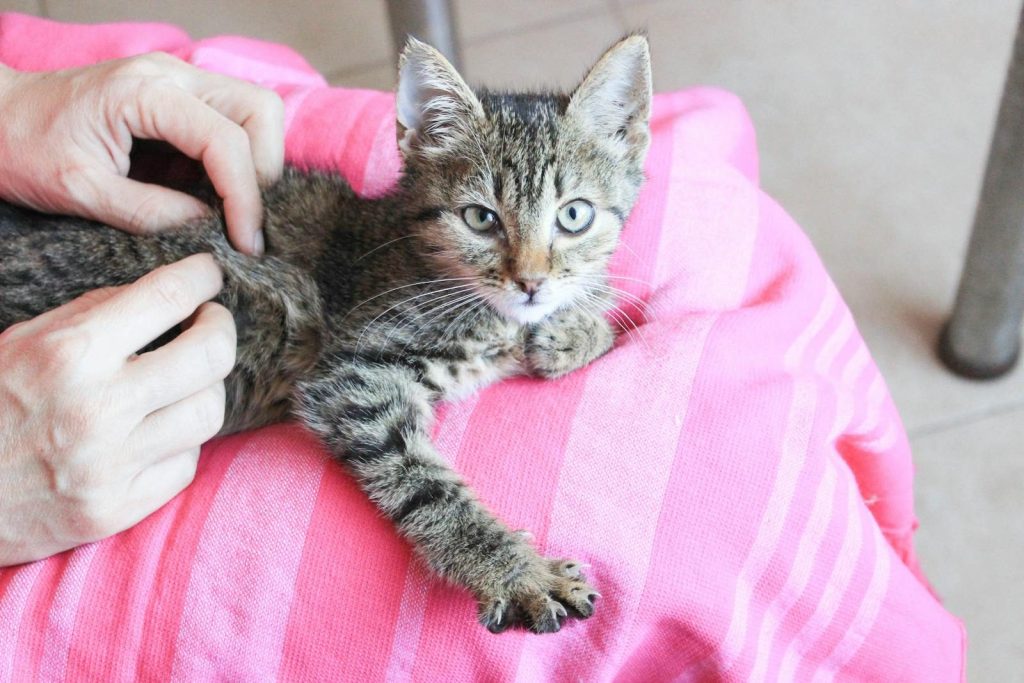

A rescue worker took in a feral kitten that hissed, spat, and scratched at everyone. She seemed completely untameable.
Just a few weeks later, this same tiny terror was sleeping on her lap. This remarkable shift reveals how to win over a wild animal.
Understanding the psychology of feral fear
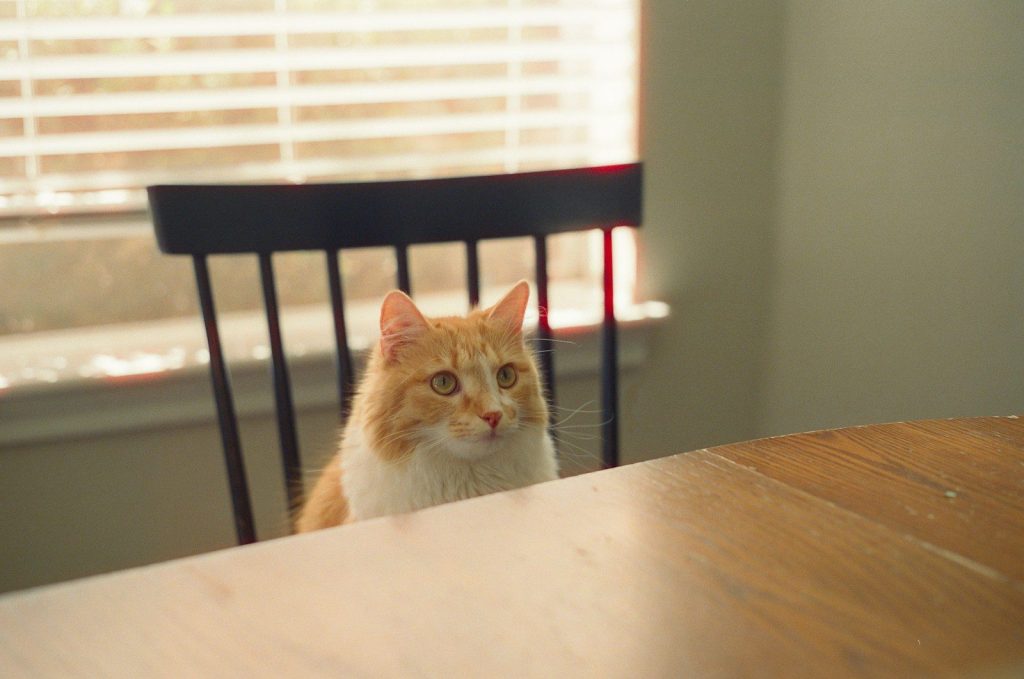
Feral kittens are not born naturally mean or angry. Instead, their aggressive behavior is a survival response driven by extreme fear of humans. According to the American Society for the Prevention of Cruelty to Animals, the socialization window closes around four months of age. Working with a young feral kitten requires changing how they perceive our presence. But the first step is surprisingly hands-off.
Creating a quiet sanctuary for safety
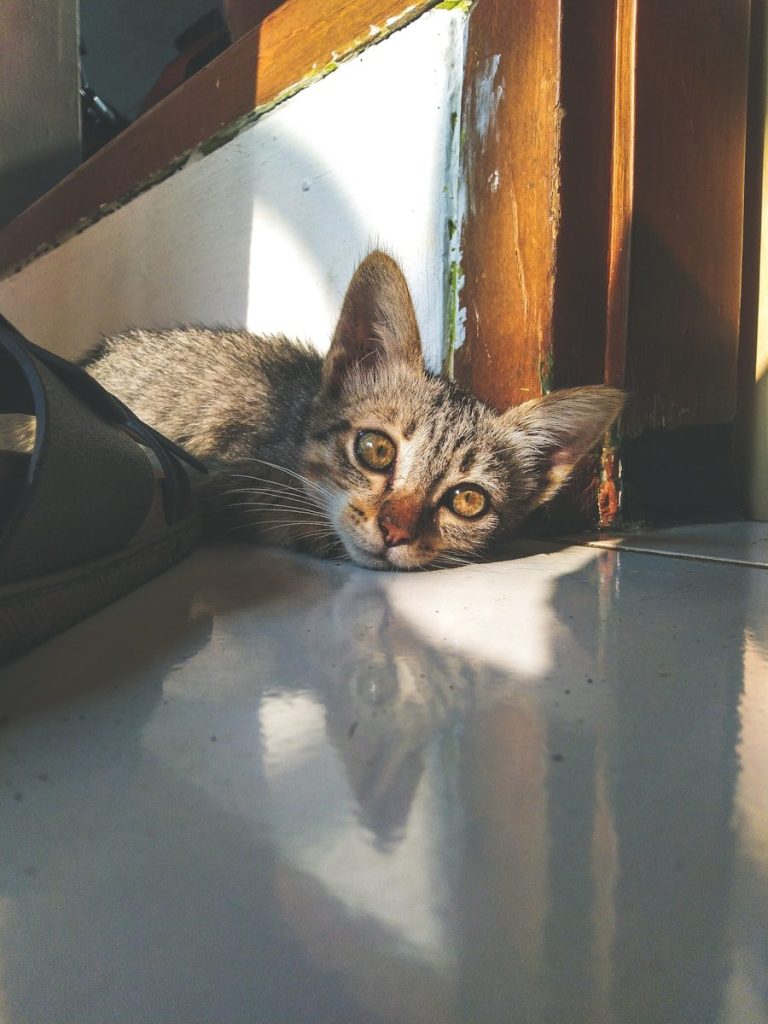
The rescuer placed the kitten in a small, quiet bathroom away from busy household traffic. A massive space can make a scared animal feel completely exposed and cornered. She added soft blankets, hideouts, and a low-sided litter box to make the room comfortable. This secure environment allowed the kitten to calm down after the stress of being caught. Yet, gaining her trust required a secret weapon.
The power of the wet food association
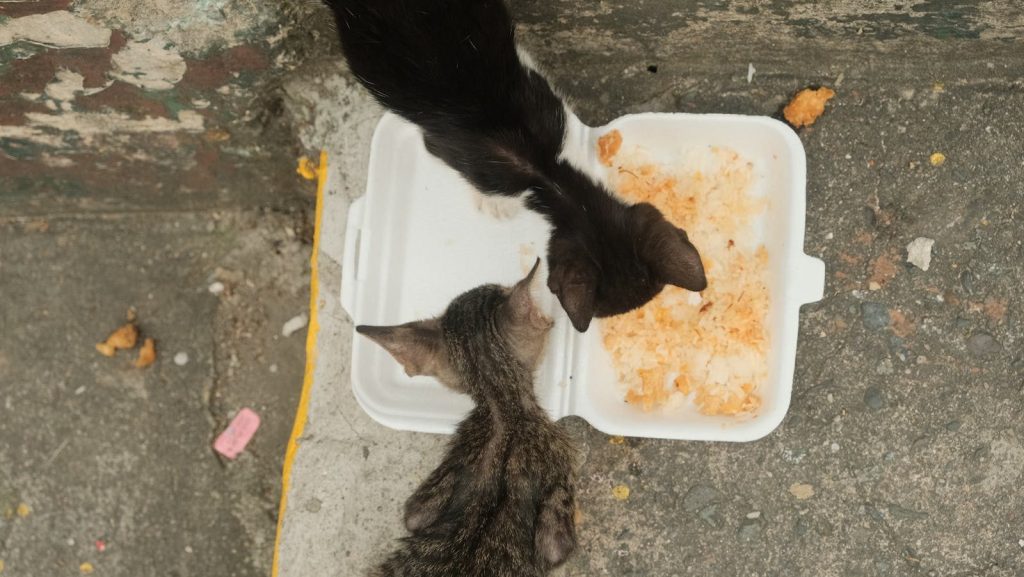
Feeding is the fastest way to build a bond with a wild animal. The rescuer established a strict schedule, offering delicious wet food only when she was in the room. She sat quietly on the floor, looking away to show she was not a threat. According to veterinary behaviorists, associating humans with high-value meals reprogrammed the kitten’s brain. This routine slowly chipped away at her defenses.
Learning to speak quiet feline language
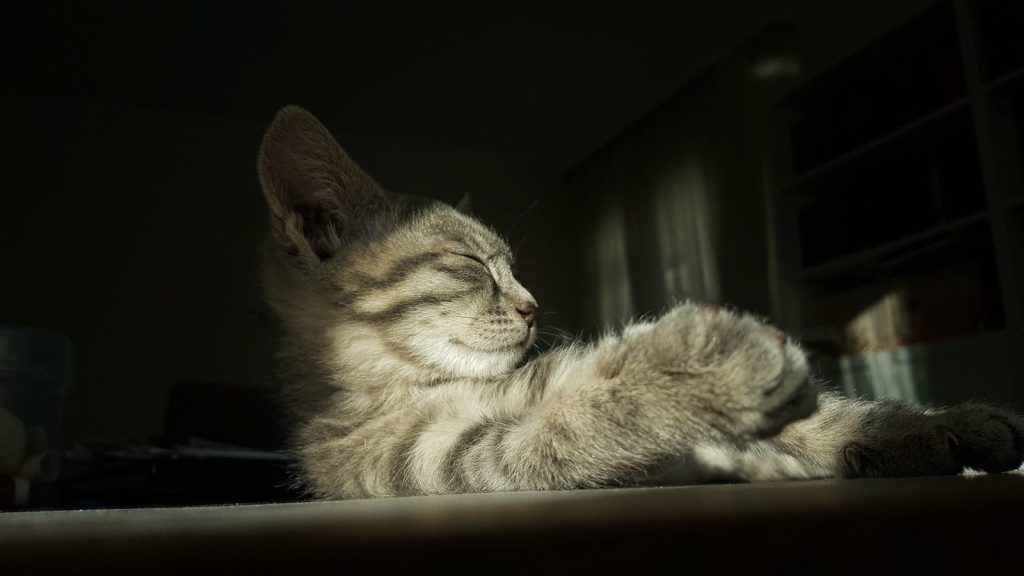
When entering the room, the rescuer avoided direct eye contact, which felines view as a challenge. She used slow, deliberate blinks and spoke in a soft whisper to communicate safety. This simple body language trick signaled that she was a peaceful presence in the kitten’s territory. Slowly, the hissing stopped, and curiosity took over. But the first physical contact required a special tool.
Using a safe extension for touch
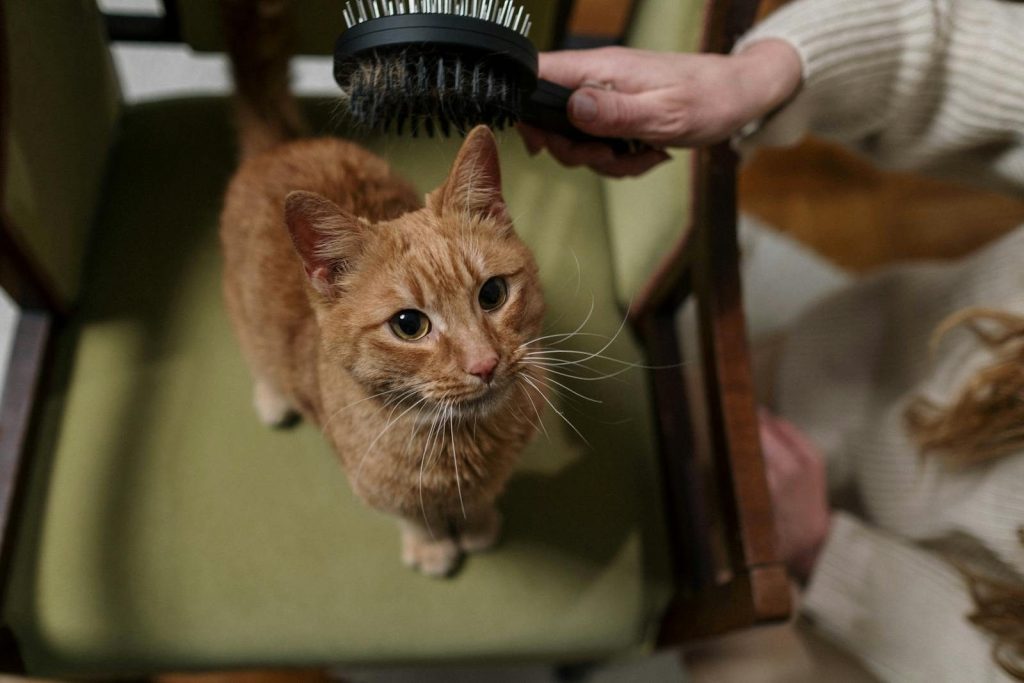
The rescuer did not use her hand for the first physical touch to avoid getting scratched. Instead, she used a soft grooming brush on a long wand to gently stroke the kitten’s forehead. This allowed the kitten to experience the comfort of grooming from a safe distance. She immediately leaned into the bristles, purring for the first time. This breakthrough paved the way for real touch.
Transitioning to gentle hand contact
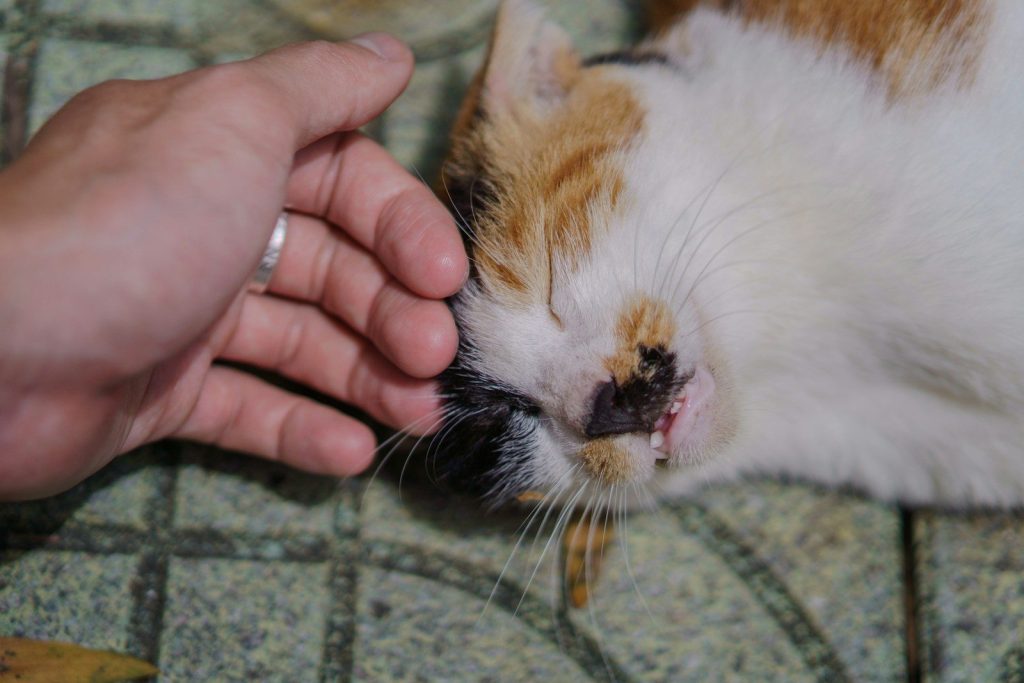
Once the kitten accepted the brush, the rescuer slowly transitioned to using her fingers. She focused on the sweet spots around the cheeks and chin where scent glands are located. This gentle touch released calming hormones that helped the kitten relax completely. She began to seek out these hand rubs, rubbing her body against the rescuer’s legs. However, one important step remained.
Getting a full veterinary health check
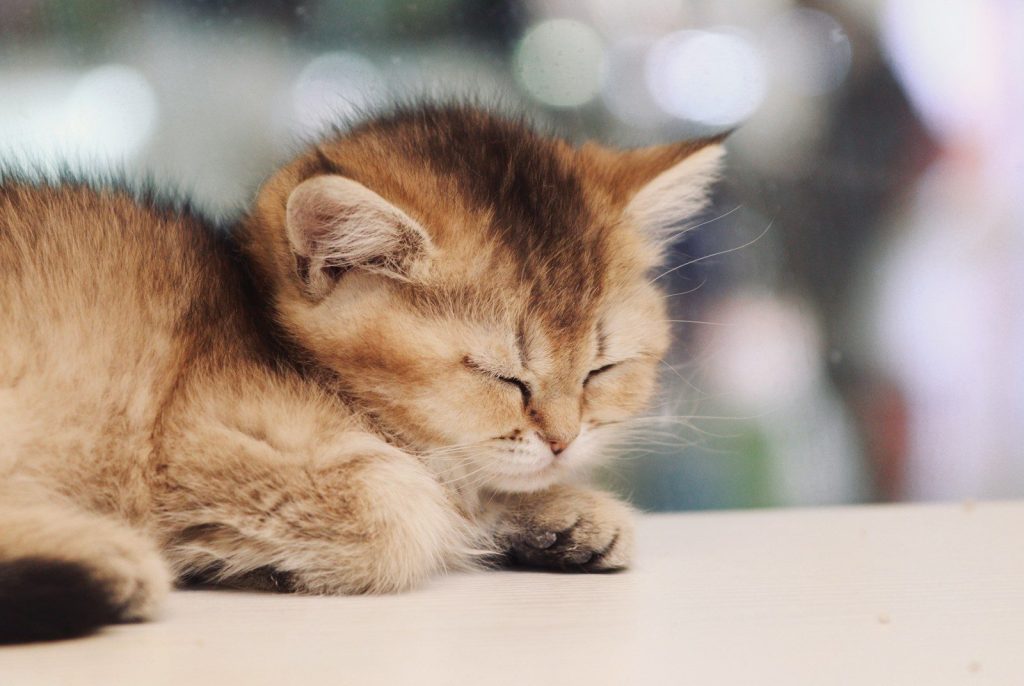
With the kitten calm, the rescuer took her to a clinic for a thorough evaluation. The American Veterinary Medical Association highlights the importance of checking feral animals for parasites and vaccines. Dr. Sarah Evans, a shelter vet, treated her mild ear mites and confirmed she was healthy. This visit ensured she was fully ready for the next stage of her life. Soon, the final transformation was complete.
Celebrating a beautiful life transformation
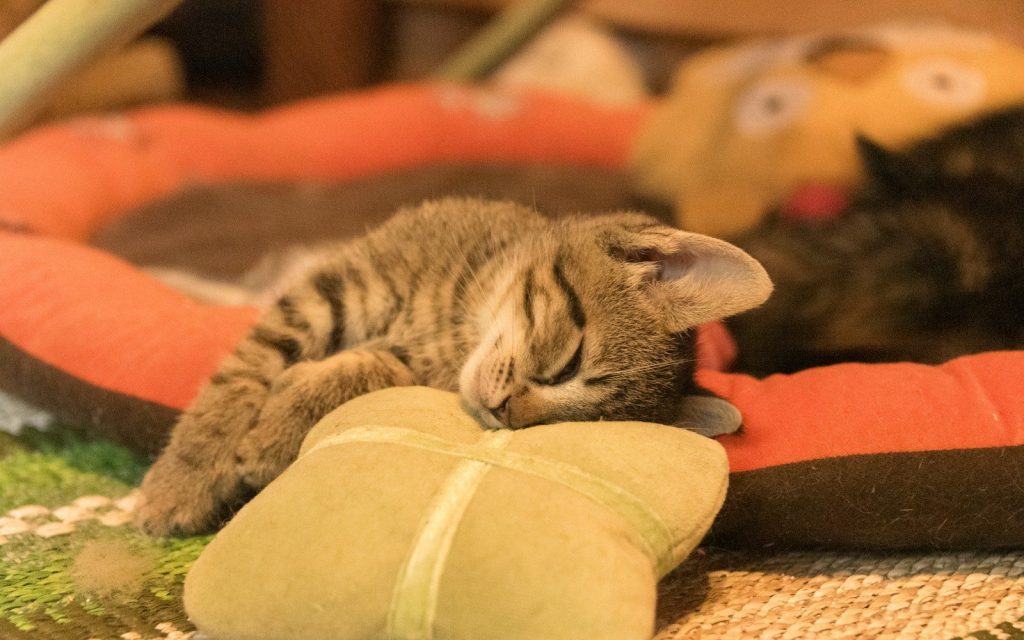
Today, the once-wild kitten is a champion cuddler who loves sleeping on soft pillows. This incredible journey shows that patience, love, and the right training can tame even the wildest hearts. By respecting their boundaries, we can turn fear into lifelong loyalty and affection. This article is for informational purposes only and does not constitute veterinary advice.
Featured Image: Photo by Natalia Sevruk on Pexels