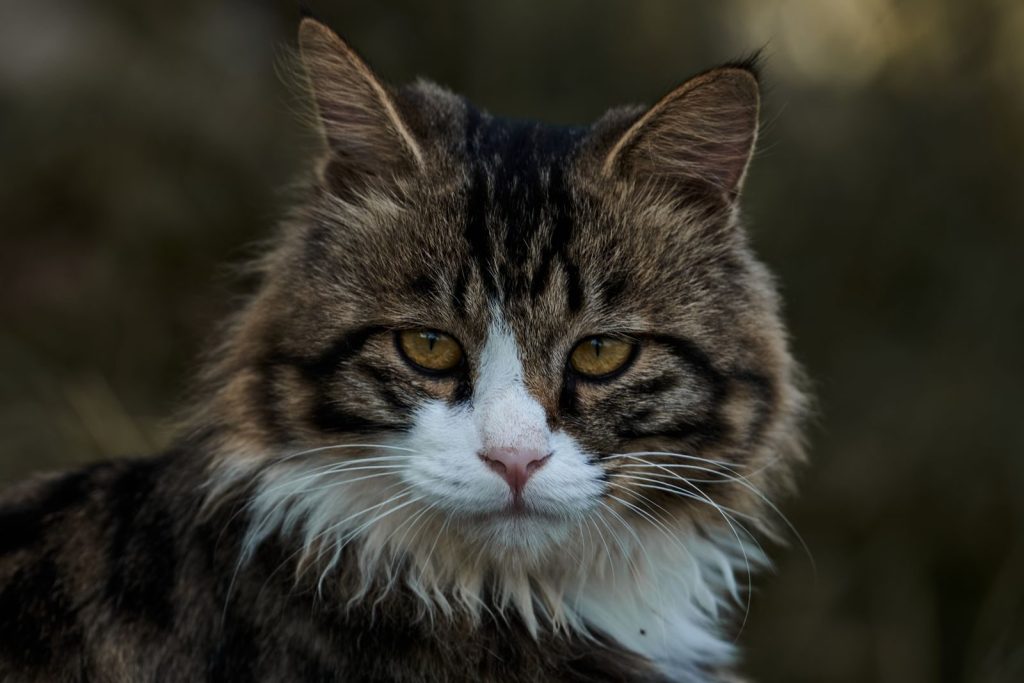

Some cats sport incredible coat patterns that look like hearts, mustaches, or even tiny top hats. These beautiful markings make them stand out in any crowd.
While these patterns look like works of art, they are actually driven by complex genetics and ancient survival history. Science reveals the secret story behind your pet’s coat.
The ancient purpose of feline camouflage
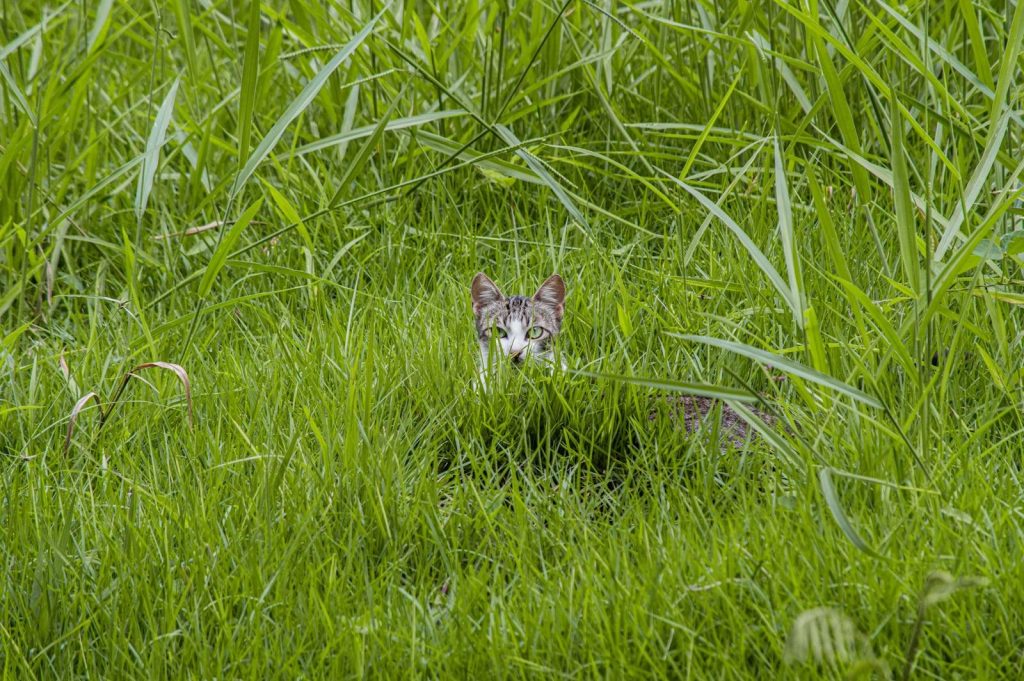
In the wild, a cat’s coat is their most important survival tool. According to the Cornell Feline Health Center, wild ancestors developed specific striped and spotted patterns to blend into their environments. This camouflage allowed them to hide from larger predators and sneak up on prey. But domestic breeding introduced a massive genetic shift.
The complex genetic science of coat colors
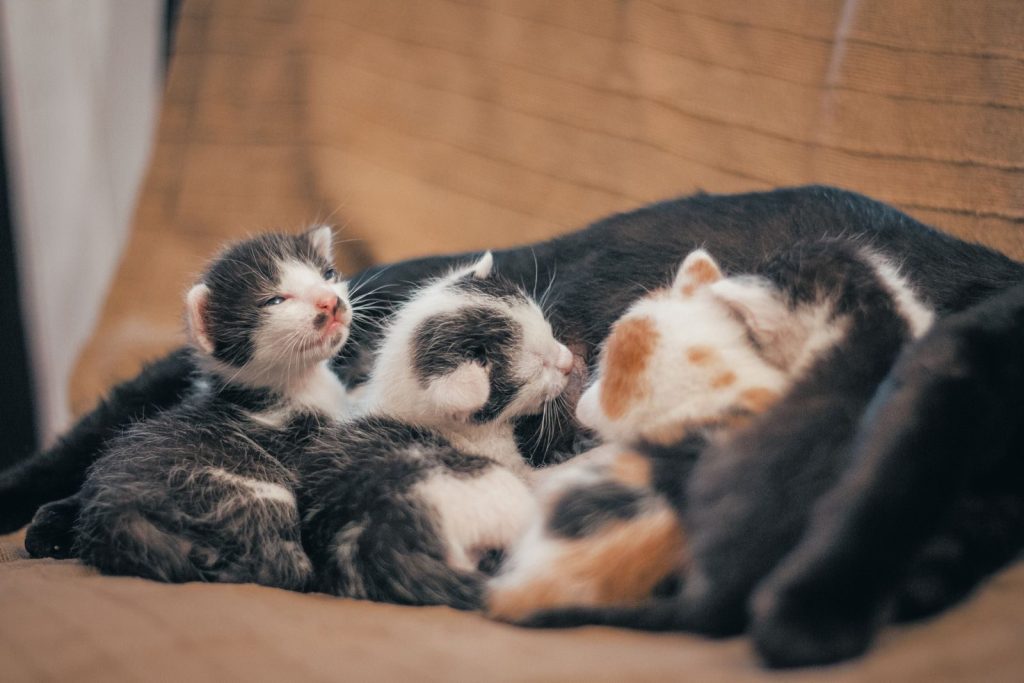
Every kitten inherits a unique combination of pigment genes from their parents. These genes control the distribution of melanin, which determines whether their fur will be black, orange, or white. During embryonic development, these color cells migrate across the skin in a very specific pattern. This biological journey can sometimes create some highly surprising shapes.
How tuxedo cats got their formal wear
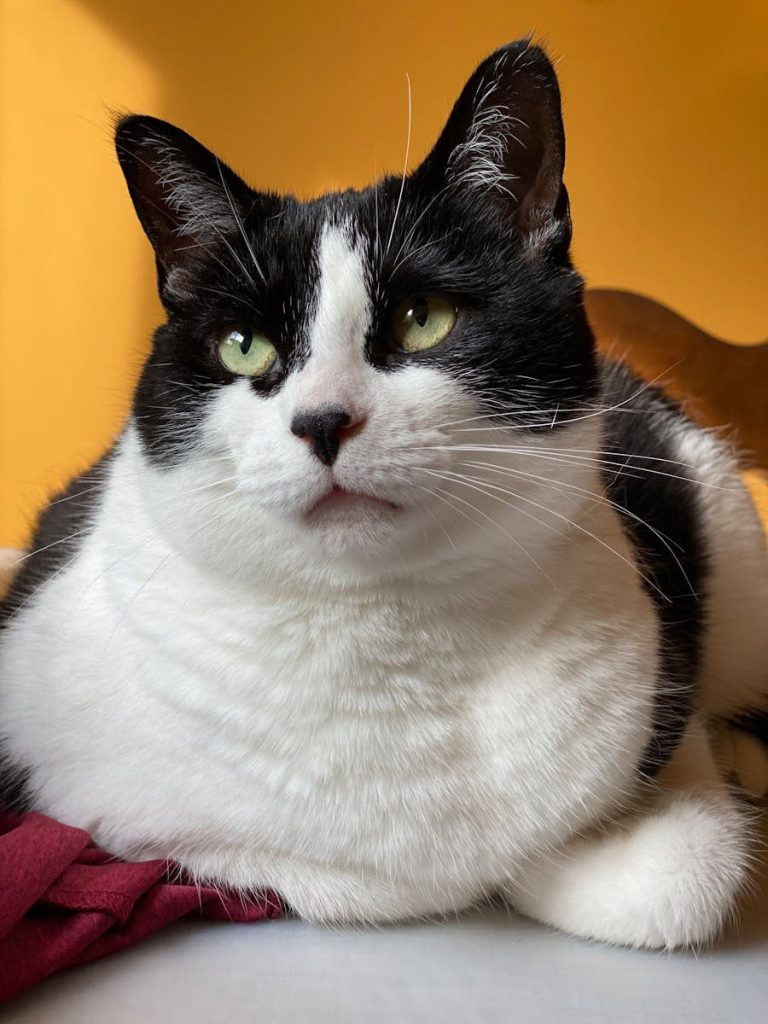
Tuxedo felines look like they are dressed for a fancy dinner. This classic black and white look is caused by a genetic trait called piebaldism. The white pigment cells fail to spread completely across their body, leaving white patches on their chest and paws. This striking contrast is highly prized by cat lovers. Yet, other felines carry a much warmer color palette.
The rare genetics of the calico coat
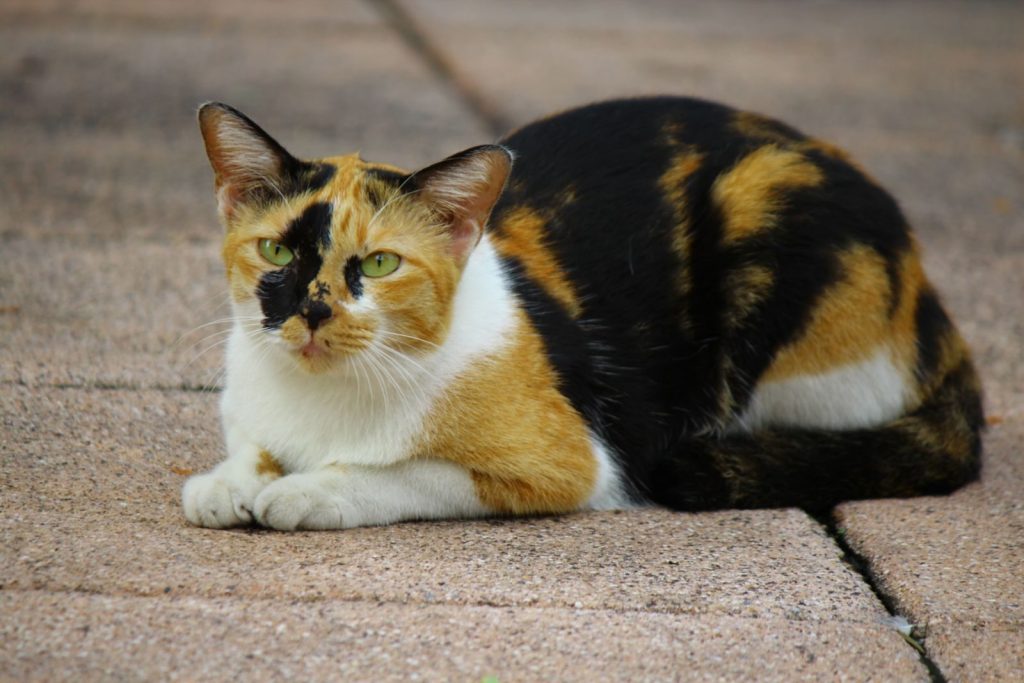
Calico felines are famous for their beautiful patches of orange, black, and white fur. This complex pattern is almost exclusively found in female cats due to their chromosome structure. The Cat Fanciers Association reports that only one in three thousand calicos is male, making them incredibly rare. But color patterns can also shift based on temperature.
Thermal markings that react to the cold
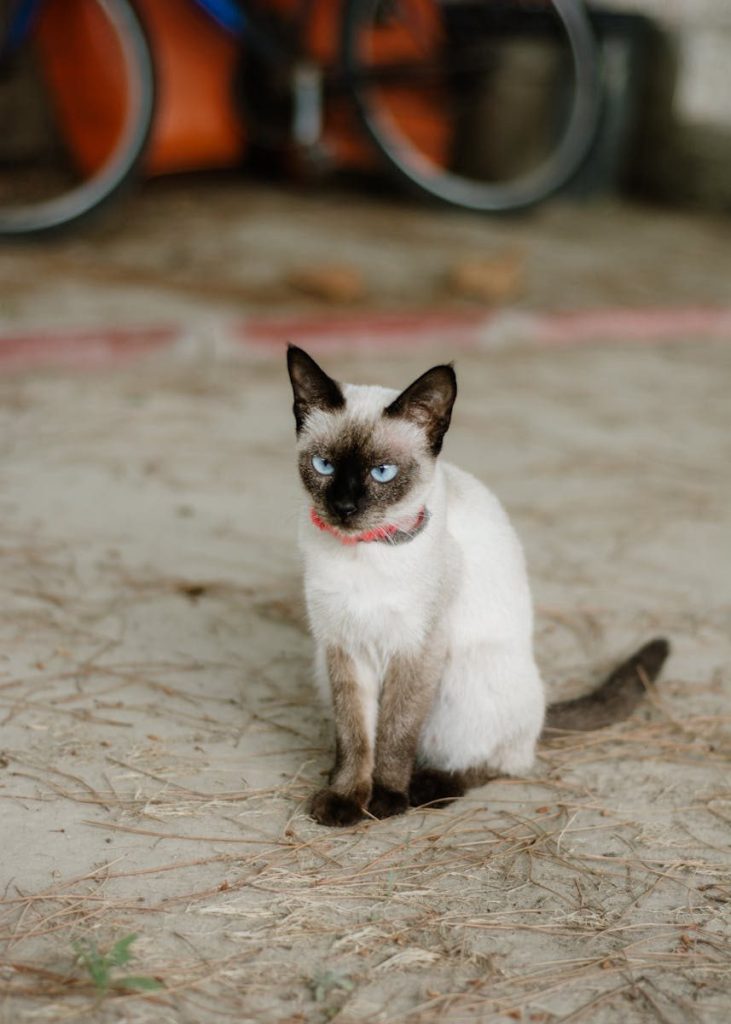
Breeds like the Siamese possess a unique temperature-sensitive mutation. Their fur remains light on their warm bodies but turns dark on cooler areas like their ears, paws, and tail. This thermal printing helps keep their extremities warm in cool environments. This adaptive feature is highly intriguing to geneticists. Still, some patterns are completely unique to individual pets.
Unique markings that look like real objects
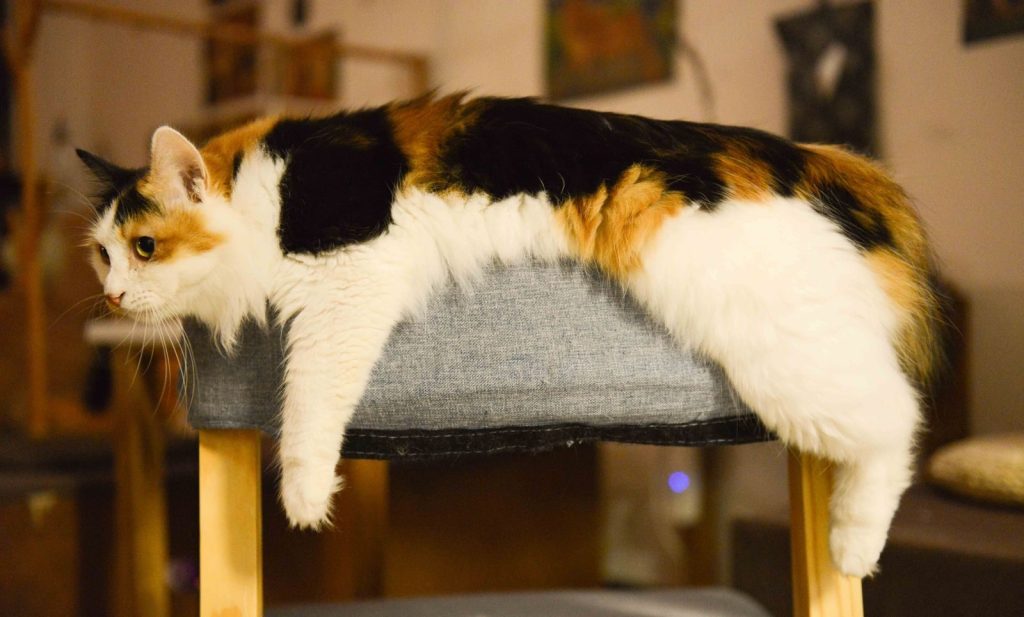
Occasionally, the genetic lottery creates a perfect shape on a cat’s fur. You might see a black kitten with a white heart on its side, or a tabby with a perfect mustache. These rare markings are completely random and cannot be replicated by breeders. They make each individual pet a true masterpiece. However, managing these beautiful coats requires some regular care.
Keeping their colorful coats healthy and bright
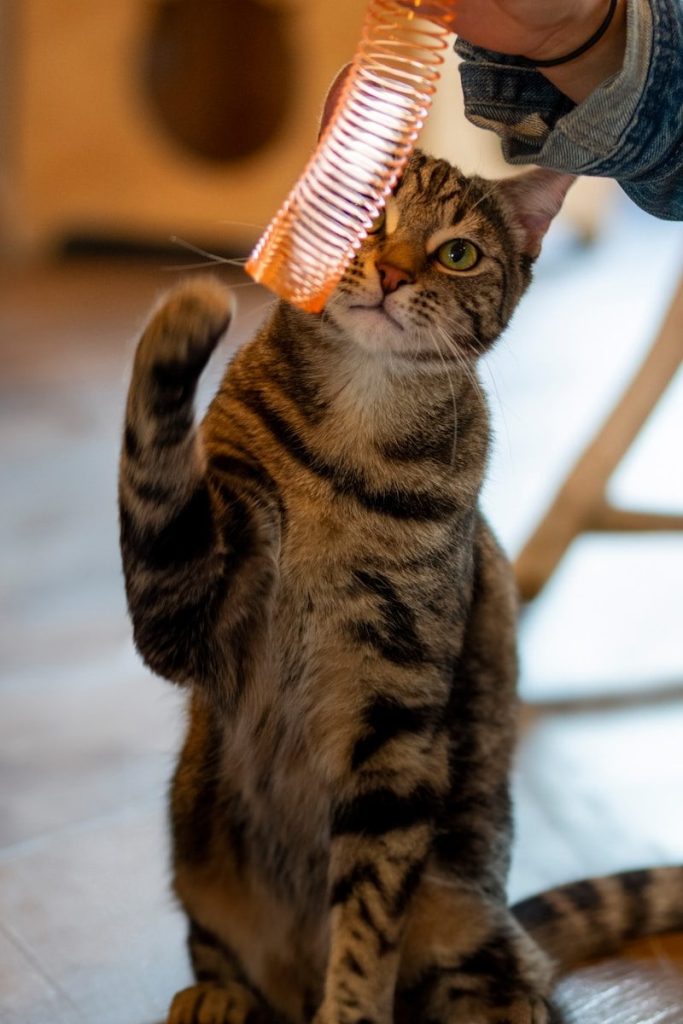
A dull coat can often point to a lack of essential nutrients in their diet. You should feed your pet high-quality proteins and fatty acids to support their skin health. Regular brushing also removes dead hair and keeps their colors looking vibrant and clean. This simple routine ensures your companion stays beautiful. Soon, you will look at their fur with a whole new appreciation.
Celebrating the wild beauty of your pet
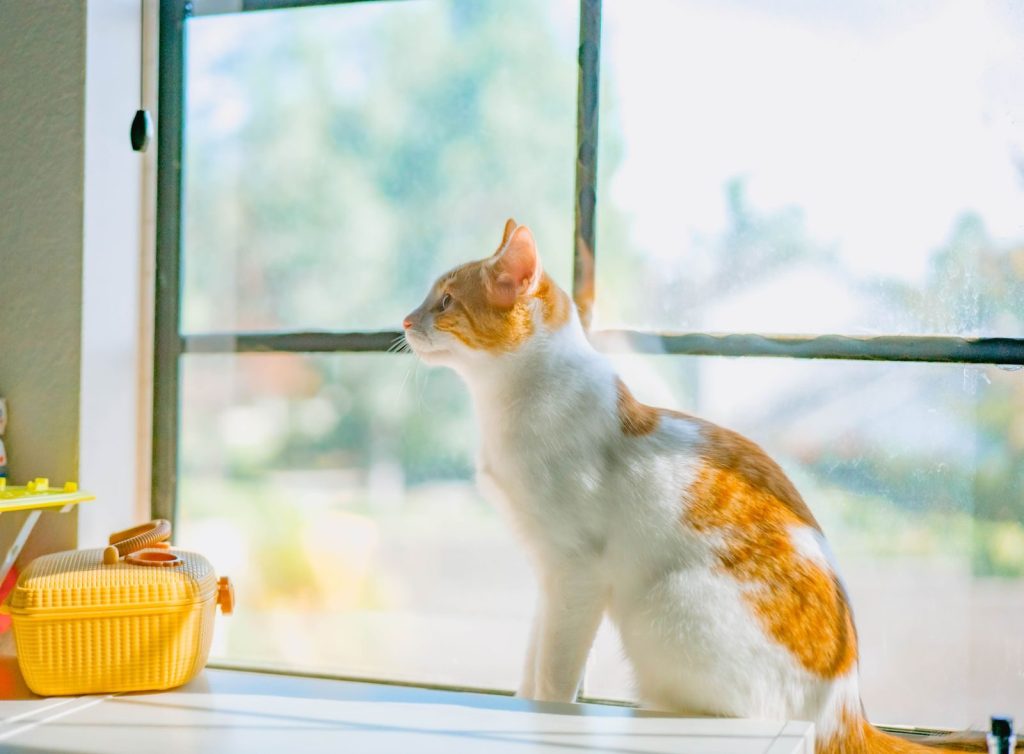
Your cat’s markings are a beautiful link to their evolutionary history and genetic traits. Whether they have simple stripes or unique shapes, their coats make them incredibly special. Understanding the science behind their fur helps us appreciate their wild majesty even more. This article is for informational purposes only and does not constitute veterinary advice.
Featured Image: Photo by Horizon 7x on Pexels