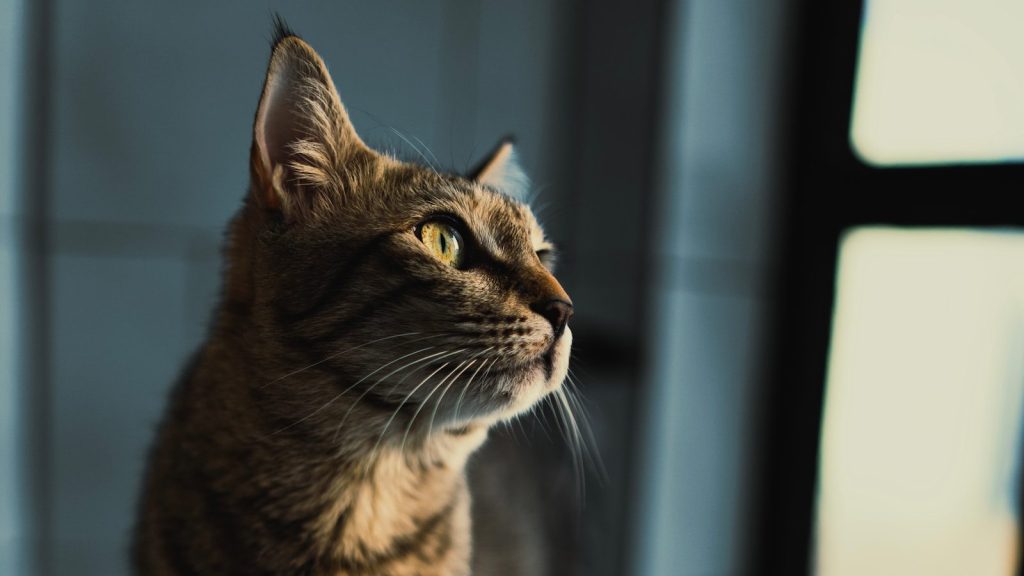

You talk to your feline roommate all day long, assuming they enjoy the sound of your voice. But they might be misinterpreting your messages.
Cats are highly sensitive to human vocalizations and body language. Certain words and tones can trigger anxiety or confusion in your pet without you realizing it.
The problem with loud verbal corrections
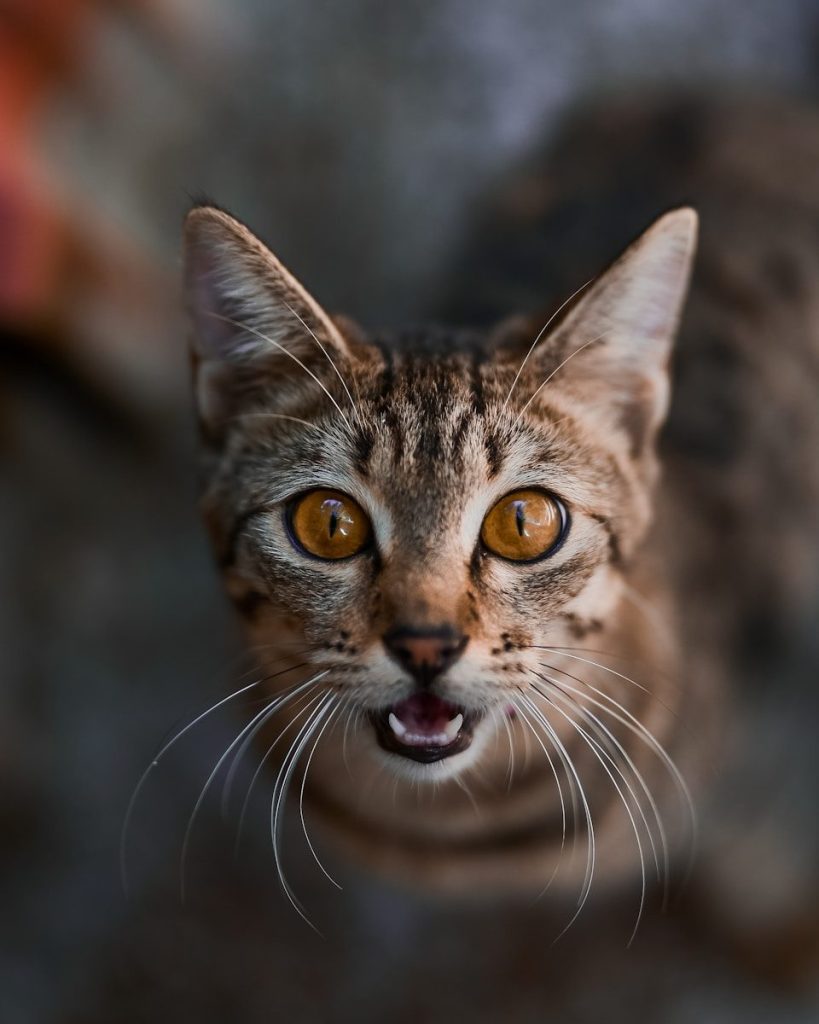
Shouting a loud word like no when your cat scratches the sofa is highly ineffective. Felines do not understand human language the way dogs do. Instead, they associate your sudden, booming voice with danger and threat. This response causes them to fear you rather than understand the boundary. Fortunately, there is a much calmer way to correct their behavior.
Why hissing at your cat backfires
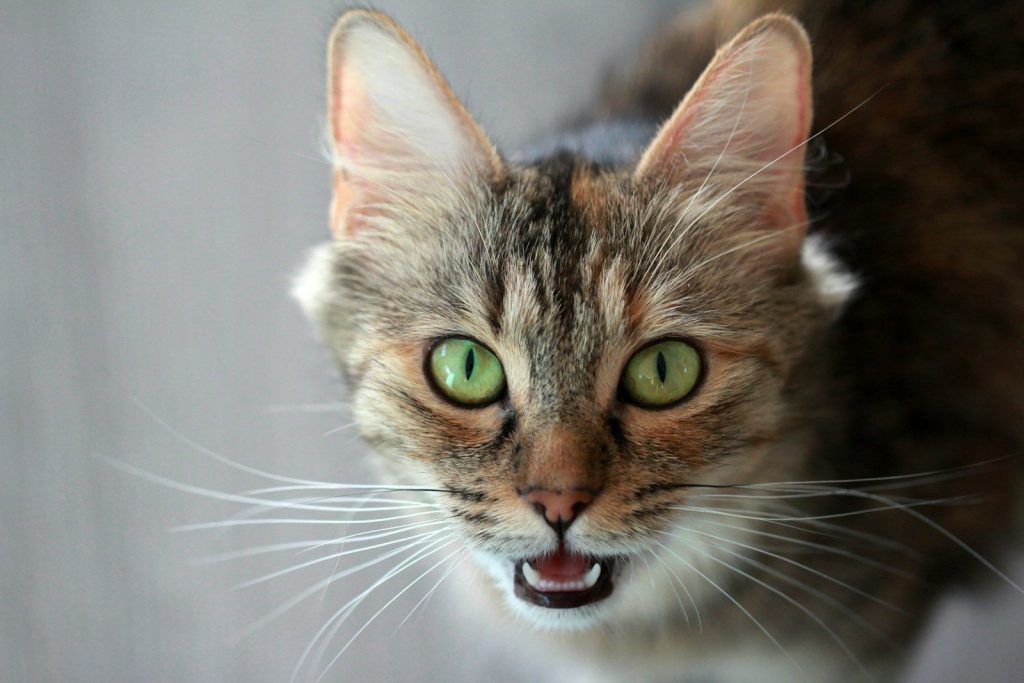
Some owners mimic feline hissing to discourage bad behavior. While this sounds logical, it actually damages your bond. In the animal world, hissing is a sign of intense fear and aggression. When you hiss, your cat views you as an unpredictable threat rather than a safe caregiver. This confusion leads to defensive behaviors. However, your greeting words can also cause stress.
The stress of high-pitched baby talk
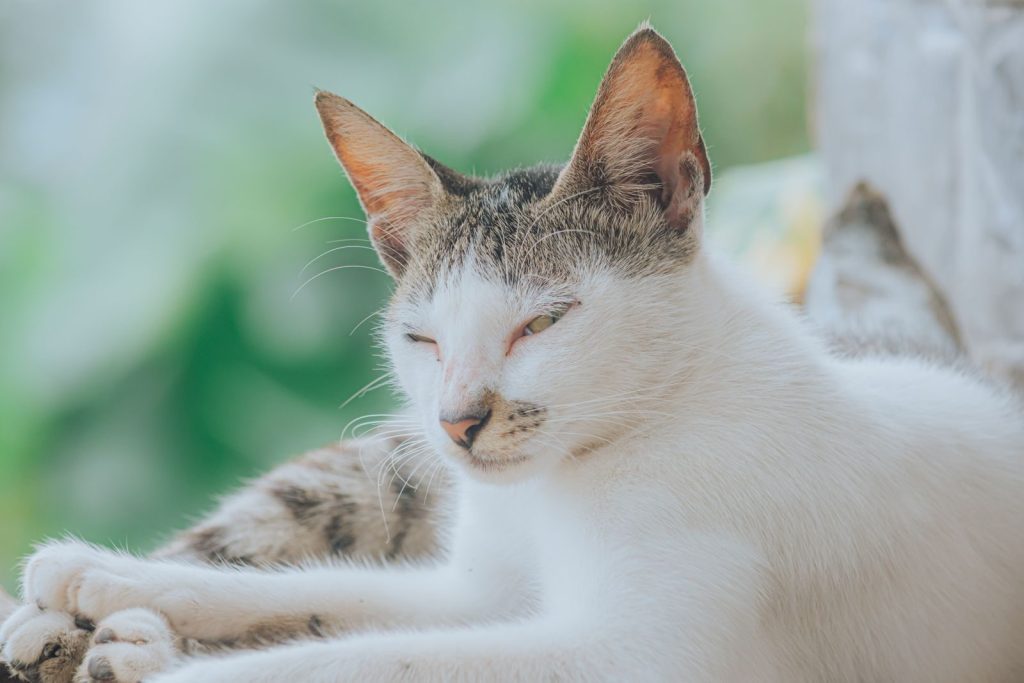
We often use excited, high-pitched voices when we see our pets. While some cats tolerate this, many find high-frequency sounds irritating or alarming. According to a study in the journal Animal Cognition, cats respond best to calm, steady tones. Soft, gentle speech makes them feel safe and relaxed. Yet, the words you use during training are also crucial.
Using inconsistent cue words for boundaries
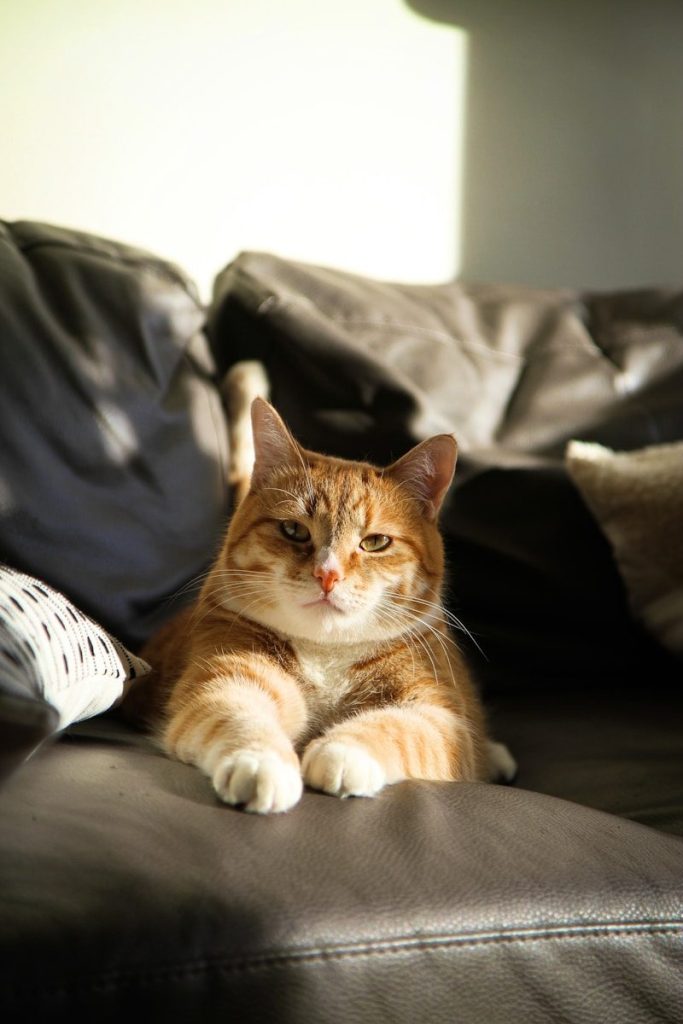
Using different words for the same command confuses your pet. If you say off one day and down the next, your cat cannot connect the sound to the desired action. Felines thrive on clear, repetitive patterns. Choosing one simple word and sticking to it makes communication effortless. But your body language during these chats holds even more weight.
The danger of mixing words with physical gestures
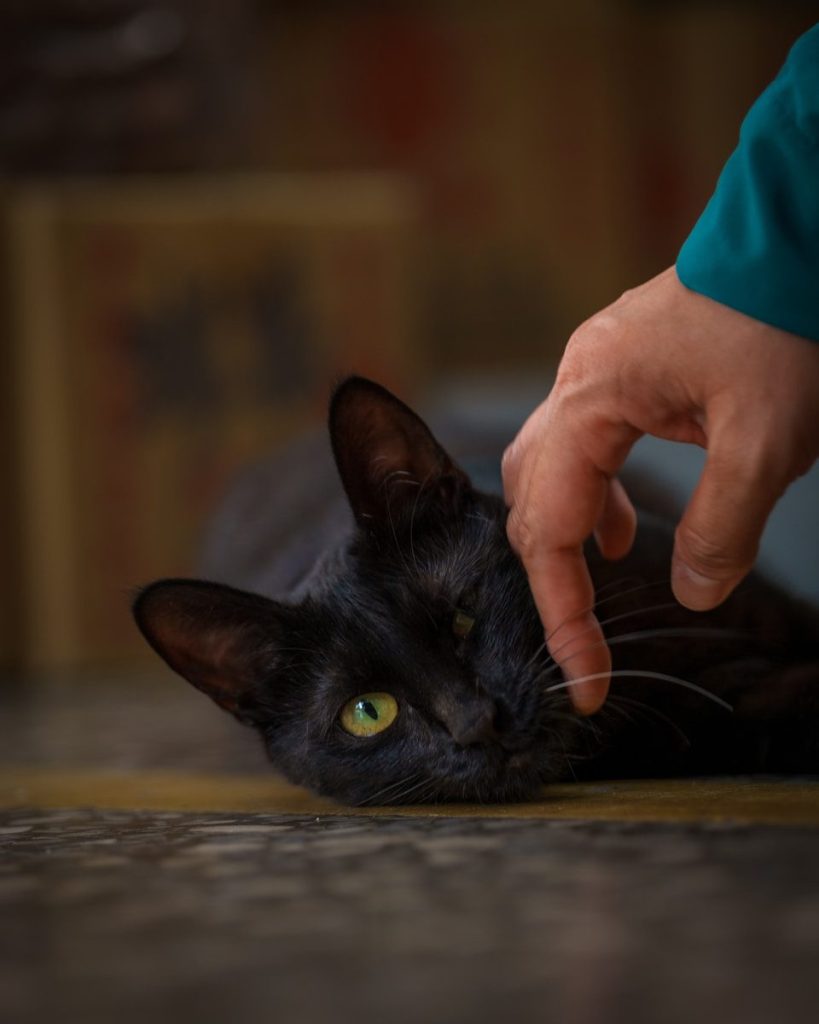
Pointing your finger or waving your hands while speaking can look like a threat to a sensitive cat. They focus heavily on physical cues over spoken words. Rapid movements can trigger their predatory drive or cause them to run away in fear. Keeping your body relaxed while speaking ensures they receive a positive message. Still, some sounds are naturally offensive to them.
Avoiding sharp whispering sounds
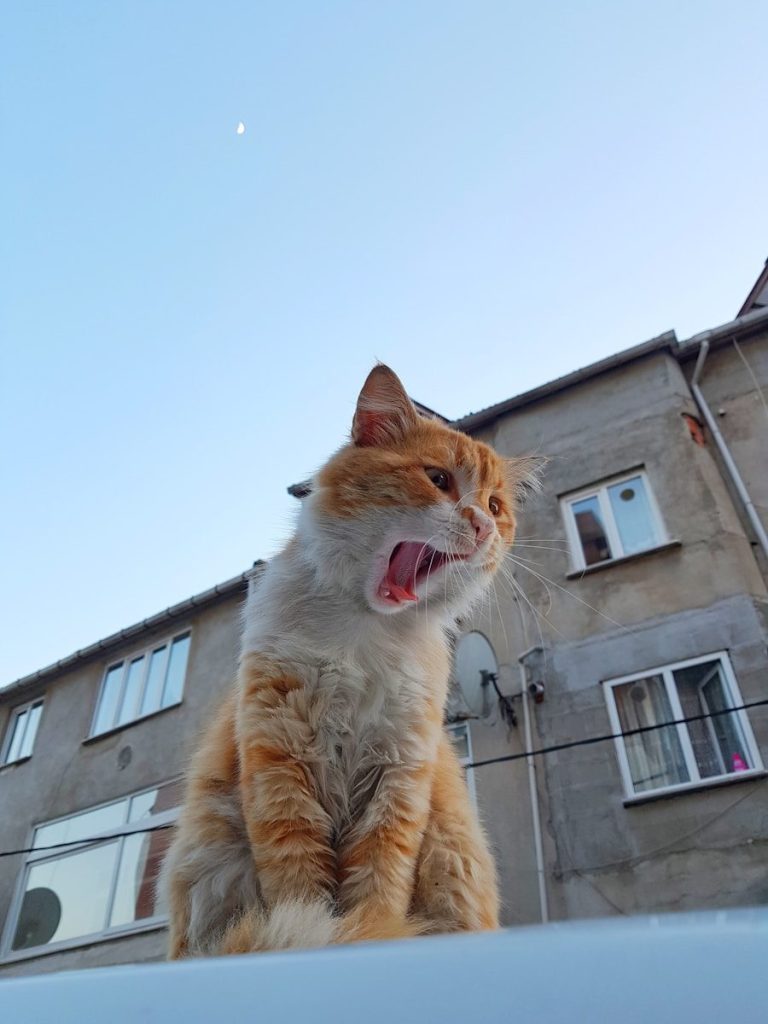
Making sharp sibilant sounds like shh to quiet your cat can trigger their natural defense systems. This specific sound mimics the warning hiss of a predator or another angry feline. It instantly puts them on high alert, raising their stress levels unnecessarily. Using a low, quiet hum is a much safer alternative. Fortunately, you can easily learn to speak their language.
The power of soft verbal reinforcement
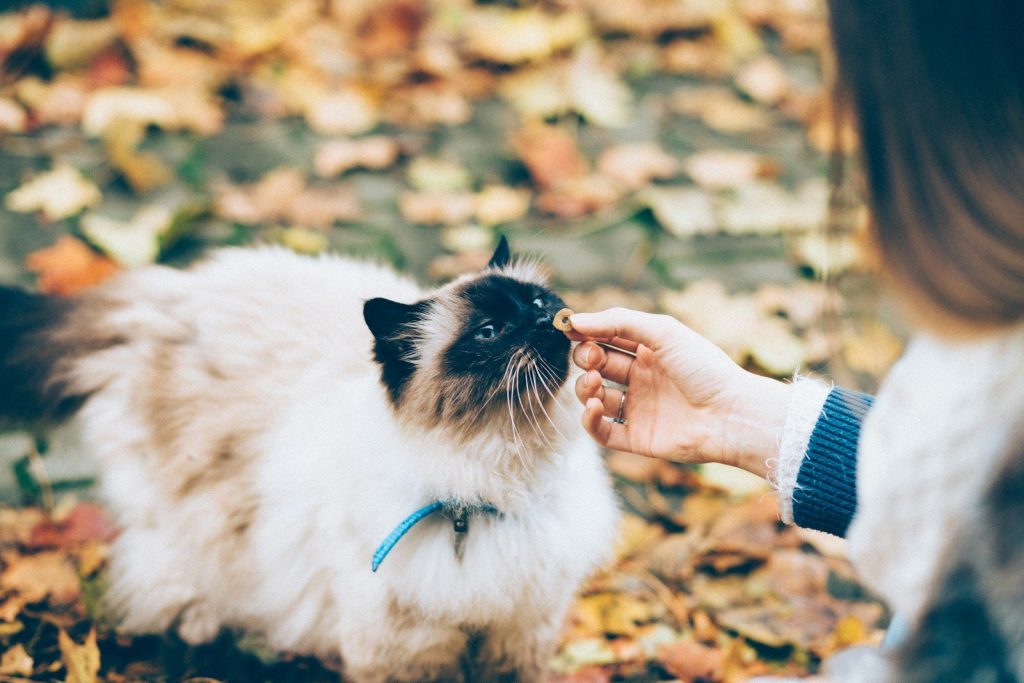
Praising your cat with a gentle, soothing tone when they do something right works wonders. They can easily read the positive energy in your calm voice. Pair your kind words with a tasty treat to build a strong association with good behavior. This simple training method creates a happy, stress-free household. Soon, you will notice a beautiful shift in your cat’s response.
Building a bond of quiet trust
Understanding how your pet hears the world is the key to a harmonious home. By choosing your words and tones carefully, you can communicate safely without causing unnecessary anxiety. Your cat will reward your calm approach with endless affection and deep loyalty. True friendship is built on respect, clear boundaries, and a gentle voice.
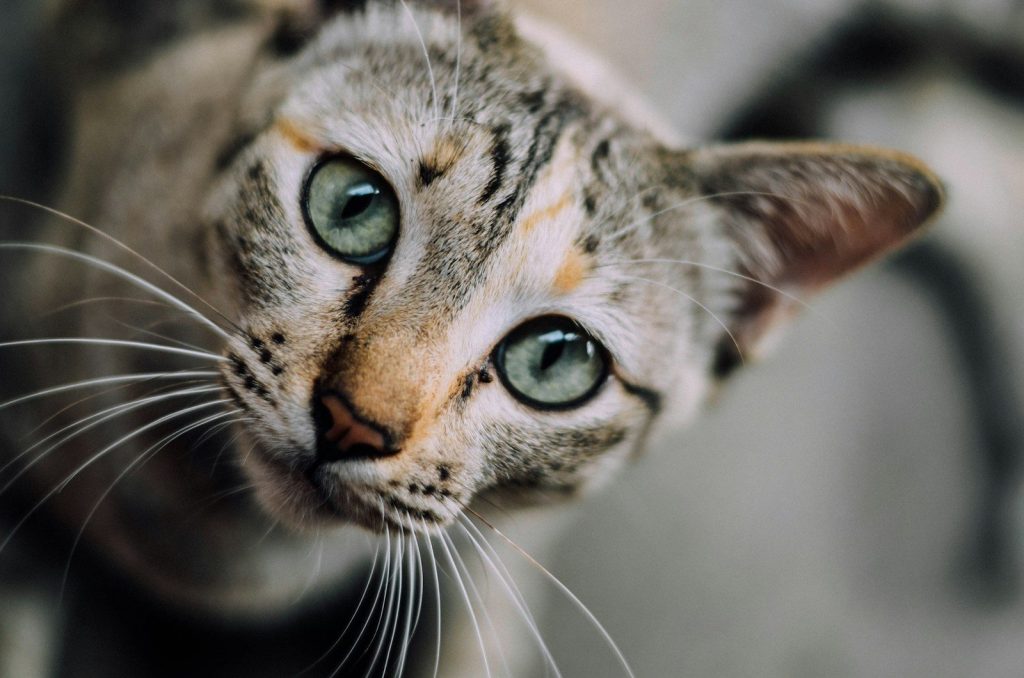
Featured Image: Photo by Ghavam Cheraghali on Unsplash