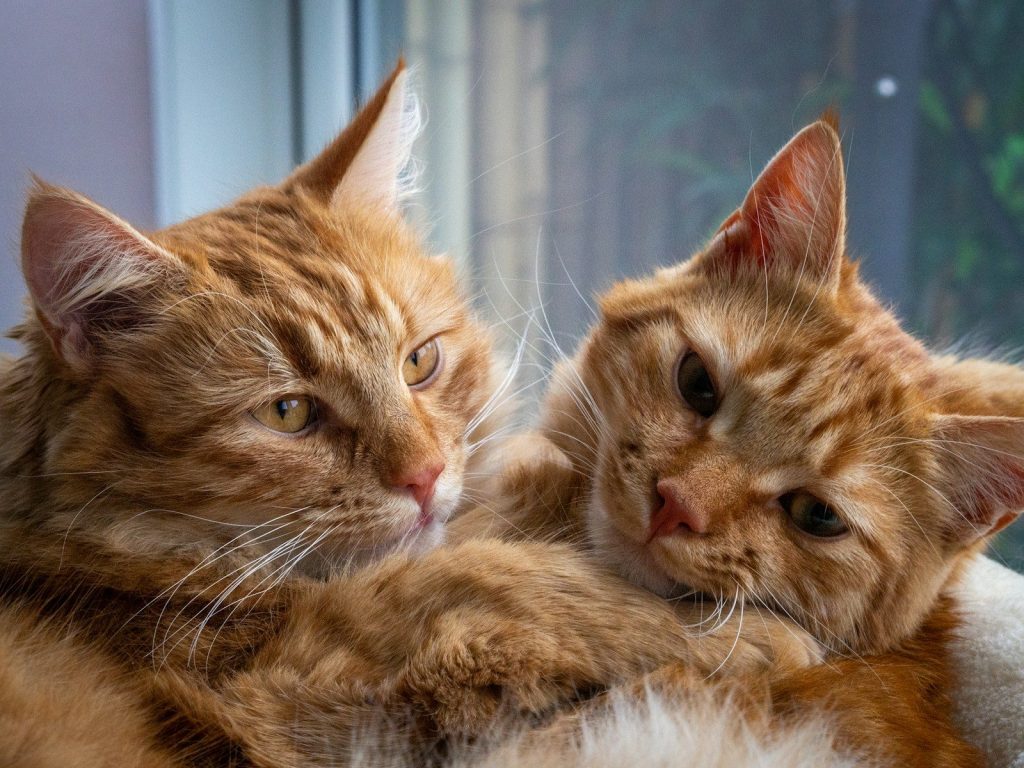

When you decide to bring a new feline companion into your life, you face a major choice. Should you adopt a male or a female? Many owners believe gender dictates how loving a pet will be.
While biology does play a role in animal behavior, the truth is often surprising. Many common gender stereotypes are actually myths. Here is what science reveals about the real differences.
The loving nature of male felines
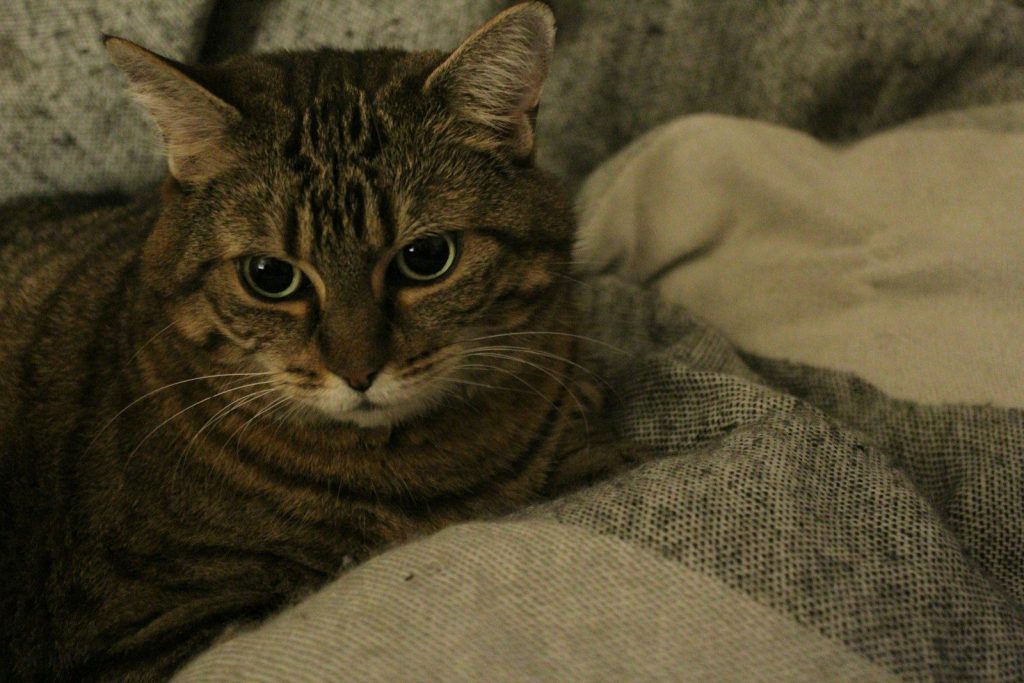
Many shelter workers report that neutered male cats are often the most outgoing and affectionate pets. They tend to be highly social, seeking out lap cuddles and following owners from room to room. According to research from the University of California, male felines often show higher playfulness scores. But female felines possess their own unique strengths.
The quiet independence of female cats
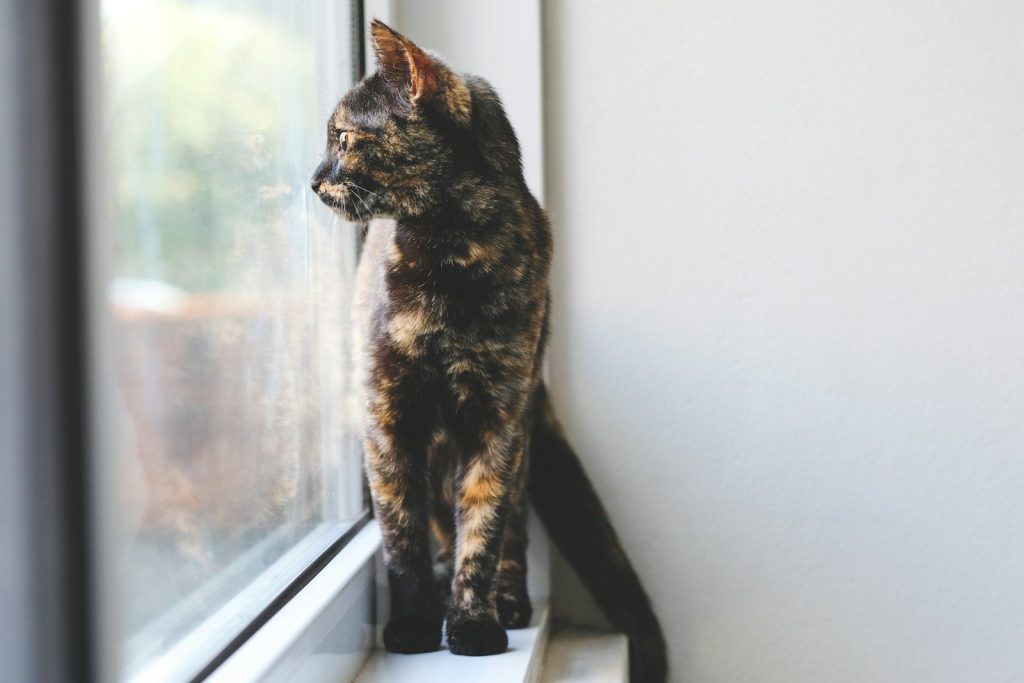
Female cats are often described as highly intelligent and independent. In the wild, females are responsible for raising litters and protecting resources, making them naturally alert. They might prefer to sit nearby rather than directly on your lap. This careful nature makes them excellent observers. However, their physical environment plays a massive role in their choices.
The impact of spaying and neutering
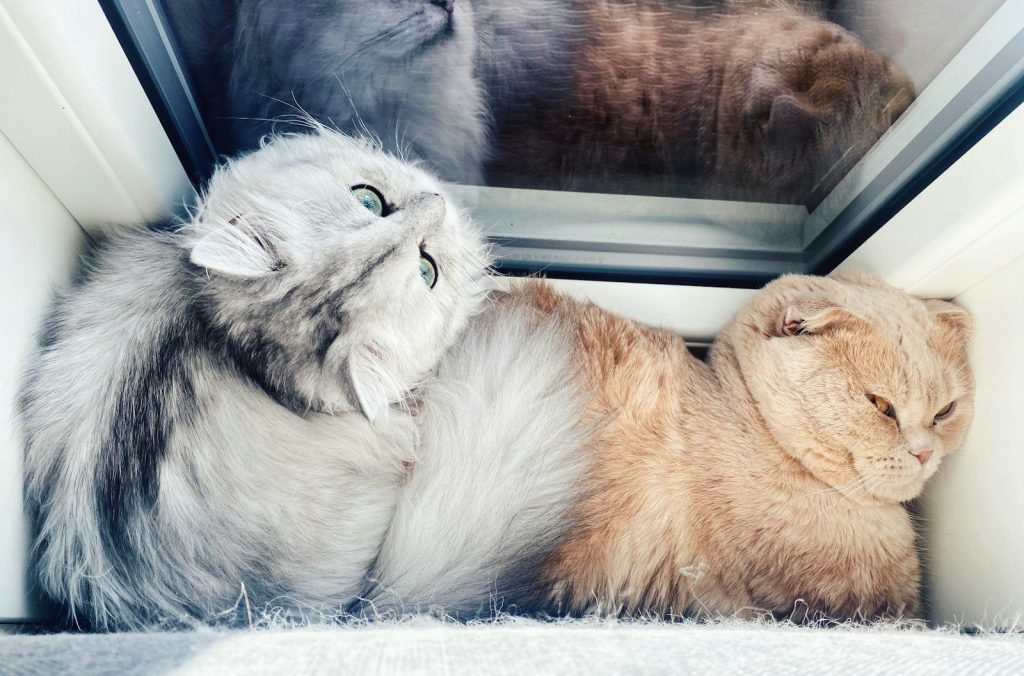
Behavioral differences often disappear completely once a cat is fixed. Unaltered males will roam and mark territory, while unaltered females will vocalize loudly during heat cycles. Spaying and neutering reduce these hormone-driven actions, leaving behind their true baseline personality. This simple medical step creates a much calmer household. But early life experiences are even more critical.
Why socialization beats gender every time
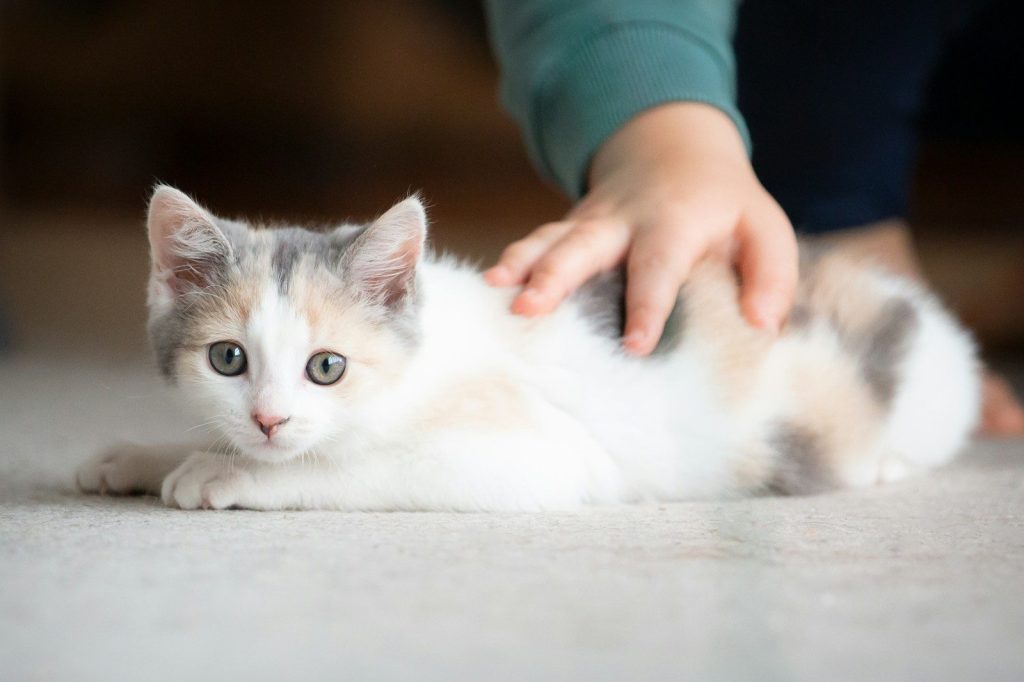
A cat’s upbringing has a far greater impact on their personality than their gender. Felines that receive gentle human handling during their first two months of life grow up to be highly confident. Conversely, a poorly socialized cat will remain shy regardless of being male or female. This developmental phase shapes their future behavior. Yet, their breed also introduces interesting traits.
How breed genetics shape behavior
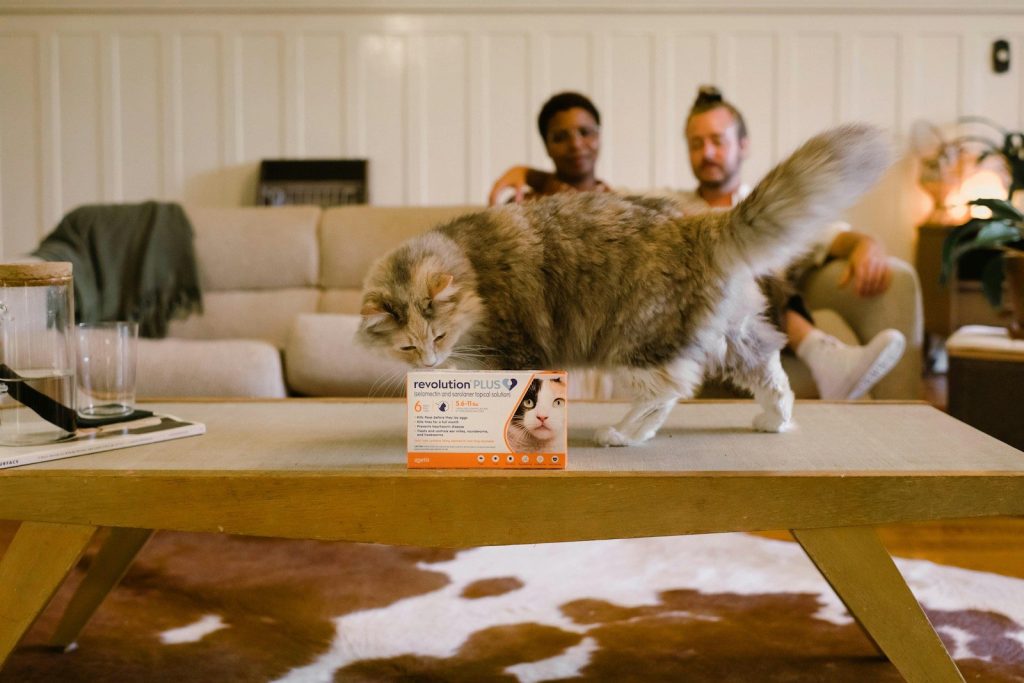
Specific breeds carry strong genetic tendencies that override gender differences. For instance, a female Maine Coon will likely be far more social than a shy male of another breed. Looking at the breed’s historical purpose helps you understand what to expect. This genetic background combines with their gender in surprising ways. But you must also consider your own lifestyle.
Choosing the right fit for your home
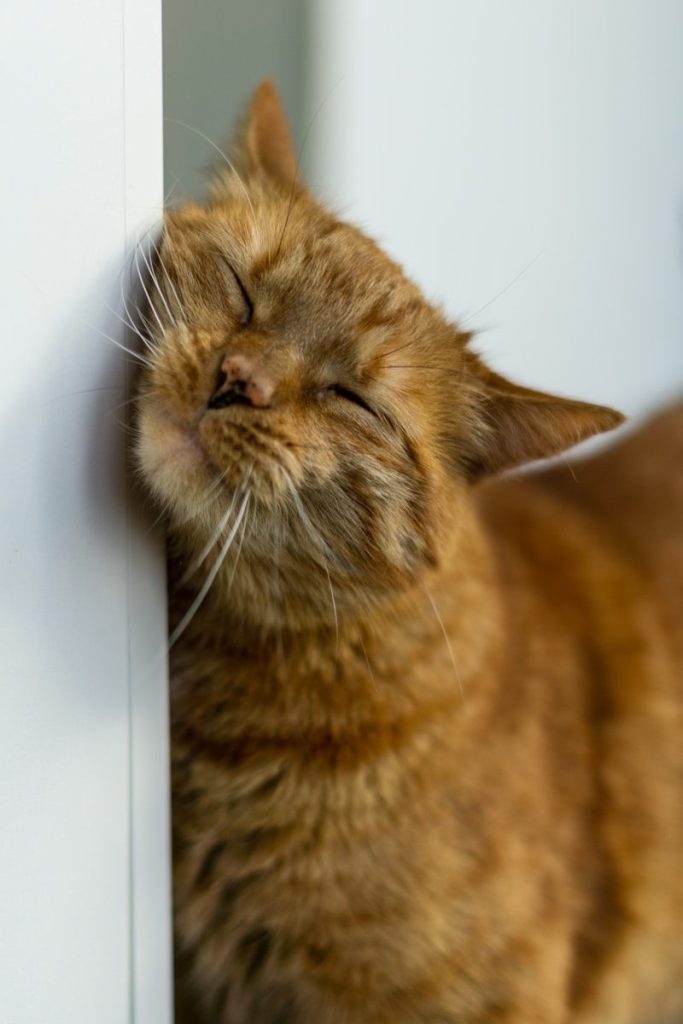
If you want a highly active playmate, look for a cat that shows high energy in the shelter, regardless of gender. If you prefer a quiet, calm companion, search for an animal that sits peacefully. Focus on the individual cat’s reaction to your touch rather than their gender label. This personalized approach leads to a perfect match. Soon, you will discover the ultimate secret.
The power of individual connection
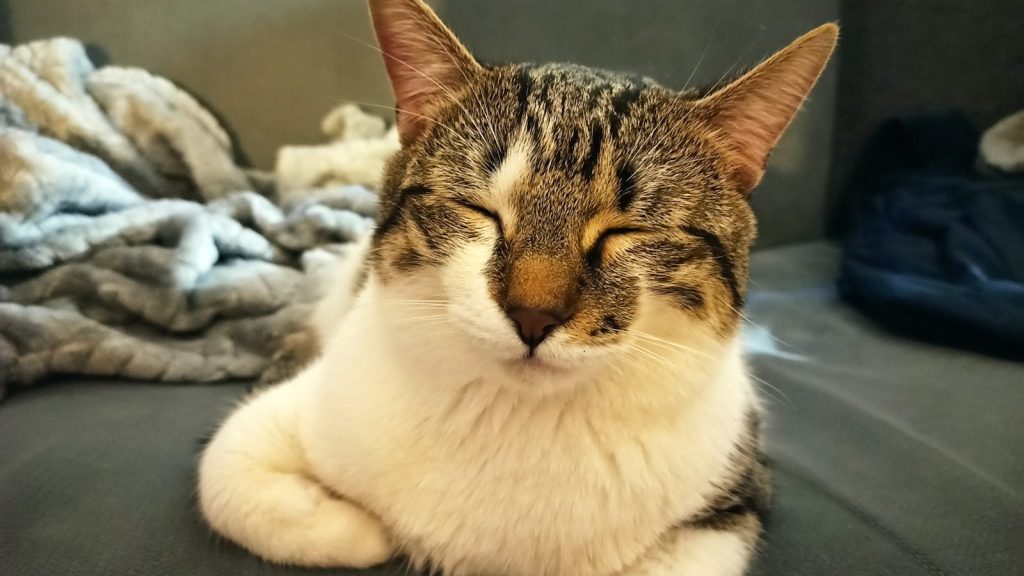
Ultimately, the bond you build with your pet depends on mutual respect and shared experiences. Every single cat has a unique soul that cannot be defined by simple gender rules. By spending quality time together, you will build a loving friendship that lasts a lifetime. This is the true joy of welcoming a cat into your heart.
Featured Image: Photo by Lies Vergauwen on Unsplash