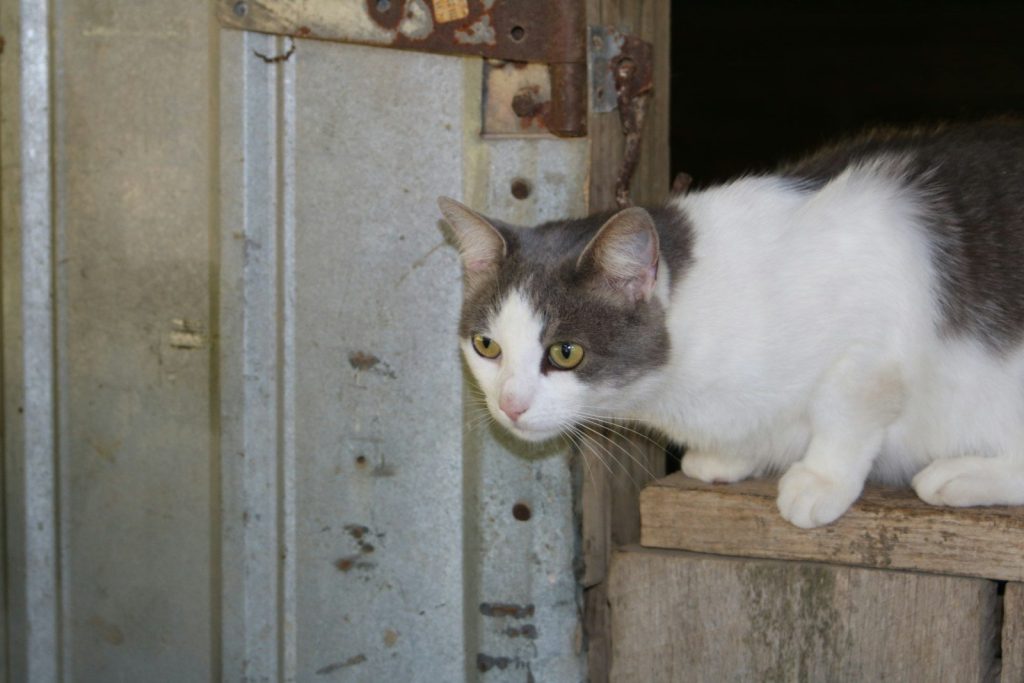

Catching a feral cat in your yard is a major achievement. You might feel relieved. Finally, the animal is safe. However, the real challenge begins the moment you bring them indoors.
Feral cats are completely wild. They view humans as dangerous predators. If you take the wrong steps early on, you can ruin any chance of building trust. Here’s exactly how to handle the first critical days.
Creating a secure sensory safe zone

Your first step is finding a small, quiet room like a bathroom or laundry area. A massive living room will overwhelm a terrified animal. Keep the lights low. Play soft music to drown out scary household noises. This quiet space allows them to calm down after the trauma of being trapped. But you must leave the trap alone for a while.
Letting them rest in the trap
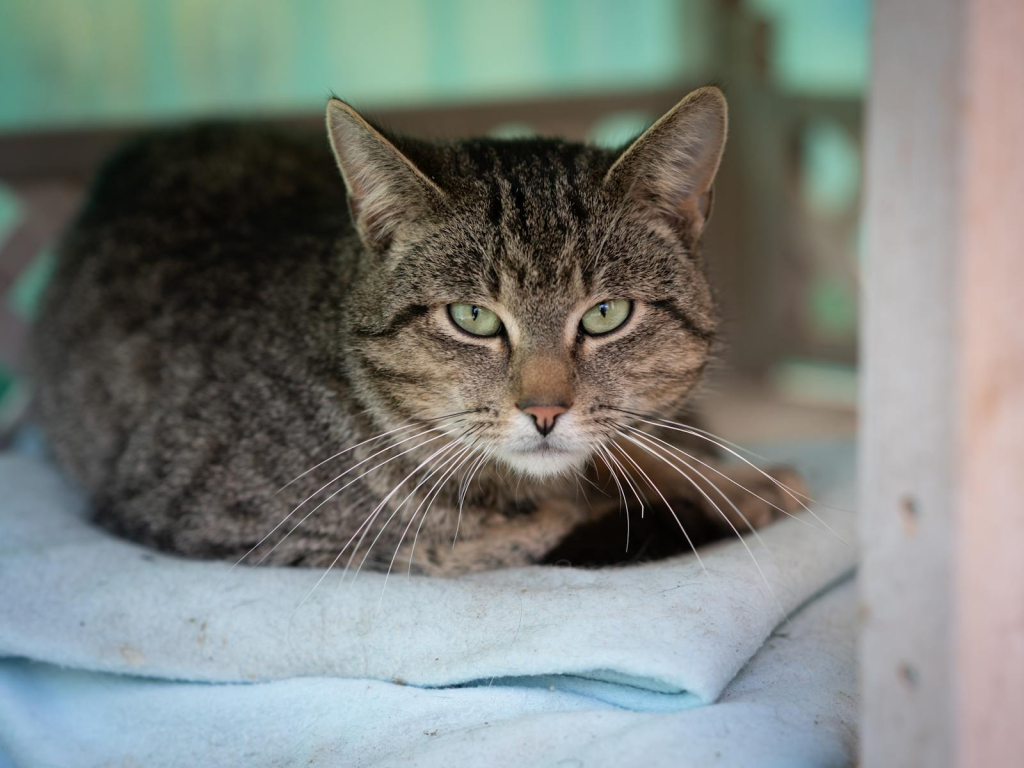
Don’t try to pull the cat out of the cage immediately. Feral felines will lash out with sharp claws when cornered. They are terrified. Cover the entire trap with a thick towel to block their view and make them feel hidden. Let them sit in the quiet room for a few hours. Soon, you must offer a secure hiding option.
Setting up the perfect hideout
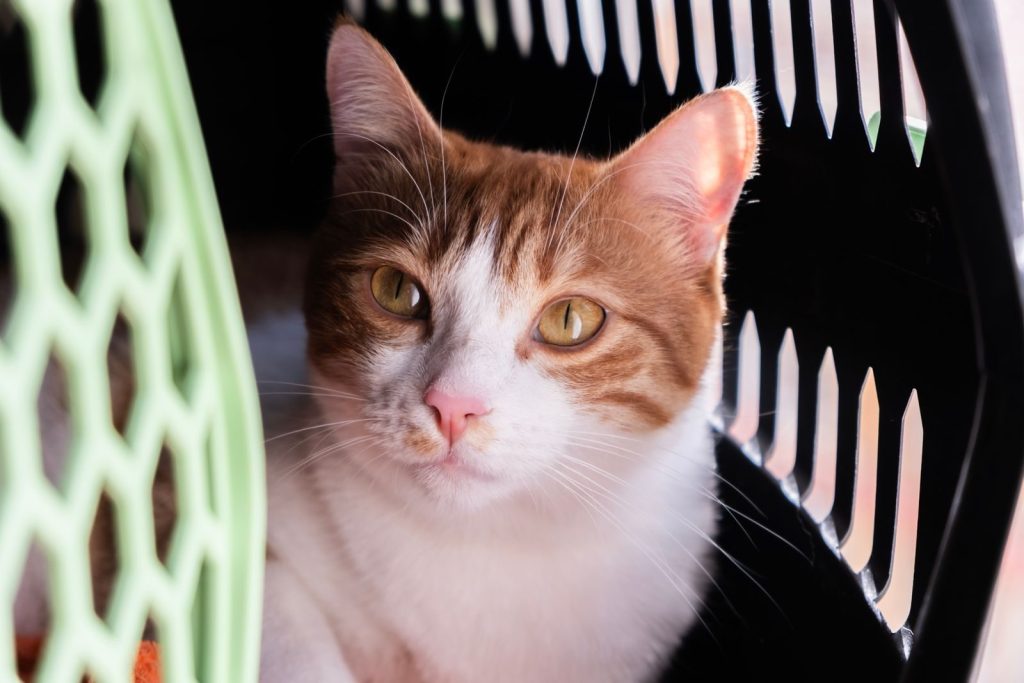
Place a plastic carrier or a sturdy cardboard box with a soft blanket inside the room. Feral felines need to feel hidden to feel secure. Open the trap door gently and let them transfer to the new hideout on their own terms. Once they are nestled inside, you can set up their essential supplies. But food is your secret weapon.
The magic of food association

Never leave dry food out all day long. Instead, establish a strict feeding schedule so the cat associates your presence with tasty wet meals. Sit quietly at the far side of the room while they eat. Look away to show respect. According to the ASPCA, using food is the fastest way to build trust with wild felines. This routine prepares them for the next big step.
Avoiding direct eye contact

When you enter the room, don’t stare at the cat. In the wild animal world, a direct stare is a sign of aggression. It is a threat. Instead, look at the floor and use slow blinks to communicate safety. This simple body language trick tells the feral animal that you are safe. Once they accept your quiet presence, you can introduce your scent.
Sharing your scent safely
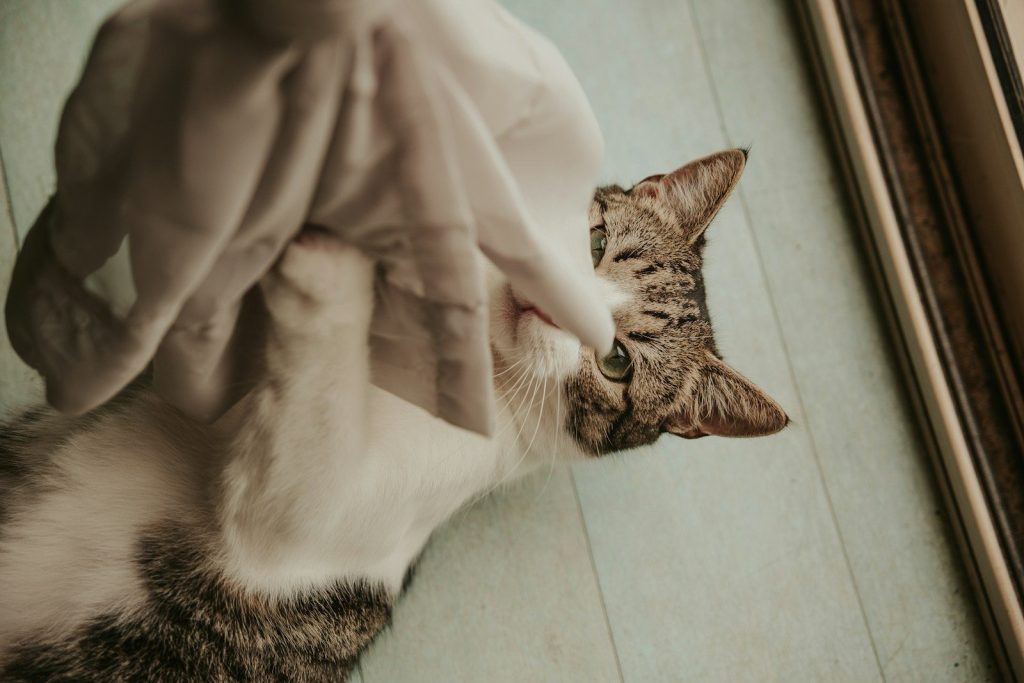
Leave an unwashed t-shirt or towel near their hiding spot. This lets the cat investigate your unique scent without any pressure. They will sniff the fabric when you are out of the room, slowly realizing that your smell is harmless. Over time, they will stop hiding when they hear you approach. This breakthrough leads to the first physical contact.
Testing the waters with a grooming tool
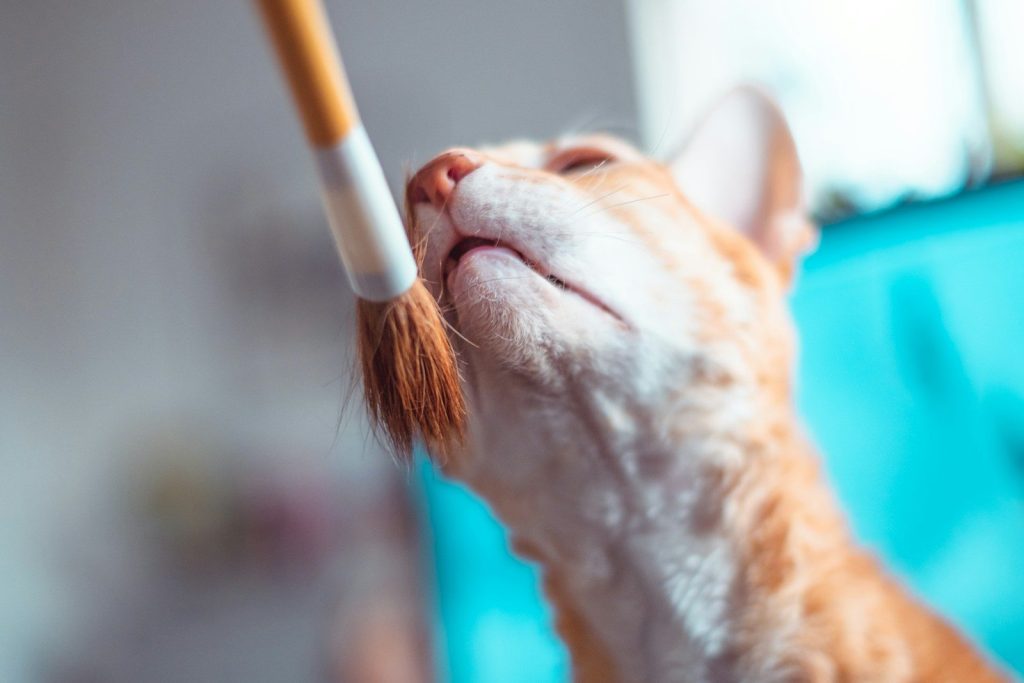
Avoid using your hand for the first touch. Instead, use a long backscratcher or a soft brush to gently pet their head from a safe distance. If they hiss or pull away, stop immediately. Try the next day again. If they lean into the brush, you can slowly transition to using your fingers. But you must always look out for hidden medical issues.
Partnering with a vet for long-term success
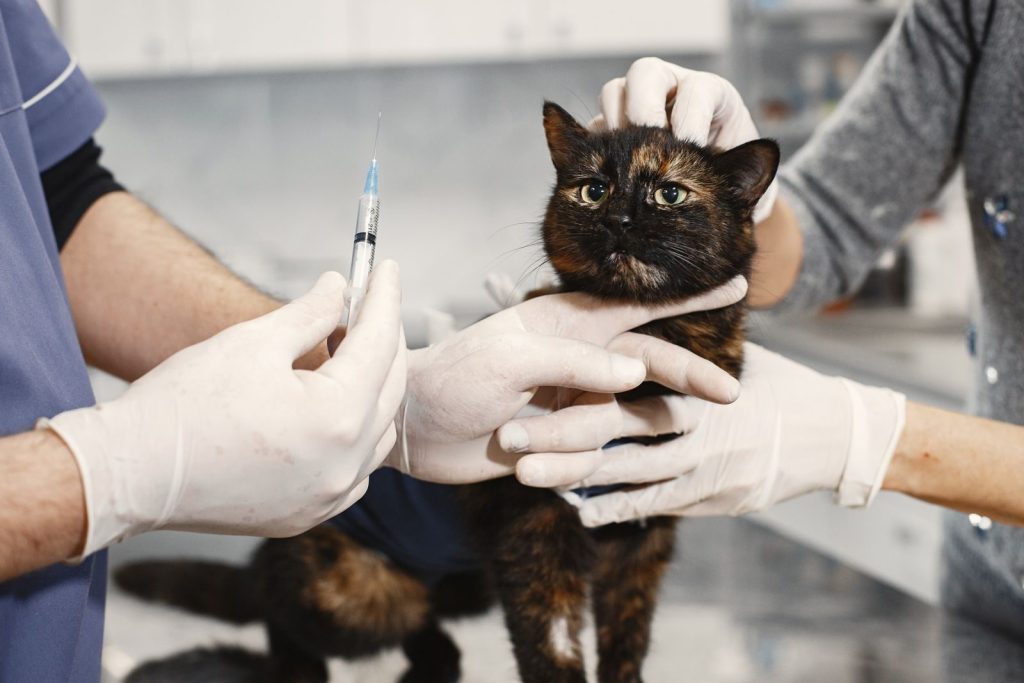
Once the cat is calm, schedule a veterinary visit to check for parasites and get essential vaccines. This step ensures your wild visitor is healthy and safe to be around. Socializing a feral feline takes immense patience and dedication. But the reward of turning a wild animal into a loving family member is unmatched. This article is for informational purposes only and does not constitute veterinary advice.