
We often view dogs and cats as natural enemies destined to fight. However, an incredible shift occurs when a canine steps in to help raise tiny, vulnerable kittens.
This unusual relationship goes far beyond cute social media videos. It reveals deep biological secrets about animal parental instincts and pack behavior.
The mystery of interspecies parenting
Dogs are pack animals with deeply ingrained social instincts. When a female cat has kittens, a resident dog often feels a strong urge to protect the new pack members. According to research from the College of Veterinary Medicine at Cornell University, dogs can experience hormone shifts when exposed to infant animals. This reaction triggers a nurturing response that overrides their hunting drive. But this protective urge presents unique challenges.
Understanding the canine protective instinct
A large dog will often position itself as a barrier between the kittens and potential dangers. They will stand guard by the nesting box, watching every visitor with intense focus. This defensive behavior helps the mother cat rest, knowing her babies are secure. The dog essentially becomes a nanny, providing a safe bubble for the feline family. However, this giant protector must learn to control its strength.
Learning to use a gentle touch
Kittens are incredibly fragile during their first few weeks of life. A giant canine paw could easily injure them by accident. Amazingly, dogs show incredible spatial awareness and soften their movements around the babies. They will gently nudge them with a wet nose or lie completely still to let them crawl over their fur. But physical safety is not the only lesson these kittens learn.
Social benefits of early canine exposure
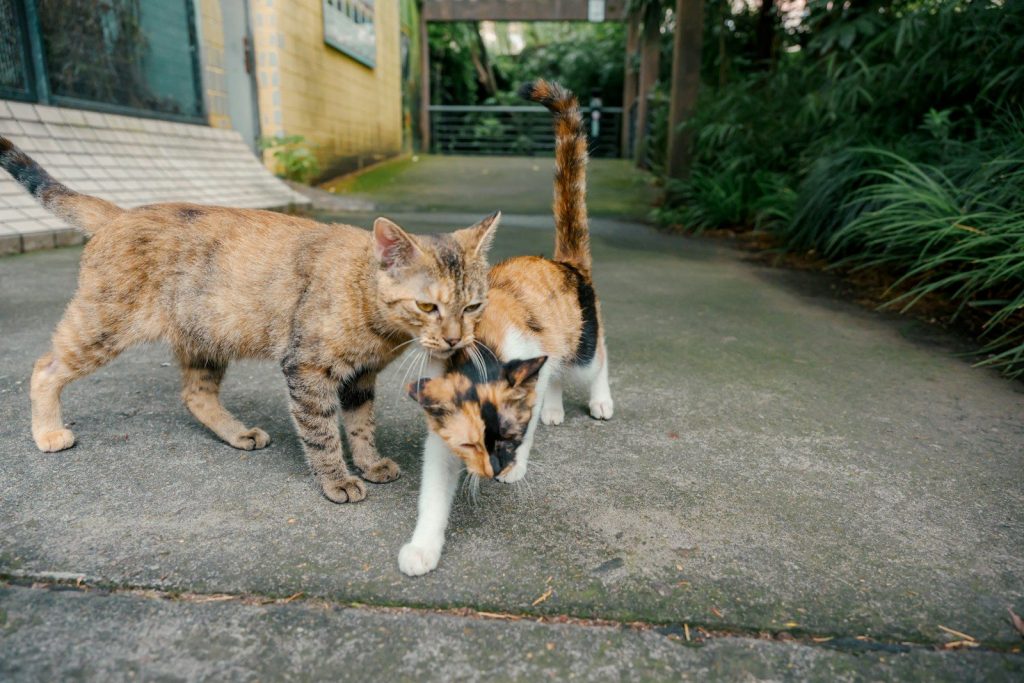
Young felines raised around a friendly dog grow up without the typical fear of canines. They learn to interpret dog body language, such as tail wags and playful bows. This early socialization makes them highly adaptable pets that can easily transition into multi-pet homes later in life. They become confident, outgoing companions. Yet, the mother cat still holds the ultimate authority in this household.
The mother cat sets the rules

Even the most obsessed dog must respect the feline mother. Queens are highly protective and will use sharp swipes to establish clear boundaries if the dog gets too close. A well-behaved dog will immediately back away, showing submission to the tiny mother. This delicate balance of power ensures the kittens remain safe while the dog remains involved. But what happens as the kittens grow more active?
Playtime becomes a giant adventure
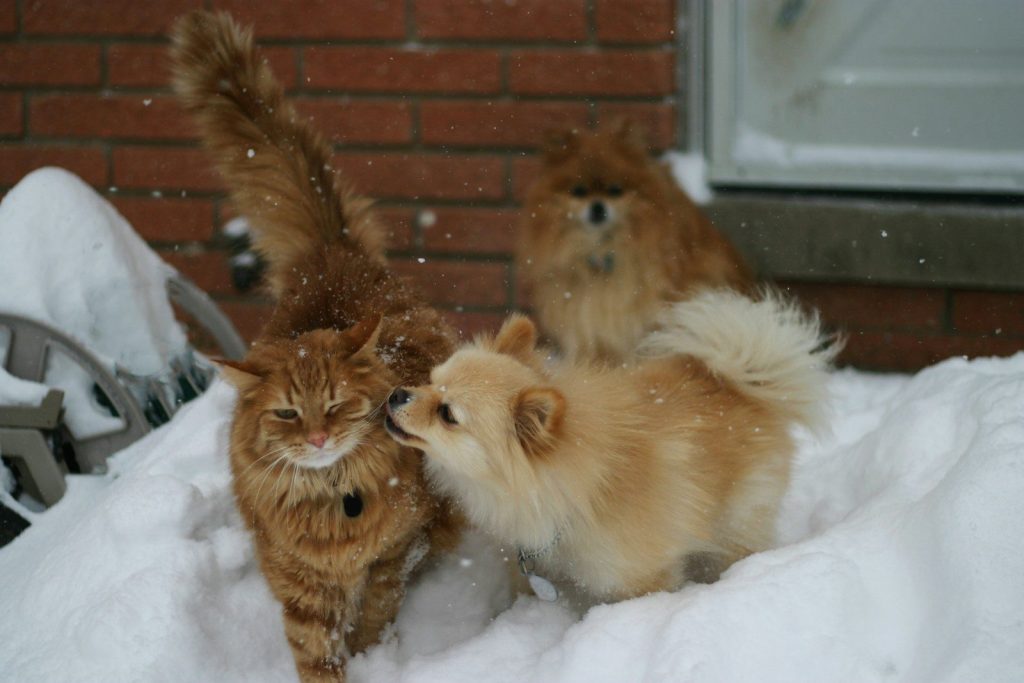
Once kittens reach six weeks, they turn into fearless explorers. They view their canine sibling as a massive, warm playground. They will ambush the dog’s wagging tail and wrestle with its giant ears. The patient dog will simply lie there, enjoying the gentle chaos of its adoptive family. This interactive play builds coordination and strength. Still, owners must take active steps to supervise these sessions.
Steps for managing safe interactions
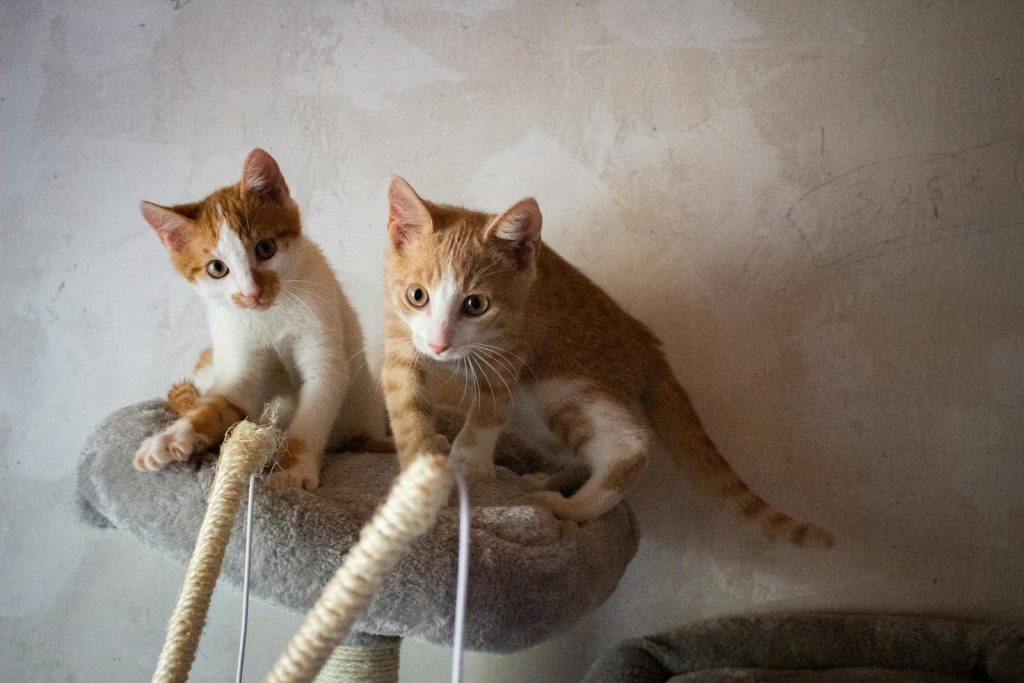
Owners should always supervise interactions between dogs and kittens. Create elevated safe zones where the kittens can escape if the dog gets too excited. Use positive reinforcement to reward your dog for calm, quiet behavior around the nest. This proactive training ensures the environment remains peaceful and positive for everyone. When done correctly, this beautiful arrangement yields a remarkable outcome.
A lasting bond of family trust
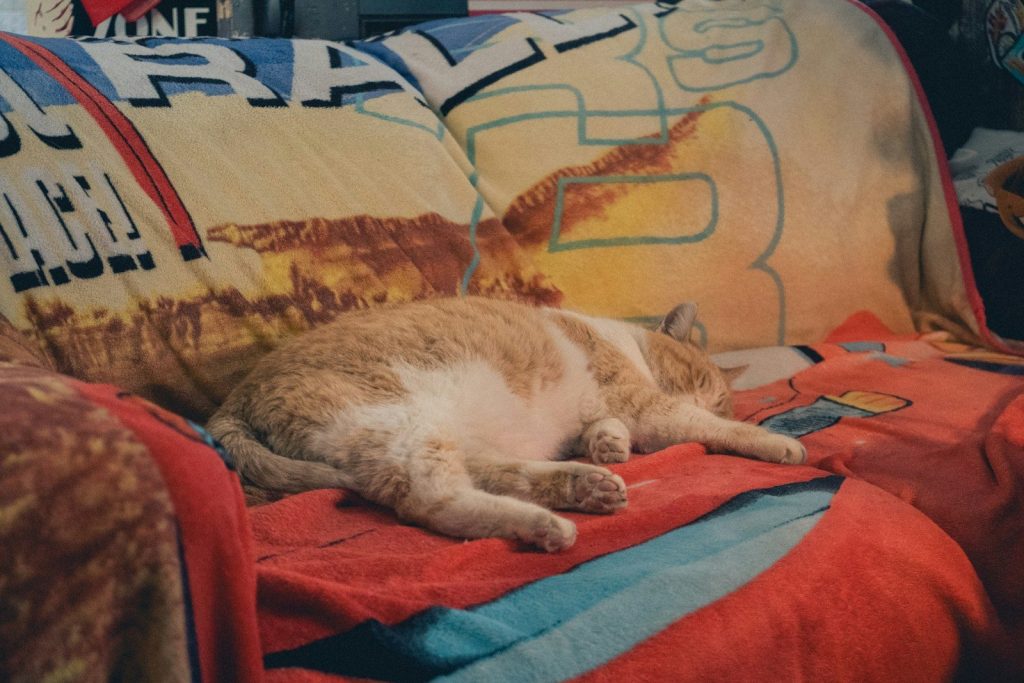
The unique bond formed during these early weeks lasts a lifetime. These kittens grow into brave adults that share a special language with their canine brother. They will sleep together, groom each other, and defend their shared home. This heartwarming relationship proves that family is defined by love rather than species.
Featured Image: Photo by Francesco Ungaro on Pexels