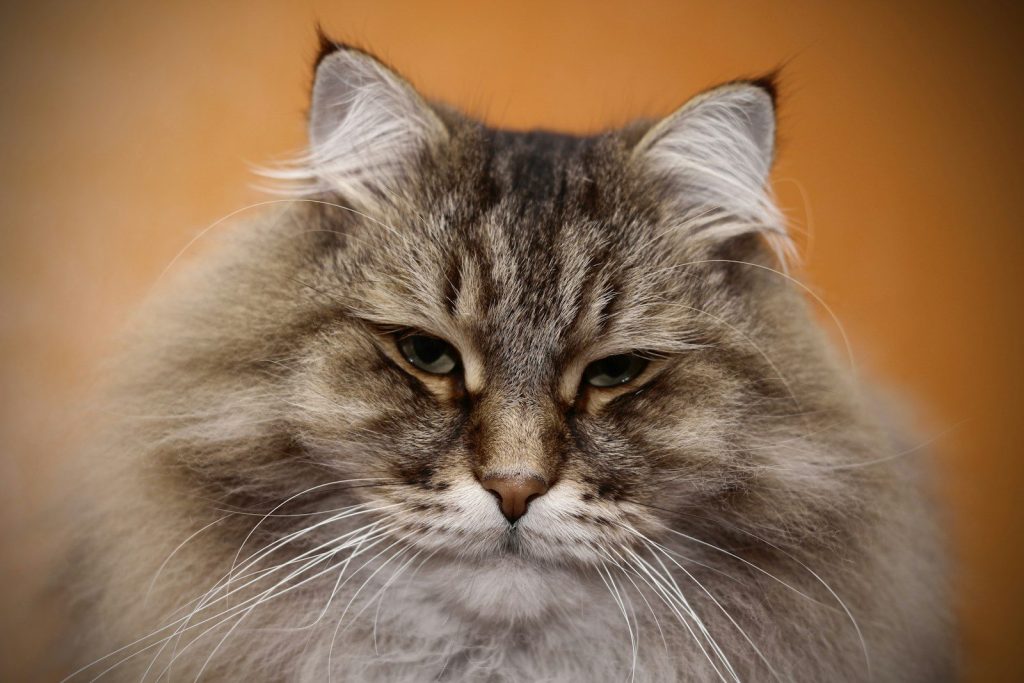

Imagine walking into a dim room and seeing a massive creature staring back at you. It has wild tufted ears and a fierce, regal gaze. Your heart stops for a second. You think you just stumbled upon a bobcat indoors.
This is a daily reality for owners of the Maine Coon. These gentle giants are famous for shocking visitors and home service workers alike. But what makes this domestic breed grow to such intimidating, prehistoric proportions?
The shocking reality of their size
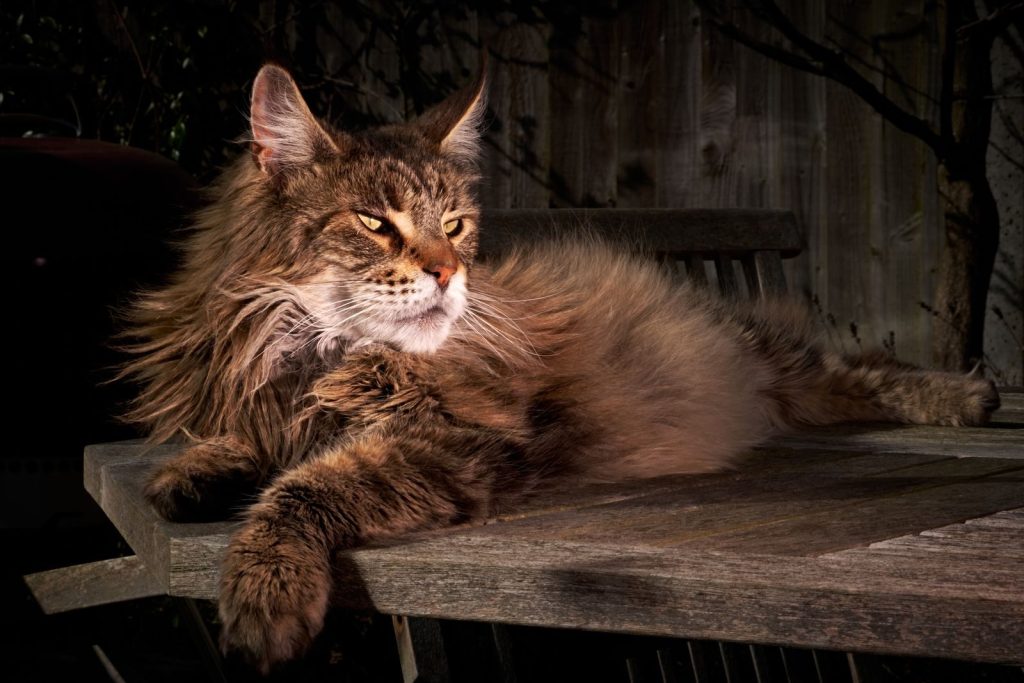
A typical domestic cat weighs around ten pounds. In contrast, a male Maine Coon can easily reach twenty-five pounds. Their bodies can stretch up to forty inches in length. This sheer mass makes them look more like wild predators than house pets. When they stand on their hind legs, they can reach kitchen countertops. A unique history drives this incredible growth.
Rugged survivors of the cold north
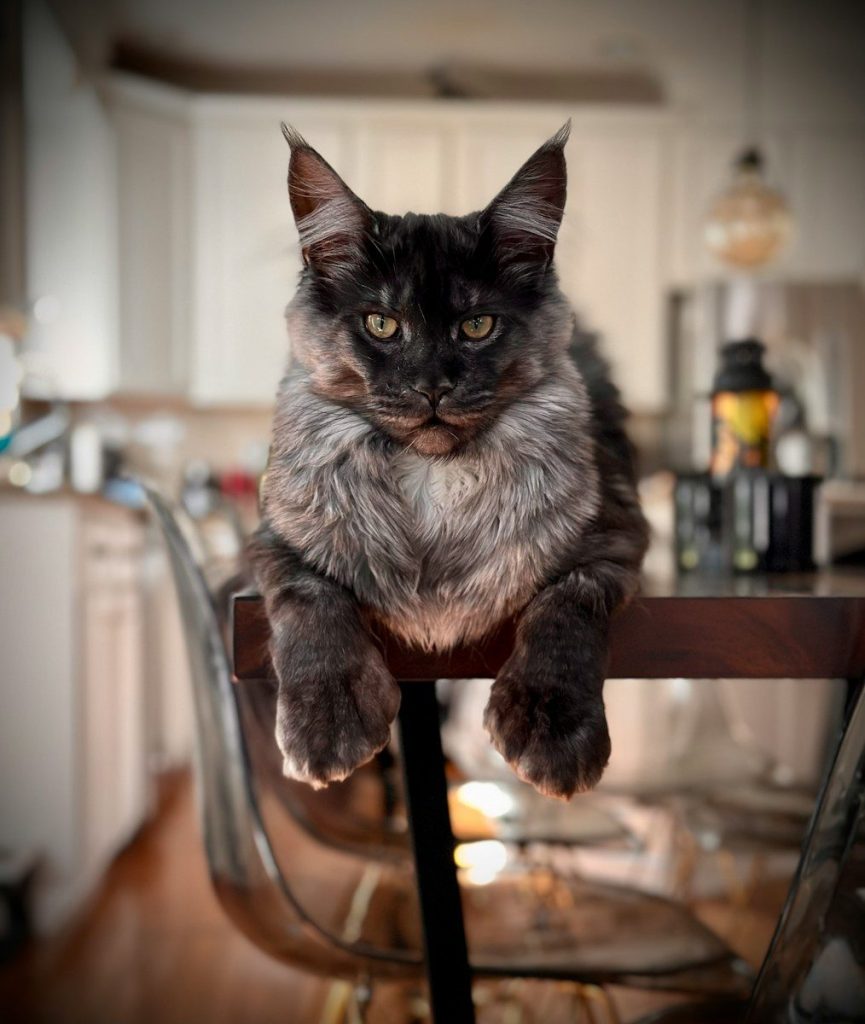
These cats did not develop their size in cozy living rooms. They originated in New England, where they had to survive brutal winters. Natural selection favored larger, muscular cats with thick, water-resistant coats. Their giant, tufted paws act like natural snowshoes to help them walk across deep drifts. Every single physical feature served a survival purpose. But their history holds even wilder myths.
Separating historical myths from science
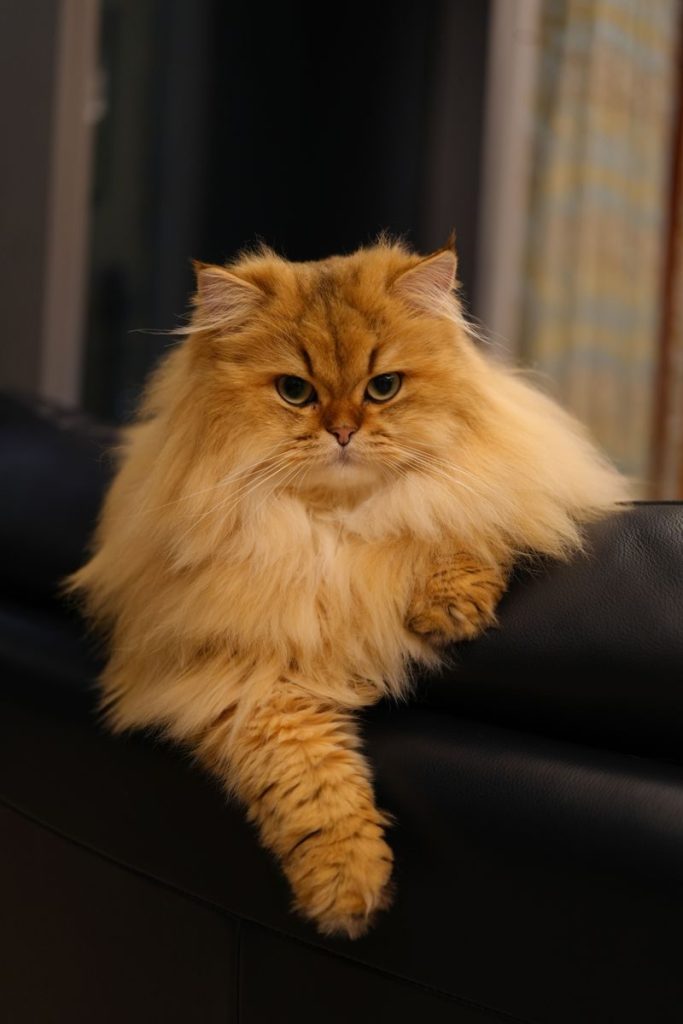
An old myth suggests these cats are a cross between a domestic feline and a raccoon. While scientifically impossible, their bushy tails make the legend easy to believe. Genetic studies show they actually share roots with ancient European ship cats. These seafaring companions kept rodent populations under control during long voyages. But their wild looks hide an incredibly sweet secret.
The gentle soul behind the fierce look
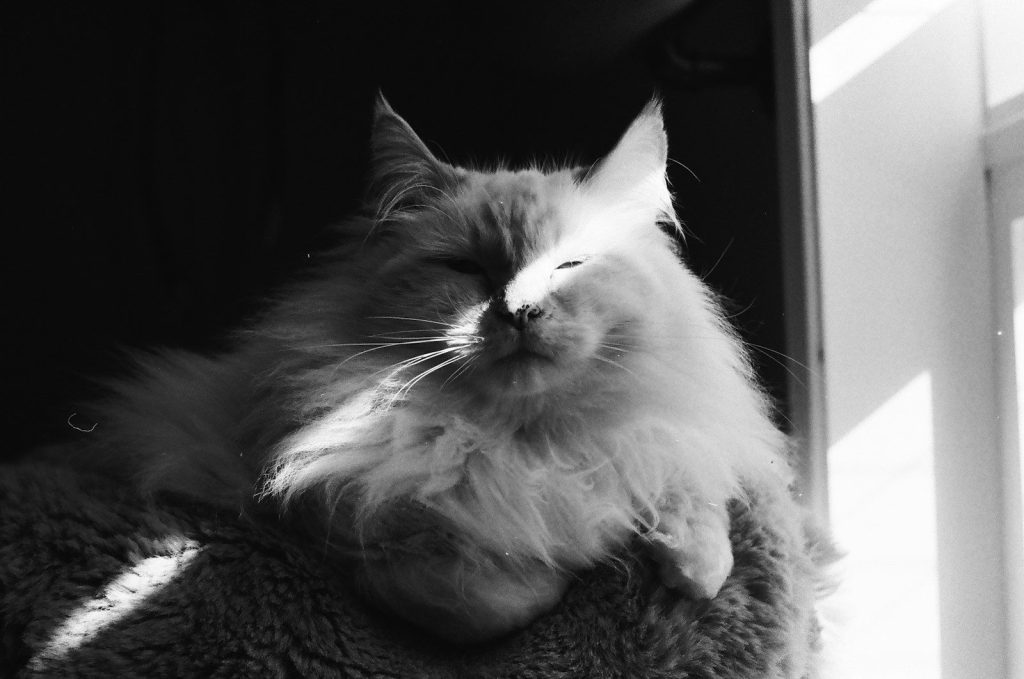
Despite their intimidating size, people often call Maine Coons the gentle giants of the cat world. They rarely hiss or scratch. Instead, they communicate using tiny, high-pitched trills and chirps that contrast hilariously with their massive bodies. They love being close to their humans without being overly demanding. However, their unique size requires special household adjustments.
Re-engineering your home for a giant
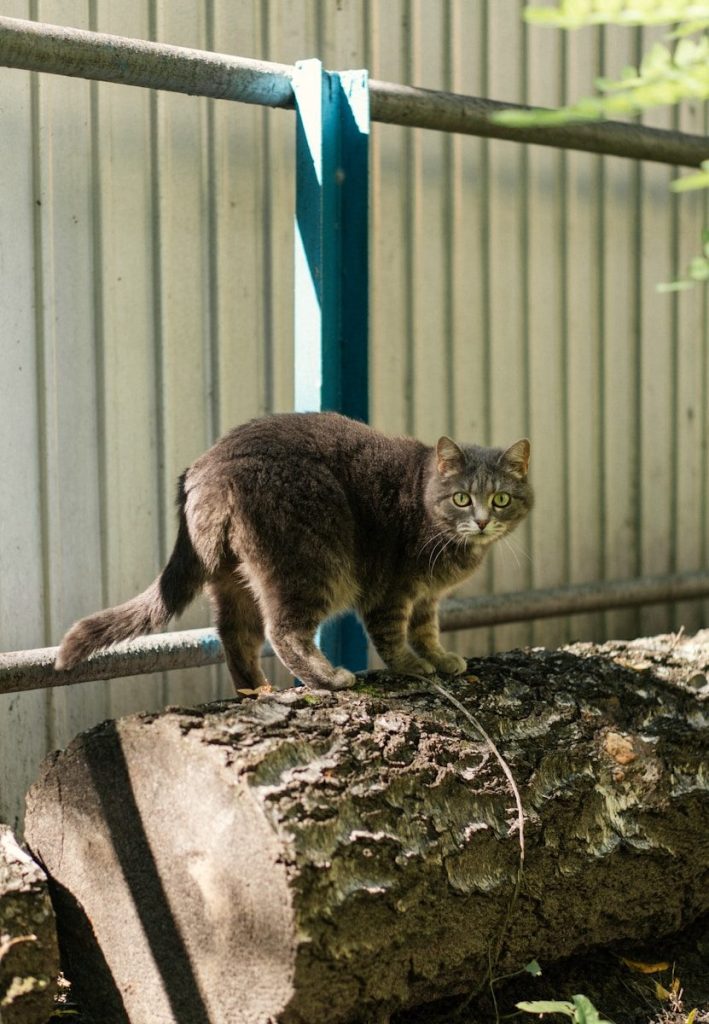
Living with a giant cat means standard pet supplies will not work. Standard litter boxes are too small, forcing owners to buy heavy-duty plastic storage bins instead. Traditional cat trees will snap under their weight. Owners must invest in reinforced wood structures that can handle a leaping twenty-pound predator. These physical demands are not the only surprise.
The high cost of keeping them healthy
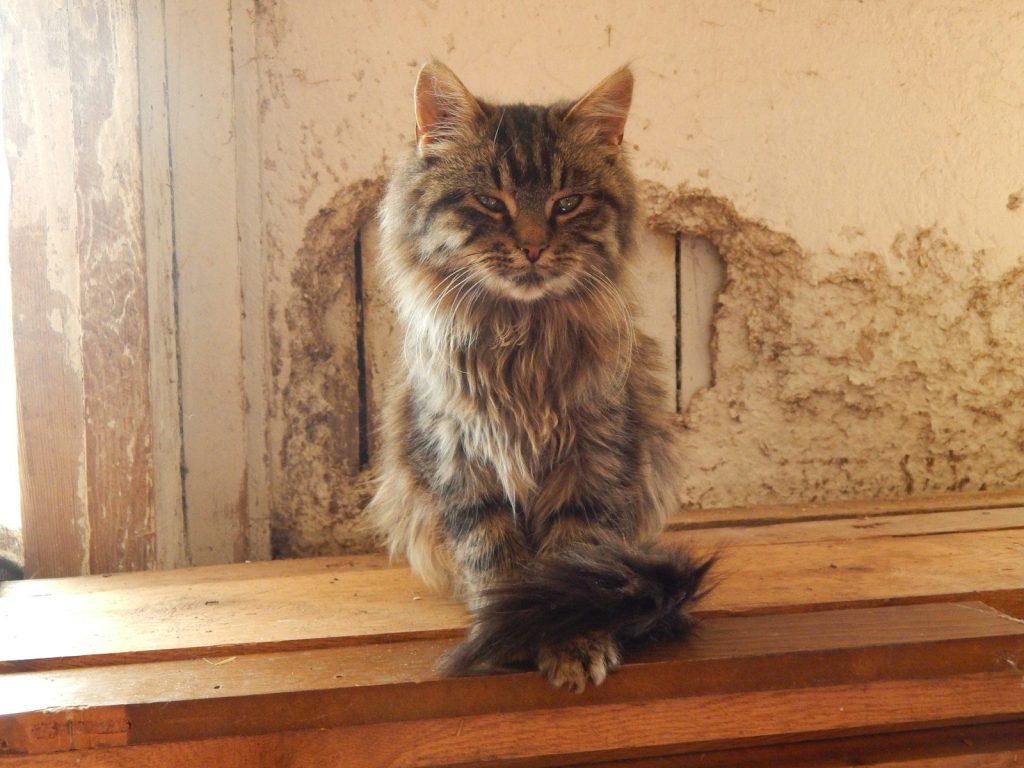
According to the veterinary journal of feline medicine, their large skeletal frame makes them prone to hip issues. Joint supplements are a necessity from an early age. They also consume twice as much food as a standard house cat. Maintaining their majestic coats requires daily grooming sessions to prevent painful matting. But is the effort truly worth it?
Why owners never go back
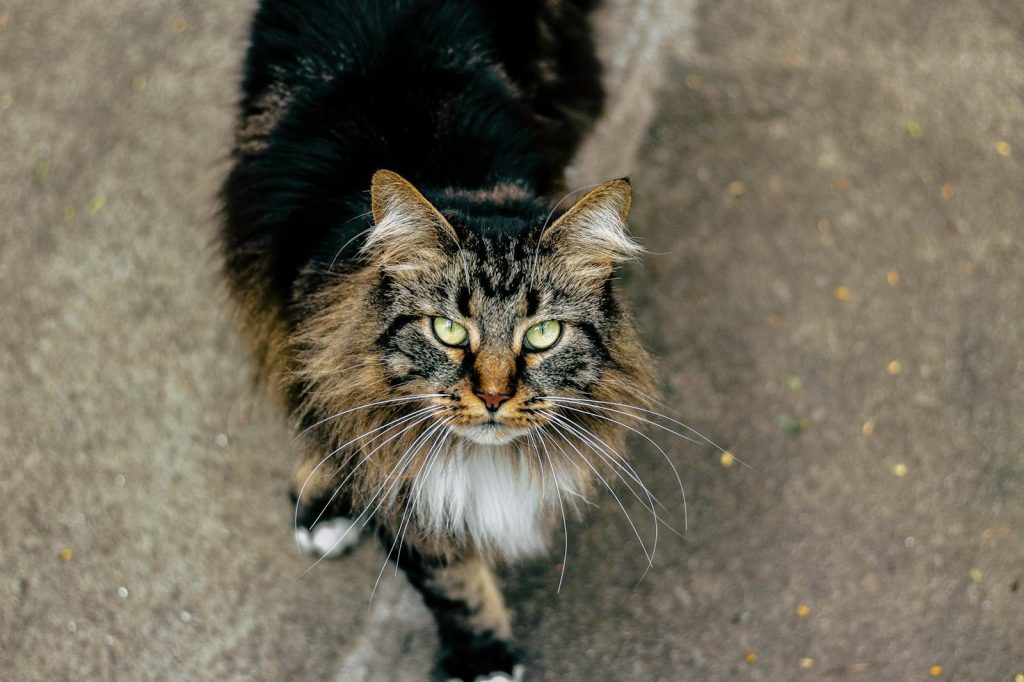
Ask any Maine Coon owner, and they will tell you the same thing. The sheer joy of having a dog-like companion in a cat’s body is unmatched. They will follow you from room to room, greeting you at the door. Their loyalty is legendary, making them the ultimate family pet. But how do you prepare for the surprise?
Welcoming a giant into your life
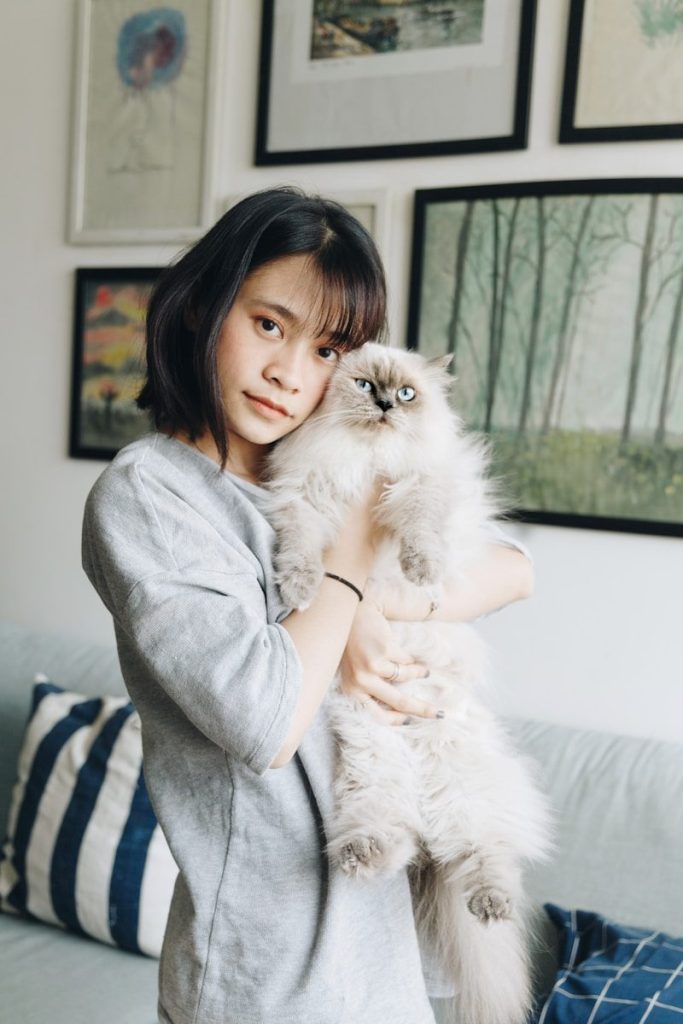
If you decide to adopt one, prepare for endless questions from startled house guests. Make sure you have the space and the budget for their needs. Welcoming one of these majestic creatures into your home is a major commitment. But in return, you get a lifetime of massive cuddles and unforgettable charm.
Featured Image: Photo by Pavel Lukovic on Unsplash