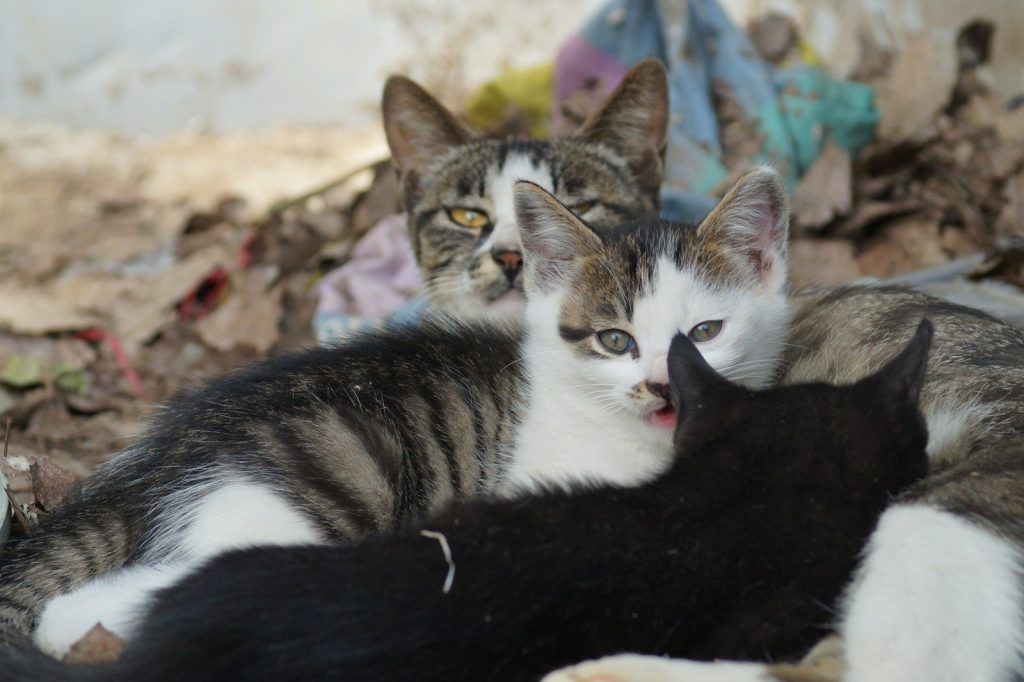

You think parenting is hard for humans, but feline mothers face an intense daily challenge. Raising a highly active litter of kittens is exhausting.
A viral video of a tired Maine Coon acting like a stressed tour guide has pet owners laughing worldwide. Science reveals why mother felines look so incredibly relatable during this hectic phase.
The intense physical demands of nursing
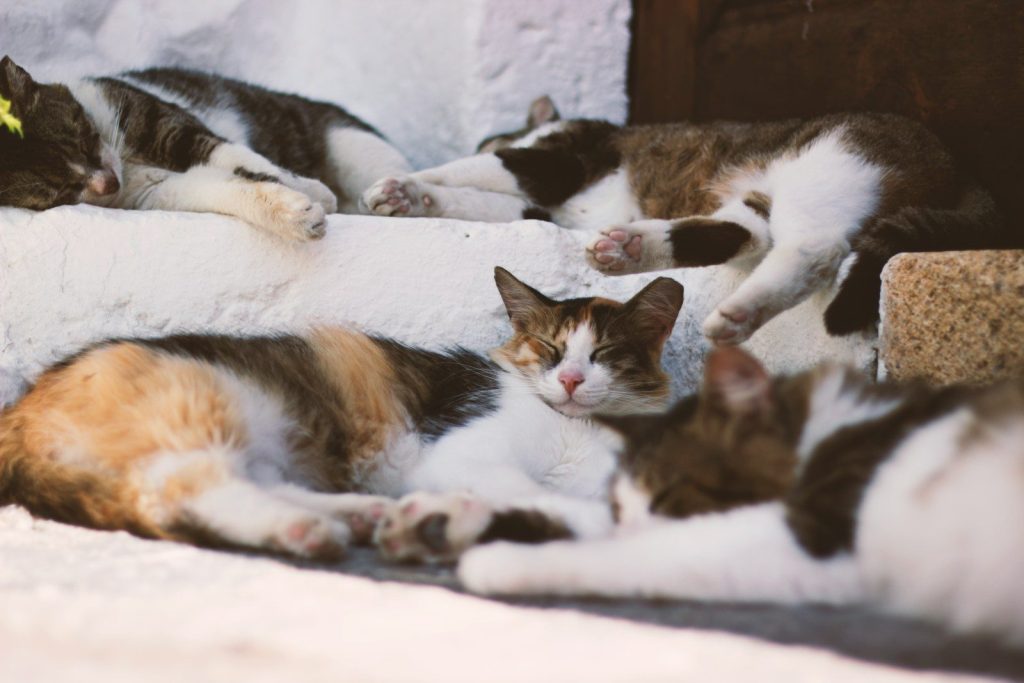
Feeding a litter of five or six hungry felines requires an immense amount of physical energy. A mother cat must consume up to four times her normal calories to produce enough milk. According to the Cornell Feline Health Center, nursing can drain her calcium reserves rapidly. This metabolic strain leaves her feeling constantly tired. But keeping her babies fed is only the first daily hurdle.
Managing the chaotic play hours
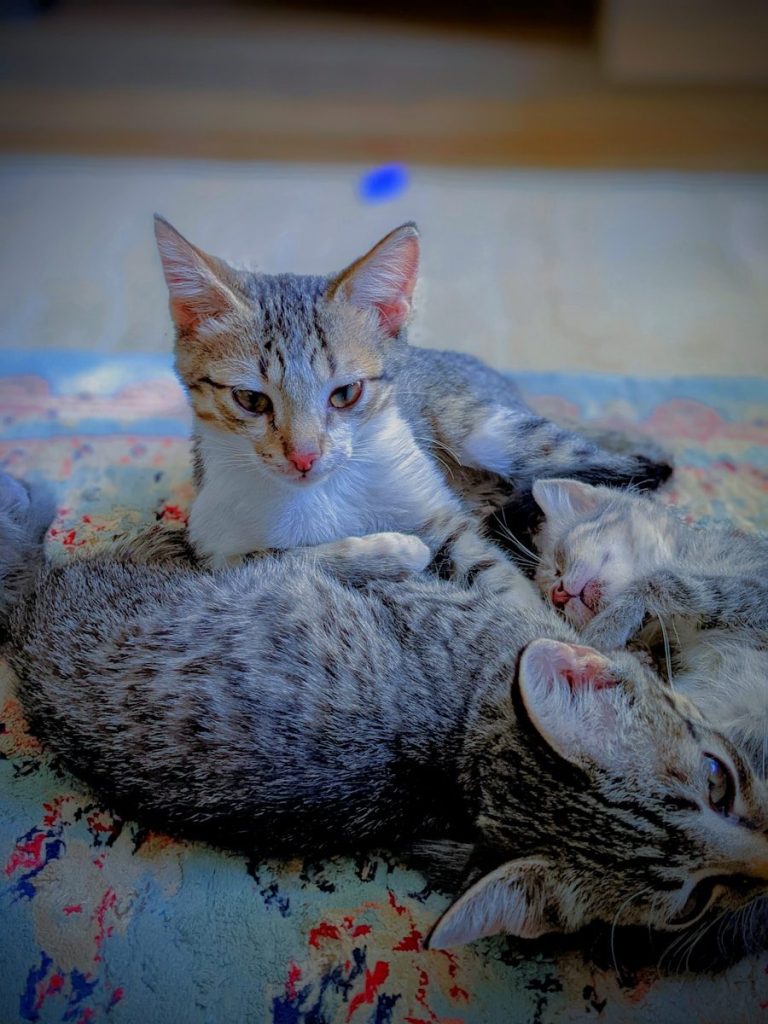
Once kittens reach four weeks of age, their eyes open and their adventurous spirits explode. They treat their mother’s tail, ears, and back as a personal playground. She must constantly monitor their movements to prevent them from falling off furniture. This constant vigilance mimics the survival behavior of wild felines. But some kittens are much bolder than others.
The viral tour guide behavior is explained
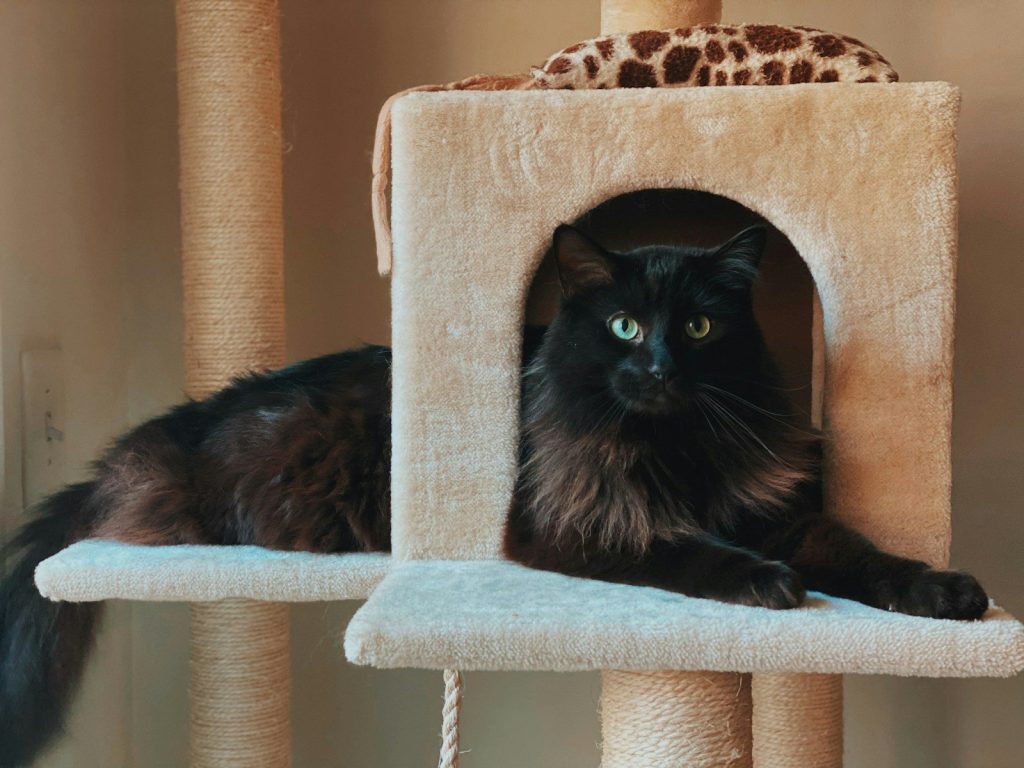
A popular video captured a giant Maine Coon walking around her room while her kittens followed in a messy line. She kept looking back to count her babies. Feline behaviorists note that mother cats use specific chirps to keep their litter close. It looks like a chaotic tour group navigating a busy city. But her job gets even harder when they try to escape.
Setting firm boundaries for growing babies
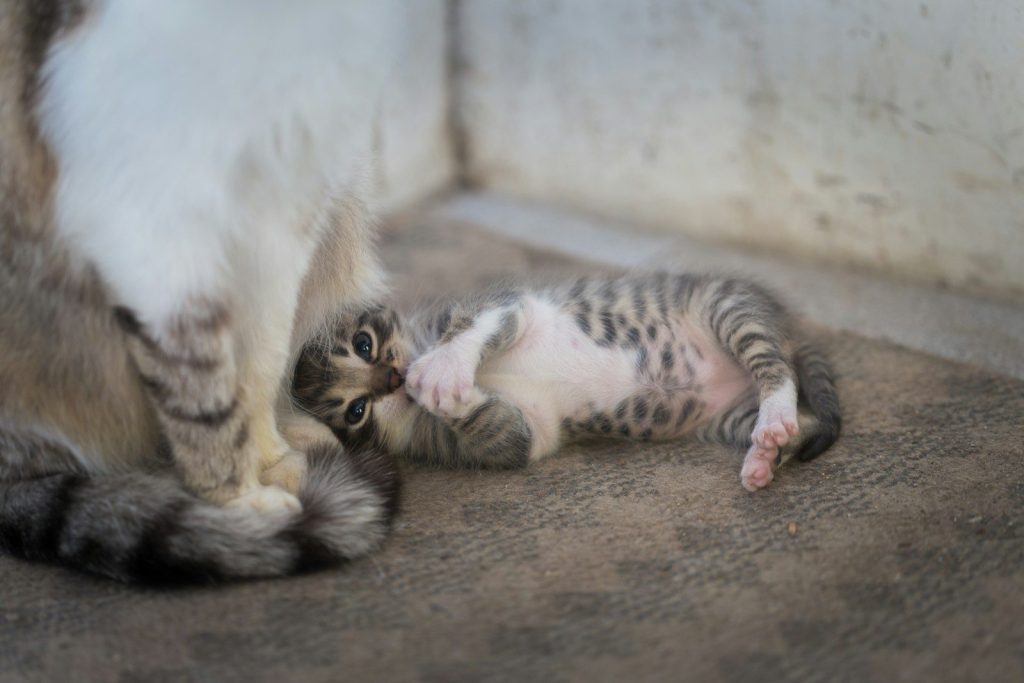
When kittens get too rough, the mother must teach them boundaries. She will use a gentle paw swipe or a soft growl to stop bad behavior. This early training teaches the felines how to interact safely with other animals. Dr. Pam Johnson-Bennett notes that this maternal education prevents future behavioral issues. Yet some stubborn felines refuse to listen.
The exhausting task of grooming everyone
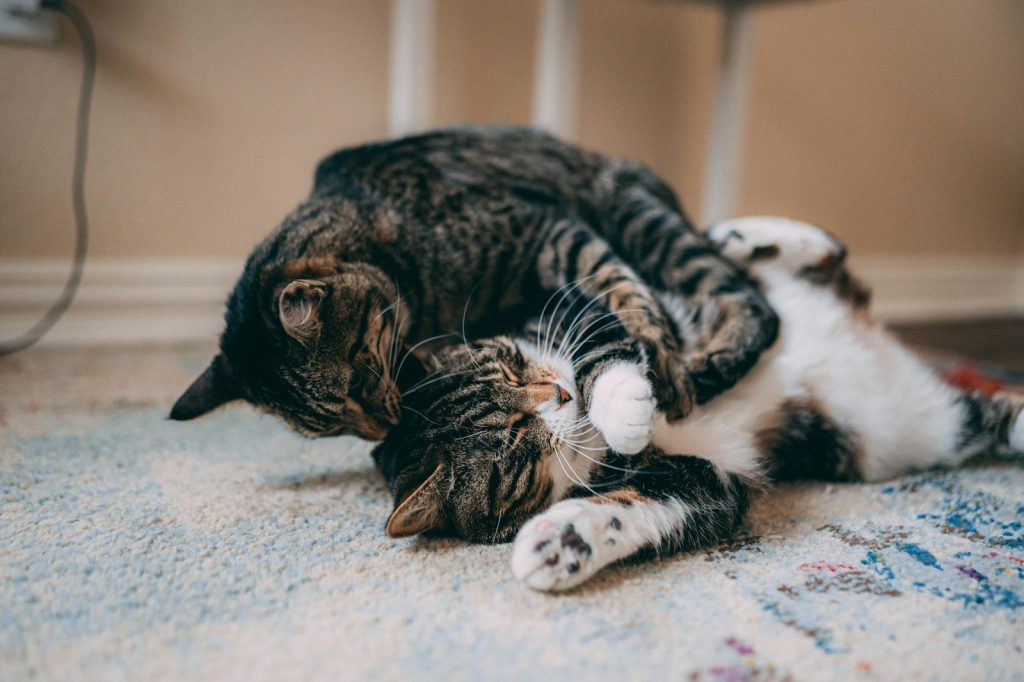
Kittens cannot keep themselves clean during their first month of life. The mother must lick each baby continuously to stimulate digestion and remove dirt. This massive grooming task takes up hours of her day. It helps build a secure family scent that keeps the nest safe from rivals. But she also needs a quiet break sometimes.
How owners can support tired mothers
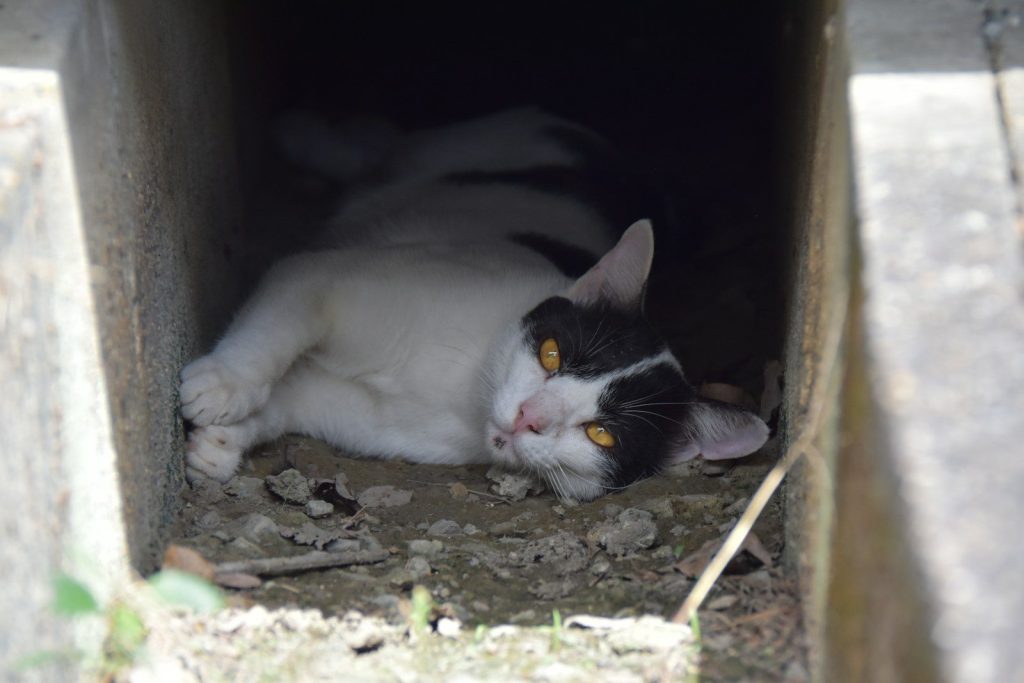
Pet parents can help by providing a quiet sanctuary away from household noise. Offering high-quality kitten food to the mother gives her the extra energy she needs. Keep the nesting area dark and warm to reduce her parental anxiety. This article is for informational purposes only and does not constitute veterinary advice. But what happens when the kittens finally grow up?
A proud mother resting at last
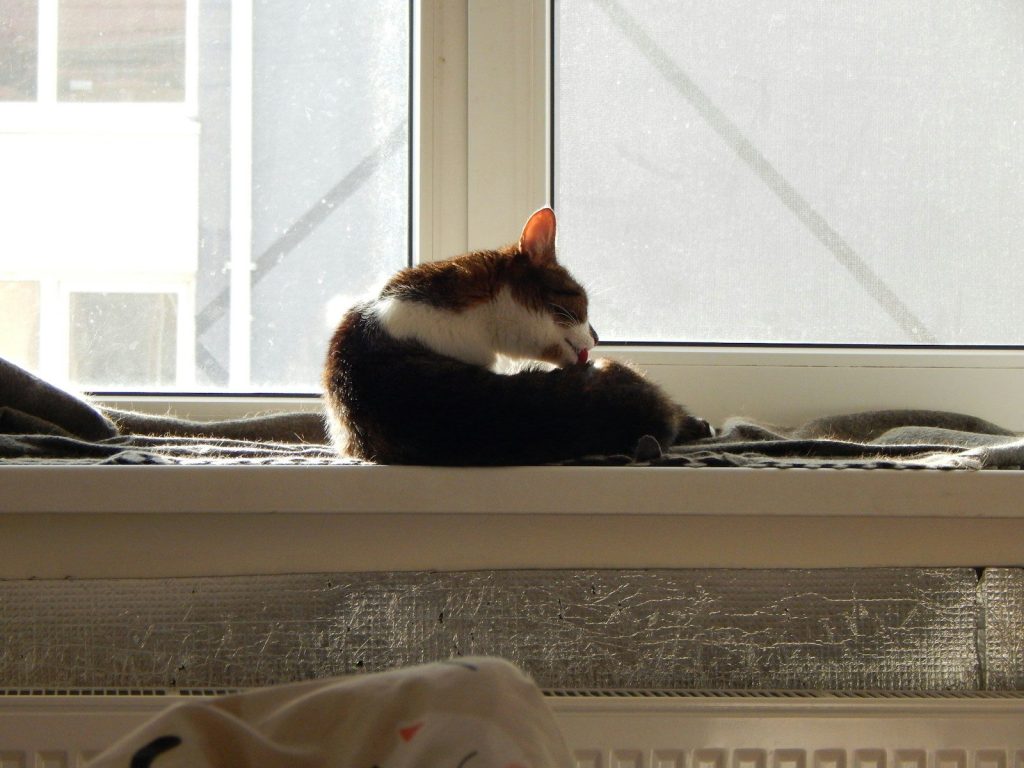
Eventually, the kittens grow independent and find their own cozy corners in your home. The exhausted mother can finally reclaim her favorite sunny window spot for a long, uninterrupted nap. She has completed her grand parental mission successfully. Your patient care helps these dedicated mothers raise the next generation of happy, healthy house pets.