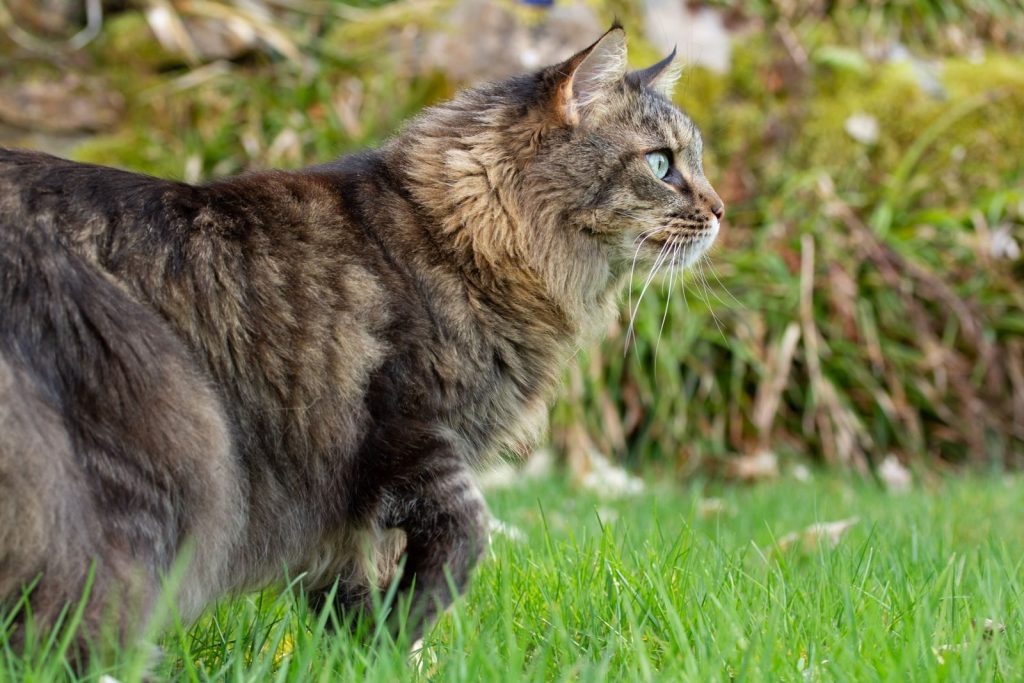

You watch a massive feline step onto the green grass of your backyard. His thick mane blows in the wind like a wild lion.
This is a Maine Coon exploring his territory. While they look like royalty, managing these large cats outdoors requires specific training methods to keep them safe.
Understanding their intense territorial drive
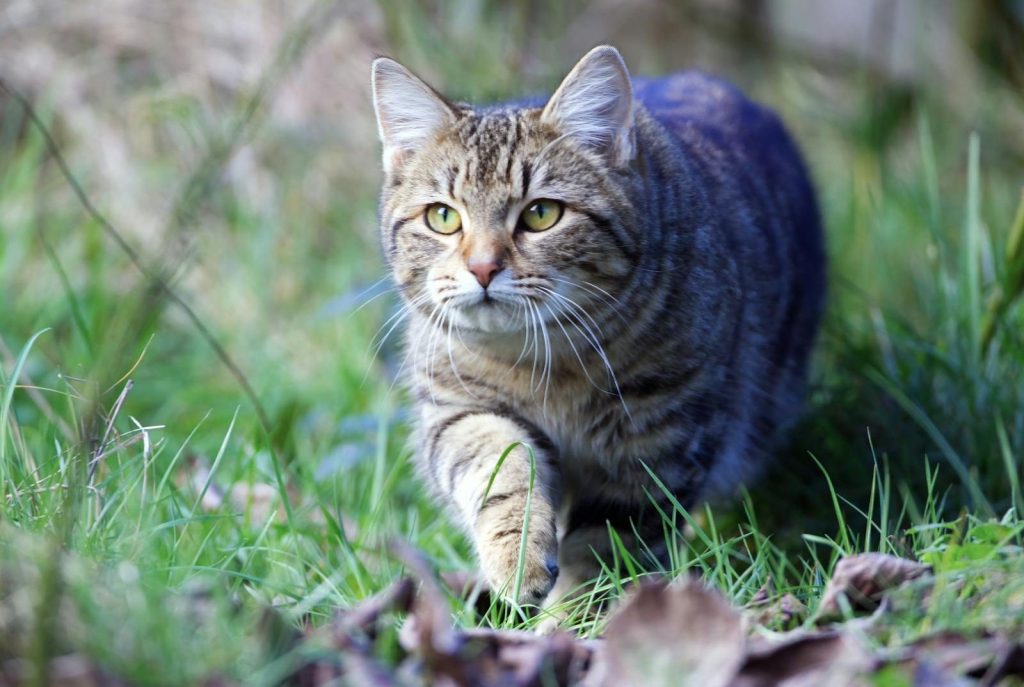
Most domestic felines patrol their living space, but giant breeds require much larger boundaries to feel satisfied. Maine Coons are natural hunters with an incredible desire to track birds and small rodents. According to feline behaviorists, their large size makes them highly confident explorers. This confidence can easily lead them into dangerous situations if left unmanaged. You must learn how to channel this natural outdoor drive safely.
Training your giant to wear a harness
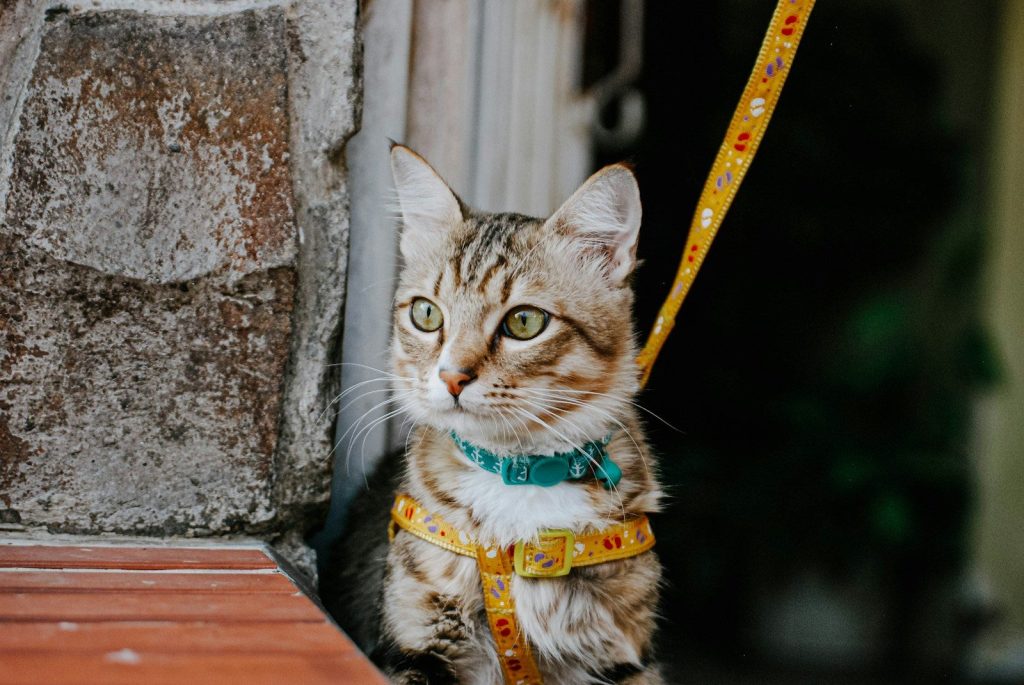
Do not let a heavy cat roam freely without a leash in your neighborhood. Start harness training indoors using a wide vest designed for small dogs to accommodate their large frames. Reward your pet with high-value treats when they wear the harness without trying to escape. This positive association builds their confidence before they ever step outside. But the transition to grass requires patience.
Stepping onto the lawn for the first time
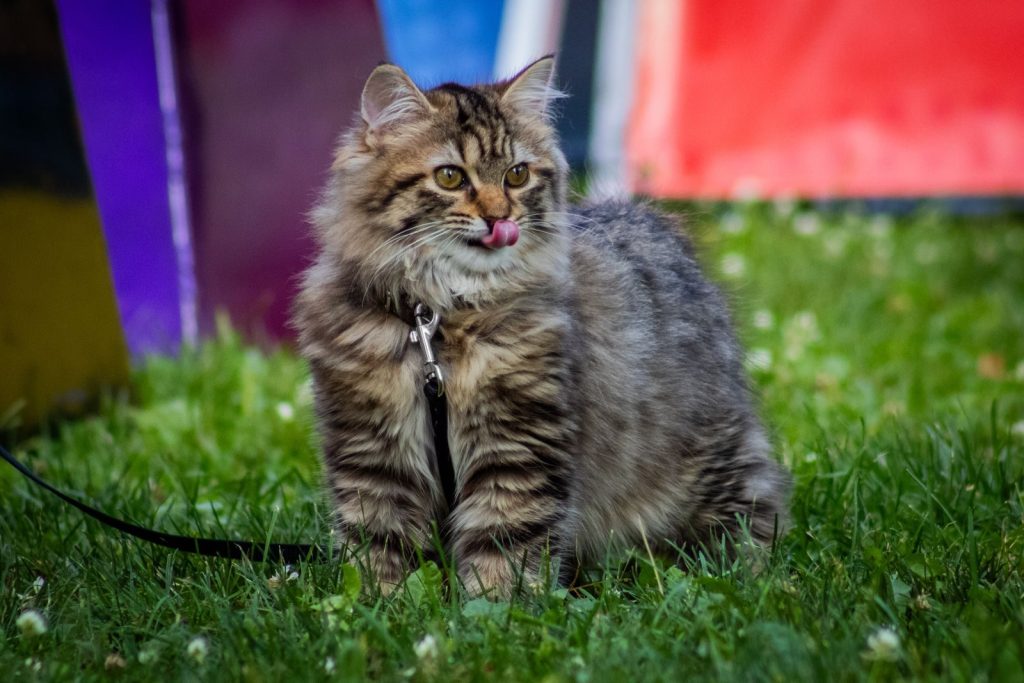
Keep your first outdoor training sessions under ten minutes to prevent sensory overload. Maine Coons have incredibly sensitive ears that can easily become overwhelmed by loud street noises or barking dogs. Let them set the pace and explore the yard at their own speed while you follow closely. This controlled exposure helps them build a positive mental map of the territory. But you must watch out for birds.
Managing their powerful hunting reflexes
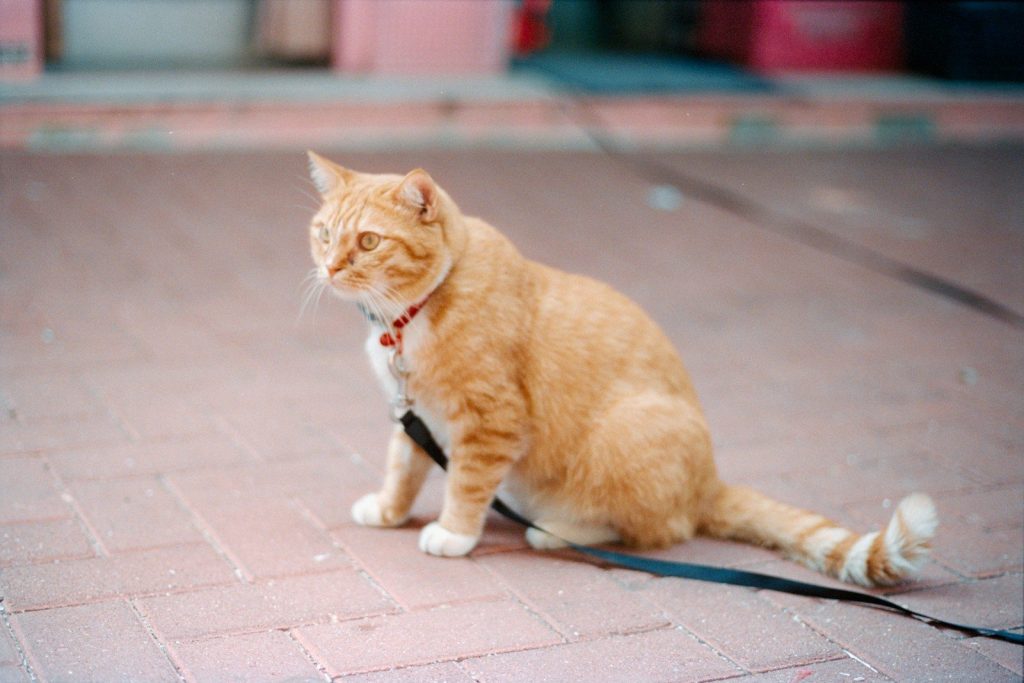
A giant cat possesses a highly developed drive to pounce on moving targets. If they pounce on a squirrel, they can pull on the leash with surprising force. Hold the handle firmly and use a low, calm voice to redirect their attention back to you. Dr. Pam Johnson-Bennett notes that using consistent verbal cues helps manage high excitement states outdoors. However, a secure outdoor enclosure offers an even better solution.
Building a safe backyard play palace
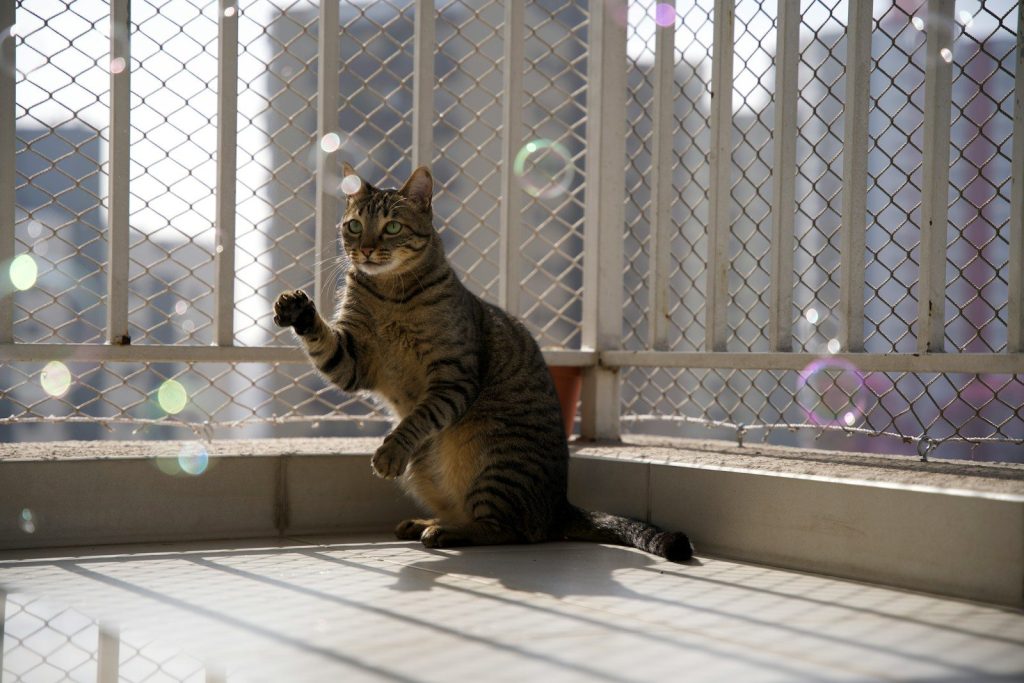
A custom outdoor cat patio is the ultimate way to satisfy their love for nature. Use heavy-duty wire mesh and solid wood frames that can handle their impressive weight during high jumps. Add multiple levels, scratching posts, and weather-resistant climbing platforms to keep them busy for hours. This safe sanctuary protects your giant while they enjoy fresh air. But you must protect them from parasites.
Preventing the threat of outdoor pests
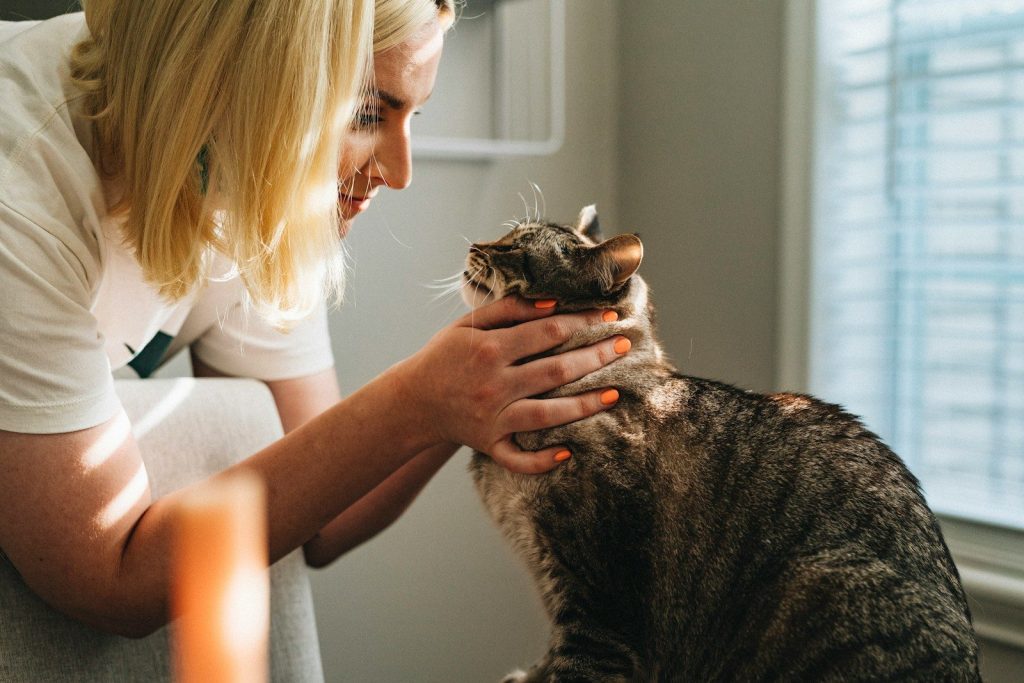
Grass and dirt harbor fleas, ticks, and microscopic worm eggs that can quickly infect your pet. Before allowing any outdoor visits, you must treat your cat with vet-approved preventative medications. The American Veterinary Medical Association warns that outdoor exposure significantly increases parasite risks for felines. Regular checkups keep their heavy bodies healthy and active. But what about their beautiful, thick coats?
Maintaining their majestic fur after walks
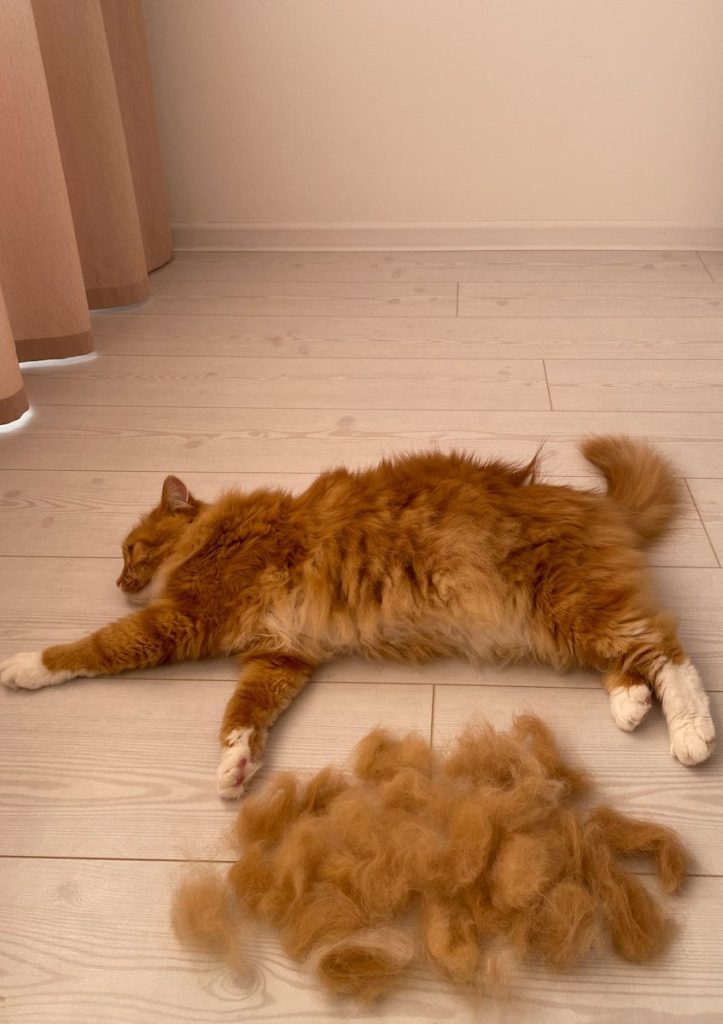
Outdoor play means your giant will bring home dirt, twigs, and sap trapped in their long double coats. Daily brushing is essential to prevent painful mats from forming behind their front legs and under their bellies. Use a high-quality slicker brush to remove loose undercoat fibers gently. This routine keeps their mane looking clean and royal. But what is the best daily routine?
Finding the perfect household balance
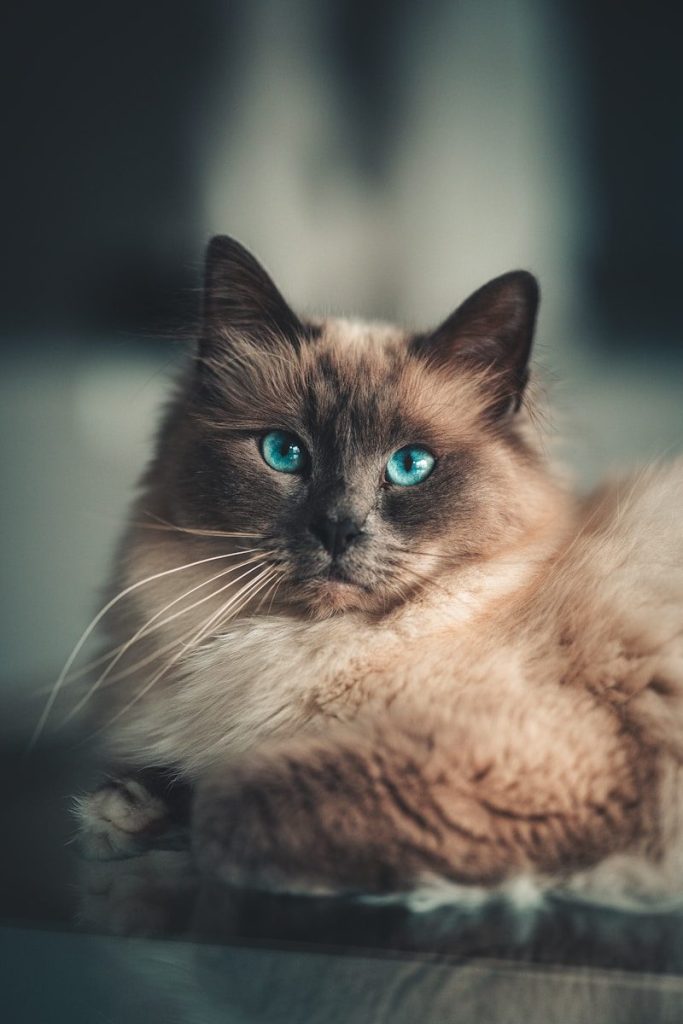
Combining structured harness walks with daily indoor play sessions keeps your majestic companion happy and fit. Your patient guidance helps this gentle giant satisfy his wild instincts while staying completely safe under your care. This article is for informational purposes only and does not constitute veterinary advice. Your loving efforts ensure your royal friend lives a beautiful, rich life by your side.
Featured Image: Photo by Lara Celine on Pexels