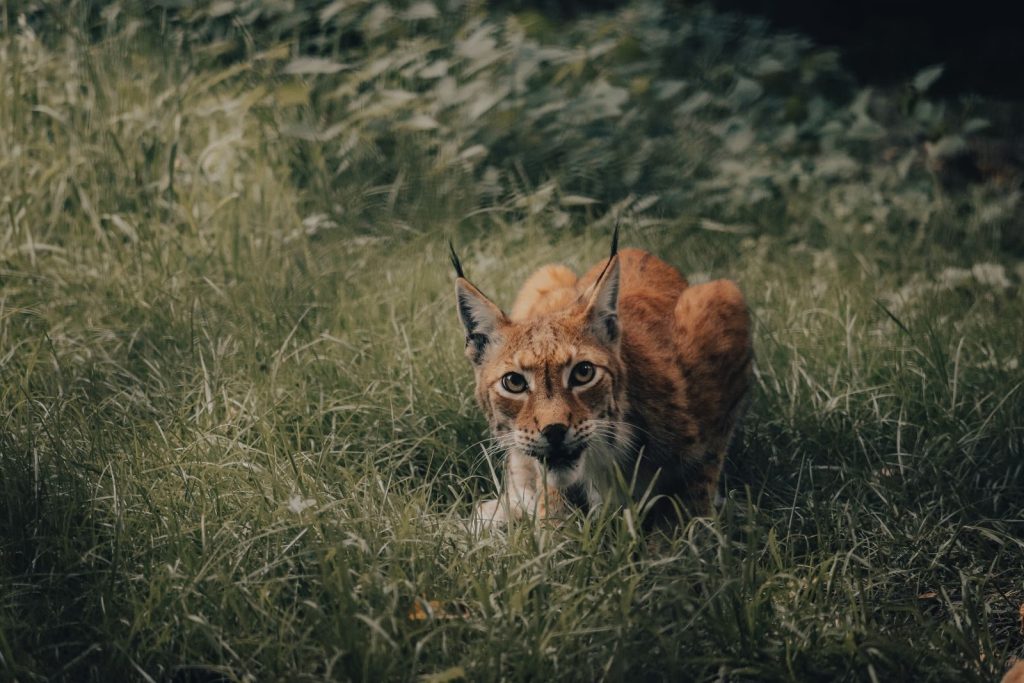

You look at wild felines and picture massive tigers or swift leopards roaming the savannas. But the natural world hides some incredibly small predators.
Several wild cat species are actually smaller than your average domestic house cat. These tiny hunters possess amazing survival skills that help them rule their environments.
The miniature hunter of the African savanna
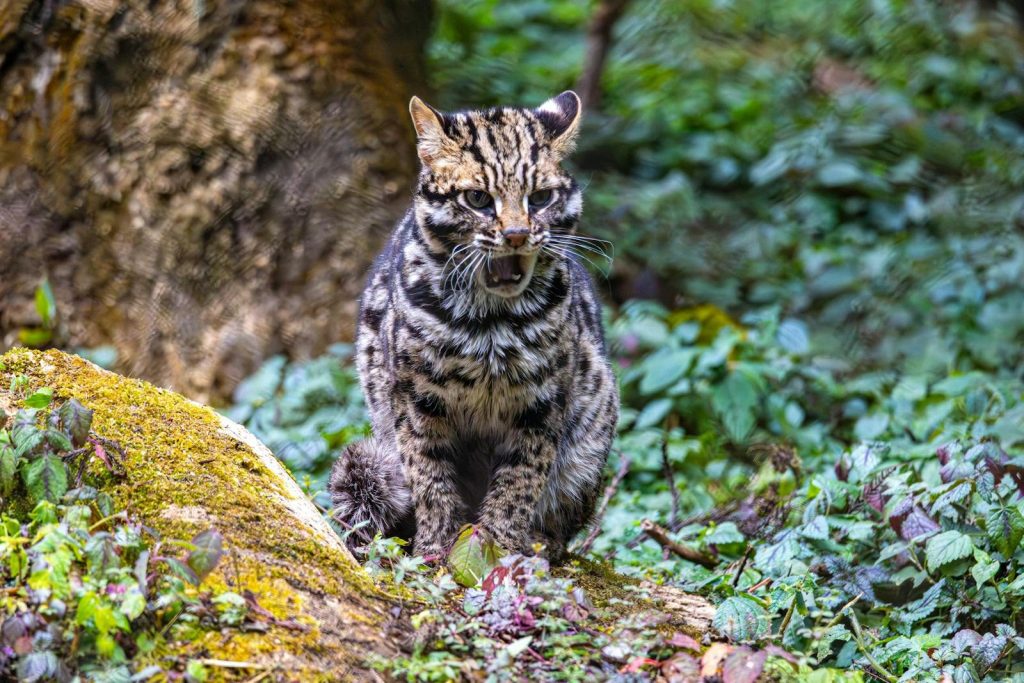
The black-footed cat holds the title of the smallest wild feline in Africa. Weighing just three pounds, this tiny predator looks like a harmless kitten. But do not let their cute appearance fool you. According to the International Union for Conservation of Nature, they are the most efficient hunters on earth. Their hunting success rate is a major shock.
A deadly sixty percent success rate
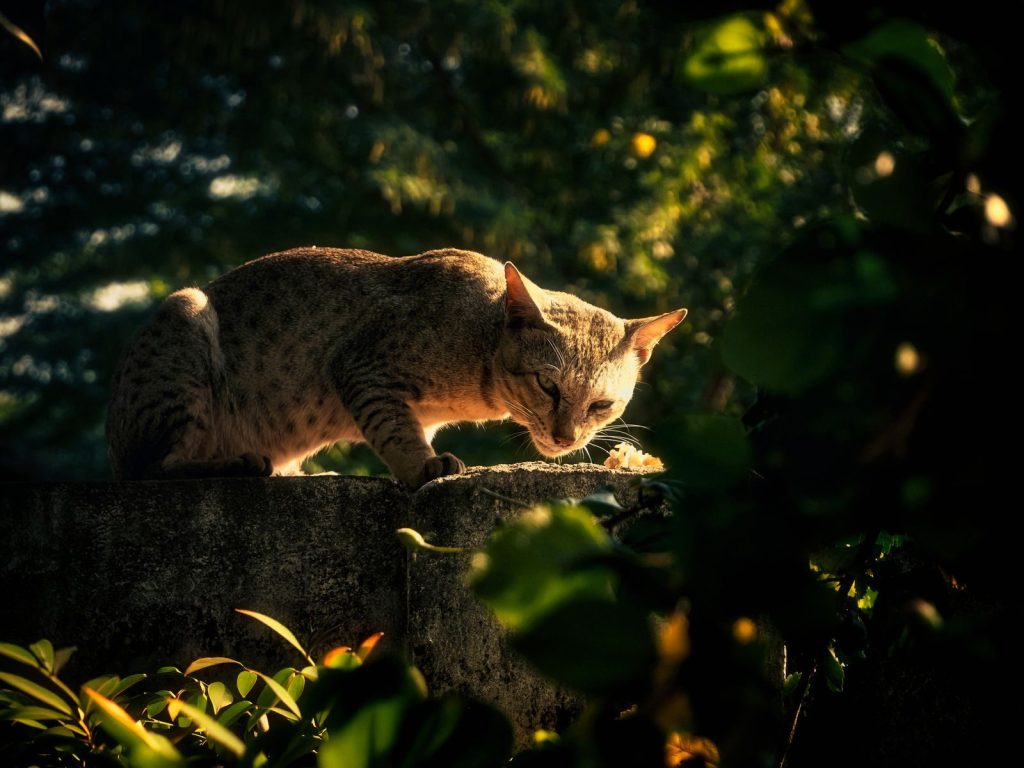
While lions only catch their prey twenty percent of the time, this tiny cat succeeds sixty percent of the time. They consume up to fourteen small rodents or birds every single night to fuel their high metabolism. Their endless energy keeps them moving constantly through the dark brush. But an Asian cousin is even smaller.
The rust-spotted wonder of India.
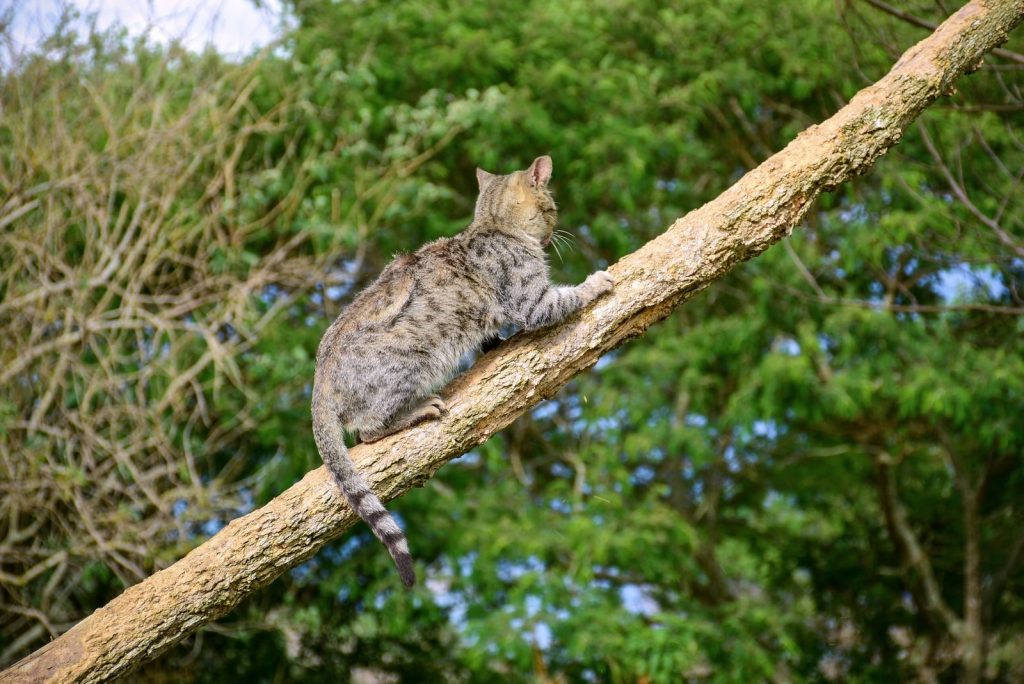
The rusty-spotted cat competes for the title of the world’s smallest feline. They weigh less than an average bag of sugar and can fit easily in your hand. These agile tree climbers rely on pristine forest canopies to hide from larger jungle predators. But their habitat is currently facing an invisible threat.
The fierce sand cat of the desert
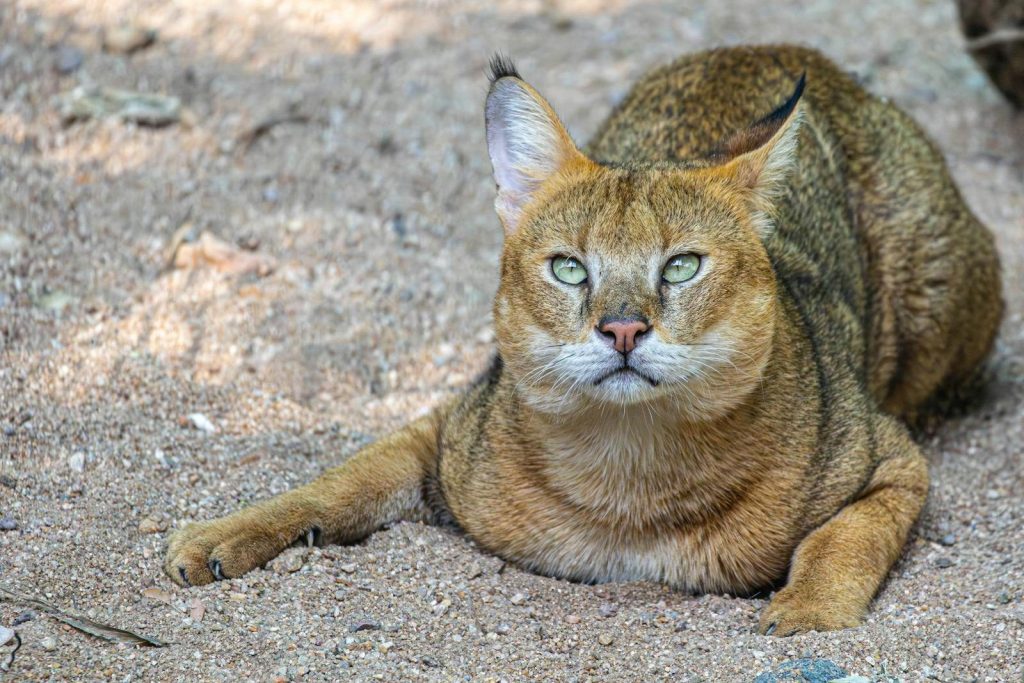
Sand cats are the only felines built specifically to survive in true desert heat. Their thick paw fur protects them from scorching hot sand as they track prey. They can survive for months without drinking a single drop of water, getting all their hydration from food. Still, their hunting methods require extreme stealth.
Living in deep underground burrows
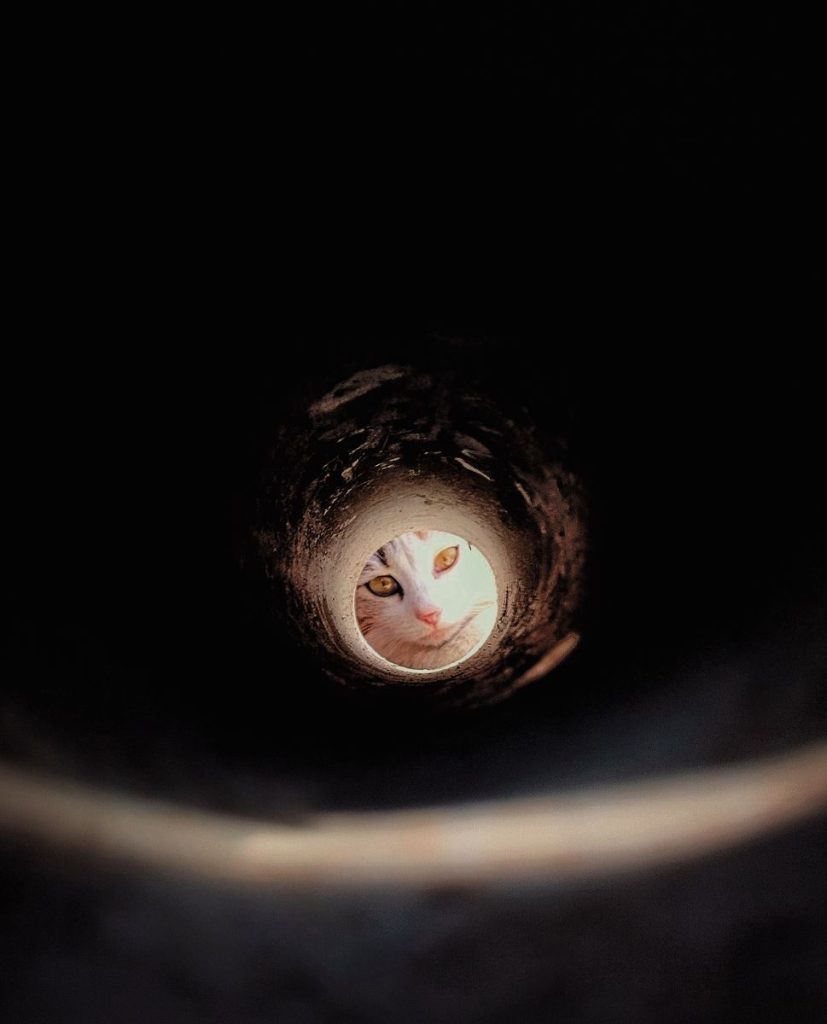
To escape the extreme desert elements, these cats take over abandoned fox or rodent burrows. They spend the blistering daytime hours resting in cool subterranean tunnels before emerging at dusk. This secret lifestyle makes tracking them in the wild nearly impossible for researchers. But another tiny cat thrives in freezing mountain ranges.
The Pallas cat of the rocky steppes
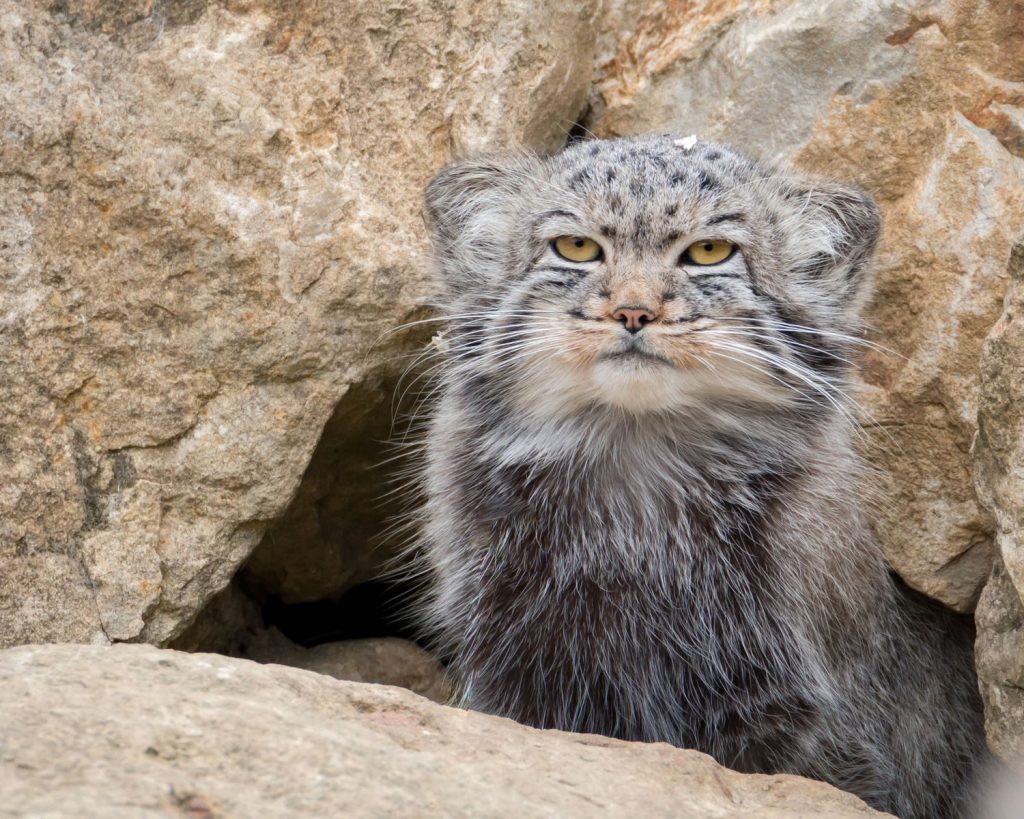
Pallas cats look incredibly large because of their extremely thick, dense fur coats. However, beneath all that fluff, they are actually the exact same size as a domestic kitty. Their flat faces and low ears help them hide behind rocks while stalking prey in open grasslands. This unique look hides an incredibly specialized body.
Why can they not survive in your home?
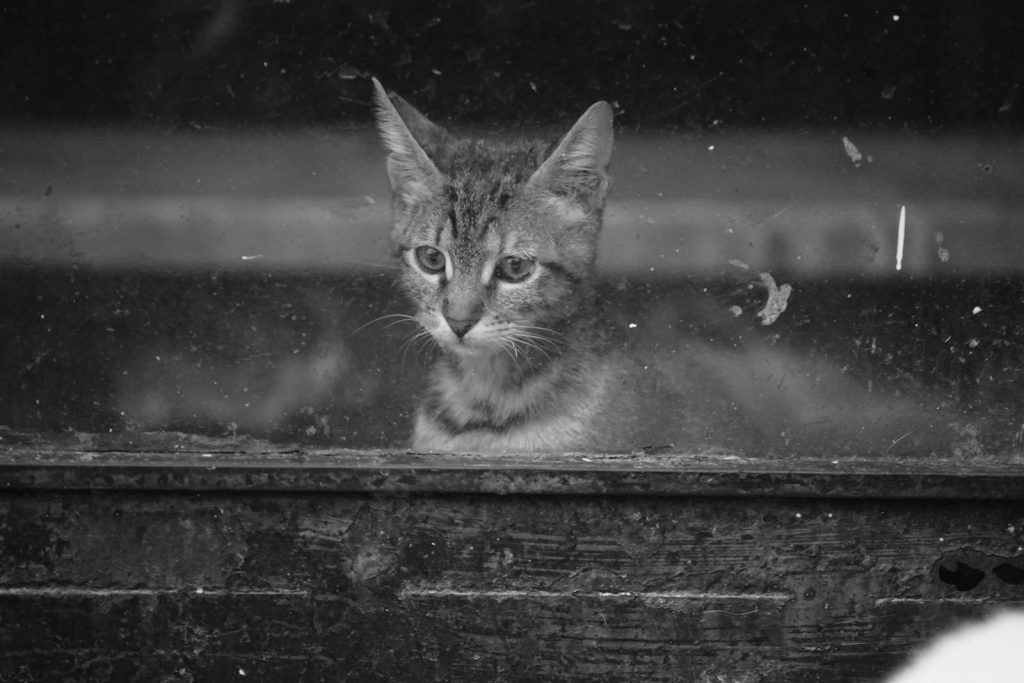
These wild species look like perfect pets, but their biological needs make domestication impossible. Their immune systems are built for isolated, germ-free high altitude air. Exposure to common domestic cat viruses can be fatal to their fragile systems. This article is for informational purposes only and does not constitute veterinary advice. How can we protect these wild treasures?
Supporting global wildlife conservation groups

Supporting habitat preservation ensures these magnificent miniature predators can hunt safely in the wild forever. Spreading awareness about endangered species keeps their protection on the global agenda. By keeping the wild spaces of our planet intact, we help these tiny wild felines thrive in their natural homes.
Featured Image: Photo by David Selbert on Pexels