

You watch a mother cat rest quietly in her nesting box. Suddenly, her male partner steps in to clean the tiny kittens.
While male cats have a reputation for staying away from nurseries, bonded house pairs often display incredible parenting habits.
The myth of the absent father
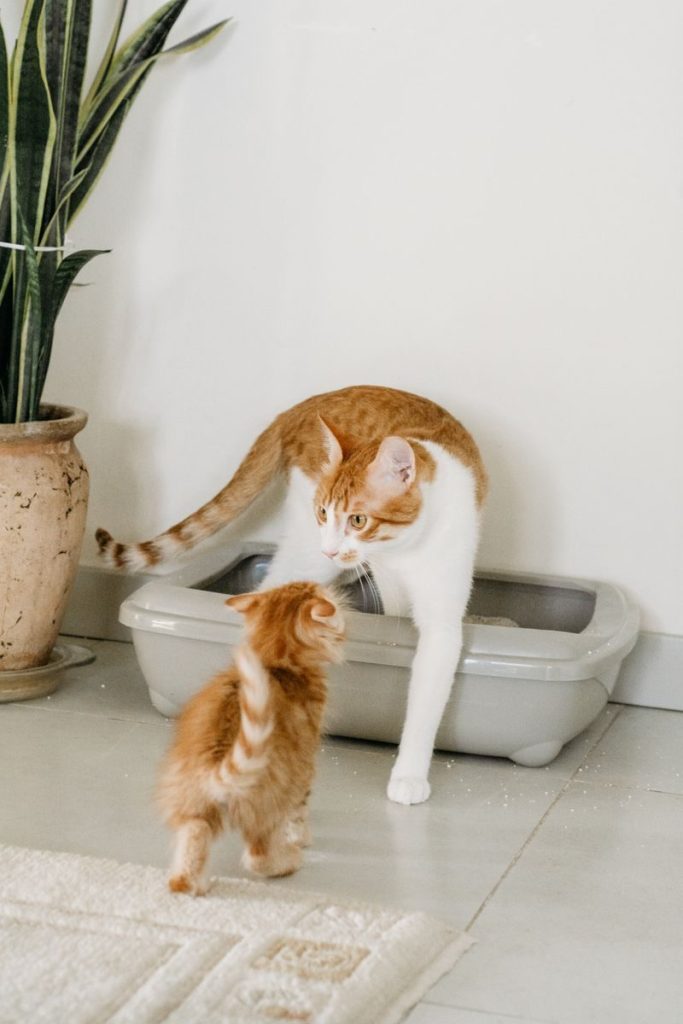
In the wild, male cats typically defend a large territory while females handle all nursery duties alone. But the indoor environment changes these ancestral social dynamics completely. Safe from predators and food shortages, a bonded male cat often feels entirely comfortable approaching the nest. According to the ASPCA, cats can form complex family bonds when resources are abundant. But how do they share the daily chores?
Sharing the vital grooming duties

Grooming newborn kittens is a nonstop job that keeps them warm, clean, and healthy. The father cat will often groom the mother’s head while she is nursing her babies. This sweet gesture helps relieve her stress and keeps the family scent uniform. He will then take over cleaning the kittens when she needs a break to eat. This teamwork keeps the family happy, but his protective duties do not stop with grooming.
Guarding the nest from intruders

Even in a peaceful home, parents still feel a natural drive to protect their young from potential dangers. The male cat will often sleep right outside the box entrance, acting as an active security guard. He watches the room and warns other household pets to stay away. This protective shield allows the mother to rest deeply. But his parental dedication goes far beyond simple guard duty.
Keeping the tiny babies warm
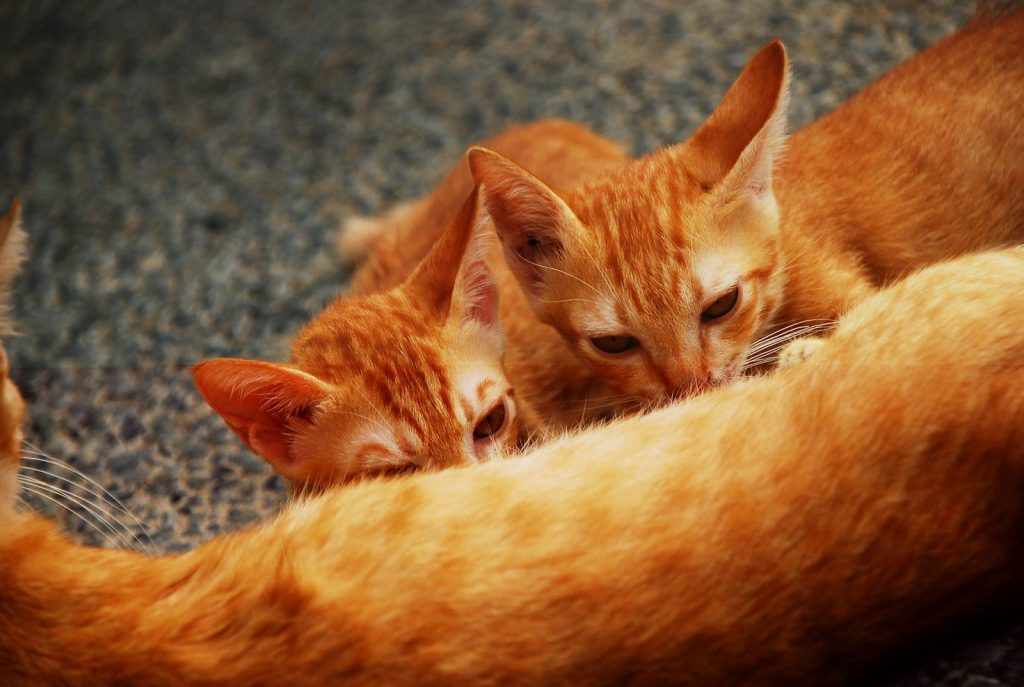
Newborn kittens cannot generate their own internal body heat and rely entirely on huddling together. When the mother cat leaves the nest to use the litter box, the father will often step inside. He curls his body around the litter to keep them warm and safe. This cozy coverage prevents dangerous temperature drops. Yet you must monitor their interactions closely.
Watching for signs of stress

While cooperative parenting is beautiful, some mother cats can feel highly protective right after giving birth. If she hisses or growls when the male approaches, you must respect her wishes and separate them. Pushing an anxious mother can lead to accidental injury to her babies. Fortunately, most bonded couples resolve these boundaries naturally. But what health steps are necessary?
Securing a peaceful home environment

Keeping the nesting area in a quiet, low-traffic room reduces stress for both parents. This article is for informational purposes only and does not constitute veterinary advice. Ensure both cats have easy access to fresh food and water dishes to prevent resource competition. A peaceful nursery helps the kittens grow quickly. But how do the parents teach them to play?
Teaching critical early survival skills
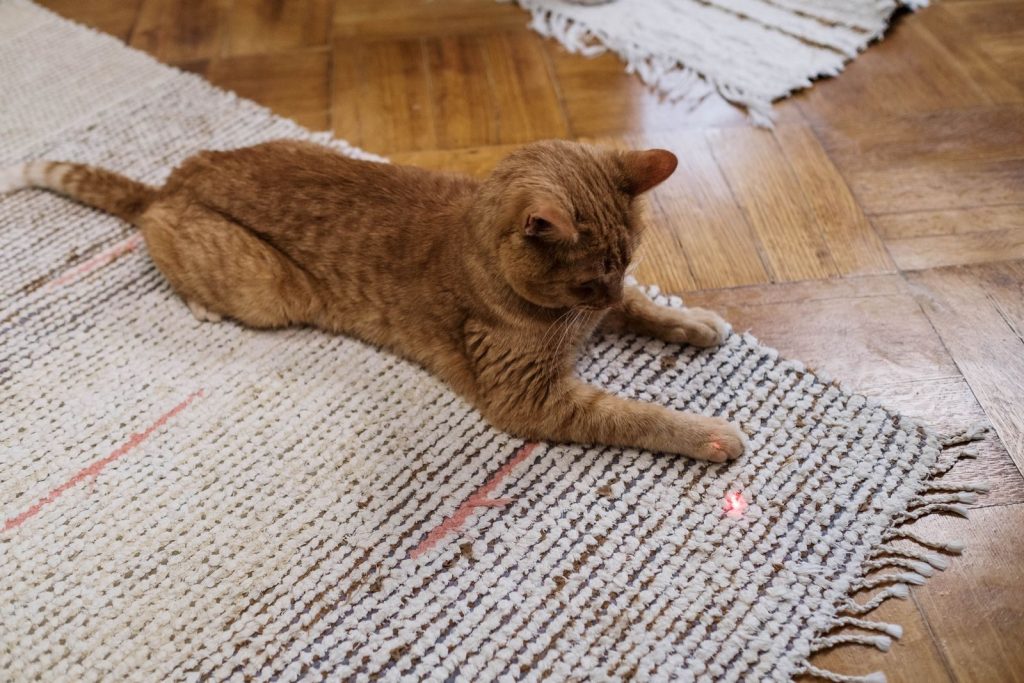
As the kittens reach four weeks of age, both parents begin teaching them how to navigate the household. The father cat will show them how to stalk toys and pounce safely. The mother demonstrates how to use the scratching post and keep clean. Feline behaviorists state that learning from two adult models builds incredible confidence in young felines. The results of this dual parenting are truly amazing, but how do they handle the final developmental phase?
Celebrating a beautiful family success

Watching a feline couple raise their litter together is a rare and moving experience. Their shared dedication builds a highly socialized, healthy group of young cats. Your careful support helps this unique animal family thrive under one roof. You have turned your home into a beautiful sanctuary of love and cooperation.
Featured Image: Photo by Hari Krishnan. S on Unsplash