

You walk outside and find your massive dog covered in tiny purring felines. This surprising cross-species friendship looks like a cartoon fantasy.
But science reveals a deeply rooted survival instinct behind this remarkable behavior. These young orphans knew exactly how to find safety.
Seeking out a massive heat source
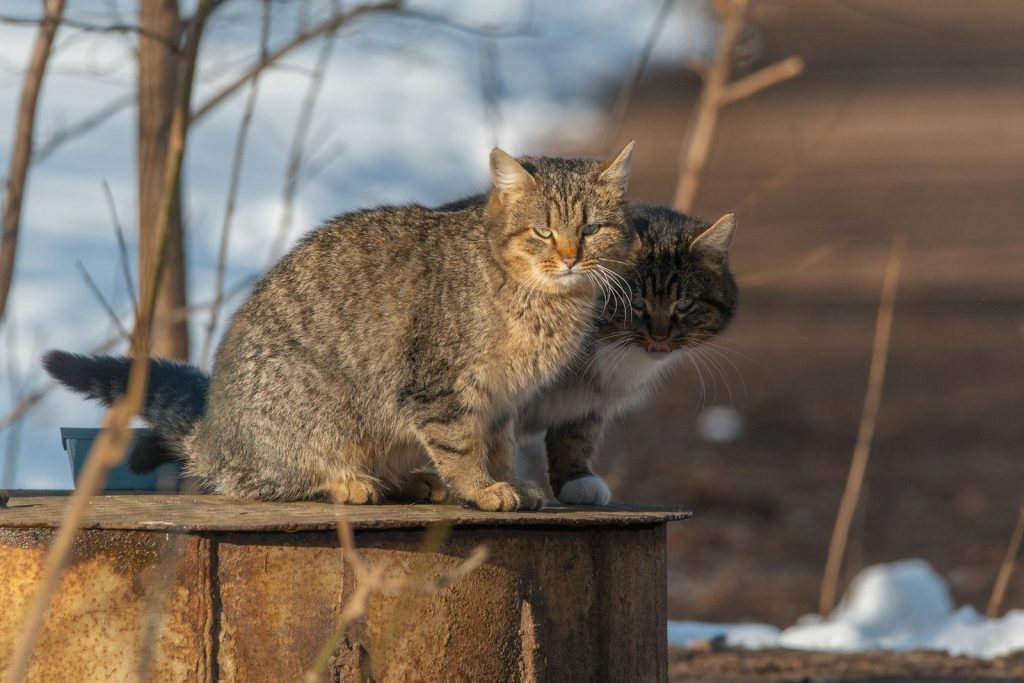
Newborn kittens cannot regulate their own internal body temperature during their first weeks of life. They rely entirely on outside warmth to stay alive. A large sleeping dog provides the perfect biological furnace for cold outdoor babies. According to the ASPCA, stray animals will seek out any safe, warm object during freezing weather. But warmth was not the only target they wanted.
Reading the body language of dogs
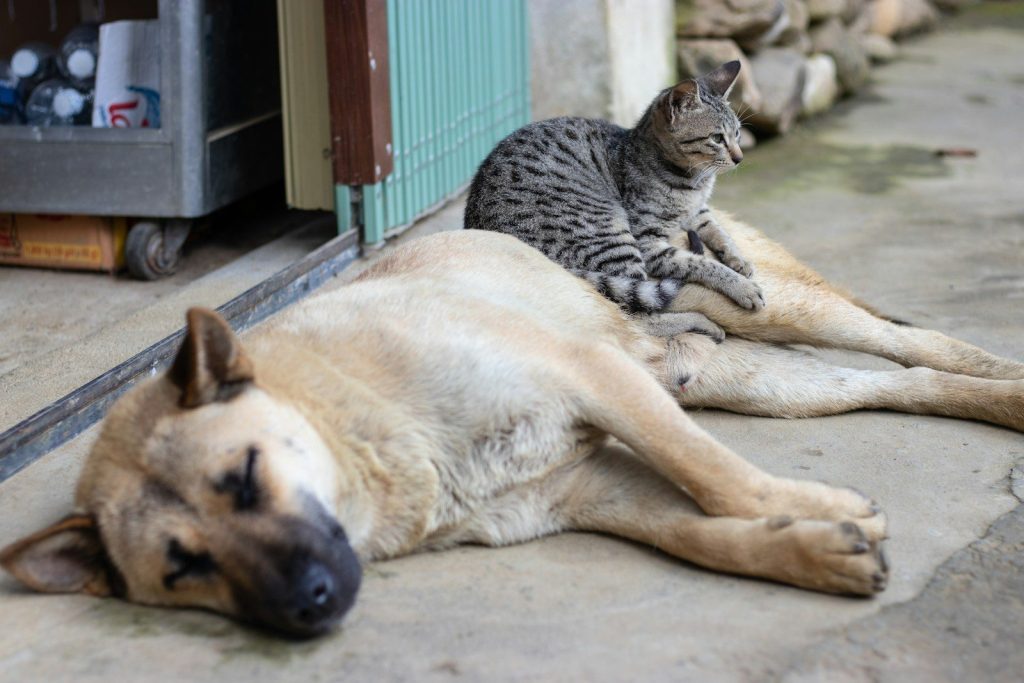
Felines possess an incredible ability to evaluate potential threats in their environment. These kittens did not approach a running or barking animal. They watched the large dog sleep quietly and recognized his relaxed state before moving in. Behavioral research suggests that young felines can read canine posture with surprising accuracy. But how did the massive predator react to this sudden invasion?
The sudden rise of parental instincts
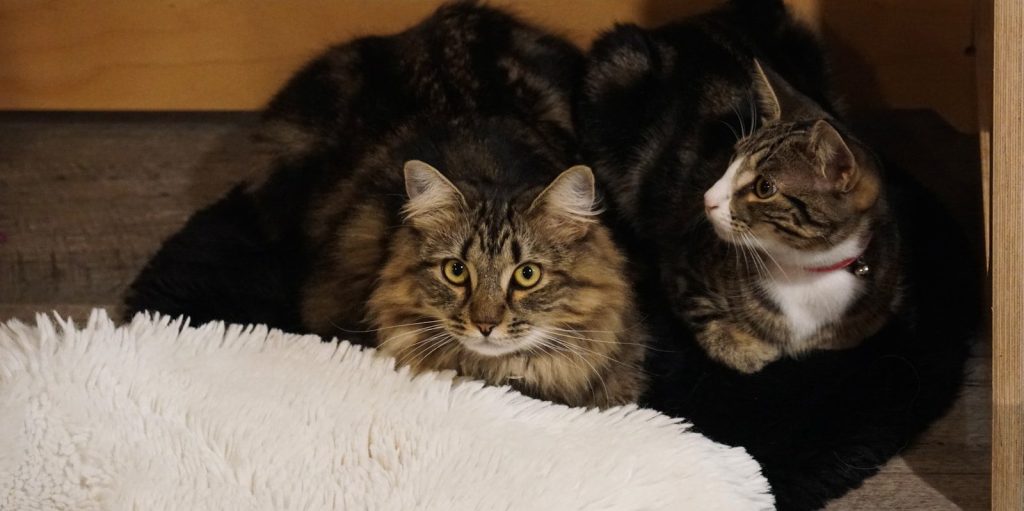
Female dogs often display strong maternal behaviors toward other species, but male dogs can also develop protective instincts. The presence of tiny crying felines triggers a hormonal shift that suppresses hunting drives. Dr. Jessica Vogelsang notes that some gentle dogs naturally adopt smaller creatures into their pack. This shared bond creates a highly secure living environment. Yet this cozy arrangement requires careful management.
Managing the initial introduction phase
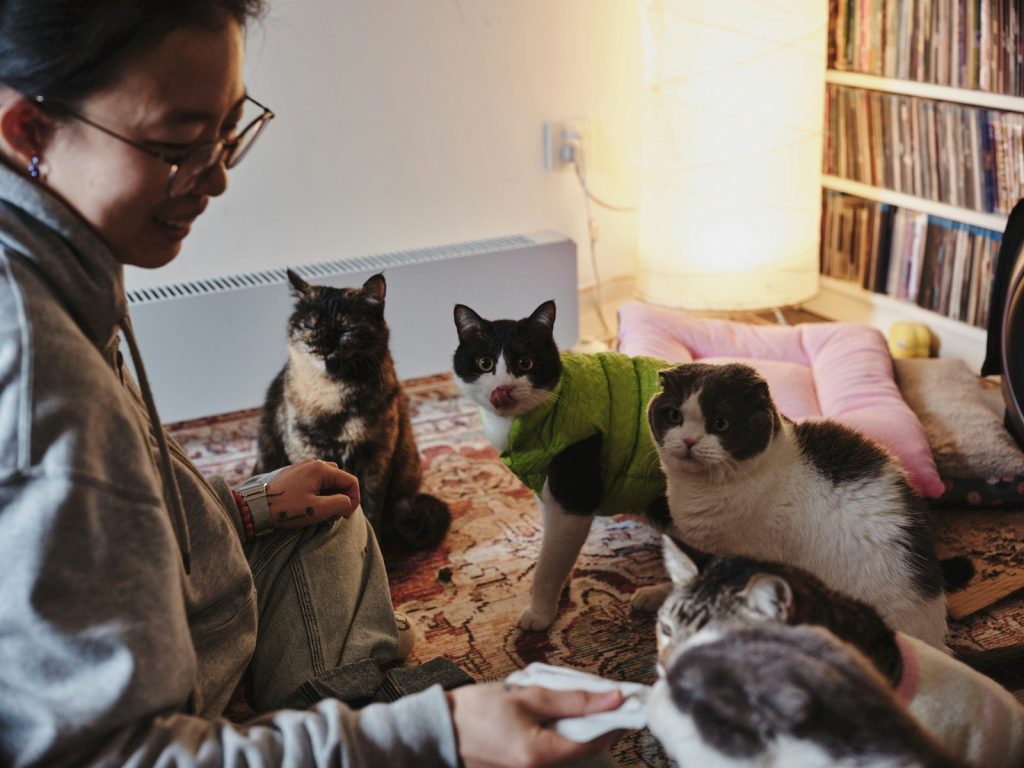
Homeowners must monitor these interspecies interactions very closely to prevent accidental injury. A heavy paw or sudden movement from a sleeping giant can easily harm a fragile baby. The American Veterinary Medical Association recommends keeping animals separated during unsupervised hours. This caution protects the babies while they grow. But how do you know when the animals are truly comfortable together?
Spotting the signs of true bonding
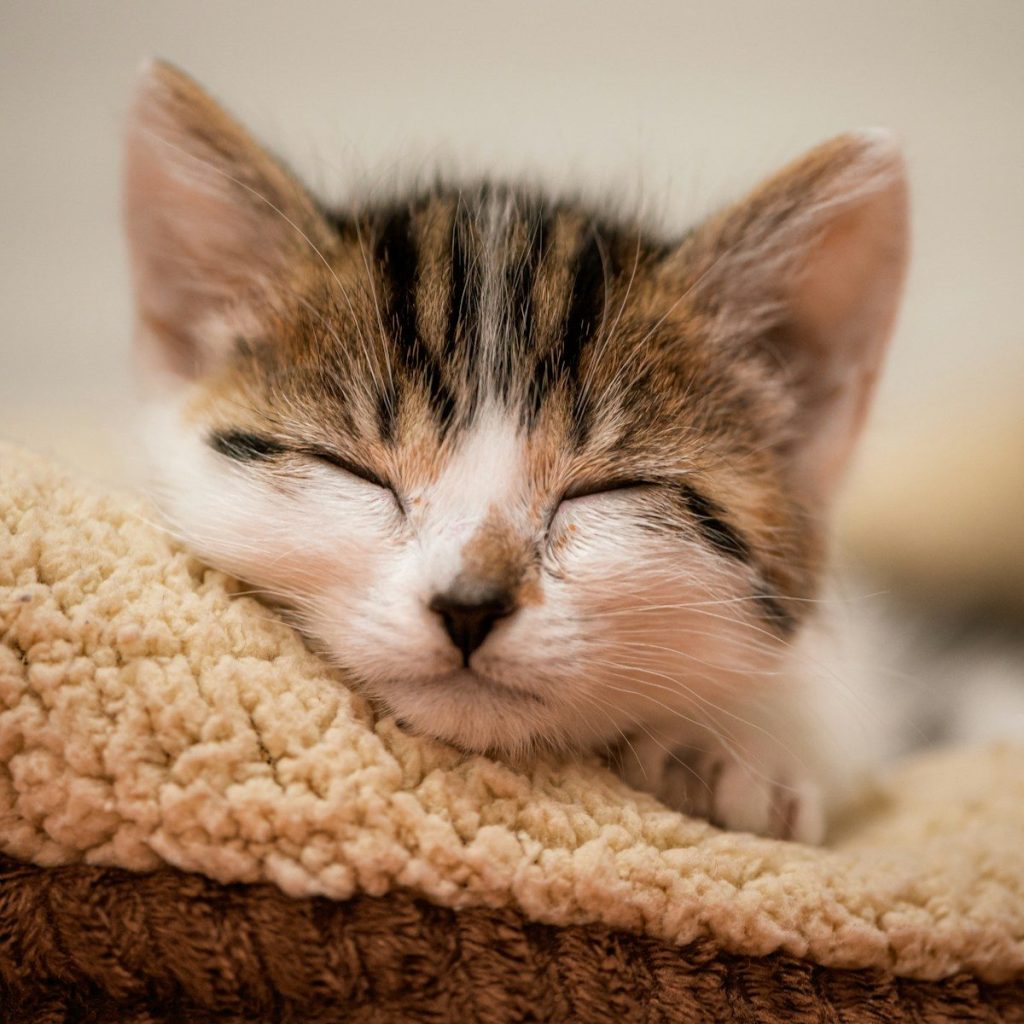
Mutual grooming is the ultimate indicator of social acceptance in the animal kingdom. When a dog licks a kitten, they are transferring scent and claiming the young animal as family. The kittens respond by purring loudly and kneading the dog’s soft fur. This tactile exchange creates a deep neurological connection between the species. Still, you must watch out for hidden health risks.
Preventing the spread of parasites
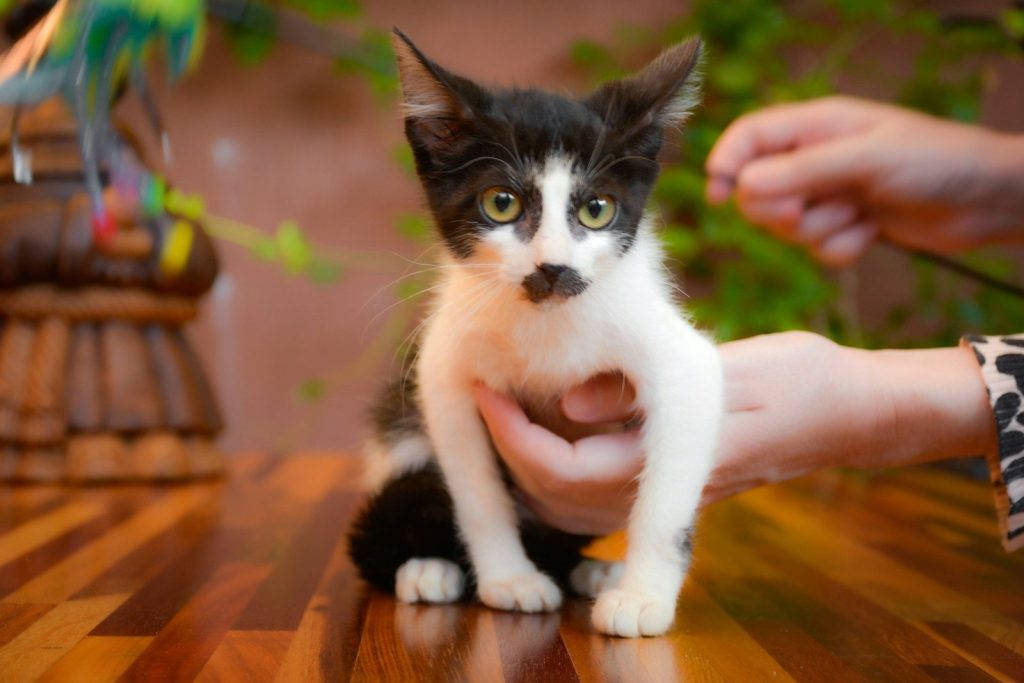
Stray felines often carry fleas or microscopic ear mites that can quickly jump to your resident dog. Before allowing close physical contact, you must treat the kittens with pet-safe parasite preventatives. A quick visit to your local clinic ensures everyone stays healthy. This article is for informational purposes only and does not constitute veterinary advice. But what happens when the kittens grow up?
Coping with identity confusion later
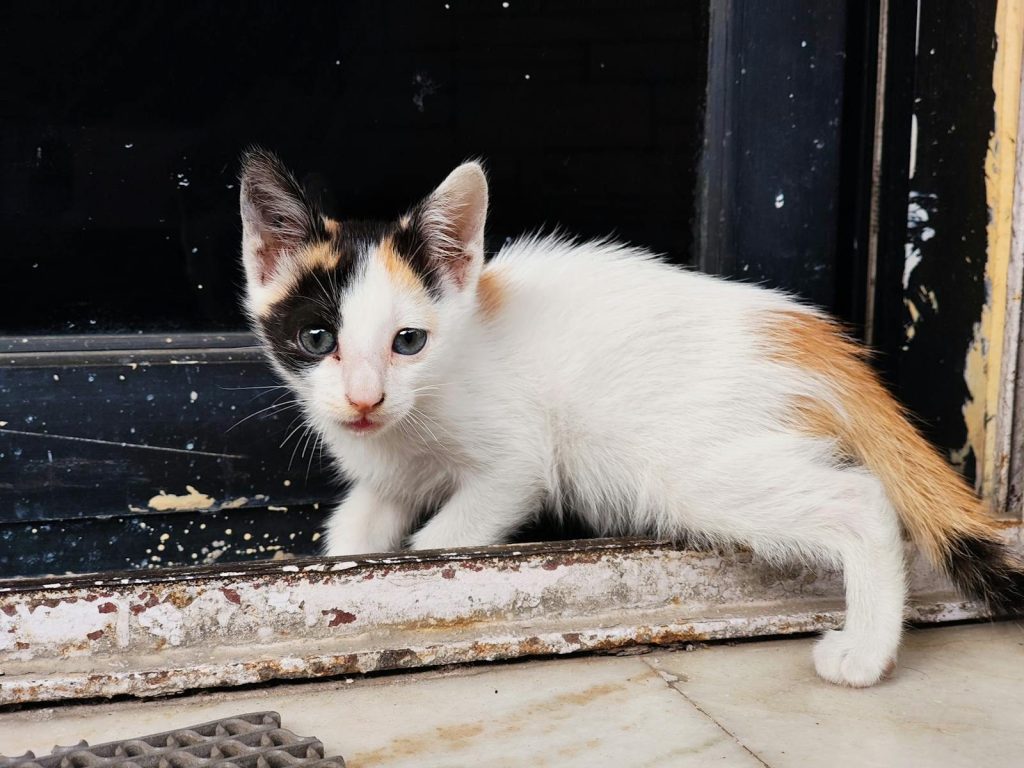
Kittens raised alongside dogs frequently begin mimicking canine behaviors as they mature. They might try to play fetch, run to the front door at every knock, or even follow commands. Feline behaviorists state that early socialization plays a massive role in adult personality development. They learn by watching their older sibling. But can a dog truly teach a cat how to be clean?
Sharing the daily grooming duties
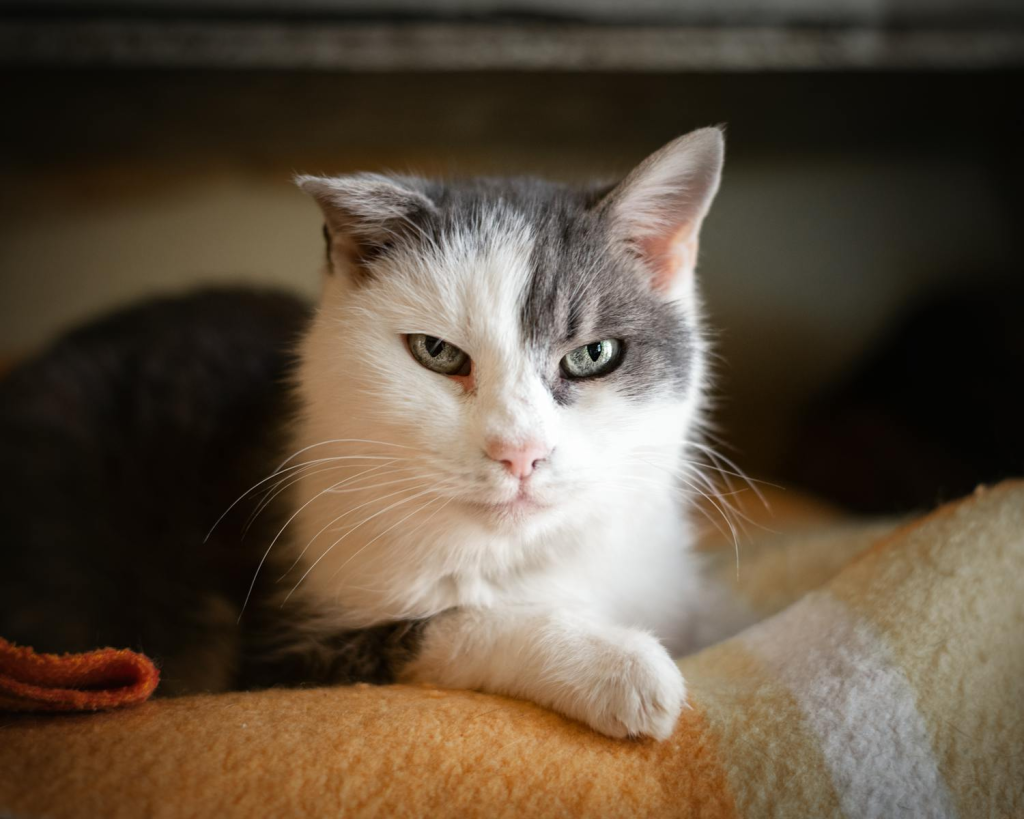
The German shepherd regularly cleans the kittens after their morning meals. This communal care keeps the house clean and reduces sibling rivalry. Your careful guidance helps these mismatched friends thrive in a beautiful household partnership. This unique relationship proves that love can easily cross species boundaries when you offer a safe space.
Featured Image: Photo by Welhelmus Dengi on Unsplash