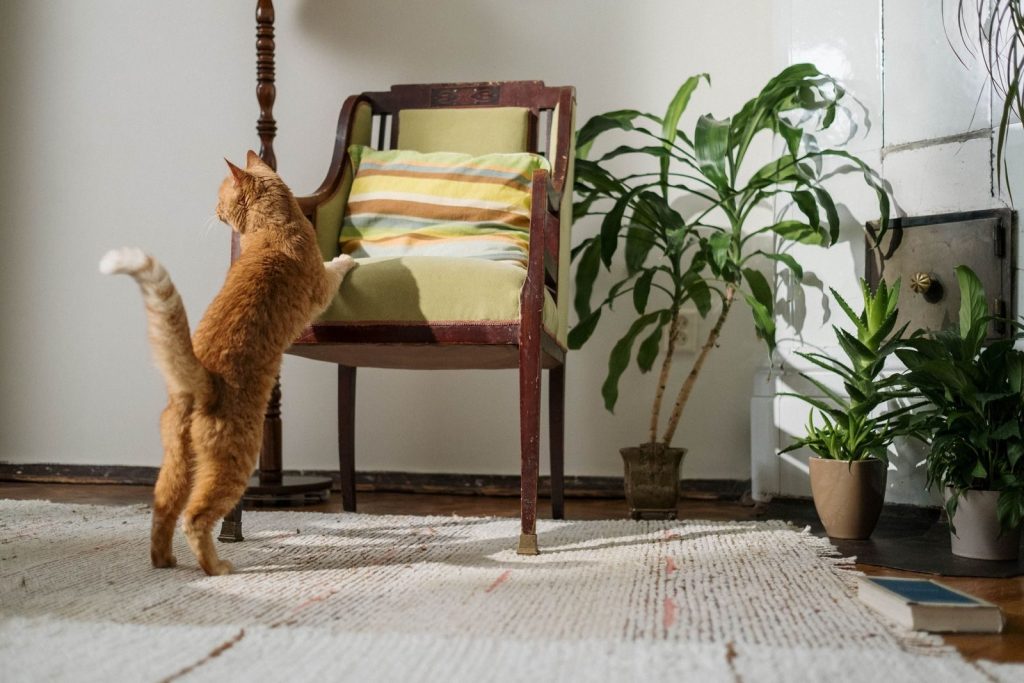

You watch your tiny kitten try to leap onto the soft armchair, only to miss completely and tumble onto the rug in a ball of confusion. It is an incredibly funny moment.
While these clumsy tumbles are highly entertaining, they actually represent a critical phase in feline brain development. Science reveals why your growing pet has such hilariously bad coordination.
Developing the inner ear balance
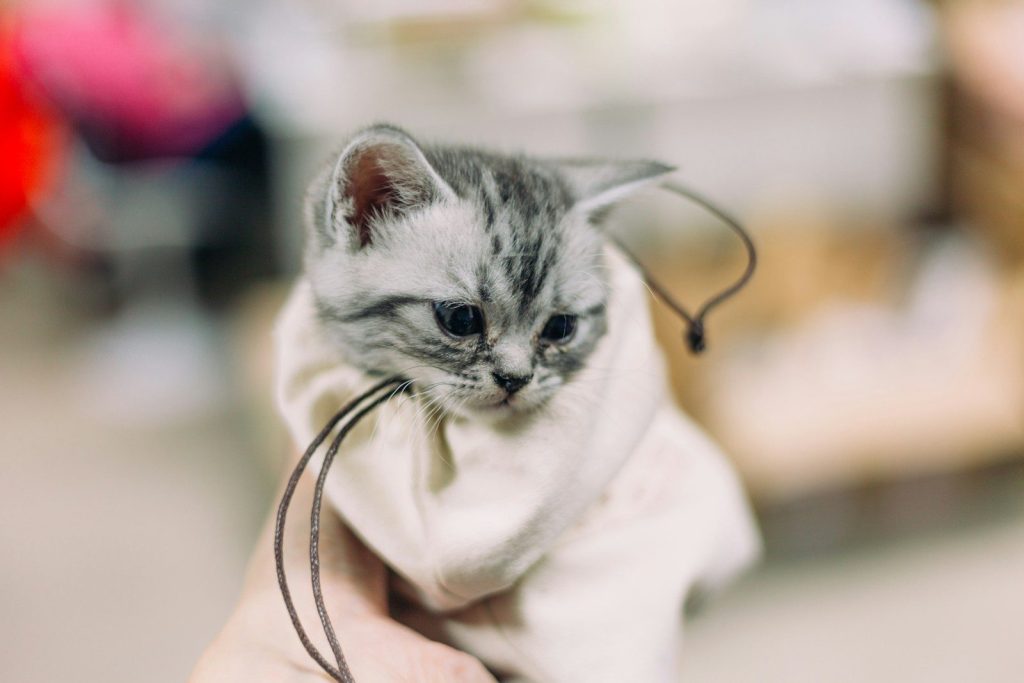
A kitten’s vestibular system is responsible for handling physical balance and spatial orientation. During the first few weeks of life, this delicate inner ear structure is still developing rapidly. According to the American Veterinary Medical Association, young felines must slowly train their brains to process these balance signals. Every wobbly step helps wire their neurological pathways for adult jumping. But their bones are also changing fast.
Outgrowing their own leg bones
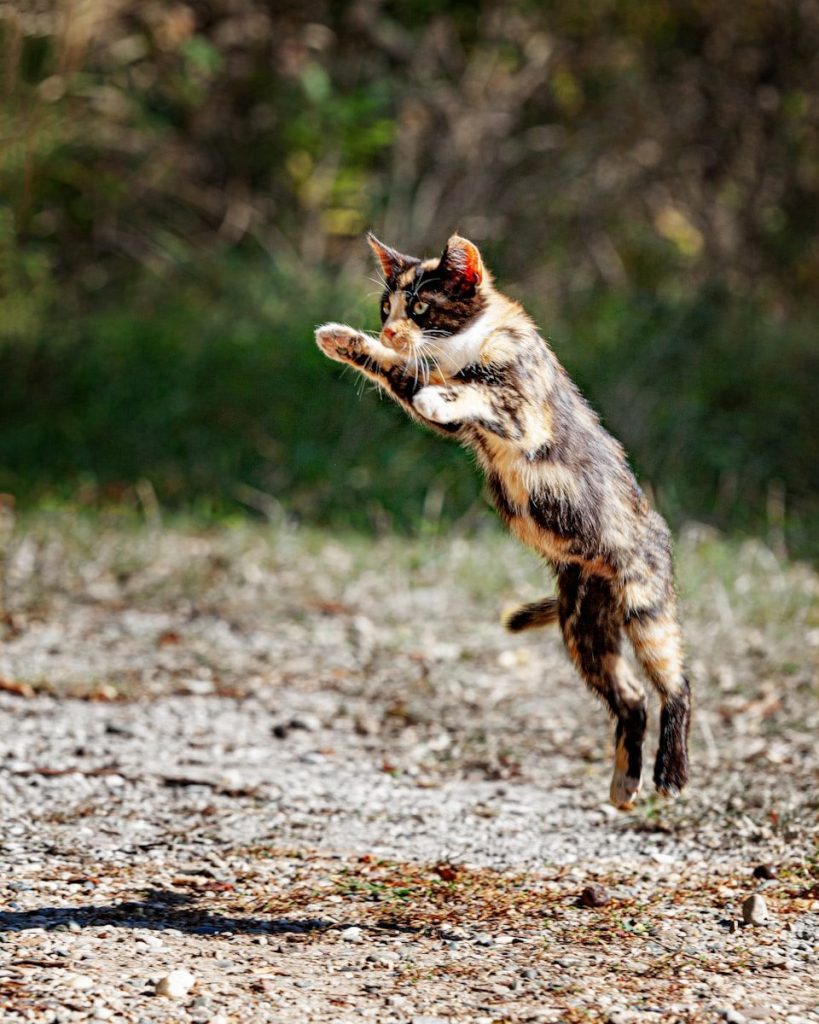
Kittens grow at an incredibly rapid pace during their first six months. Their legs often grow faster than their main body torso, creating a temporary imbalance in their center of gravity. This uneven growth makes it difficult for them to calculate distances accurately. They might jump with too much force or turn too quickly, leading to funny slips. Fortunately, their bodies are built to handle these early tumbles.
The magic of flexible kitten bones
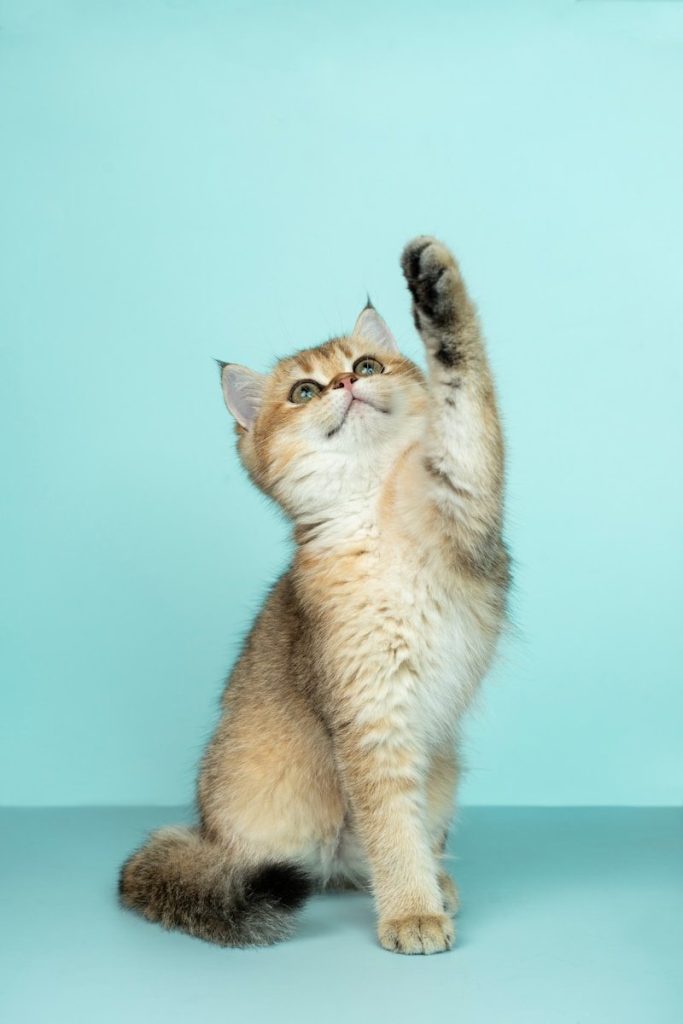
Feline bones are incredibly resilient because they contain high levels of flexible cartilage during youth. This soft structure acts like a natural shock absorber when they land clumsily. It prevents the fractures and sprains that would typically injure an adult animal. Their loose skin also slides over muscle tissue easily to minimize friction. But you still must protect them from household hazards.
Securing slippery kitchen tile floors
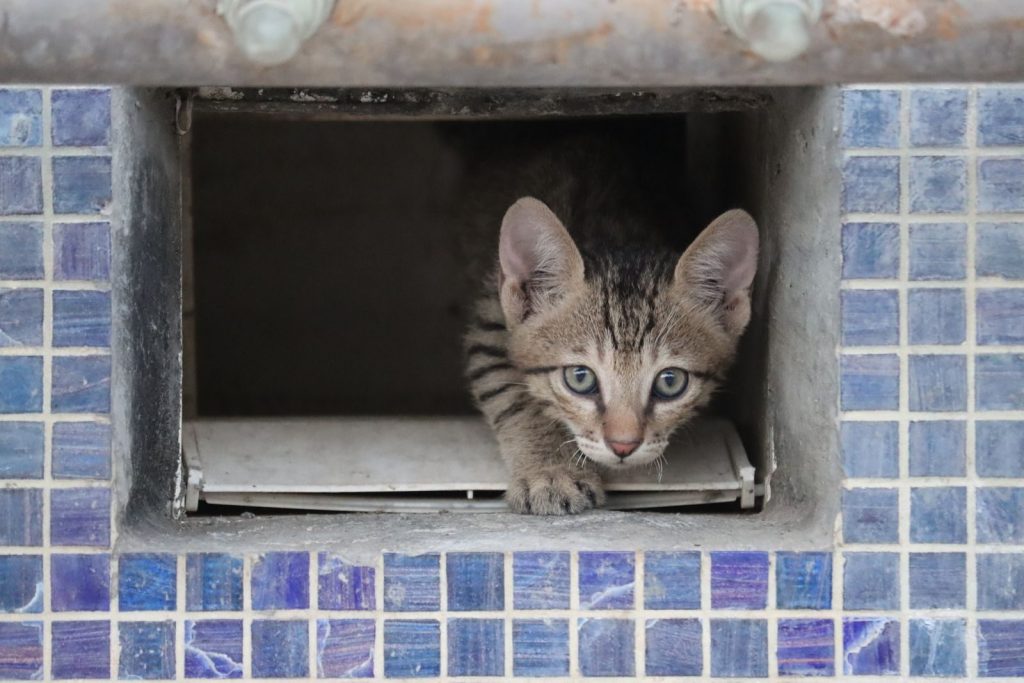
Hardwood and tile floors do not offer any traction for tiny kitten claws. When they try to run at high speeds, their paws slide out from under them instantly. Placing non-slip rugs in their main play areas provides the grip they need to run safely. It prevents painful muscle pulls and helps them build confidence during daily games. But physical safety is only half the battle.
Spotting the warning signs early
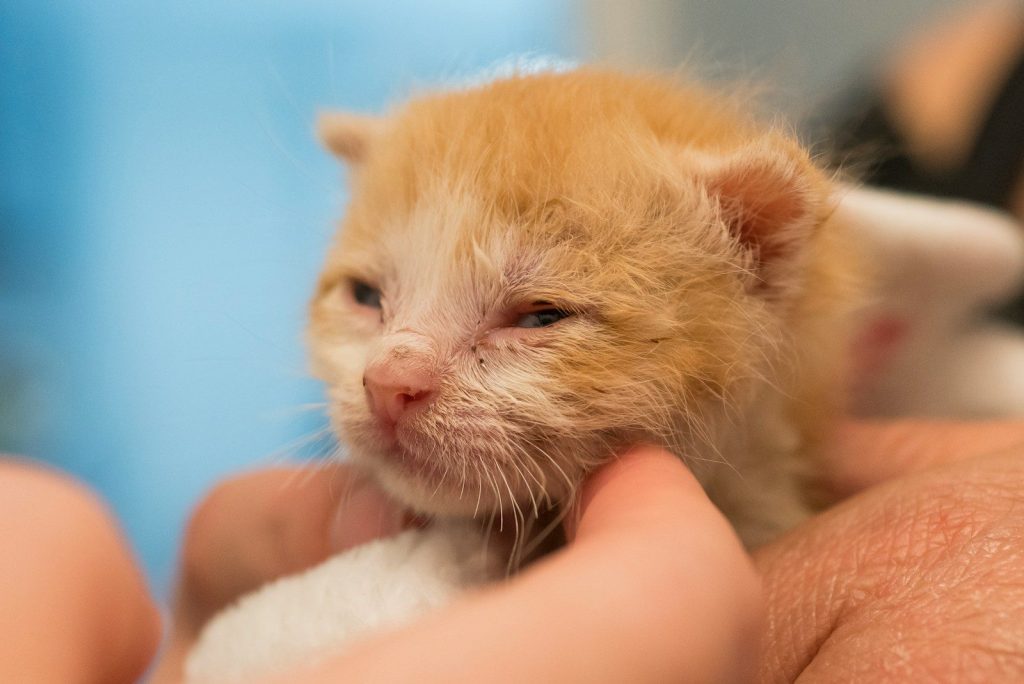
While minor play slips are normal, a constant head tilt or extreme dizziness requires attention. This article is for informational purposes only and does not constitute veterinary advice. Neurological conditions or deep ear infections can mimic normal kitten clumsiness. If your pet seems to struggle to walk in a straight line, contact your doctor. Most of the time, they are just practicing their moves.
Practicing their natural hunting moves
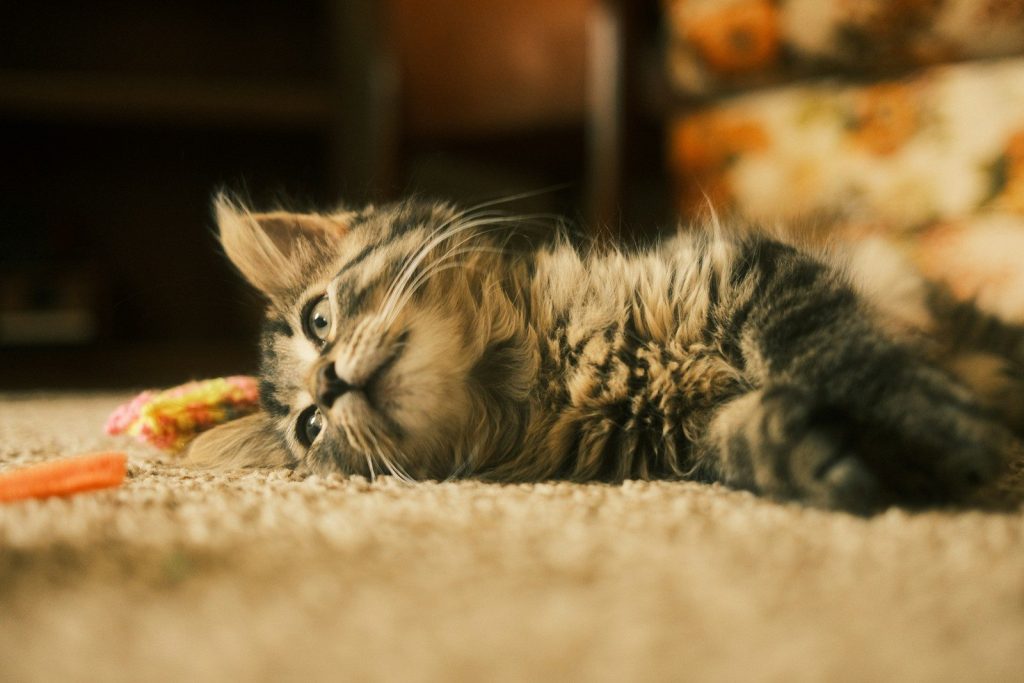
When a kitten tumbles, they are actively testing their physical limits. They try out difficult twists, high jumps, and sudden stops to see what works. Feline behaviorists note that clumsy play is a necessary step toward mastering adult hunting maneuvers. The more they fail now, the better their coordination will be when they grow up. You can help them progress with simple tools.
Using soft toys for practice
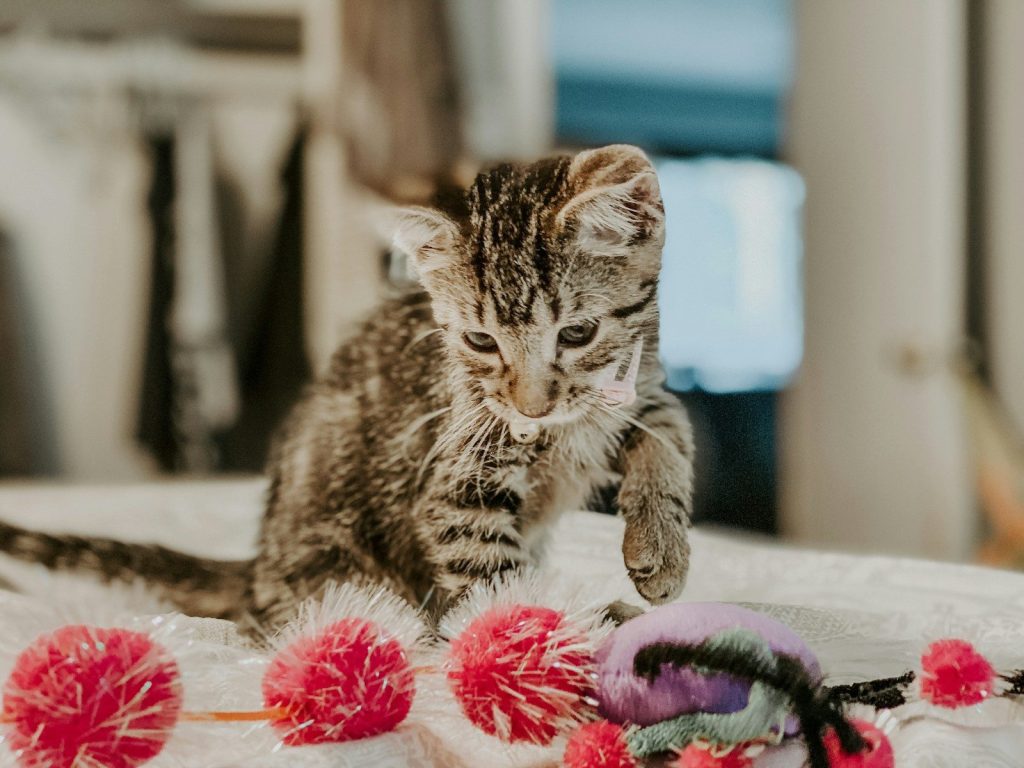
Lightweight paper balls and soft mice are perfect for young kittens to chase. These items move slowly enough for a clumsy pet to track and capture easily. Succeeding in these small hunts boosts their confidence and encourages more physical activity. It keeps their minds sharp and their bodies moving toward peak health. There is one final way to support their journey.
The power of deep kitten sleep
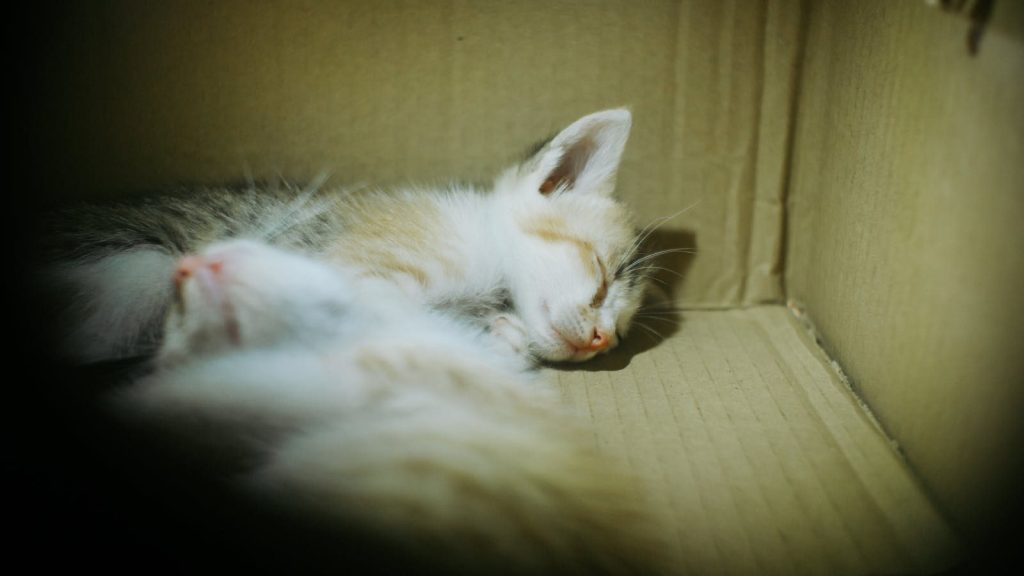
Growing muscles and nerves repair themselves primarily during deep sleep cycles. Your wobbly kitten needs up to twenty hours of rest each day to support this rapid physical development. Providing a warm, quiet nesting box helps them recharge after their chaotic play sessions. Your loving care ensures your clumsy little companion grows into a perfectly balanced, graceful adult cat.
Featured Image: Photo by cottonbro studio on Pexels