
You spot an orange cat zoom across the room and crash into a wall. Feline lovers often joke about orange cats sharing a single brain cell.
This hilarious reputation actually points to some very real genetic anomalies. Science reveals why these bright ginger felines behave so differently from other house cats.
The famous gender gap in orange cats
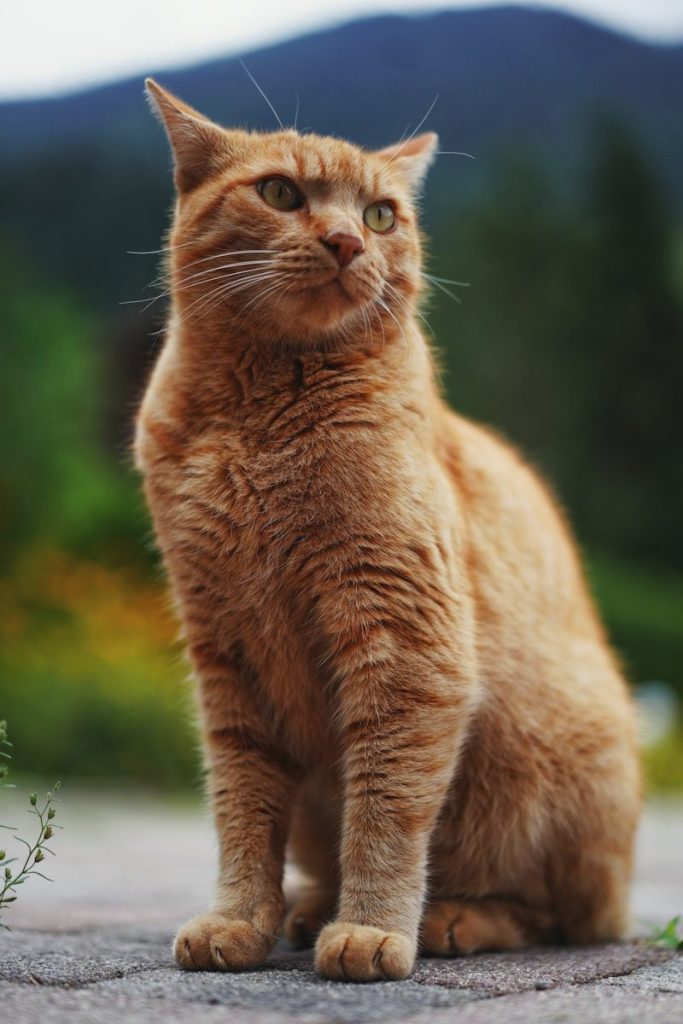
Most orange cats are male. The orange gene sits on the X chromosome. Females need two copies. This skew changes their behavior. But their skin holds another secret.
The development of dark freckles
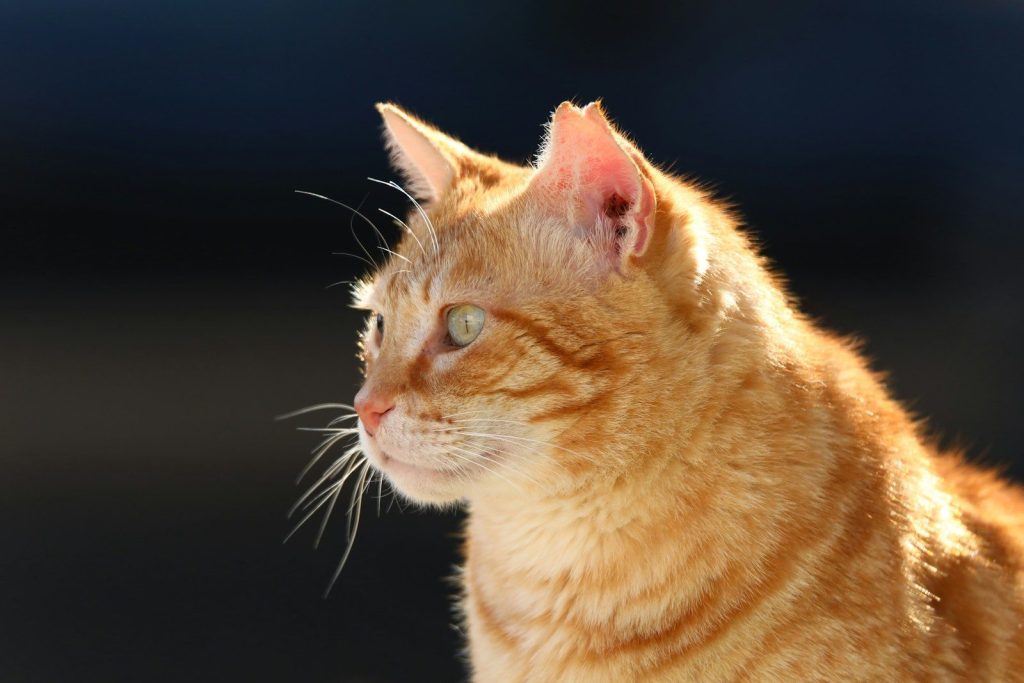
Ginger cats get nose spots. This condition is lentigo. The Cornell Feline Health Center says it is harmless. It requires no treatment. But you should still monitor skin changes.
A surprisingly bold and friendly nature
Ginger cats are friendly. Berkeley researchers found they score high for affection. They crave constant attention. This bold personality is perfect for families. Yet their loud voices can surprise you.
The chatty nature of ginger cats
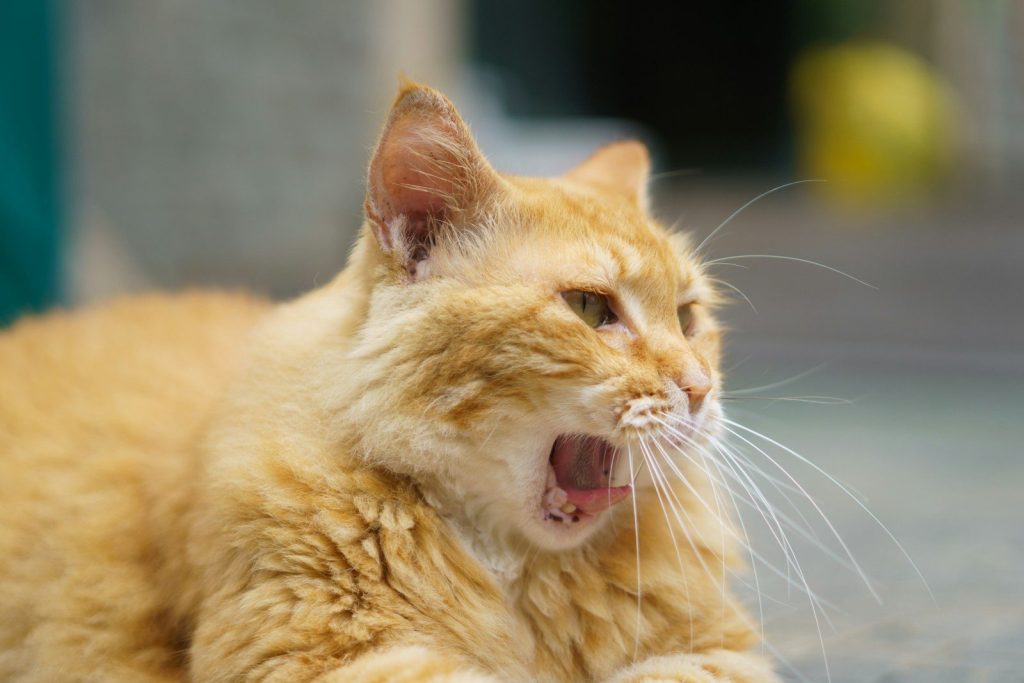
They talk constantly. They chirp to communicate. Feline behaviorists note that they train their owners. They know sounds bring food. But high energy causes nighttime mischief.
The higher risk for weight gain
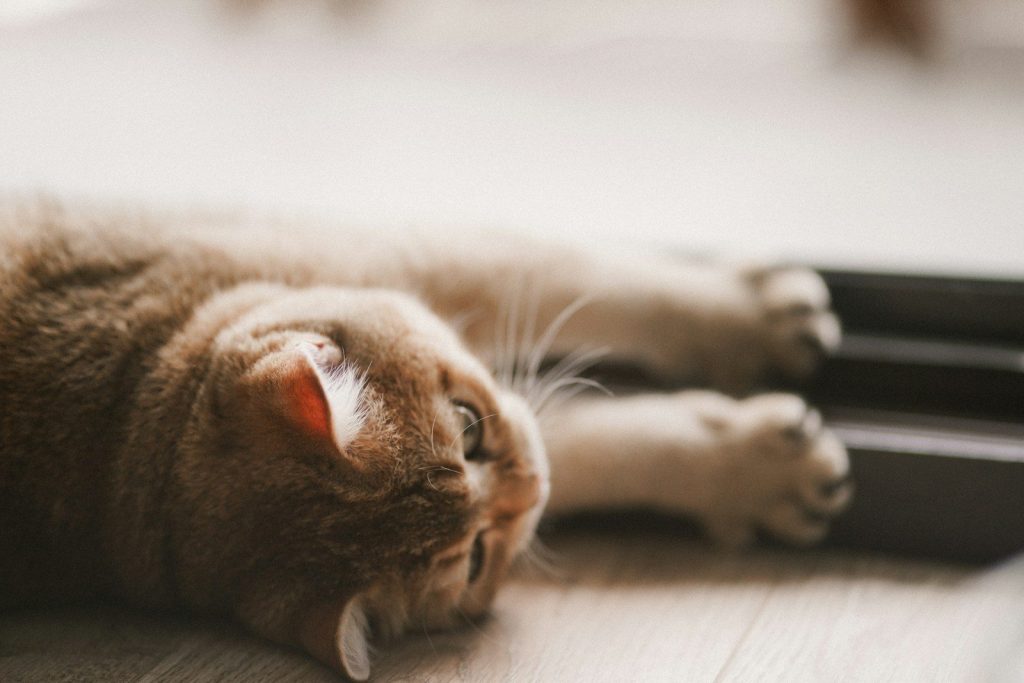
They love food. The American Veterinary Medical Association warns against obesity. Diet control is crucial. Active play helps. But their coat holds a historical link.
The universal M mark on the forehead
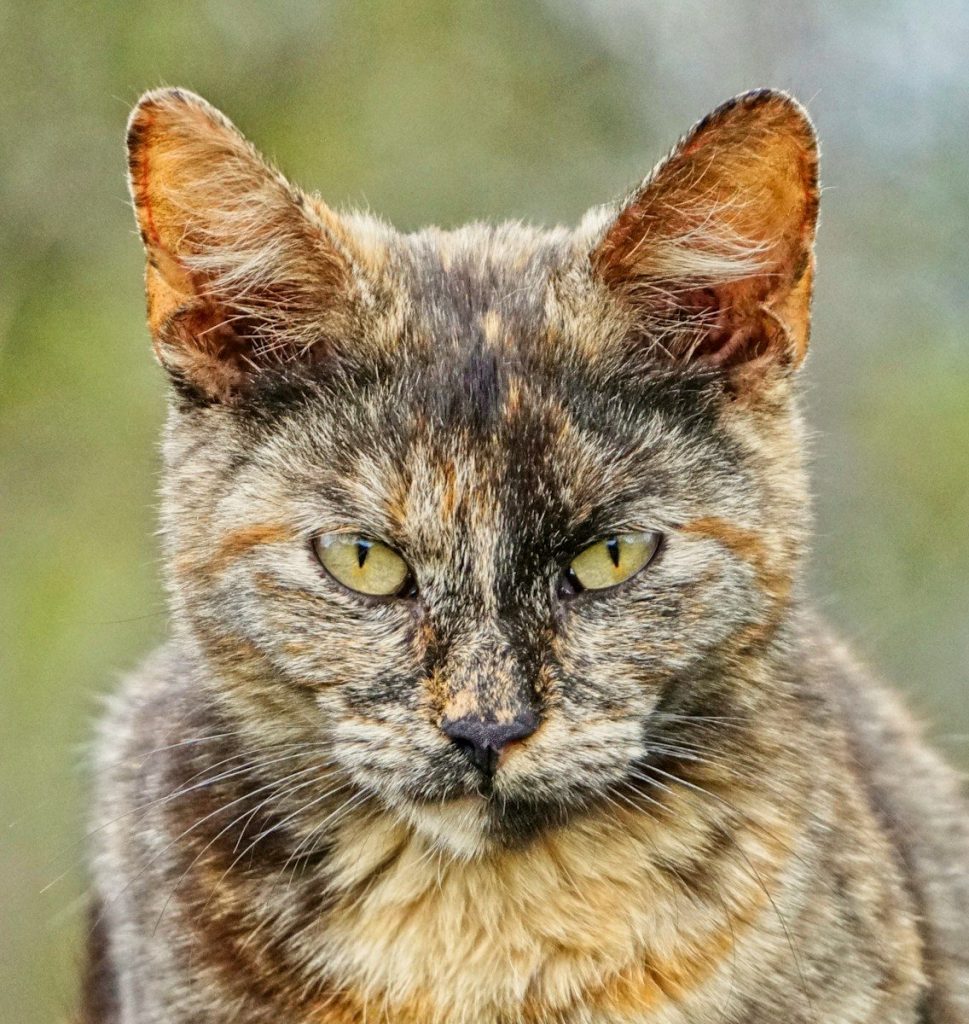
Every orange cat has an M mark. This tabby pattern is ancient. It provided desert cover. It protected them. There is one final rule to consider.
Loving your unique orange companion
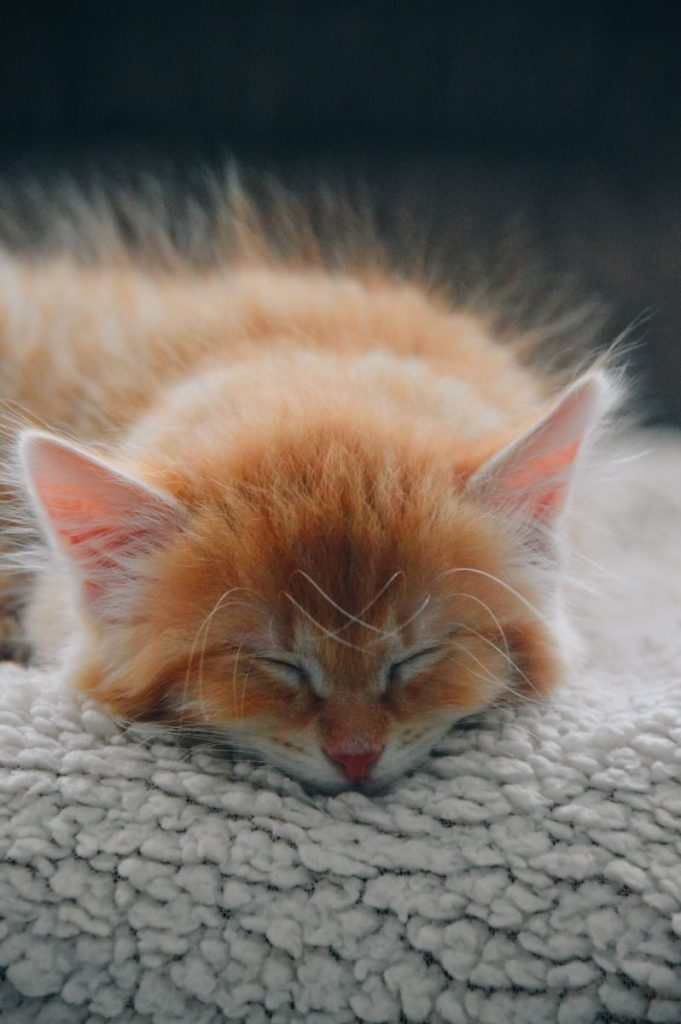
Quirky traits make life fun. This article is for informational purposes only and does not constitute veterinary advice. Provide plenty of toys. Your ginger friend will stay loyal.
Featured Image: Photo by Larry George II on Unsplash