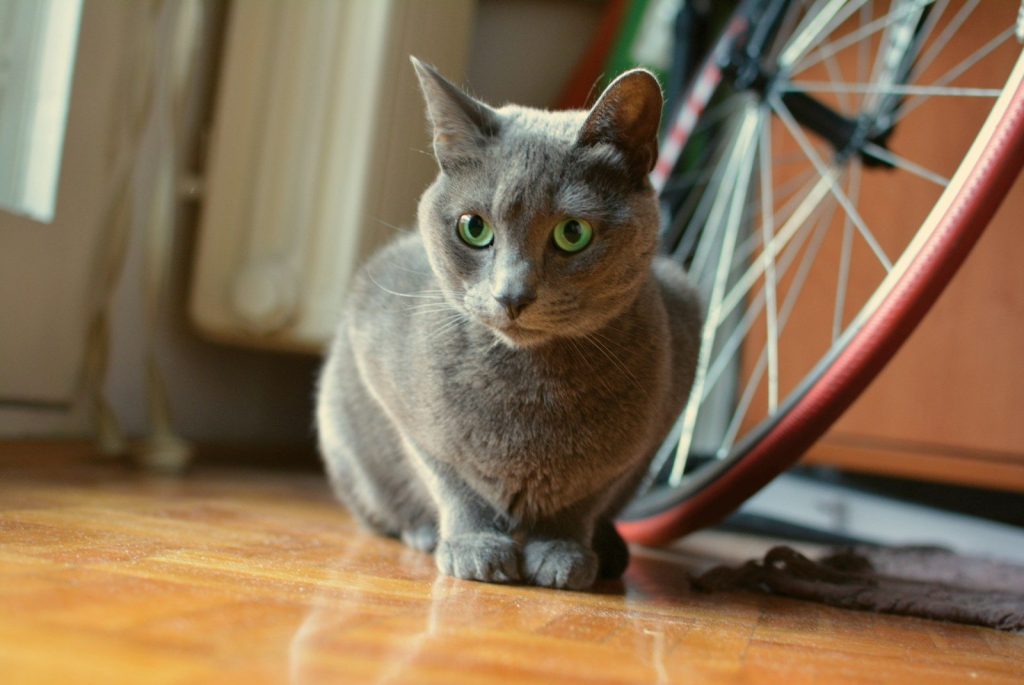

A quiet gray cat sat in the back of her shelter kennel. She refused to look at visitors and ignored every toy.
Workers feared she would never find a loving home due to her extreme anxiety. What happened after one family took her home surprised everyone at the rescue.
The defense shield of complete isolation
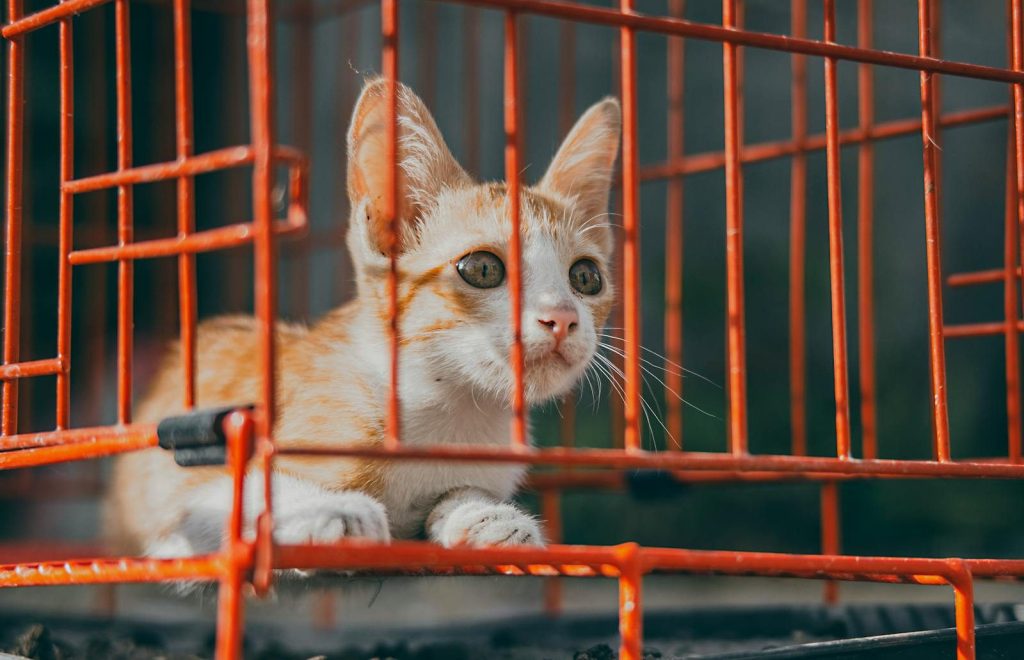
Terrified shelter animals often shut down to cope with the loud barking and bright lights of a rescue facility. According to researchers at Oregon State University, cats experience severe sensory overload in crowded environments. They withdraw completely to avoid perceived threats. Understanding this silent coping mechanism is crucial for successful adoptions. But the transition home requires extreme patience.
Setting up a quiet transition room
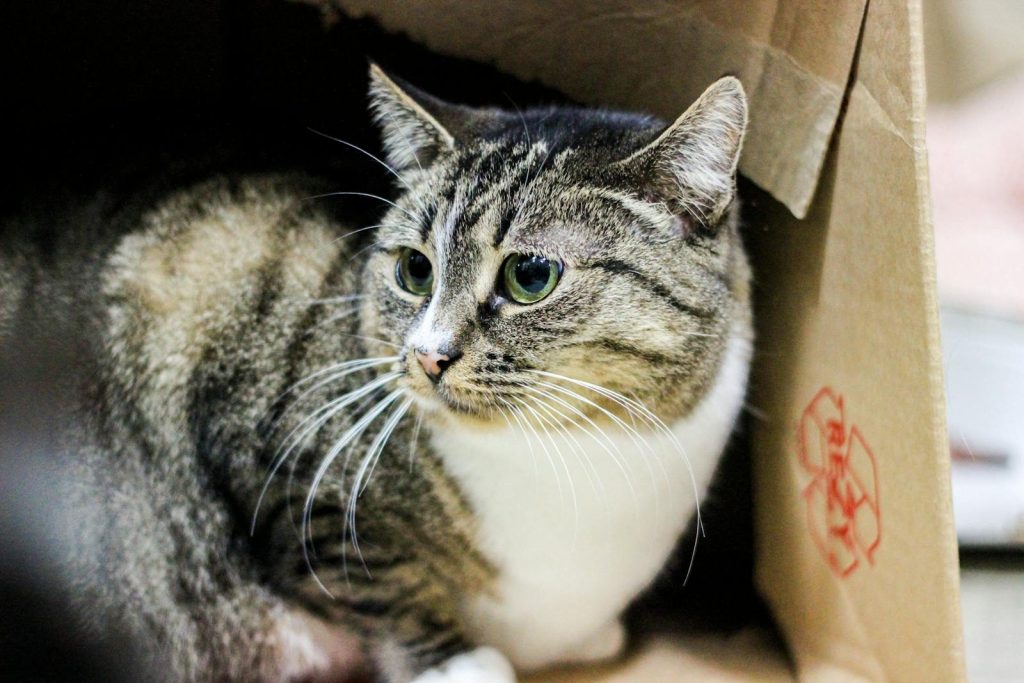
The new owners did not force immediate cuddles or push the cat into the busy living room. Instead, they set up a cozy bathroom with a soft bed, fresh water, and a safe hiding box. Giving a nervous rescue control over their space is the fastest way to build trust. But they still had to face her silent stare.
Using the power of quiet presence
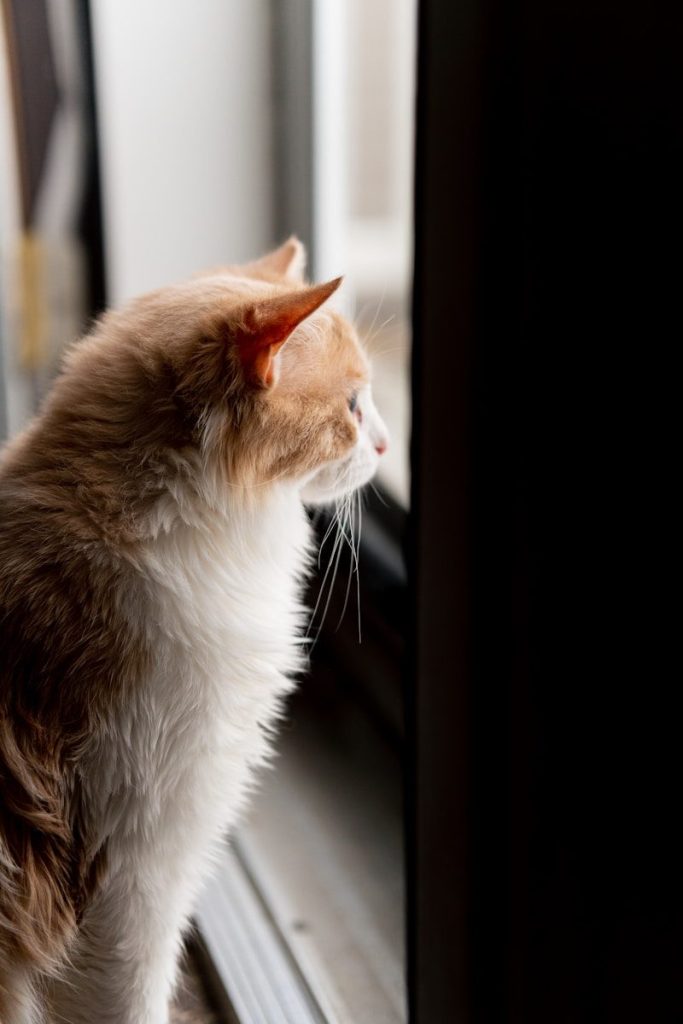
The mom spent hours sitting on the bathroom floor reading a book aloud in a soft voice. She did not reach out to grab the cat or make direct eye contact. Feline behaviorists at the ASPCA note that ignoring a shy cat tells them you pose no threat. This low-pressure environment slowly chipped away her fear. Then, a breakthrough happened.
The first gentle touch of trust

On the fourth night, the gray cat stepped out of her box and gently nudged the mom’s hand. This soft headbutt released comforting pheromones that marked the human as safe territory. The family rewarded her courage with a small lickable treat. Soon, her confidence began to grow outside her safe room. But her true personality surprised everyone.
Stepping out into the wider house
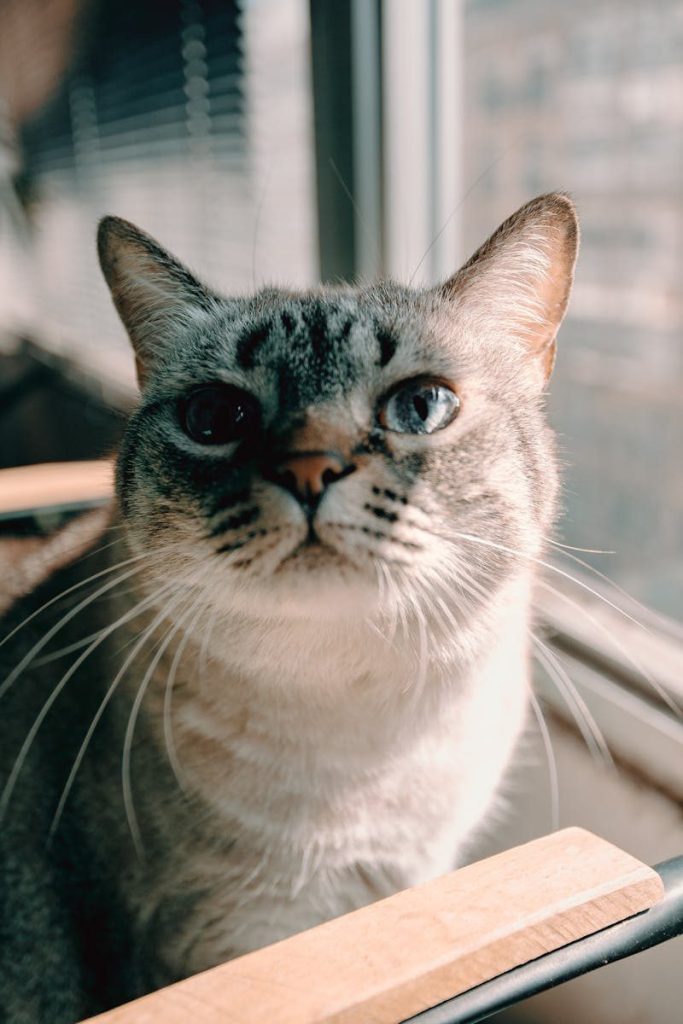
Once the bathroom door opened, the cat began to inspect every corner of the house with a high posture. She was no longer the trembling creature huddled in a metal cage. She claimed the sunny window perch and began greeting the kids after school. Her affectionate nature blossomed daily. However, her most remarkable role was still to come.
Taking charge of the household schedule

The former shelter cat transformed into the ultimate household manager. She established a strict routine, reminding her owners about breakfast and sitting on the laptop during homework time. Her loving presence brought deep peace to a busy family. Dr. Jessica Vogelsang suggests that a secure routine helps rescue animals feel truly powerful. But how did this transformation affect the shelter workers?
Inspiring hope for other shy animals
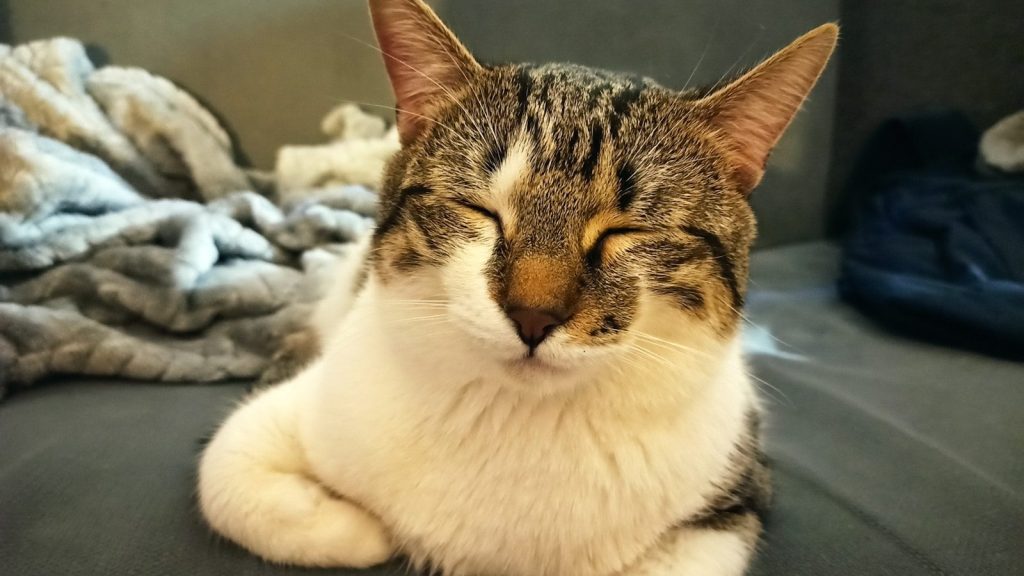
The family sent a beautiful update video back to the shelter team. Seeing the once unadoptable cat rule the house brought tears to the staff’s eyes. This success story proves that patience can unlock the sweetest souls in the rescue system. Your gentle care can turn a forgotten shelter pet into the absolute heart of your home.
Featured Image: Photo by Jelena Senicic on Unsplash