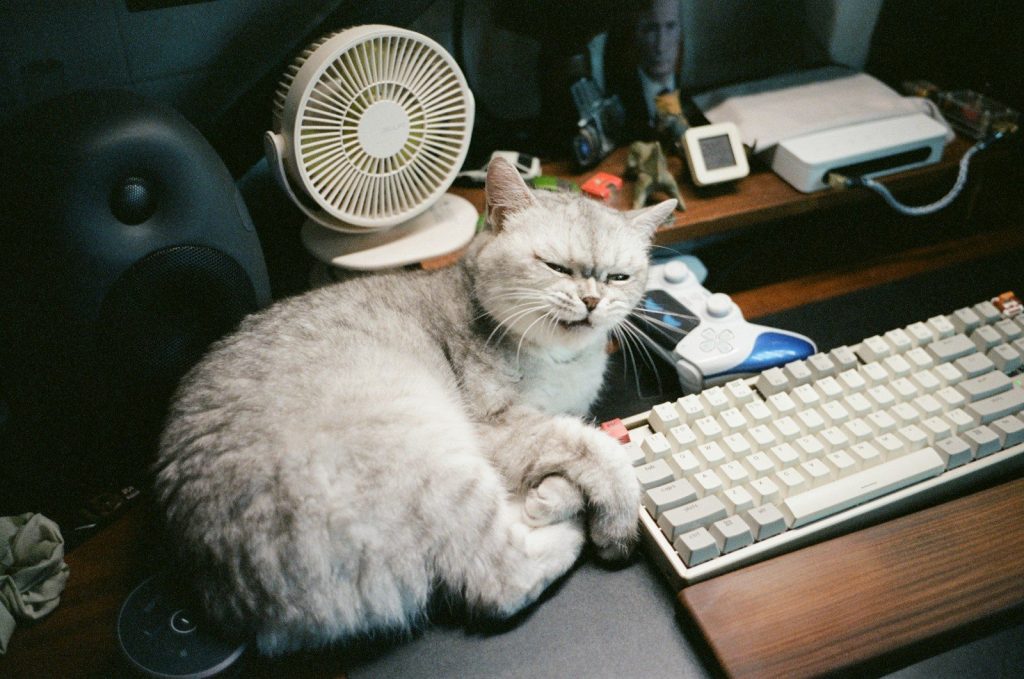

You sit down at your desk to start your morning work routine. Suddenly, a furry face blocks your computer screen, and a paw swipes at your keyboard.
Clingy rescue cats can turn a peaceful remote job into a hilarious daily struggle. Understanding their intense need for closeness helps you build a quiet workspace that works for both of you.
The deep psychological search for constant security
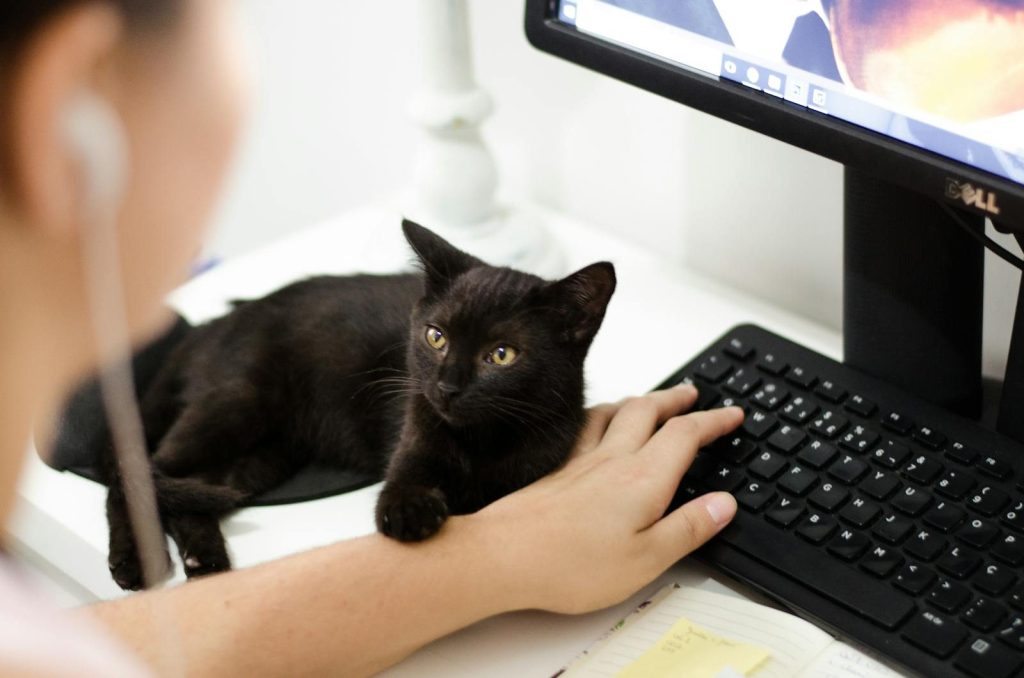
Rescue cats often carry hidden separation anxieties from their time in crowded shelters. When you sit quietly in one spot, they view you as a highly stable source of comfort. They want to be as close as possible to guarantee their own safety. According to the American Veterinary Medical Association, clingy behavior is usually a plea for emotional reassurance. But their attraction to your desk holds a physical trigger too.
The warm appeal of hot computer keyboards

Electronics emit a steady stream of dry heat that felines find absolutely irresistible. Your warm keyboard feels like the perfect nesting spot for a small animal. They do not realize they are interrupting your important meetings. They just want a cozy nap on a warm surface. Fortunately, you can easily redirect this thermal attraction.
Setting up a custom decoy desk bed
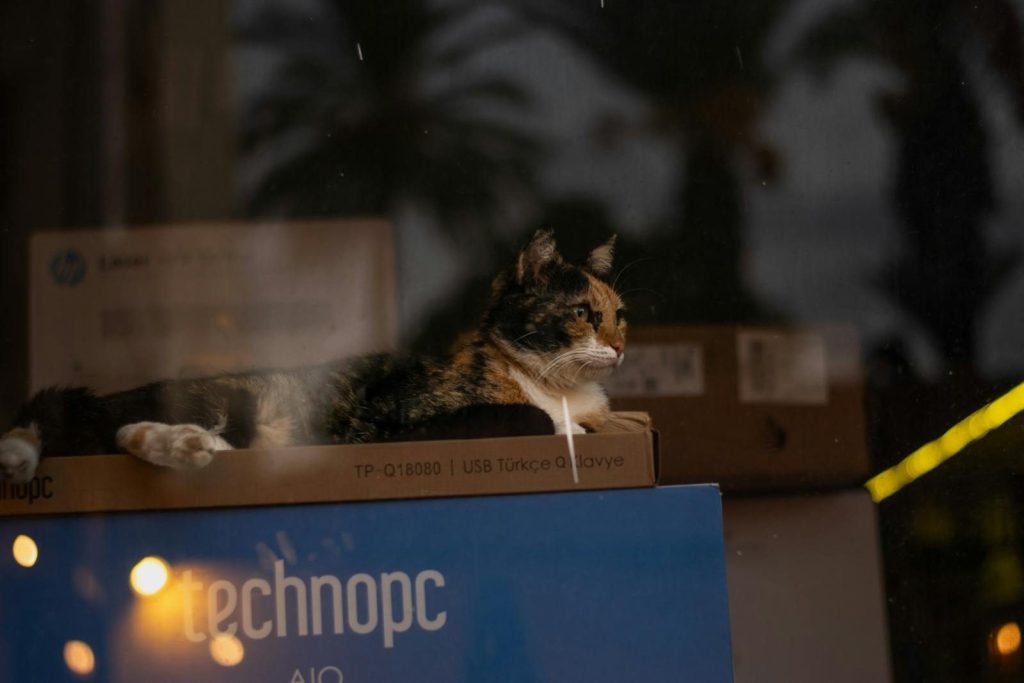
Place a small, heated cat pad inside a cardboard box right next to your computer screen. This simple decoy satisfies their need for warmth and lets them stay close to your movements. Most cats will happily choose the cozy box over a hard, clicky keyboard. But what happens if they still demand your active attention?
The vital role of structured work breaks
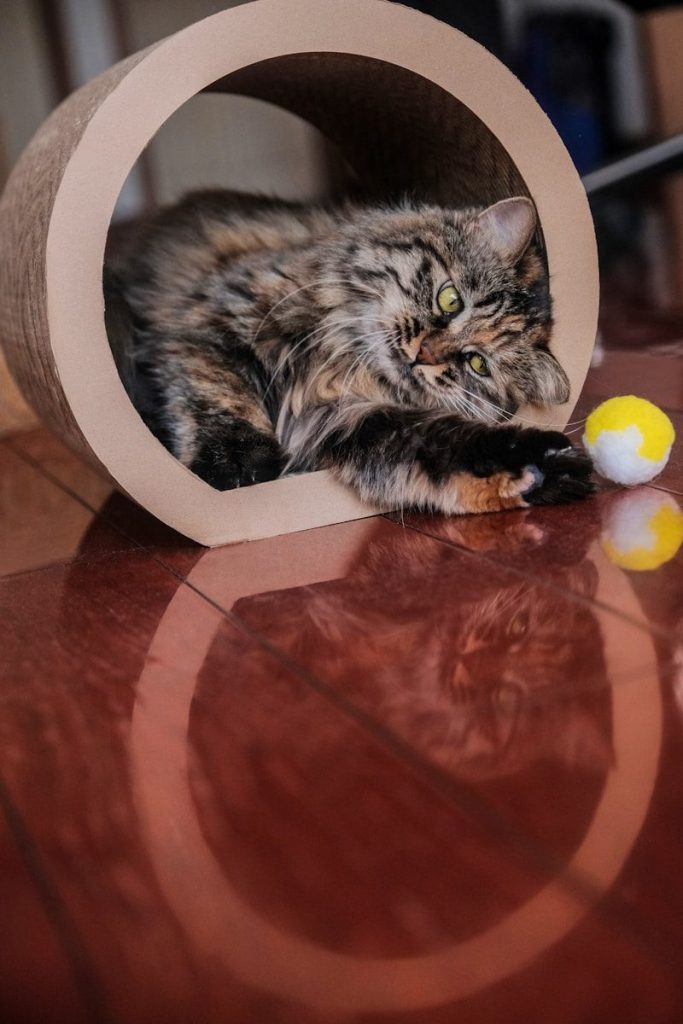
ASPCA behavioral guidelines suggest scheduling short interactive play sessions throughout your shift. Spending five minutes throwing a ball or using a wand toy drains their excess energy. It gives them the emotional reassurance they crave so they can rest peacefully afterward. However, you must also be careful not to reward the bad habits.
Avoiding the trap of accidental positive reinforcement
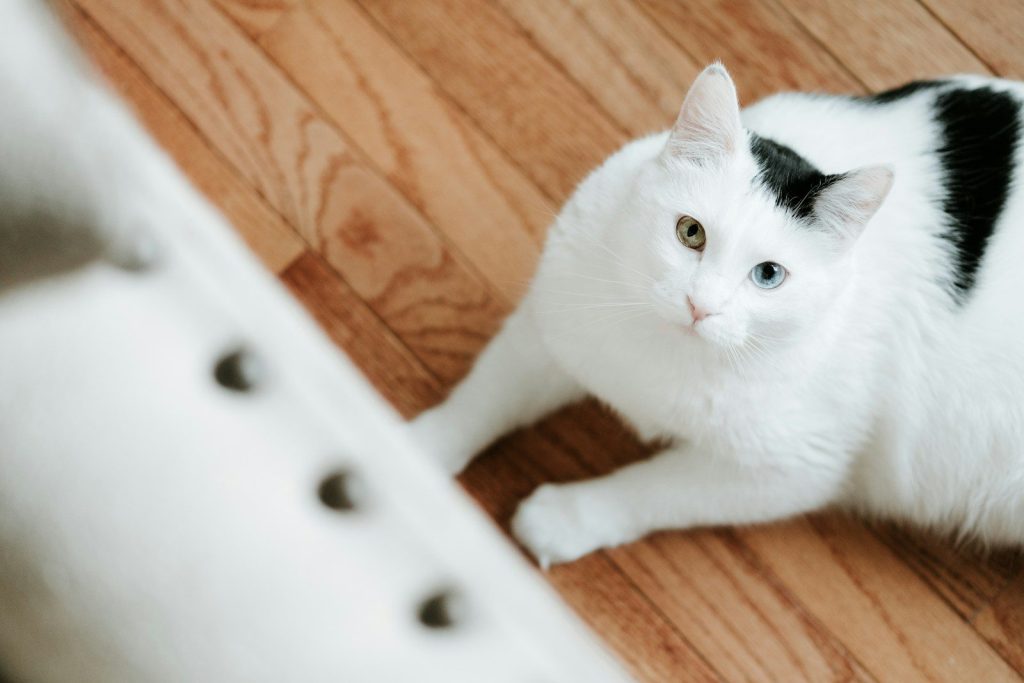
If you pet your cat every time they scream or walk across your keyboard, you are training them to repeat the behavior. They learn that interrupting your work brings immediate attention. Try to wait until they sit quietly on the floor before offering praise. This simple boundary keeps your workflow smooth. Still, their clinginess can sometimes indicate a hidden medical issue.
Watching for sudden changes in behavior patterns
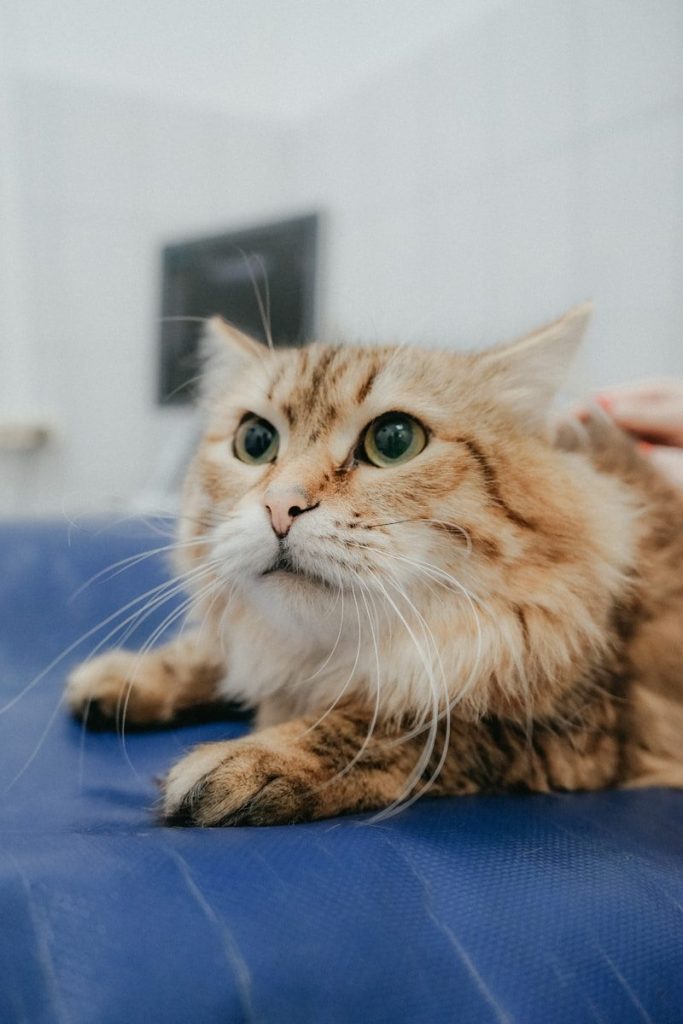
A sudden spike in vocalizations or clingy habits can sometimes point to chronic pain or metabolic changes. Senior felines might seek extra comfort when they are feeling physically vulnerable. This article is for informational purposes only and does not constitute veterinary advice. Consulting your local clinic to rule out underlying issues is always the safest choice. But how do you handle customer interactions if they take over?
Letting them join your daily online meetings
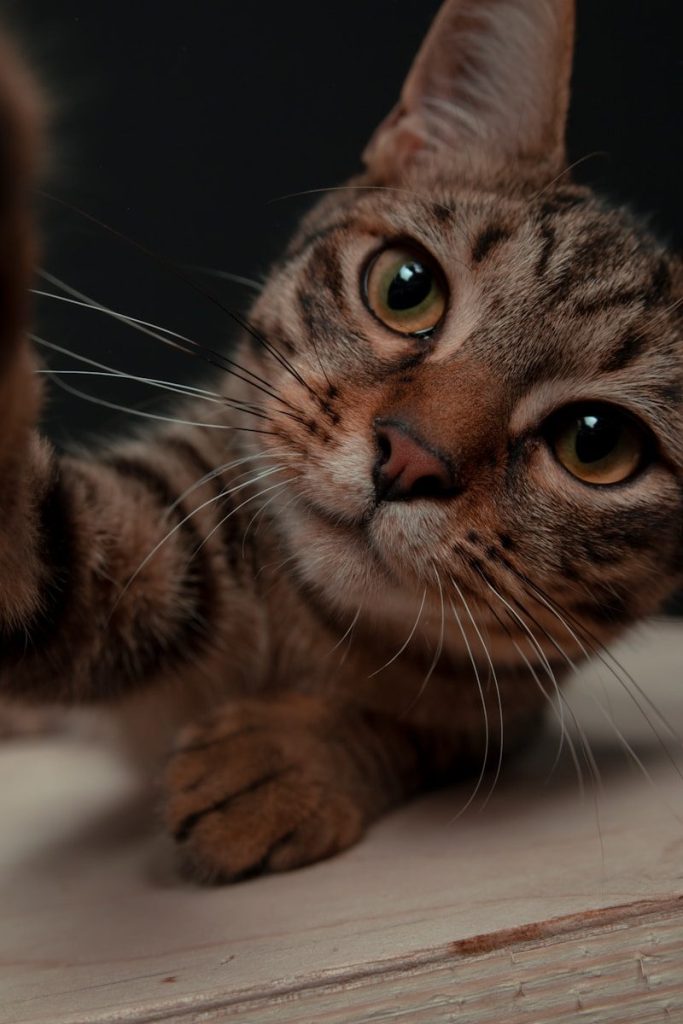
Sometimes, letting your pet wave to your team on camera is the easiest path to peace. Many coworkers find a surprise feline guest incredibly charming and stress-relieving during long video calls. Embracing their presence can make your remote work life far more joyful and lighthearted. But you must still keep their boundaries clear.
Creating a peaceful and highly productive home
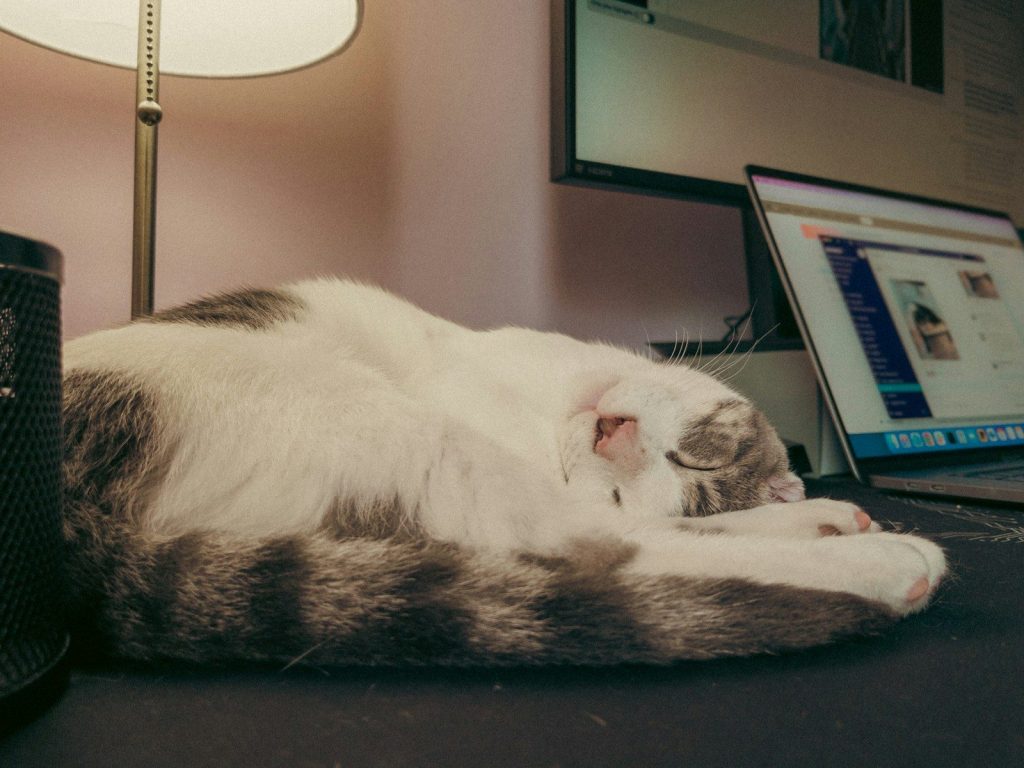
With a little patience and the right environmental adjustments, you can easily balance your career with pet parenting. Your rescue cat will happily transition into a relaxed workspace assistant that keeps you company all day. Enjoying their quiet presence turns a busy workday into a beautiful, shared experience.